
How to Clean Your Washing Machine with Vinegar and Baking Soda
Cleaning your washing machine with vinegar and baking soda is an easy washer-refresh method that uses hot water, white vinegar, baking soda, towels, and soaking time to help loosen detergent residue, fabric softener buildup, odors, and hidden grime.
This simple washing machine cleaning routine is helpful when clean laundry smells musty, towels come out sour, or your washer needs a practical home reset without taking the machine apart.

How to Clean Your Washing Machine with Vinegar and Baking Soda
If your washing machine smells musty or your clean laundry is coming out less than fresh, the washer itself may need a good cleaning. A washing machine handles dirty clothes, towels, bedding, body oils, detergent, fabric softener, lint, pet hair, and everyday family laundry. Even though it fills with water, that does not mean every part rinses clean after every load.
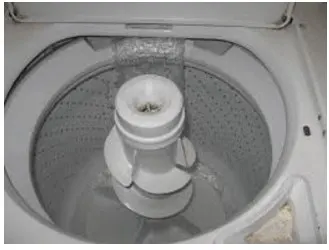
This method uses white vinegar, baking soda, hot water, and towels to help freshen the washer and loosen buildup inside the tub. The towels help fill the washer and move through the water as the machine agitates, giving the inside a gentle scrubbing while the vinegar and baking soda work through the cycle.
It is a good fit for anyone dealing with musty washer smells, sour towels, residue around the rim, fabric softener buildup, or laundry that just does not smell as clean as it should. I like this kind of chore because it feels like a little laundry room reset. Not glamorous, but goodness, it makes the next load feel better.
This guide is written for a traditional top-load washer that can be filled with hot water and paused to soak. If you have a front-load washer, high-efficiency washer, or a machine with a dedicated tub-clean cycle, check your owner’s manual first and use the manufacturer’s instructions as the final word.
Why You’ll Love This Recipe
- It uses simple household ingredients. White vinegar, baking soda, hot water, towels, and a cloth are easy to find and budget-friendly.
- It helps with musty washer smells. This method can freshen a washer that smells stale, sour, or like old laundry water.
- It tackles hidden buildup. Detergent, fabric softener, lint, body oils, and grime can collect around the tub, rim, gasket, agitator, and dispenser areas.
- It is a practical laundry reset. Cleaning the washer can help your laundry routine feel fresher from the first load.
- It is easy to remember. A twice-a-year deep clean is simple to add to your home maintenance calendar.
Ingredients
This washing machine cleaning method uses a short list of common home ingredients and supplies. You do not need anything fancy.
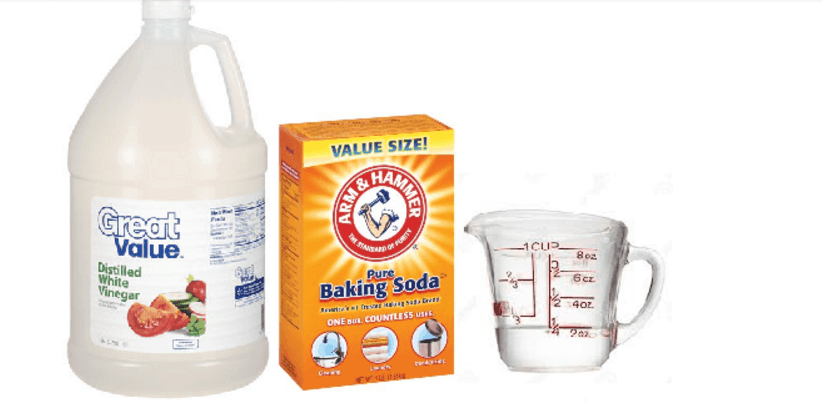
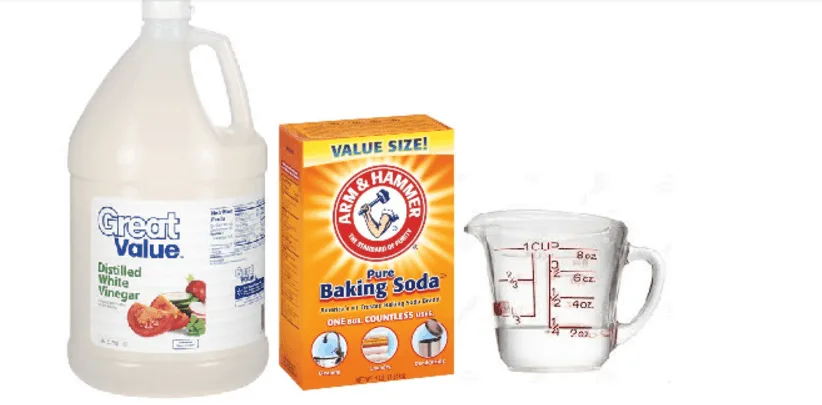
- White vinegar: Use 4 cups per cleaning cycle. For a deeper clean with two cycles, you will use 8 cups total.
- Baking soda: Use 1 cup per cleaning cycle. For two cycles, you will use 2 cups total.
- Hot water: Choose the hottest water setting your washer allows.
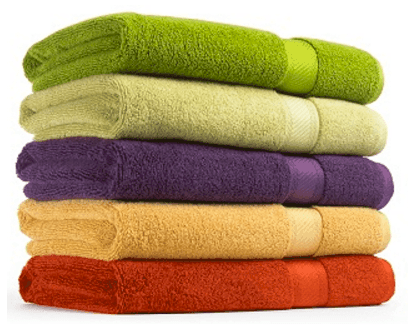
- Towels: Towels help fill the washer and gently scrub the inside as the machine agitates.
- Measuring cup: Helpful for measuring the vinegar and baking soda.
- Clean cloth: Use this to wipe the rim, lid, gasket, agitator area, and any visible residue after the cycle.
How to Make This Washing Machine Cleaning Recipe
This method works best when the washer can fill with hot water and pause for a short soak. If your machine locks automatically, has a tub-clean cycle, or uses very little water, adjust the steps according to your washer manual.
Step 1: Add Towels to the Washer
Fill the washing machine to its fullest practical capacity with towels. The towels help take up space and move through the washer during agitation.
Step 2: Choose the Hottest Water Setting
Set the washer to the hottest water setting available. Hot water helps loosen detergent residue, fabric softener buildup, body oils, and grime.
Step 3: Add the White Vinegar
Measure 4 cups of white vinegar. Start the washer with the lid open if your machine allows it. When the washer is about one-quarter full, pour in 1 cup of white vinegar. Add the remaining 3 cups as the water rises.
Total for this cycle: 4 cups white vinegar.
Step 4: Let the Washer Begin Agitating
Allow the washer to fill. Close the lid and let the cycle begin.
Step 5: Add the Baking Soda
After about 10 minutes, pause the washer or open the lid if your machine allows it. Add 1 cup of baking soda. Close the lid and allow the cycle to continue.
Total for this cycle: 1 cup baking soda.
Step 6: Pause and Soak
Let the washer run for about 10 more minutes. Then pause the cycle again and allow the hot water, vinegar, baking soda, and towels to soak for 25 to 35 minutes.
Step 7: Finish the Cycle
Close the lid, restart the washer, and allow the cycle to run all the way through.
Step 8: Repeat for a Deeper Clean
For a deeper washer refresh, repeat the process one more time using another 4 cups of white vinegar and 1 cup of baking soda.
Step 9: Wipe the Washer Interior
After the second cycle, remove the wet towels and set them aside. Pour a little white vinegar onto a clean cloth and wipe the inside of the washer, paying attention to places water may not reach well.
- Under the top rim
- Around gaskets or rubber seals
- Inside the top of the agitator, if your washer has one
- Detergent or fabric softener residue areas
- The lid and surrounding edges
- Any visible grime or sticky buildup
Step 10: Run a Final Hot Rinse Cycle
Run the washer on the hottest setting by itself to rinse away leftover vinegar and baking soda. Once that cycle finishes, your washer should be fresher and ready for regular laundry.
You can wash the towels as usual with detergent after the washer-cleaning cycle is complete.
Readers Also Make…
Once the washer is fresh, it is a great time to reset the rest of your laundry routine. Readers who clean their washer often also make Homemade Laundry Detergent, DIY Homemade Fabric Softener, and DIY Dryer Sheets for a budget-friendly laundry room refresh.
Important Safety Note Before You Start
Do not mix vinegar with bleach or bleach-based cleaners. Combining vinegar and bleach can create dangerous fumes. Use this vinegar and baking soda method only when there is no bleach in the washer, detergent tray, or cleaning cycle.
Always check your washing machine owner’s manual before using any DIY cleaning method, especially if you have a high-efficiency washer, a front-loading washer, or a machine with specific tub-clean instructions.
Why You Should Clean Your Washing Machine
I never really thought about cleaning a washing machine until a family member who worked with Habitat for Humanity mentioned the donated washing machines they had been cleaning that week. I assumed he meant wiping down the outside for dust and cleaning the inside for cobwebs. Then he asked, “Have you ever taken a washing machine apart and seen what’s inside?”
Now, I am not Mr. Fix-It and will not pretend to be. But at that point, I had to know.
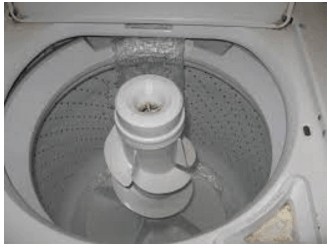
He explained that a washing machine seems like it should be self-cleaning because, well, washing machine is right there in the name. But laundry detergent and fabric softener do not always rinse away completely. Some of that residue can hang around in the nooks, crannies, rim, gasket, and agitator area. Over time, liquid residue can dry into sticky buildup or slime.
After years of laundry, that buildup can lead to odors, residue on clothes, slower performance, or even a repair call.
The good news? You do not have to take your washing machine apart to give it a practical refresh.
How Often Should You Clean a Washing Machine?
A good starting point is to deep clean your washing machine twice a year. That schedule is easy to remember and works well if your washer does not have strong odors or heavy buildup.
I like choosing weekends before two holidays, such as Memorial Day and Thanksgiving. It ties the chore to something already on the calendar, and it feels like a little seasonal reset before the laundry room starts working overtime.
If your washer gets heavy use, handles pet laundry, or often runs cold-water cycles, you may want to freshen it more often. A monthly wipe-down around the rim, lid, gasket, and detergent area can also help keep buildup from getting ahead of you.
Can You Use This Method for Front-Load Washers?
Front-load washers often have gaskets, detergent drawers, drain areas, and cleaning-cycle settings that need specific care. Before using vinegar and baking soda in a front-loader, check the owner’s manual and follow the manufacturer’s recommendations.
For front-load machines, focus especially on wiping the rubber gasket, door, detergent drawer, and any visible buildup. Leave the door open after laundry when possible to help reduce trapped moisture and musty odors.
Can You Use This Method for High-Efficiency Washers?
High-efficiency washers use less water, so they may not work the same way as a traditional top-load washer that fills deeply and pauses easily. If your HE washer has a tub-clean cycle, that is usually the best place to start.
Use your washer manual as your guide. If vinegar or baking soda is not recommended for your machine, follow the manufacturer’s cleaning instructions instead.
Expert Tips for a Fresher Washing Machine
- Use the right amount of detergent. Too much detergent can leave residue behind, especially in HE machines.
- Do not overdo fabric softener. Fabric softener buildup can become sticky and trap odors.
- Remove wet laundry promptly. Letting clothes sit in the washer can create sour smells quickly.
- Leave the lid or door open. Let the washer dry between loads when possible.
- Wipe hidden areas. The rim, gasket, lid, and dispenser area are often where odors hide.
- Run a hot cycle sometimes. If you mostly wash in cold water, an occasional hot cycle can help reduce residue.
Troubleshooting Washer Odors and Buildup
My washer still smells after cleaning. What should I do?
If your washer still smells after one cleaning, the odor may be coming from trapped moisture, a dirty gasket, a clogged drain area, too much detergent, or buildup in parts you cannot easily reach.
Try wiping the gasket, rim, agitator area, and detergent dispenser again. Run another hot rinse cycle. Leave the lid or door open so the washer can dry fully.
If the smell continues or the washer is not draining well, check your washer manual for filter or drain-cleaning instructions. A repair professional may be needed if the odor is coming from a part you cannot safely access.
My towels still smell sour. Is it the washer?
It might be. Sour towels can come from washer buildup, but they can also come from too much detergent, too much fabric softener, laundry sitting wet, or towels not drying completely.
Start by cleaning the washer, then wash towels promptly and dry them fully before folding.
There is residue around the washer rim. Is that normal?
Residue around the rim is common, especially in busy family washers. Wipe it with a cloth and white vinegar after the cleaning cycle, and make that area part of your regular laundry-room wipe-down.
Perfect With…
This washing machine cleaning routine fits naturally into a spring cleaning weekend, a back-to-school laundry reset, a holiday guest-prep checklist, or a twice-a-year home maintenance day. It also pairs well with freshening laundry products, cleaning the laundry room shelves, and wiping down the detergent area before the next mountain of towels appears.
For more homemade laundry-room help, try DIY Homemade Fabric Softener or DIY Dryer Sheets.
Variations and Creative Ideas
This is not the kind of recipe where we want to get too creative with the chemistry. Keep the cleaning ingredients simple, safe, and washer-friendly.
- For a light refresh: Run one hot cycle with vinegar and baking soda, then wipe the rim and lid.
- For a deeper clean: Repeat the full cycle a second time, especially if the washer smells musty.
- For visible grime: Spend extra time wiping the rim, gasket, lid, and agitator after the cycle.
- For hard water homes: You may also find Uses for Citric Acid helpful for learning where citric acid fits into home cleaning and descaling routines.
What Not to Use When Cleaning a Washing Machine
Do not mix cleaning ingredients randomly. A washing machine is a hardworking appliance, not a science fair volcano with a spin cycle.
- Do not mix vinegar with bleach.
- Do not use a DIY cleaner that conflicts with your washer manual.
- Do not pour thick cleaners into detergent dispensers unless your manual says it is safe.
- Do not ignore the gasket, rim, or dispenser area.
- Do not use excessive detergent after cleaning, or buildup may return quickly.
How to Keep Your Washer Cleaner Between Deep Cleans
A twice-a-year deep clean is helpful, but small habits keep the washer fresher between those bigger cleaning sessions.
- Leave the lid or door open after washing so moisture can escape.
- Use the correct amount of detergent for your machine and load size.
- Avoid overusing fabric softener.
- Wipe the rim, gasket, and lid regularly.
- Remove wet laundry promptly.
- Run a hot cycle occasionally if you mostly wash in cold water.
- Clean the detergent drawer or dispenser area if your machine has one.
- Check your washer manual for filter or drain maintenance.
Make-Ahead Laundry Room Reset
This is a great chore to do before a busy laundry season. I like thinking of it as a make-ahead task for the home, especially before guests, holidays, back-to-school routines, or winter bedding season.
Add “clean washing machine” to your calendar twice a year, then pair it with a quick laundry-room tidy:
- Wipe down detergent bottles.
- Wash or replace cleaning cloths.
- Restock vinegar, baking soda, and laundry supplies.
- Clean the lint trap area around the dryer.
- Check old laundry products and toss anything you no longer use.
Pinterest-Friendly Laundry Room Tip
Save this washing machine cleaning guide to your cleaning board or laundry room board so you can find it the next time your washer smells musty, your towels smell sour, or your clean laundry needs a fresher start.
This is also a helpful pin for spring cleaning, fall home maintenance, moving into a new home, cleaning a rental washer, or resetting the laundry room after a long season of sports uniforms, beach towels, muddy socks, and everyday family life.
More DIY Laundry and Cleaning Help
If you are already freshening the washer, it is a great time to reset the rest of your laundry routine. These related guides can help:
- Homemade Laundry Detergent Recipe is a practical homemade laundry detergent recipe for everyday family laundry.
- DIY Homemade Fabric Softener is a budget-friendly homemade fabric softener recipe for softer, fresher laundry.
- DIY Dryer Sheets are a reusable dryer sheet idea that helps freshen laundry with less waste.
- DIY Dishwasher Detergent Cubes can help with a simple homemade kitchen cleaning routine.
- Homemade Floor Cleaner is helpful when the laundry room floor needs attention, too.
Cleaning Your Washing Machine FAQs
How do you clean your washing machine?
To clean your washing machine, fill it with towels and hot water, add white vinegar, let it agitate, add baking soda, pause the washer to soak, finish the cycle, then wipe the rim, gasket, lid, and agitator area. Run a final hot rinse cycle before washing regular laundry.
Can I clean my washing machine with vinegar and baking soda?
Yes, vinegar and baking soda can be used to freshen many traditional washers, but always check your washer owner’s manual first. Do not mix vinegar with bleach or bleach-based cleaners.
How often should you clean your washing machine?
A good starting point is twice a year. If your washer gets heavy use, handles pet bedding or towels, or smells musty, clean it more often and wipe the rim, gasket, and dispenser area regularly.
Why does my washing machine smell bad?
Washer odor can come from trapped moisture, detergent buildup, fabric softener residue, body oils, lint, mildew, or grime around the gasket, rim, agitator, detergent dispenser, or drain area.
Do you really need to clean a washing machine?
Yes. A washing machine can collect detergent residue, lint, body oils, fabric softener buildup, minerals, and moisture. Cleaning the washer helps reduce odors and keeps laundry smelling fresher.
Can too much detergent make a washer smell?
Yes. Using too much detergent can leave residue behind, especially in high-efficiency machines. That residue can trap dirt and odors over time.
Should I use vinegar in every load of laundry?
This post focuses on deep cleaning the washing machine, not adding vinegar to every load. If you want to use vinegar in laundry, check your washer manual and fabric care labels first.
Can I use this method in a front-load washer?
Check your front-load washer manual first. Front-load machines often need special attention around the gasket, door, detergent drawer, and drain area, and many have a specific tub-clean cycle.
Can I use this method in a high-efficiency washer?
Check your HE washer manual first. High-efficiency machines use less water and may have specific tub-clean instructions. Follow the manufacturer’s recommendations when cleaning an HE washer.
Why use towels when cleaning the washer?
Towels help fill the washer and move through the drum during agitation, which can help gently scrub the inside of the machine while the vinegar and baking soda solution circulates.
What should I avoid when cleaning a washing machine?
Never mix vinegar with bleach. Avoid using too much detergent, do not ignore the gasket or detergent drawer, and do not use a DIY cleaning method that conflicts with your washer manual.
Printable Washing Machine Cleaning Instructions
Use the recipe card below to save the exact vinegar, baking soda, towel, and hot-water instructions for cleaning your washing machine.
More DIY Cleaning Recipes and Natural Home Cleaning Tips
Looking for more simple ways to keep your home fresh without overcomplicating cleaning day? These DIY cleaning recipes and natural home cleaning tips can help with laundry, kitchen messes, floors, odors, kid-safe cleanup, pet messes, and everyday family home care.
- DIY Homemade Fabric Softener — A budget-friendly homemade fabric softener recipe for softer, fresher laundry.
- DIY Dryer Sheets — A reusable dryer sheet idea that helps freshen laundry with less waste.
- Homemade Laundry Detergent Recipe — A practical homemade laundry detergent recipe for everyday family laundry.
- Cleaning Your Washing Machine — A helpful guide for tackling washer odors, buildup, and hidden grime.
- DIY Dishwasher Detergent Cubes — Homemade dishwasher cubes for a simple kitchen cleaning routine.
- Uses for Citric Acid — Learn how citric acid can help with hard water, descaling, dishwasher recipes, and more.
- Homemade Floor Cleaner — A simple floor cleaner recipe for everyday messes and freshening high-traffic areas.
- Cleaning Tile, Wood, and Vinyl Floors — A helpful guide for choosing the right cleaning method for different floor types.
- Aromatherapy Air Freshener — A DIY air freshener idea for a naturally fresher-smelling home.
- How to Properly Sanitize Toddler Toys — A family-friendly guide for keeping toys cleaner and fresher.
Need more help around the house? Browse the full DIY Cleaning Recipes hub or the DIY Home Hacks category for laundry recipes, homemade cleaners, kitchen cleaning, floor care, odor control, kid-safe cleaning, pet messes, and everyday home tips.
Final Thoughts
Cleaning your washing machine is not glamorous, but it can make a real difference in how your laundry smells and feels. A little white vinegar, baking soda, hot water, and time can help freshen the washer, loosen buildup, and make laundry day feel cleaner from the start.
Pick an easy schedule you will remember, such as the weekends before Memorial Day and Thanksgiving, and make washer cleaning part of your home reset routine.
Save this guide for the next time your laundry smells musty, your washer needs a refresh, or you want to build a cleaner laundry routine from the machine up.
This post was originally published August 12, 2017, and updated with clearer instructions, improved image details, FAQs, and additional DIY laundry-room tips.