
Cleaning Tile, Wood, and Vinyl Floors: Simple Floor Care Tips for a Cleaner Home
Cleaning tile, wood, and vinyl floors does not have to be complicated, but each floor type needs the right method. Tile can usually handle a little more scrubbing, wood needs a gentler touch, and vinyl loves regular cleanup before dirt and spills have a chance to settle in.
If your floors see muddy shoes, sticky spills, pet tracks, crumbs, dust, and everyday family traffic, this guide will help you choose the best cleaning approach for the surface you have. You will learn how to clean tile floors, how to clean wood floors, how to clean vinyl floors, what to avoid, and when a homemade floor cleaner may be a good fit.
For a simple mop solution you can make at home, start with this Homemade Floor Cleaner. Then use the floor-specific tips below to make sure you are cleaning the right way for tile, wood, or vinyl.
Why Floor Type Matters
One of the biggest floor-cleaning mistakes is using the same cleaner and method everywhere. What works beautifully on tile may be too wet for wood. What helps vinyl shine may not belong on natural stone. Before you mop, it helps to know what your floor can handle.
- Tile floors are usually durable and easy to clean, but grout needs extra attention.
- Wood floors need moisture control because too much water can damage the finish or boards.
- Vinyl floors are durable and family-friendly, but sticky residue and harsh products can dull the surface.
When in doubt, check the manufacturer’s care instructions and test any cleaner in a small hidden spot first.
Helpful Floor Cleaning Supplies
You do not need a closet full of products to keep floors looking fresh. A few basic supplies can handle most everyday floor messes.
- Microfiber mop
- Vacuum or broom
- Soft cloths
- Bucket
- Small scrub brush or old toothbrush for grout
- Baking soda
- Warm water
- Apple cider vinegar for vinyl floors, when appropriate
- Gentle dish soap, when appropriate
- Commercial grout cleaner, if needed
Important Floor Cleaning Safety Notes
Before cleaning any floor, remember that more cleaner is not always better. Too much soap, too much water, or the wrong ingredient can leave residue or damage the surface.
- Do not soak wood floors. Use a barely damp cloth or mop and dry wet spots quickly.
- Do not use vinegar on natural stone. Avoid vinegar on granite, marble, quartz, slate, travertine, soapstone, and other stone surfaces.
- Do not use metal brushes on tile or grout. Metal can scratch tile.
- Do not mix cleaning chemicals casually. Follow product labels and never mix bleach with ammonia or vinegar.
- Wear gloves when using commercial grout cleaners. Many are strong and should be handled carefully.
- Test first. Always test homemade or store-bought cleaners in an inconspicuous area.
Cleaning Tile Floors
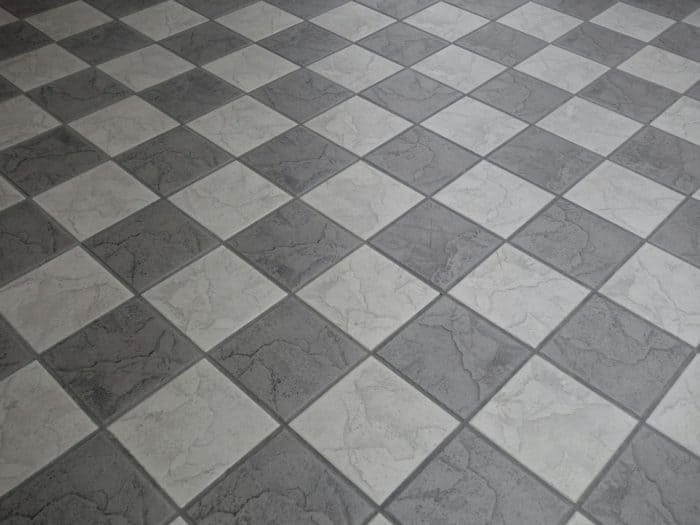
Ceramic tile floors are usually easy to care for. Often, warm water and a microfiber mop are enough for everyday cleaning, especially if you sweep or vacuum first to remove larger dirt and debris.
A microfiber mop is usually a better choice than a sponge mop because it picks up more dirt and does not push as much grime into the grout lines.
How to Clean Tile Floors
- Sweep or vacuum the floor to remove loose dirt, crumbs, and dust.
- Fill a bucket with warm water.
- Damp mop the tile using a microfiber mop.
- Rinse the mop often so you are not spreading dirty water around.
- Let the floor air dry, or dry with a clean towel if needed.
For everyday tile cleaning, you may not need much more than warm water. If your floor needs a little extra help, try a cleaner that is safe for your specific tile type, or use a gentle homemade option from this Homemade Floor Cleaner guide.
How to Clean Grout
The real challenge with tile floors is often the grout. Grout is porous, which means it can absorb dirt, spills, and stains more easily than the tile itself.
For Light Grout Cleaning
- Start by sweeping or vacuuming the floor.
- Use warm water and a small scrub brush to loosen surface dirt.
- Wipe away loosened grime with a clean damp cloth.
For Dirty or Stained Grout
- Spray the grout with a commercial grout cleaner, following the label instructions.
- For deeper stains, let the cleaner sit for about 10 minutes if the product directions allow it.
- Scrub with a toothbrush or small nylon scrub brush.
- Wipe clean with water.
- Wear gloves when using strong cleaning products.
Baking Soda Paste for Grout Stains
If standard cleaning does not remove grout stains, you can try a simple baking soda paste.
- Mix baking soda with water to create a paste.
- Apply the paste to the stained grout.
- Let it sit overnight.
- Scrub with a nylon brush.
- Wipe clean with water.
Avoid metal brushes because they can scratch tile. Once grout is clean and fully dry, a silicone-based grout sealer can help protect it from future stains and dirt.
Cleaning Wood Floors
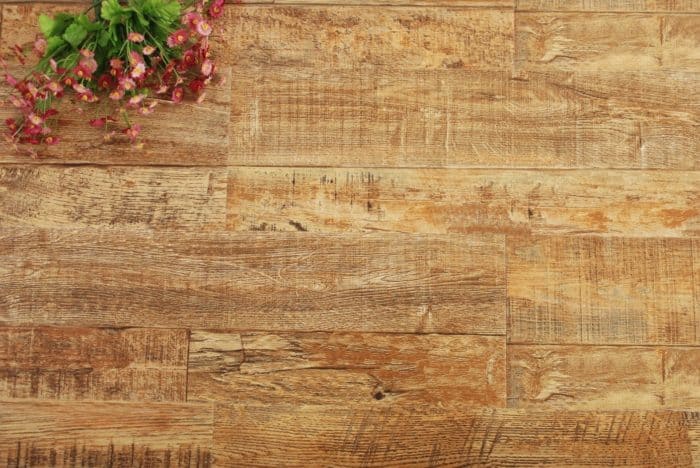
Wood floors can make a home feel warm and beautiful, but they need careful cleaning. The biggest rule is simple: do not soak wood floors. Too much water can damage the wood, dull the finish, or cause swelling.
Simple dust mopping helps, but it may not remove the dirt and grime that build up over time. For deeper cleaning, use a floor cleaner that is safe for your wood floor’s finish and follow the manufacturer’s instructions.
Tea Method for Shiny Wood Floors
One old-fashioned wood floor tip is using tea. Tea contains tannic acid, which can help bring out shine on some wood floors. Always test first in a small hidden area before using it across the whole floor.
- Bring water to a boil.
- Add two tea bags and let them steep for a few minutes.
- Pour the tea into a bucket and let it cool enough to use safely.
- Dip a soft cloth into the tea and wring it out very well.
- Wipe the wood floor with the lightly damp cloth.
- Let the floor dry quickly.
The cloth should be barely damp, not wet. Wood floors should never be left with standing water.
Homemade Wood Floor Cleaner Option
The original method suggests mixing one part vinegar with 10 parts warm water to remove built-up dirt and dust. Use caution with vinegar on wood floors because some finishes may not tolerate it well. Always test first and follow the care instructions for your specific floor.
For a gentler homemade option, see the wood floor cleaner notes in this Homemade Floor Cleaner guide.
How to Fix Small Scratches with a Crayon
For small visible scratches, a crayon in a similar wood tone may help disguise the mark.
- Choose a crayon color that closely matches the wood.
- Rub the crayon gently over the scratch.
- Warm the area carefully with a blow dryer.
- Buff with a soft cloth.
This is best for minor cosmetic scratches. For deep scratches or damaged finish, use a proper wood repair product or consult a flooring professional.
Cleaning Vinyl Floors
Vinyl floors are durable, family-friendly, and usually easy to care for, but spills should still be wiped up quickly. The faster you clean up spills, the less likely they are to stain or leave sticky residue behind.
About once a week, give vinyl floors a more thorough cleaning to remove dirt, hair, dust, and everyday buildup.
How to Clean Vinyl Floors
- Vacuum, sweep, or dry mop to remove loose dirt, hair, and dust.
- Mix 1 cup apple cider vinegar with 1 gallon hot water.
- Damp mop the vinyl floor with the solution.
- Rinse the mop often with clean hot water from another bucket or sink.
- Let the floor air dry.
The acid in apple cider vinegar can help remove dirt without leaving a soapy film. Use a damp mop, not a soaking wet mop.
For Extra Cleaning Power
If your vinyl floor needs more help, add a few drops of liquid dishwashing soap to the vinegar and water mixture.
Mop first with the soap mixture, then follow with a second pass using vinegar and water to help remove any soapy residue.
How to Remove Stains from Vinyl Floors with Baking Soda
Baking soda can help with stains from fruit juice, ketchup, wine, tomato sauce, and similar spills.
- Mix baking soda with a little water to make a paste.
- Apply the paste to the stain.
- Rub gently with a soft cloth or towel until the stain lifts.
- Wipe the area clean with vinegar and water.
- Dry the floor.
How to Add Shine to Vinyl Floors
Do not use paste wax polishes on vinyl floors. If you want a little extra shine, add a few drops of baby oil to the vinegar and water cleaning solution.
Use only a few drops. Too much oil can make the floor slippery.
What Not to Use on Vinyl Floors
- Paste wax polish
- Harsh abrasive scrubbers
- Too much dish soap
- Soaking wet mops
- Oil-heavy mixtures that can make floors slippery
How to Keep Floors Cleaner Between Mopping
The easiest way to make floor cleaning less overwhelming is to keep dirt from building up in the first place. A few small habits help floors stay fresher longer.
- Vacuum, sweep, or dry mop regularly.
- Wipe spills as soon as they happen.
- Use doormats at entryways.
- Take shoes off near the door if that works for your household.
- Use a microfiber mop instead of pushing dirty water around.
- Clean grout before it becomes deeply stained.
- Use the right cleaner for the right floor type.
How This Fits Into a DIY Cleaning Routine
Floor care is only one part of a clean-home routine. If you enjoy practical homemade cleaning ideas, pair this floor guide with other DIY cleaning recipes that help around the house.
- Use Homemade Floor Cleaner for everyday mopping solutions.
- Reset laundry with Cleaning Your Washing Machine.
- Freshen clothes with DIY Homemade Fabric Softener and DIY Dryer Sheets.
- Keep the kitchen moving with DIY Dishwasher Detergent Cubes.
- Learn how citric acid can help with hard water, descaling, and cleaning recipes.
- Add a fresh scent with Copycat Renuzit Gel Bead Aromatherapy.
Cleaning Tile, Wood, and Vinyl Floors FAQs
What is the best way to clean tile floors?
For everyday tile cleaning, sweep or vacuum first, then mop with warm water and a microfiber mop. For dirty grout, use a grout cleaner or baking soda paste and scrub with a nylon brush.
How do you clean grout naturally?
A baking soda and water paste can help with some grout stains. Apply it to the grout, let it sit, then scrub with a nylon brush. Avoid metal brushes because they can scratch tile.
Can I use vinegar on wood floors?
Use caution. Some wood floor finishes may not tolerate vinegar well. Always test first in a hidden spot and follow your floor manufacturer’s instructions.
How do I clean wood floors without damaging them?
Use as little water as possible. Dust mop first, then clean with a lightly damp cloth or mop and dry wet areas quickly. Never soak wood floors.
Can I clean vinyl floors with apple cider vinegar?
Yes, a mixture of 1 cup apple cider vinegar and 1 gallon hot water can be used on many vinyl floors. Damp mop, rinse the mop often, and avoid soaking the floor.
How do I remove stains from vinyl floors?
For stains like ketchup, wine, fruit juice, or tomato sauce, make a baking soda and water paste. Rub gently with a soft cloth, then wipe clean with vinegar and water.
Why do my floors look dull after mopping?
Dullness can come from soap residue, dirty mop water, too much cleaner, waxy buildup, or using the wrong product for the floor type. Try rinsing with clean water and using less cleaner next time.
Which mop is best for floor cleaning?
A microfiber mop is a good choice for many floors because it picks up dirt well and uses less water than a sponge mop.
More DIY Cleaning Recipes and Natural Home Cleaning Tips
Looking for more simple ways to keep your home fresh without overcomplicating cleaning day? These DIY cleaning recipes and natural home cleaning tips can help with laundry, kitchen messes, floors, odors, kid-safe cleanup, pet messes, and everyday family home care.
- DIY Homemade Fabric Softener — A budget-friendly homemade fabric softener recipe for softer, fresher laundry.
- DIY Dryer Sheets — A reusable dryer sheet idea that helps freshen laundry with less waste.
- Homemade Laundry Detergent Recipe — A practical homemade laundry detergent recipe for everyday family laundry.
- Cleaning Your Washing Machine — A helpful guide for tackling washer odors, buildup, and hidden grime.
- DIY Dishwasher Detergent Cubes — Homemade dishwasher cubes for a simple kitchen cleaning routine.
- Uses for Citric Acid — Learn how citric acid can help with hard water, descaling, dishwasher recipes, and more.
- Homemade Floor Cleaner — A simple floor cleaner recipe for everyday messes and freshening high-traffic areas.
- Cleaning Tile, Wood, and Vinyl Floors — A helpful guide for choosing the right cleaning method for different floor types.
- Copycat Renuzit Gel Bead Aromatherapy — A DIY gel bead air freshener for bathrooms, laundry rooms, closets, and fresh-home fragrance.
- How to Properly Sanitize Toddler Toys — A family-friendly guide for keeping toys cleaner and fresher.
- Clean + Green Pet Odor and Stain Remover Review — Help for pet odors, stains, and everyday furry-family messes.
- How to Clean Stubborn Dirt and Grime from Your Car — A practical guide for cleaning car grime and buildup.
Need more help around the house? Browse the full DIY Cleaning Recipes and Natural Home Cleaning Tips hub for laundry recipes, homemade cleaners, kitchen cleaning, floor care, odor control, kid-safe cleaning, pet messes, and car cleaning tips.
Final Thoughts
Cleaning tile, wood, and vinyl floors is easier when you stop treating every floor the same. Tile needs regular sweeping and grout care. Wood needs gentle cleaning with very little moisture. Vinyl needs quick spill cleanup, weekly attention, and cleaners that do not leave a sticky film.
Start with the surface, choose the right method, and keep your routine simple. With regular care, the right mop, and a little attention to problem spots, your floors can stay cleaner, shinier, and ready for real family life.
Save this guide for your next kitchen cleanup, floor-care reset, spring cleaning weekend, or DIY cleaning routine.
This article was originally published September 26, 2017, and updated May 16, 2026, with improved instructions, updates, and new photos.—