
This easy homemade fabric softener uses white vinegar, inexpensive hair conditioner, and hot water to make a budget-friendly liquid fabric softener in about five minutes.
The recipe makes approximately 11 cups, enough for dozens of loads depending on how much you use. Choose a conditioner with a fragrance you already enjoy, or use a fragrance-free version when you want more control over the scent.
This is best described as a homemade or DIY fabric softener rather than an entirely natural fabric softener because the finished product depends on the ingredients in the conditioner you choose.
Jump to the Homemade Fabric Softener Recipe
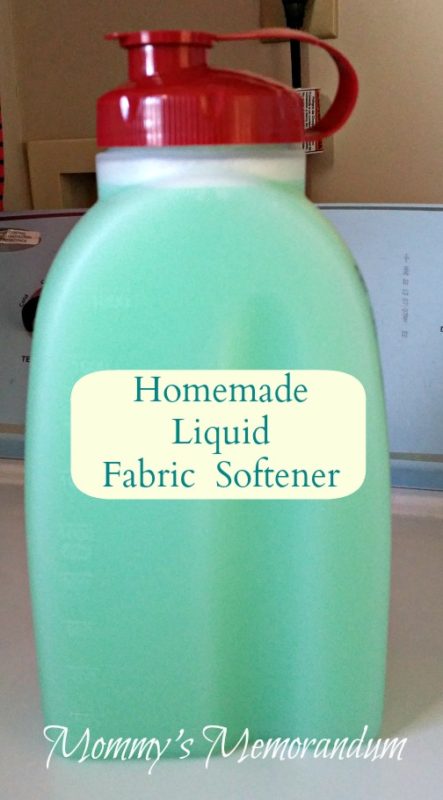
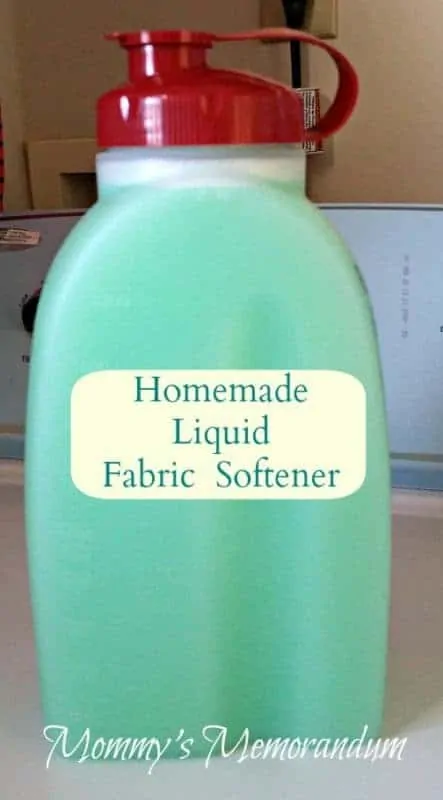
Readers also make:
Build a more budget-friendly laundry routine with my homemade laundry detergent, then turn this softener into reusable DIY dryer sheets.
How to Make Homemade Fabric Softener
To make homemade fabric softener, combine hot water and hair conditioner until smooth, then slowly stir in white vinegar. Transfer the mixture to a clean, labeled container and use a small amount in your washing machine’s designated fabric-softener dispenser during the rinse cycle.
The conditioner provides the softening and fragrance many people expect from liquid fabric conditioner, while the water thins the mixture so it is easier to dispense. Vinegar helps dilute the mixture and may help rinse away some detergent residue.
Before you begin: Always check clothing care labels and your washing-machine manufacturer’s instructions before using a homemade laundry product. Test the mixture on an ordinary load before using it with delicate, moisture-wicking, flame-resistant, or specialty fabrics.
Why You’ll Love This DIY Fabric Softener
- Only three basic ingredients: Conditioner, white vinegar, and hot water are all you need.
- Quick to make: The entire batch takes approximately five minutes to mix.
- Budget-friendly: One inexpensive bottle of conditioner makes a generous amount of fabric softener.
- Easy to customize: Pick a conditioner fragrance you already enjoy or choose fragrance-free.
- Make it ahead: Store the finished mixture in a labeled laundry container so it is ready on wash day.
- Two ways to use it: Use it in the rinse cycle when your washer permits or dilute it to make reusable dryer cloths.
I started making laundry products at home during a season when stretching the household budget mattered with every grocery trip. With a house full of children, laundry was never a once-a-week chore. It was more like a permanent resident.
Making my own fabric softener did not make the laundry pile disappear, but it gave me one less bottle to pay full price for. That felt like a small victory every time I started another load.
Watch This DIY Homemade Fabric Softener in Action
See how this homemade fabric softener fits into an everyday laundry routine, from adding the finished mixture to the washer to soft, freshly folded clothes. Always check your washing-machine instructions and fabric-care labels before using homemade laundry products.
Homemade Fabric Softener Ingredients
- 6 cups hot water: Hot water helps the conditioner blend into a smooth liquid.
- 2 cups inexpensive hair conditioner: This is approximately one 15- to 16-ounce bottle. Choose a scent you like, or use a fragrance-free conditioner when you prefer less added fragrance.
- 3 cups white vinegar: Add it slowly so the mixture stays easy to combine.
- Optional essential oil: Use only a few drops. Essential oils do not dissolve completely in water and may spot some fabrics, so they are not necessary when your conditioner is already scented.
Important: Do not combine the ingredients in a sealed container and shake vigorously. The mixture can foam and become difficult to pour. Stir gently instead.
Helpful Supplies
You do not need special equipment, but a few reusable laundry tools make mixing, storing, and measuring the softener easier.
- Large mixing bowl for combining the water and conditioner without splashing.
- Reusable laundry dispenser with measuring cup for storing and dispensing the finished fabric softener.
- Mini 1/4-cup liquid measuring cup for measuring the smaller amounts used per load.
As an Amazon Associate I earn from qualifying purchases.
How to Make Fabric Softener at Home
- Pour 6 cups of hot water into a large mixing bowl or bucket.
- Add 2 cups of hair conditioner.
- Stir gently until the conditioner is completely blended with the water and the mixture looks smooth.
- Slowly pour in 3 cups of white vinegar while continuing to stir.
- If desired, add only a few drops of essential oil and stir gently.
- Transfer the homemade fabric conditioner to a clean, clearly labeled bottle or storage container.
- Allow the mixture to cool completely before closing the container for storage.
The mixture may separate slightly as it sits. Gently swirl the container or stir before measuring. Avoid vigorous shaking because it can create unnecessary foam.
How Much Homemade Fabric Softener Should You Use?
Start with a small amount until you see how the mixture works with your washer, water, and laundry.
- Small load: Start with 2 tablespoons.
- Medium load: Use approximately 3 tablespoons.
- Large load: Use up to 1/4 cup.
Pour the measured softener into your washing machine’s designated fabric-softener dispenser so it is released during the rinse cycle.
Do not pour the concentrated mixture directly onto dry clothing. Conditioner, fragrance, or other ingredients may leave a spot.
Washer designs differ, so consult your appliance manual before placing any homemade mixture in an automatic dispenser. If the manufacturer advises against homemade laundry products, choose another fabric-softening method instead.
Can You Use Homemade Fabric Softener in an HE Washer?
This recipe does not create detergent-like suds, but recommendations for HE washers vary by manufacturer. Check your washing-machine manual before putting homemade fabric softener in the dispenser.
If your manufacturer permits liquid fabric softener, begin with the smallest suggested amount. Using too much can leave residue in the dispenser, on clothing, or inside the machine.
How to Customize the Scent
The easiest way to customize DIY fabric softener is to choose a hair conditioner with a fragrance you already enjoy. If the conditioner smells good on its own, there is no need to add essential oil.
For a lower-fragrance option, use an unscented or fragrance-free conditioner and skip the essential oils entirely.
If you do use essential oil, start with only a few drops for the entire batch. Because oils do not dissolve fully in water and may leave oily spots on some materials, test the finished mixture on older, washable laundry first.
Optional Laundry Scent Ideas
- Fresh and bright: Choose a lightly lemon-scented conditioner.
- Soft and calming: Try a lightly lavender-scented conditioner.
- Clean linen: Look for cotton, linen, or fresh-air fragrances.
- Fragrance-free: Use an unscented, dye-free conditioner with no added essential oil.
You can also learn more about making aromatic infusions in this guide to essential oils you can make at home.
Is Homemade Fabric Softener Natural?
Homemade does not automatically mean natural. Hair conditioner may contain fragrance, preservatives, silicones, dyes, or other ingredients depending on the product you choose.
If you are looking for a more natural fabric softener, read the conditioner label carefully and choose the simplest product that fits your preferences. Some households also use white vinegar by itself during the rinse cycle, but you should still check your washer manufacturer’s instructions before using it regularly.
In this recipe, “homemade” simply means you are mixing the finished product yourself. It does not mean every ingredient is natural, hypoallergenic, chemical-free, or appropriate for every fabric.
Homemade Fabric Softener for Sensitive Skin
For a lower-fragrance version, choose a fragrance-free, dye-free conditioner and omit the essential oil.
No laundry product is suitable for every sensitive-skinned person, so wash one small load of ordinary clothing first. Stop using the mixture if you notice irritation, lingering residue, or a change in how the fabric feels.
Baby clothing, cloth diapers, flame-resistant sleepwear, and medically necessary fabrics may have special care requirements. Follow the garment manufacturer’s directions rather than automatically adding fabric softener.
Perfect with a seasonal laundry reset:
Use this homemade fabric softener when washing everyday sheets, washable blankets, guest-room linens, and ordinary clothing during a spring-cleaning weekend or back-to-school laundry reset. Before tackling the pile, follow this guide to clean your washing machine so stale buildup does not follow your freshly washed laundry.
When You Should Skip Fabric Softener
Fabric softener is not ideal for every material. Check the care label and consider skipping it on:
- Moisture-wicking athletic clothing
- Microfiber cleaning cloths
- Highly absorbent towels when absorbency is the priority
- Flame-resistant clothing or children’s sleepwear
- Cloth diapers
- Water-resistant or specialty performance fabrics
- Silk, wool, or other delicate materials unless the care label permits it
- Clothing with significant elastic or compression components
Conditioning ingredients can coat fibers, potentially reducing absorbency or interfering with the performance of specialty fabrics. When in doubt, follow the garment-care label.
Homemade Fabric Softener for the Dryer
You can also use this homemade fabric softener to make a reusable dryer cloth rather than adding the mixture to your washing machine.
- Dilute one part homemade fabric softener with one part water.
- Dip a clean cotton cloth or reusable fabric scrap into the diluted mixture.
- Wring the cloth thoroughly so it is damp rather than dripping.
- Place the damp cloth in the dryer with a load of ordinary washable laundry.
- Remove the cloth after drying, allow it to dry completely, and reuse it.
Do not pour liquid fabric softener directly into the dryer or onto clothing. For more detailed instructions, see my complete guide to making DIY dryer sheets.
Common Homemade Fabric Softener Problems
The Mixture Separated
A little separation is normal. Gently swirl the container or stir the mixture before measuring. Avoid shaking it vigorously.
The Fabric Softener Is Too Thick
Conditioner formulas vary in consistency. Stir in a small amount of warm water until the mixture is easy to pour, adding only a little at a time.
The Mixture Is Foamy
Foam usually means the conditioner was shaken or stirred too aggressively. Let the bubbles settle, then stir slowly.
Clothing Feels Coated
You may be using too much softener. Reduce the amount on your next load and make sure the washer is rinsing properly. A dirty dispenser or washer buildup can also contribute to residue.
If freshly washed laundry does not smell fresh or feels coated, use this step-by-step guide for cleaning your washing machine.
The Scent Is Too Strong
Dilute the mixture with a little additional water or make the next batch with fragrance-free conditioner. Skip essential oils when the conditioner already has a noticeable scent.
The Laundry Is Not Soft Enough
Hard water, detergent buildup, an overloaded washer, or too much detergent may affect how the laundry feels. Instead of automatically adding more softener, check your detergent measurement, load size, washer cleanliness, and garment-care labels.
Baking Soda Fabric Softener: Does It Work?
Baking soda is frequently suggested as a natural fabric softener, but it works differently from conditioner-based liquid softener. It can help freshen laundry and alter wash-water conditions, but it does not coat fibers in the same way as hair conditioner or conventional liquid fabric softener.
When your washer manufacturer permits it, baking soda is generally used during the wash portion rather than stored in this vinegar-and-conditioner mixture.
Do not store baking soda and vinegar together in a sealed bottle. They react immediately, release carbon dioxide, and largely neutralize one another.
Use one method at a time and follow your appliance manufacturer’s instructions.
How to Store Homemade Fabric Conditioner
Pour the cooled mixture into a clean, clearly labeled plastic bottle or laundry dispenser with a secure lid. Because this recipe makes approximately 11 cups, choose a container large enough to hold the batch comfortably.
- Store it in a cool, dry laundry area.
- Keep it out of reach of children and pets.
- Never store it in a beverage bottle or unlabeled food container.
- Gently swirl before each use if separation occurs.
- Discard the mixture if its color, smell, or texture changes unexpectedly.
- Make a smaller batch if you do not do laundry frequently.
This fabric softener does not need reheating. If it thickens in a cold laundry room, allow it to return to room temperature. Stir in a small amount of warm water if necessary.
Make-Ahead Laundry Tip
Homemade fabric softener is naturally a make-ahead household project. Mix a batch, label the container with the date and directions, and keep your small measuring cup nearby.
Writing “2 tablespoons to 1/4 cup per load” directly on the label saves everyone in the house from guessing. In a large family, removing one tiny laundry-day decision is a gift.
More Ways to Improve Your Laundry Routine
- Wash clothing with this homemade laundry detergent recipe.
- Pre-treat washable clothing with my homemade stain remover.
- Freshen the appliance with this guide to cleaning your washing machine.
- Turn the liquid mixture into reusable dryer sheets.
- Explore more practical projects in the DIY cleaning recipes and natural home cleaning tips collection.
Frequently Asked Questions
How do you make homemade fabric softener?
Mix 6 cups of hot water with 2 cups of inexpensive hair conditioner until smooth. Slowly stir in 3 cups of white vinegar, let the mixture cool, and transfer it to a labeled storage bottle.
What is homemade fabric softener made from?
This homemade fabric softener recipe contains hot water, inexpensive hair conditioner, and white vinegar. Essential oil is optional and is unnecessary when the conditioner is already scented.
How much DIY fabric softener should I use?
Start with 2 tablespoons for a small load, approximately 3 tablespoons for a medium load, and up to 1/4 cup for a large load. Reduce the amount if clothing feels coated or residue develops in the washer dispenser.
Can I make homemade fabric softener without conditioner?
Yes, but it will work differently. Some households use white vinegar alone in the rinse cycle or baking soda during the wash cycle. Check your washing-machine manufacturer’s instructions before using either method.
Is homemade fabric softener natural?
Not necessarily. Whether this recipe fits your definition of natural depends largely on the hair conditioner you choose. Look for a simple fragrance-free, dye-free conditioner when you want greater control over the ingredients.
Can I use baking soda as fabric softener?
Baking soda may help freshen laundry and alter wash-water conditions, but it does not soften fibers in exactly the same way as conditioner. Use it only as directed by your washer manufacturer and do not store it mixed with vinegar.
Can I use homemade fabric conditioner in an HE washer?
HE washer recommendations vary by manufacturer. Check your appliance manual before adding any homemade mixture to the automatic dispenser and begin with the smallest amount permitted.
Will my clothing smell like vinegar?
The vinegar scent generally becomes much less noticeable after rinsing and drying. Using more than the recommended amount may leave a stronger odor, so begin with a small measurement.
Is homemade fabric softener good for sensitive skin?
No laundry product works for everyone with sensitive skin. Choose fragrance-free, dye-free conditioner, omit essential oils, and test the mixture with one small load before using it regularly.
Can I use homemade fabric softener on towels?
You can use it on ordinary towels, but frequent use of conditioning ingredients may reduce absorbency. Use softener occasionally or skip it when maximum towel absorbency is important.
Can I use homemade fabric softener in the dryer?
Do not pour the liquid directly into the dryer. Dilute one part softener with one part water, apply it to a reusable cotton cloth, wring the cloth thoroughly, and place the damp cloth in the dryer with ordinary washable laundry.
Related DIY laundry projects
Make Your Own Homemade Fabric Softener
This DIY fabric softener is an easy, budget-friendly way to keep your laundry soft, fresh, and chemical-free. Made with simple ingredients like vinegar and conditioner, it’s customizable with essential oils and perfect for sensitive skin. Pair it with homemade laundry detergent and DIY dryer sheets for a complete natural laundry routine.
Materials
- 3 cups white vinegar
- 1 bottle inexpensive hair conditioner
- 6 cups hot water
- Optional: essential oils
Instructions
- In a large bowl, combine hot water and hair conditioner. Stir gently until smooth and fully blended.
- Slowly add the white vinegar while stirring continuously to avoid separation.
- Add a few drops of essential oils if desired and mix well.
- Transfer the mixture to an airtight container or a recycled fabric softener bottle.
- Shake gently before each use and pour into the washing machine’s fabric softener dispenser during the rinse cycle.
Notes
NOTES
- Use 2 tablespoons for small loads or up to ¼ cup for large loads.
- Avoid using on elastic fabrics like leggings or bras, as vinegar may weaken elasticity over time.
- For best results, clean your washer regularly using this guide: https://mommysmemorandum.com/cleaning-washing-machine-knew/
- Pair with https://mommysmemorandum.com/homemade-laundry-detergent-recipe/ for a complete natural laundry routine.
- Boost freshness by combining with https://mommysmemorandum.com/diy-dryer-sheets/ for reusable dryer sheets.
FAQ
Can I use this in HE machines?
Yes, this low-sudsing formula is safe for high-efficiency washers.
Will this leave a vinegar smell?
No, the vinegar smell disappears as clothes dry.
Can I make this without conditioner?
Yes, you can use a baking soda alternative for a conditioner-free option.
How long does it last?
Store in a sealed container and use within a few weeks for best results.
Final Thoughts
Learning how to make homemade fabric softener is one of those wonderfully uncomplicated household projects. Three basic ingredients and about five minutes of mixing give you enough fabric softener for dozens of loads.
Choose a conditioner you are comfortable using, start with a small amount per load, and pay attention to your washing-machine instructions and clothing-care labels. Homemade does not have to mean complicated. Sometimes it simply means finding a practical way to stretch the household budget and make one everyday chore a little easier.
Next DIY to try:
Turn this mixture into reusable laundry cloths with my tutorial for DIY dryer sheets. They are simple to make, easy to reuse, and another practical way to stretch your laundry budget.
Save this homemade fabric softener recipe to Pinterest so the measurements are ready the next time your store-bought bottle runs empty. Then leave a comment and tell me whether you chose a favorite fragrance or kept your batch unscented.
This homemade fabric softener recipe was originally published January 4, 2014, and updated August 25, 2026, with clearer instructions, fabric-care guidance, troubleshooting information, storage tips, and helpful laundry supplies.