Reality Check: The Effects of Unhealthy Eating Habits on Your Mind and Body
Because your snack drawer should not be running your mood, energy, and entire personality.
We have all had those days where dinner comes from a drive-thru window, lunch is whatever survived in the bottom of the bag, and breakfast is technically coffee with ambition. Life gets busy. Schedules get loud. And sometimes, unhealthy eating habits sneak in wearing stretchy pants and pretending they are just “one little treat.”
But here is the reality check: the effects of unhealthy eating habits can reach far beyond the number on the scale. What you eat can influence your energy, mood, confidence, focus, relationships, and how ready you feel to tackle the day. The consequences of unhealthy eating habits do not always show up overnight, but over time, poor nutrition can start making everyday life feel heavier than it needs to be.
This does not mean you need to toss every cookie, swear off pizza forever, or start meal-prepping like you are training for a cooking competition. Healthy eating is not about perfection. It is about giving your body more of what helps it function, while still leaving room for real life, family favorites, and the occasional “because I wanted it” treat.
If you are building better habits one bite at a time, start with my Health & Wellness hub for more practical tips, real-life wellness ideas, and family-friendly inspiration that does not feel like homework.


Why Understanding the Effects of Unhealthy Eating Habits Matters
Unhealthy eating is easy to brush off when it feels occasional. A skipped breakfast here. A soda-and-snack lunch there. A few too many convenience meals when the week gets chaotic. The problem is that small habits can become patterns, and patterns can become the default setting for your body.
When your meals are regularly low in fiber, protein, vitamins, minerals, and fresh ingredients, your body may not have the fuel it needs to keep up with your schedule. That can leave you feeling tired, foggy, cranky, hungry again too soon, or stuck in a cycle of quick fixes that never really fix anything.
The good news? You do not have to overhaul your entire life by Tuesday. A healthier routine can start with small, realistic swaps: drinking more water, adding a vegetable to dinner, planning one easy meal ahead, or choosing snacks that keep you full longer.
If the dinner-hour chaos is one of your biggest hurdles, my guide on how to create a weekly meal plan for your family is a helpful place to start. Meal planning can take the “what are we eating?” panic out of the day and make healthier choices feel more doable.
Healthy Eating Building Blocks: What Your Body Actually Needs
Think of healthy eating like building a sturdy little house for your energy, mood, and long-term wellness. You need more than one cute throw pillow. Your body needs a mix of nutrients that work together to help you feel full, focused, and fueled.
Fresh Fruits and Vegetables
Fruits and vegetables bring fiber, vitamins, minerals, antioxidants, and color to your plate. They help meals feel more satisfying and give your body the nutrients it needs to function well. You do not have to build a museum-quality salad every day. Add berries to breakfast, toss spinach into eggs, snack on carrots, or add roasted vegetables to dinner.
Protein That Keeps You Full
Protein helps support fullness, muscles, and steady energy. Eggs, Greek yogurt, beans, chicken, turkey, fish, tofu, nuts, seeds, and lean meats can all play a role. A protein-rich snack can also help you avoid the “I am starving and now the pantry is in danger” moment.
Fiber-Rich Carbohydrates
Carbs are not the villain. Your body needs carbohydrates for energy. The trick is choosing more fiber-rich options, such as oats, beans, lentils, fruit, vegetables, and whole grains, instead of relying mostly on sugary drinks, refined snacks, and ultra-processed foods that may leave you hungry again quickly.
Healthy Fats
Healthy fats help meals feel satisfying. Avocado, olive oil, nuts, seeds, and fatty fish can add flavor and staying power. Again, this is not about making everything complicated. A sprinkle of nuts, a drizzle of olive oil, or a slice of avocado can do plenty.
Water and Hydration
Sometimes your body is not begging for another snack; it is waving a tiny little hydration flag. Water supports digestion, energy, and overall wellness. If plain water bores you, try fruit-infused water, herbal tea, or sparkling water without turning your drink into dessert in disguise.
Unhealthy Eating and Weight Gain
One of the most obvious consequences of unhealthy eating habits is weight gain. When meals are consistently high in added sugar, refined carbohydrates, excess calories, and low in nutrients, it can be easier to eat more than your body needs while still feeling unsatisfied.
Busy family life can make this extra challenging. When everyone is tired, schedules overlap, and the fridge looks like a sad before-picture, takeout becomes the simple fix. And honestly? Sometimes takeout saves the day. The issue is when convenience meals become the main routine instead of the occasional backup plan.
Healthy eating does not mean you need to give up little luxuries or never enjoy a favorite snack again. It means building more balance into the week. More fresh ingredients. More filling meals. Better portions. Less relying on foods that leave you sluggish and hungry again an hour later.
If you are trying to help the whole household make better choices, these ideas for helping your family adopt healthier eating habits can make the process feel less like a lecture and more like a lifestyle shift everyone can actually live with.
Lower Energy Levels From Poor Nutrition
Poor nutrition can make you feel like your battery is permanently stuck at 12 percent. You may technically be awake, but your body is sending “please plug me in” signals all day long.
Food is fuel. Imagine putting water into your car instead of gas and then wondering why you are sitting in the driveway with regrets. Your body works the same way. It needs the right kind of fuel to help you move, think, parent, work, clean, cook, and maybe even answer that text you have been mentally avoiding for three days.
Meals and snacks with fiber, protein, and fresh ingredients can help support steadier energy. Oatmeal, fruit, vegetables, almonds, yogurt, eggs, beans, and lean proteins are all helpful options. Sugary drinks and empty calories may give you a quick boost, but that boost can be followed by the dreaded crash-and-crave cycle.
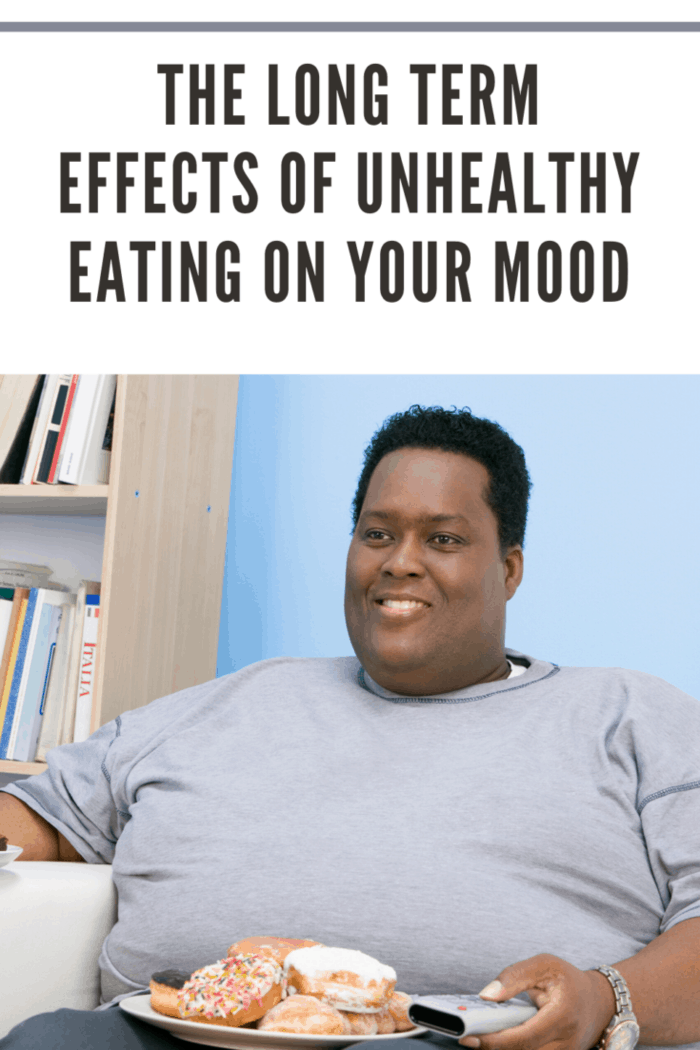
The Effects of Unhealthy Eating Habits on Mood
The connection between food and mood is not just “I feel happier when there are fries.” Although, respectfully, fries do have their moments.
When you are not eating well, you may not feel well. You may feel more tired, irritable, anxious, or emotionally drained. If your meals are built mostly around sugar, caffeine, refined snacks, and convenience foods, your energy may rise and fall quickly throughout the day. Those dips can affect patience, focus, and how you respond to everyday stress.
There is also the confidence piece. If unhealthy eating habits lead to weight gain or make you feel uncomfortable in your body, you may start pulling away from things you normally enjoy. You may not feel like going out, seeing people, taking photos, or showing up fully in your own life.
Healthy eating will not magically solve every hard day, but nourishing your body can give you a stronger foundation. And sometimes, a stronger foundation is exactly what helps you handle the chaos without becoming the chaos.
Depression Risks and Emotional Wellness
Unhealthy eating habits can affect emotional wellness in several ways. When you feel physically sluggish, uncomfortable, or low on energy, it can become harder to stay active, connect with others, and keep up with routines that support your mental health.
Weight struggles can also affect self-esteem. You may feel insecure, avoid social plans, or step back from opportunities that once excited you. That ripple effect matters because health is not just about what is happening inside your body. It is also about how you feel moving through your day.
If your mood feels persistently low, anxious, or overwhelming, it is important to talk with a qualified healthcare professional. Food can be part of a wellness routine, but it is not a replacement for medical care, mental health support, or treatment when needed.
Social Consequences of Unhealthy Eating
The effects of unhealthy eating habits can show up in your relationships, too. Not because one cookie ruins a friendship—thank goodness—but because how you feel physically can influence how you show up socially.
If you feel tired, uncomfortable, self-conscious, or moody, you may start declining invitations, avoiding family activities, or choosing the couch over connection. You may withdraw from friends, avoid intimacy, or feel less confident at work and in social spaces.
Feeling better inside your body can make it easier to participate in your life. That does not mean chasing perfection. It means giving yourself the kind of care that helps you feel more energetic, confident, and present.
How to Start Changing Unhealthy Eating Habits
The best way to improve unhealthy eating habits is to start small enough that you will actually keep going. A giant all-or-nothing plan may feel motivating for exactly six minutes, but real life usually needs something more flexible.
Step 1: Notice Your Current Patterns
Before changing everything, pay attention. Are you skipping breakfast and overeating at night? Drinking most of your calories? Snacking when stressed? Forgetting protein at meals? Ordering takeout because there is no plan?
You are not collecting evidence for a guilt trial. You are looking for the easiest place to begin.
Step 2: Add Before You Subtract
Instead of focusing only on what to remove, ask what you can add. Add water. Add a fruit. Add a vegetable. Add protein. Add one planned meal. Add a better snack. Adding nourishing foods naturally leaves less room for the choices that do not serve you well.
Step 3: Make Healthy Food Easier to Choose
Wash fruit when you bring it home. Keep nuts, yogurt, boiled eggs, or cut vegetables ready. Put healthier snacks where you can see them. Move the “danger snacks” somewhere less convenient. Yes, sometimes wellness is just making the cookie work harder to find you.
Step 4: Plan One Meal at a Time
You do not need a laminated meal plan with color-coded tabs. Start with one meal. Plan three easy dinners. Prep one breakfast. Pack one lunch. The goal is progress you can repeat.
Step 5: Keep Favorite Foods in the Picture
A healthy routine that bans every food you love is probably not going to last. Balance works better than punishment. Enjoy the treat, then return to your normal routine at the next meal.
Expert Tips for Better Eating Habits
- Build meals around protein and fiber. This combination helps meals feel more satisfying.
- Do not let yourself get too hungry. Extreme hunger makes every choice feel urgent and usually snack-shaped.
- Keep quick healthy options available. Frozen vegetables, canned beans, yogurt, eggs, oats, and pre-washed greens can save a busy weeknight.
- Watch liquid calories. Sugary drinks can add up quickly without making you feel full.
- Use meal planning as a stress reducer. A loose plan is better than no plan when the dinner hour hits.
- Focus on consistency, not perfection. One less-than-perfect meal does not erase your progress.
Creative Ideas for Making Healthy Eating More Realistic
Healthy eating gets easier when it fits your actual life—not the imaginary life where everyone has endless time, a spotless kitchen, and children who cheer for steamed broccoli.
Try a “Better Bowl” Night
Set out rice, greens, beans, chicken, roasted vegetables, salsa, avocado, or whatever you have. Everyone builds their own bowl. It feels customizable, but it still gets a balanced meal on the table.
Upgrade Snacks Without Making Them Boring
Try apple slices with peanut butter, Greek yogurt with berries, popcorn with a sprinkle of seasoning, veggies with hummus, or a small handful of nuts with fruit.
Make Convenience Work for You
Bagged salad, frozen vegetables, rotisserie chicken, canned beans, pre-cut fruit, and microwave rice are not cheating. They are tools. Use them shamelessly.
Create a Healthier Family Challenge
Choose one small goal for the week: drink more water, eat one fruit a day, cook at home three nights, or try one new vegetable. Keep it light, fun, and pressure-free.
Simple Serving Suggestions for a Healthier Day
Healthy eating is not just about individual foods. It is about how you build your day. Here are easy ways to make meals more balanced without turning your kitchen into a science lab.
- Breakfast: Oatmeal with fruit and nuts, eggs with whole grain toast, or Greek yogurt with berries.
- Lunch: A turkey wrap with vegetables, soup with a side salad, or leftovers with extra veggies.
- Snack: Fruit with nut butter, cheese and whole grain crackers, yogurt, almonds, or hummus with vegetables.
- Dinner: Lean protein, a vegetable, and a fiber-rich carbohydrate like beans, brown rice, potatoes, or whole grain pasta.
- Dessert: Enjoy it when you want it, but serve it intentionally instead of grazing straight from the package like the pantry owes you money.
If you want more lighter meal inspiration, cozy soups can be a helpful bridge between comfort food and healthy eating. This sausage and pasta soup recipe includes vegetable-forward ideas and lighter soup inspiration that can fit beautifully into a wellness-focused meal plan.
FAQs About the Effects of Unhealthy Eating Habits
What are the main effects of unhealthy eating habits?
The main effects of unhealthy eating habits can include weight gain, low energy, poor nutrition, mood changes, increased cravings, lower confidence, and a greater risk of long-term health concerns. Poor eating patterns may also affect your social life, productivity, and daily motivation.
Can unhealthy eating habits affect your mood?
Yes. Poor nutrition can contribute to feeling tired, sluggish, irritable, or unfocused. When your body is not getting consistent fuel from balanced meals, your mood and energy may feel less stable throughout the day.
How does unhealthy eating affect energy levels?
Unhealthy eating can lead to quick energy spikes followed by crashes, especially when meals rely heavily on sugar, refined carbohydrates, and low-nutrient snacks. Balanced meals with protein, fiber, and fresh foods can help support steadier energy.
Do I have to give up all my favorite foods to eat healthier?
No. Healthy eating works best when it is realistic. You can still enjoy favorite foods while building more balanced habits around them. The goal is not perfection; it is consistency.
What is the easiest way to start eating healthier?
Start with one small change. Drink more water, add a vegetable to dinner, include protein at breakfast, plan a few meals ahead, or swap one sugary drink for water. Small changes are easier to repeat, and repeated changes become habits.
How can families improve unhealthy eating habits together?
Families can start by meal planning, keeping healthier snacks visible, cooking simple meals at home, involving kids in grocery choices, and making small weekly goals. The key is to make healthy eating feel approachable instead of restrictive.
More Health & Wellness Reads to Keep You Feeling Your Best
If you are working on building better habits one small choice at a time, keep exploring the Health & Wellness hub. It is packed with practical ideas for family wellness, healthier routines, and everyday lifestyle changes that feel doable instead of overwhelming.
- Create a weekly meal plan for your family to make healthier meals easier on busy nights.
- Help your family adopt healthier eating habits with realistic changes that do not feel restrictive.
- Browse more Health & Wellness tips for simple ways to support your body, mind, and family routines.
Final Thoughts: Small Healthy Choices Add Up
The effects of unhealthy eating habits can reach into your body, mood, energy, confidence, and relationships. But this is not a doom-and-gloom lecture from the broccoli police. It is a reminder that small choices matter—and they do not have to be dramatic to be powerful.
You do not need to become a brand-new person overnight. Start with one meal, one snack, one glass of water, one walk, one grocery list, or one realistic plan for the week ahead. Those tiny shifts can help you feel more energized, more confident, and more in control of your day.
For more practical wellness ideas, healthy habit inspiration, and family-friendly tips, visit the Health & Wellness category hub. It is your starting point for feeling better without making life more complicated than it already is.
This article is for informational purposes only and is not intended as medical advice. Always talk with a qualified healthcare professional about your personal nutrition, mental health, or medical concerns.
This article was originally published March 30, 2020, and updated May 25, 2026, with improved instructions, updates, and new photos.