
Laundry Lab: Which Laundry Detergent Works Best?
This laundry detergent science fair project tests Tide, Gain, and Ultra Laundry Detergent on coffee, ketchup, and lip gloss stains to see which laundry detergent works best in a simple, kid-friendly stain test.
It is an easy hands-on project for students, homeschool science, classroom experiments, or curious kids who want real laundry detergent test results they can see, compare, and explain.
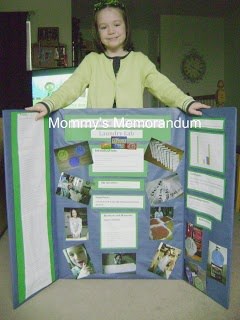
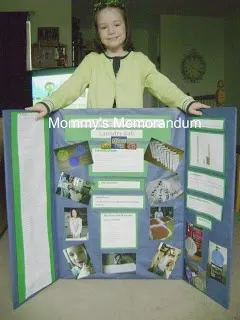
Readers Also Make
If you are already in laundry experiment mode, these helpful home-cleaning posts pair naturally with this project:
Laundry Detergent Science Fair Project: Which Laundry Detergent Works Best?
This laundry detergent science experiment answers one big question: which laundry detergent works best on common stains? For this project, The Divine Miss M tested three detergents against three different kinds of stains: coffee, ketchup, and lip gloss.
The project works because it keeps the test simple. Each detergent is tested on the same types of fabric, the same stains, the same soaking time, the same washing cycle, and the same drying time. That makes it easier to compare the results fairly.
This is a good science fair project because it feels real. Kids see laundry happen at home, they know stains are part of life, and the results are visual enough for a science board. It also gives students a chance to talk about stain types, variables, observations, and test results without needing a complicated lab setup.
Why You’ll Love This Laundry Detergent Science Experiment
- It answers a real-life question: what laundry detergent works best?
- It uses easy household supplies: detergent, handkerchiefs, ketchup, coffee, and lip gloss.
- It is visual: students can show before-and-after stain results on a science fair board.
- It teaches variables: each detergent is tested under the same conditions.
- It feels personal: this project came from a real question asked during family laundry time.
The Big Question
Which laundry detergent works best: Tide, Gain, or Ultra Laundry Detergent?
Hypothesis
The Divine Miss M predicted that Ultra Laundry Detergent would work the best.
How Laundry Detergent Works
Laundry detergent helps lift dirt, oils, and stains away from fabric so water can rinse them away. Different detergents may perform differently depending on the kind of stain. That is why this experiment uses three stain types:
- Coffee: a bleachable stain
- Ketchup: a carbohydrate-based stain
- Lip gloss: an oil-based stain
Testing different stain types makes the laundry lab more useful than testing just one messy spot. A detergent that works well on ketchup may not work as well on oil, and that is exactly the kind of thing a good science experiment can show.
Ingredients and Supplies
- Tide detergent
- Gain detergent
- Ultra Laundry Detergent
- Ketchup for a carbohydrate stain
- Lip gloss for an oil stain
- Coffee for a bleachable stain
- 10 white cotton handkerchiefs
- 1/2 cup measuring cup for coffee
- 1/8 cup measuring cup for ketchup
- Washing machine
- Dryer
- Permanent marker or labels
- Three glasses or cups for soaking coffee stains
- Science chart or graph for voting results
- At least three people to judge which fabric looks cleanest
How to Do a Laundry Detergent Science Fair Project
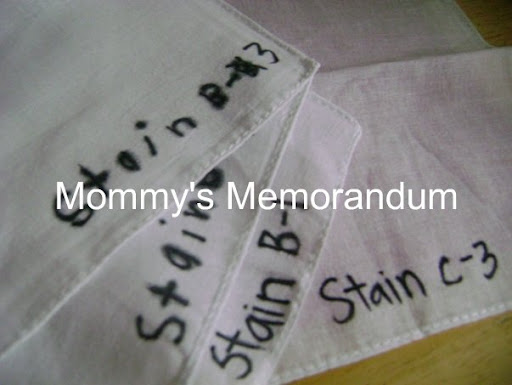
Step 1: Label the Handkerchiefs
Label the handkerchiefs so each stain and detergent can be tracked clearly.
- A-1, A-2, A-3 for coffee stains
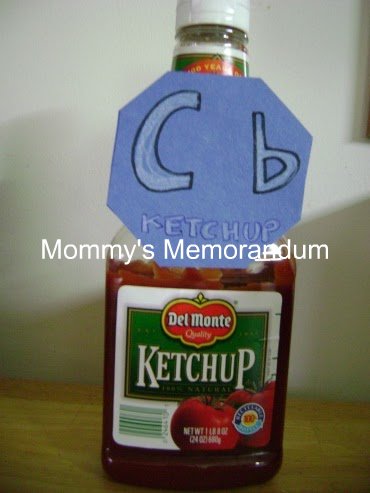
- B-1, B-2, B-3 for ketchup stains
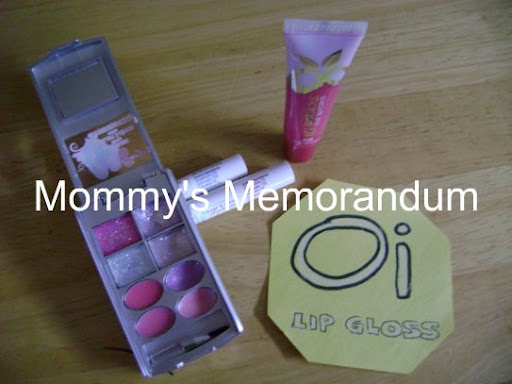
- C-1, C-2, C-3 for lip gloss stains
Step 2: Assign the Stain Types
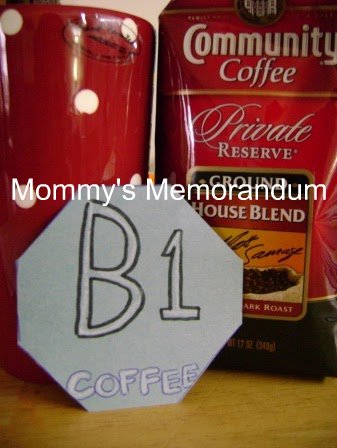
Each letter group gets a different stain:
- A = Coffee for a bleachable stain
- B = Ketchup for a carbohydrate stain
- C = Lip gloss for an oil stain
Step 3: Label the Laundry Detergents
To keep the judging fair, label the detergents by number:
- Gain = 1
- Tide = 2
- Ultra Laundry Detergent = 3
Step 4: Make the Coffee Stains
Place one A handkerchief in each glass. Pour 1/2 cup of hot brewed coffee into each glass. Use a spoon to push the handkerchief fully into the coffee. Let each one soak for five minutes, then remove and wring out the fabric.
Step 5: Make the Ketchup Stains
Spread out the three B handkerchiefs. Measure 1/8 cup of ketchup onto each one and spread it over the fabric. Let the ketchup sit for five minutes.
Step 6: Make the Lip Gloss Stains
Apply lip gloss and press it onto each C handkerchief the same number of times. In this project, each lip gloss stain was made with 10 kisses so the oil stains would be as even as possible.
Step 7: Wash Each Detergent Group Separately
Wash each detergent group separately so the detergents do not mix.
- Wash A-1, B-1, and C-1 with Detergent #1.
- Wash A-2, B-2, and C-2 with Detergent #2.
- Wash A-3, B-3, and C-3 with Detergent #3.
For each load, measure 1/3 cup of detergent, use a five-minute soak cycle, then wash on the heavy-duty cycle with cold water. Dry each group for 30 minutes.
Step 8: Compare the Laundry Detergent Test Results
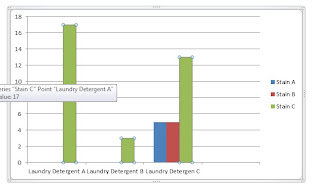
After the handkerchiefs are dry, make a grid with stains across the top and detergents down the side. Ask at least three people to look at the handkerchiefs and choose which one looks the cleanest for each stain group.
Record each vote with a tick mark. The detergent with the most tick marks is the detergent that worked best in this experiment.
Laundry Detergent Test Results
The results showed that Ultra Laundry Detergent worked better than Tide or Gain in this laundry lab.
The original hypothesis was correct: Ultra Laundry Detergent received the most votes for making the stained handkerchiefs look the cleanest.
Conclusion
This laundry detergent science fair project found that Ultra Laundry Detergent worked best on the tested stains. The test compared three detergents on coffee, ketchup, and lip gloss using the same wash method for each group.
One thing The Divine Miss M still wondered was whether the results would be the same if liquid laundry detergent were tested instead of the detergents used in this project. That question could turn this project into a second experiment.
Perfect With a Laundry Room Reset
This project is especially handy during back-to-school season, science fair season, spring cleaning, or any time your laundry room starts looking like the family lost a mud-wrestling tournament.
If this experiment has you thinking about the rest of the laundry routine, pair it with Cleaning Your Washing Machine with Vinegar and Baking Soda, then try DIY Homemade Fabric Softener for a simple laundry-day follow-up.
What Makes This a Good Science Fair Project?
This project works well for a science fair because it has a clear question, a simple hypothesis, measurable observations, and a result people can see. It also uses supplies many families already have at home.
Students can explain:
- What question they tested
- Which detergents they compared
- Which stains they used
- How they kept the washing process the same
- How they collected opinions for the cleanest fabric
- Which detergent worked best based on the votes
Variables for This Laundry Detergent Experiment
Independent Variable
The laundry detergent used: Tide, Gain, or Ultra Laundry Detergent.
Dependent Variable
How clean the stained handkerchief looked after washing and drying.
Controlled Variables
- Same type of fabric
- Same amount of stain when possible
- Same soaking time
- Same detergent measurement
- Same wash cycle
- Same water temperature
- Same drying time
Expert Tips for Better Laundry Detergent Test Results
- Use white cotton fabric. White fabric makes stains easier to see.
- Label everything first. Once the fabric is wet and stained, labels matter.
- Keep the stain amounts as even as possible. A fair test needs consistent staining.
- Wash each detergent group separately. Do not let detergents mix between loads.
- Take photos before and after washing. Photos make the science fair board stronger and more Pinterest-friendly.
- Use a voting chart. A simple tally system helps turn observations into results.
Troubleshooting the Laundry Lab
What if all the handkerchiefs look clean?
Use a stronger stain, let the stains sit longer, or take close-up photos before washing so you can compare more easily.
What if the stains are not even?
That happens in kid science projects. Note it in the observations and explain how you would improve the test next time.
What if one detergent has a strong smell?
Smell should not decide the winner unless fragrance is part of the experiment. For this test, judge stain removal only.
What if I only have liquid detergent?
You can still do the experiment. Just test three liquid detergents and measure each one according to the same amount or label directions.
Variations and Creative Ideas
- Test liquid laundry detergents instead of powder detergents.
- Compare homemade laundry detergent with store-bought detergent.
- Test warm water versus cold water.
- Try different stains such as grass, chocolate syrup, mustard, or washable marker.
- Compare detergent alone versus detergent plus stain remover.
- Test whether soaking makes a difference.
If you want to expand the laundry theme, try this Homemade Laundry Detergent Recipe or compare stain pretreating with this Homemade Stain Remover.
Science Fair Board Ideas
For a clean, easy-to-read board, include these sections:
- Title: Which Laundry Detergent Works Best?
- Big Question
- Hypothesis
- Materials
- Procedure
- Variables
- Photos of each stain type
- Before-and-after photos
- Results chart
- Conclusion
A few bright photos of the stained fabric, detergent bottles, and final results can make the board more eye-catching without making it cluttered.
Acknowledgments
Thank you, Mom, for helping type the science project and helping with the board.
Thank you to the teacher and class for helping reach a conclusion by voting on which handkerchief was the cleanest.
Thank you to Li’l Man for helping make the ketchup stains.
More DIY Cleaning and Science Ideas
For more practical homemade cleaning ideas, visit the DIY Cleaning Recipes and Natural Home Cleaning Tips category. It is a helpful place to keep building your laundry, cleaning, and home reset routine.
You may also like:
- How to Make Dishwasher Detergent Cubes
- Homemade Floor Cleaner Recipes
- Citric Acid Powder Uses
- How to Make Borax Bouncy Balls
Laundry Detergent Science Fair Project FAQs
Which laundry detergent works best?
In this laundry detergent science fair project, Ultra Laundry Detergent worked best when tested against Tide and Gain on coffee, ketchup, and lip gloss stains.
What laundry detergent works best for a science fair project?
The best detergent for a science fair project is the one that removes the most visible staining under the same test conditions. In this project, Ultra Laundry Detergent had the best results.
How does laundry detergent work?
Laundry detergent helps loosen and lift dirt, oil, and stains from fabric so water can rinse them away. Different detergents may work better on different types of stains.
What stains should I use for a laundry detergent science experiment?
Coffee, ketchup, and lip gloss are useful choices because they represent different stain types: bleachable, carbohydrate-based, and oil-based stains.
How do you make a laundry detergent science fair project fair?
Use the same fabric, stain amounts, soaking time, detergent amount, wash cycle, water temperature, and drying time for each detergent group.
Can I test liquid laundry detergent instead?
Yes. You can test liquid laundry detergents the same way. Use equal amounts, wash each group separately, and compare the results after drying.
What should I put on my laundry detergent science fair board?
Include the question, hypothesis, materials, method, variables, stain photos, results chart, and conclusion. Before-and-after photos make the board easier to understand.
Final Thoughts
This laundry lab started with one simple question from The Divine Miss M: which laundry detergent works best? That is what makes this project so charming. It is not fancy science hiding behind big words. It is everyday family life, a few stained handkerchiefs, a washing machine, and a kid who wanted to know if Mom’s favorite detergent really deserved the crown.
In this test, Ultra Laundry Detergent came out on top. But the best part is that the project leaves room for more questions. Would liquid detergent change the results? Would warm water work better than cold? Would a homemade detergent hold its own? That curiosity is exactly what a science fair project should spark.