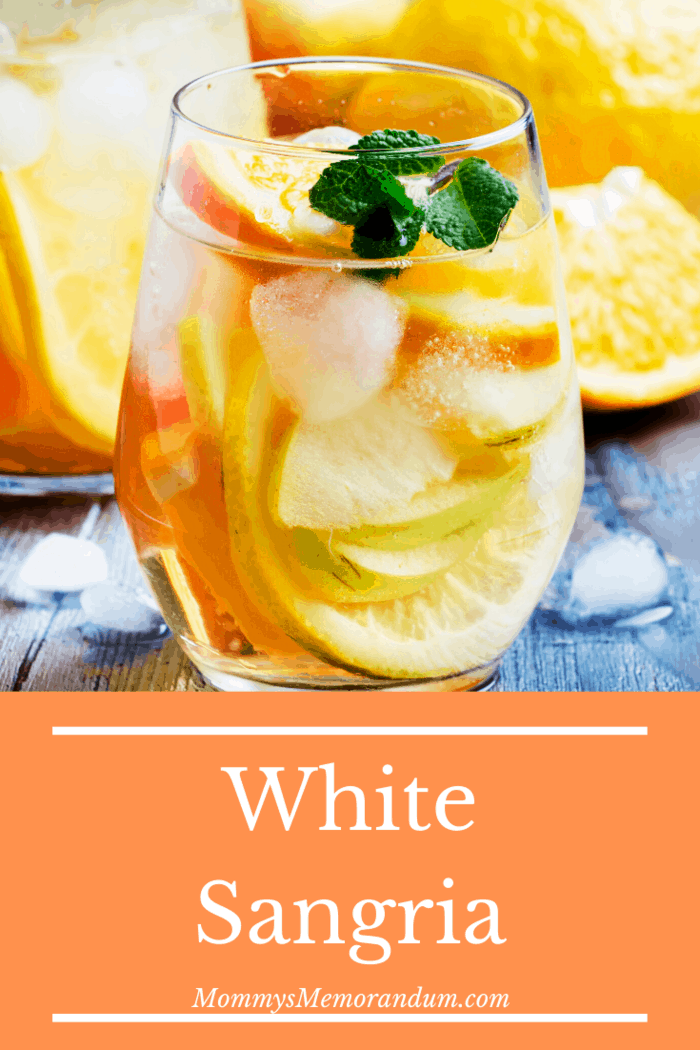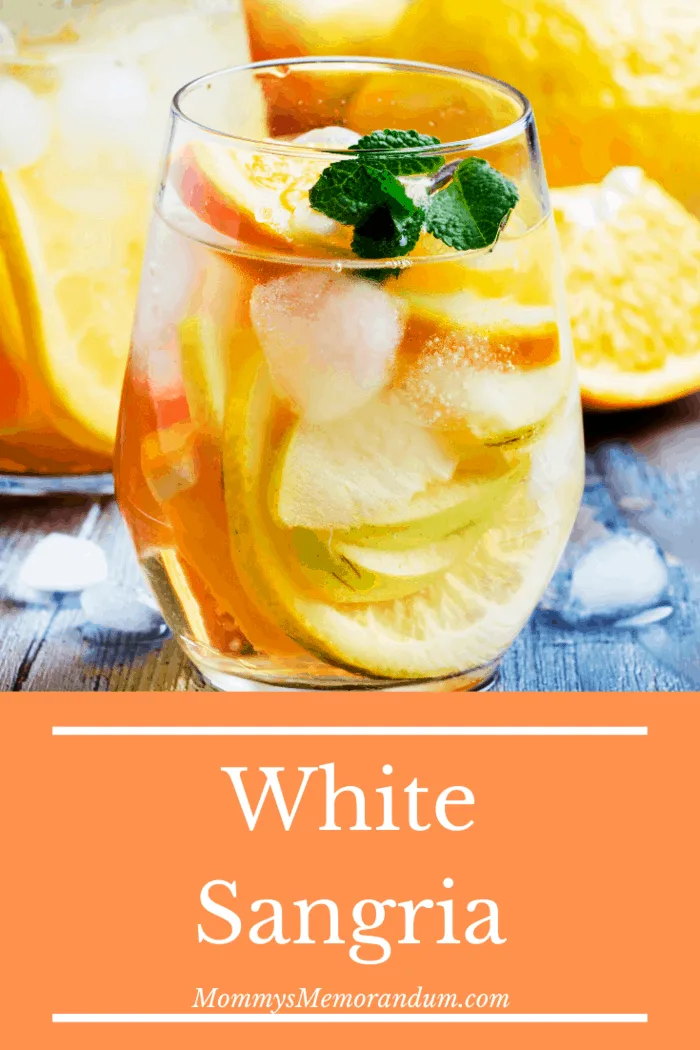
This Spanish white sangria recipe combines crisp white wine, Cointreau, citrus, melon, apples, grapes, and warm spices in one refreshing make-ahead pitcher. The fruit has time to soak up the wine and orange liqueur, while a splash of lemon-lime soda added just before serving keeps every glass light and bubbly.
Plan on about 25 minutes of hands-on preparation, followed by an overnight chill. It is an easy party drink for summer dinners, showers, celebrations, or a relaxed evening with friends.
Hands-on time: 25 minutes | Infusing time: 24 hours | Yield: About 12 servings
There is a group of women I love. They are my heart’s sisters. Some of us have met face to face, while others remain on one another’s bucket lists.
This is the kind of recipe I imagine sharing around a long table with those women: glasses filled with colorful fruit, easy conversation, and an evening that lasts longer than planned.
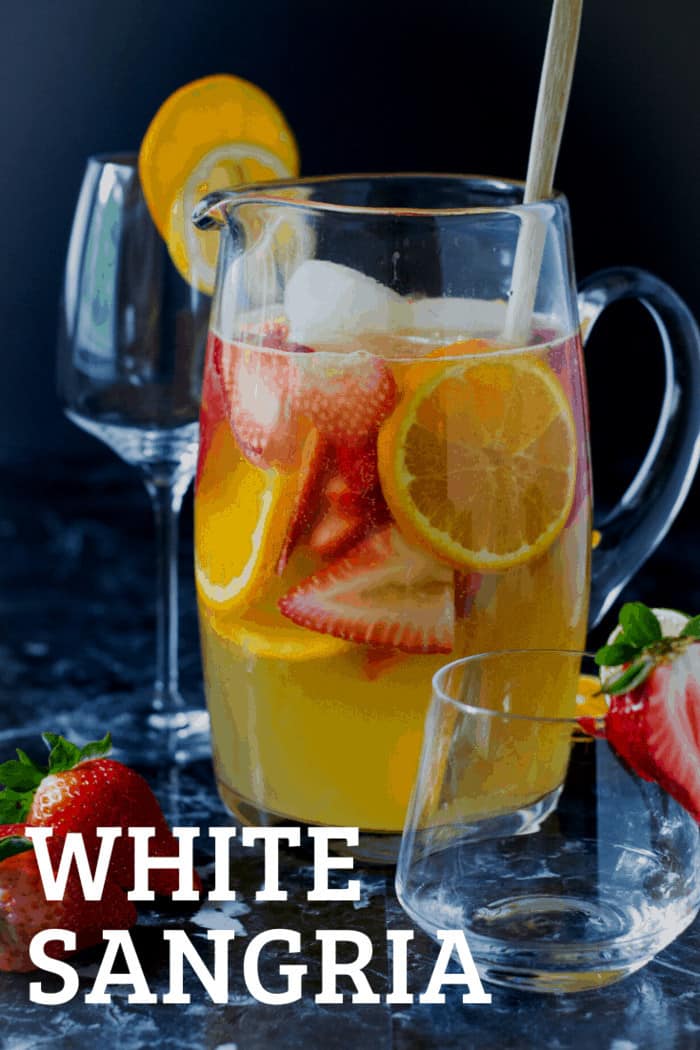
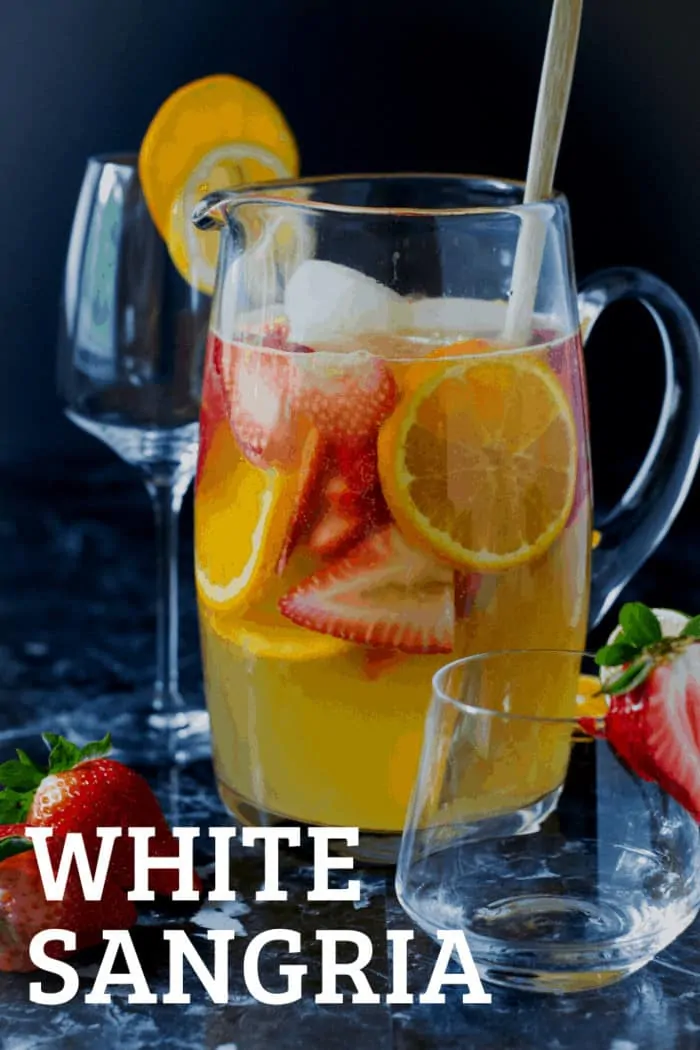
Why You’ll Love This Spanish White Sangria
- Made for entertaining: One batch makes approximately 12 servings.
- Prepared ahead: The sangria is best after chilling overnight.
- Loaded with fresh fruit: Citrus, melon, apples, kiwi, plums, and grapes add flavor and color.
- Easy to customize: Use Viura, Pinot Grigio, Riesling, Sauvignon Blanc, or another fruity white wine.
- Lightly sparkling: Lemon-lime soda is added just before serving so the bubbles stay lively.
How to Make Spanish White Sangria
Watch how this refreshing Spanish white sangria comes together with crisp white wine, Cointreau, fresh citrus, melon, apples, kiwi, plums, grapes, and warm spices. The video walks you through preparing the fruit, dissolving the sugar, infusing the wine, chilling the sangria overnight, and adding lemon-lime soda just before serving for a lightly sparkling finish.
Readers Also Make
What Is Spanish White Sangria?
White sangria is a chilled wine drink made with white wine, fresh fruit, and often a fruit-flavored liqueur. Some versions are finished with soda or sparkling water for a little fizz.
This recipe was originally shared by the Rioja winery Bodegas Franco-Españolas and prepared with its Royal White Viura. Viura is a natural choice for this sangria because it gives the drink a light, fruit-forward white-wine base without overpowering the citrus and fresh fruit.
Royal White may not be available everywhere, so the recipe also works with another crisp white Rioja, Pinot Grigio, dry Riesling, Sauvignon Blanc, or a lightly oaked Chardonnay.
The Best White Wine for Sangria
Choose a white wine that tastes fresh and fruity when you drink it on its own. An expensive bottle is not necessary, but the wine should still be one you enjoy.
Good choices include:
- White Rioja or Viura
- Pinot Grigio
- Dry or off-dry Riesling
- Sauvignon Blanc
- Lightly oaked Chardonnay
- Moscato for a noticeably sweeter sangria
Because the recipe also contains sugar, fruit, Cointreau, and soda, begin with a drier wine when possible. When using Moscato or another sweet wine, reduce the sugar to 1/4 cup and add more only after tasting.
Spanish White Sangria Ingredients
This fruit-filled white sangria makes approximately 12 servings. Gather and chill the wine, orange liqueur, and soda before preparing the recipe.
- 2 bottles (750 milliliters each) white wine: Use Franco-Españolas Royal White Viura, another white Rioja, Pinot Grigio, Sauvignon Blanc, dry Riesling, or another crisp white wine.
- 1/2 cup granulated sugar: Reduce this to 1/4 cup when using Moscato or another noticeably sweet wine.
- 2 lemons: Scrubbed and diced with the peel left on.
- 2 oranges: Scrubbed and diced with the peel left on.
- 1 small cantaloupe or honeydew melon: Peeled, seeded, and diced.
- 1 apple: Cored and diced.
- 2 kiwis: Peeled and diced.
- 2 plums: Pitted and diced.
- About 2 cups seedless green grapes: Removed from the stems.
- 2 cinnamon sticks: Used to gently infuse the wine.
- 2 whole cloves: Remove them before combining the sangria.
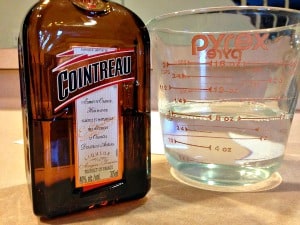
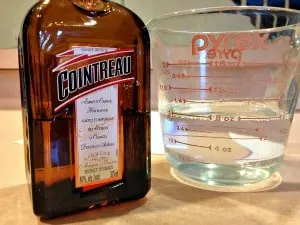
- 1 cup Cointreau: Another orange liqueur may be substituted.
- 1 can (12 ounces) lemon-lime soda: Chill it and add it immediately before serving.
- Ice: For filling the individual serving glasses.
- Additional diced fruit or fruit skewers: Optional, for garnishing the glasses.
- Fresh berries: Optional.
How to Make Spanish White Sangria
1. Prepare the fruit
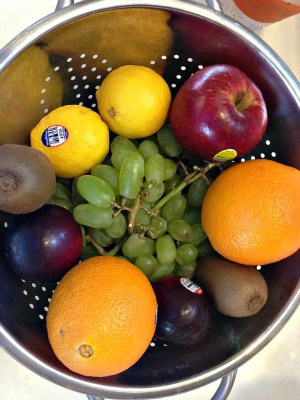
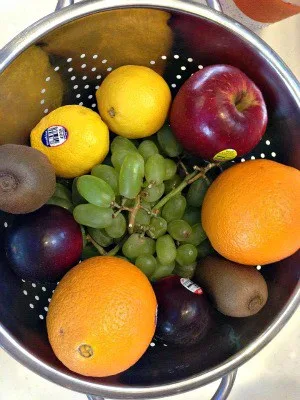
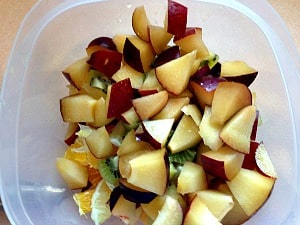
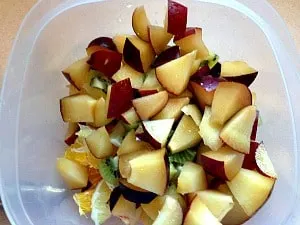
Wash and dry all the fruit thoroughly. Leave the peel on the lemons, oranges, apple, and plums. Peel the melon and kiwi. Remove seeds and cores as needed, and cut the fruit into small, bite-size pieces.
Reserve a small amount of the prettiest fruit for garnishing the glasses.
2. Dissolve the sugar in the wine
Pour one bottle of white wine into a large saucepan or pot. Add the sugar and warm the wine over low heat, stirring gently, just until the sugar dissolves.
Do not allow the wine to simmer or boil.
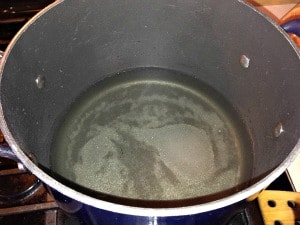
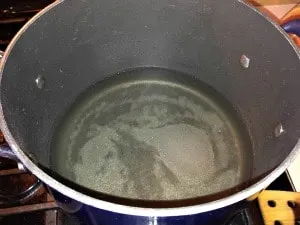
3. Infuse the spices
Remove the pot from the heat. Add the cinnamon sticks and whole cloves, cover, and allow the mixture to stand for 30 minutes.
Remove the cinnamon sticks and cloves after the wine has cooled and infused.
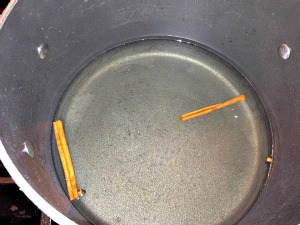
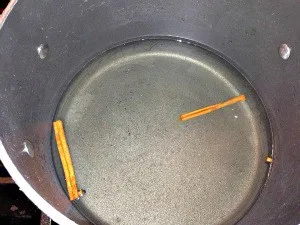
4. Combine the sangria
Transfer the infused wine to a large nonreactive bowl, pitcher, or beverage container. Add the second bottle of white wine, the prepared fruit, and the Cointreau.
Stir gently so the fruit stays intact.
5. Chill overnight
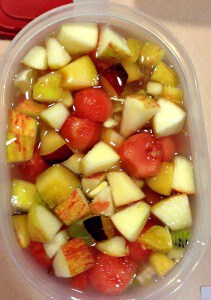
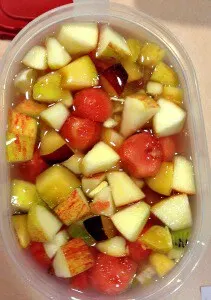
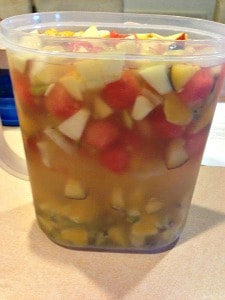
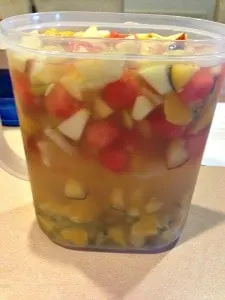
Cover the container and refrigerate the sangria for 24 hours. This resting time allows the citrus, fruit, wine, and orange liqueur to blend.
A four-hour chill will work when time is limited, but the flavor is best after an overnight rest.
6. Add the soda
Immediately before serving, pour in the chilled lemon-lime soda and stir gently. Do not add the soda before refrigerating or the sangria will lose its fizz.
7. Pour and garnish
Fill tall glasses halfway with fresh ice. Ladle or pour the sangria into each glass, making sure every serving receives some fruit.
Thread reserved fruit onto small skewers or cocktail picks and use them to garnish the glasses.
Expert Tips for Better White Sangria
- Chill the ingredients first. Cold wine, Cointreau, fruit, and soda help the sangria stay refreshing without excessive ice.
- Cut the fruit into small pieces. Bite-size pieces are easier to pour and eat from the glass.
- Do not boil the wine. Warm it only enough to dissolve the sugar.
- Add soda at the last minute. This preserves the carbonation.
- Put ice in the glasses. Ice placed directly in the serving container can water down the entire batch.
- Taste before serving. Fruit, wine, and soda vary in sweetness. Add extra soda or a squeeze of lemon when the finished sangria tastes too sweet.
Perfect With
White Sangria Variations
Make It Less Sweet
Use a dry white wine, reduce the sugar to 1/4 cup, and replace some or all of the lemon-lime soda with plain sparkling water.
Make It Sweeter
Use Moscato, an off-dry Riesling, or a semi-sweet white wine. Taste the wine mixture before adding additional sugar.
Add Berries
Strawberries, raspberries, blackberries, or blueberries can be added with the other fruit. Add delicate raspberries shortly before serving so they do not break apart during the overnight chill.
Change the Citrus
Replace one lemon with a lime or add a few thin slices of grapefruit for a slightly more tart sangria.
Use a Drier Finish
Replace the lemon-lime soda with chilled club soda, sparkling water, or a dry sparkling wine.
Make-Ahead and Storage Instructions
Make ahead: Prepare the wine, liqueur, spices, and fruit one day before serving. Refrigerate in a covered container and add the soda immediately before pouring.
Storage: Store leftover sangria covered in the refrigerator for up to two days. The fruit will become softer and the soda will gradually lose its carbonation.
For the best leftovers: Store the soda separately when you know the entire batch will not be served at once. Add a small splash to each glass as needed.
Freezing: Freezing the completed sangria is not recommended because the alcohol prevents it from freezing firmly and the fresh fruit becomes mushy after thawing.
Spanish White Sangria FAQ
Can white sangria be made the same day?
Yes. Allow it to chill for at least four hours so the fruit can flavor the wine. An eight- to 24-hour rest produces a more developed flavor.
What is the best fruit for white sangria?
Citrus, apples, melon, peaches, nectarines, plums, grapes, berries, and kiwi all work well. Use ripe, firm fruit that will hold its shape while soaking.
Should I peel the fruit?
Leave the peel on scrubbed citrus, apples, and plums for color and flavor. Peel kiwi, cantaloupe, honeydew, and any fruit with a thick or unpleasant rind.
Can I use Moscato?
Yes, but Moscato will create a sweeter sangria. Reduce the added sugar and taste the mixture before adding more.
Why is the soda added at the end?
Adding it immediately before serving keeps the sangria sparkling. Soda added the day before will become flat during refrigeration.
Can I make this without Cointreau?
Another orange liqueur may be substituted. For a lower-alcohol version, replace some or all of the Cointreau with orange juice, although the drink will have a lighter orange flavor.
Related Posts
Spanish White Sangria Recipe
This festive pitcher is fruity, refreshing, and simple to prepare ahead. Use Royal White Viura when available or substitute another crisp white wine you already enjoy.
Spanish White Sangria Recipe
This refreshing Spanish white sangria recipe combines crisp white wine, Cointreau, citrus, melon, apples, kiwi, plums, grapes, and warm spices. Prepare it a day ahead, then add chilled lemon-lime soda just before serving for a fruity, lightly sparkling party drink.
Ingredients
- 2 bottles (750 milliliters each) Franco-Españolas Royal White Viura, white Rioja, or another crisp white wine
- 1/2 cup granulated sugar
- 2 lemons, scrubbed and diced
- 2 oranges, scrubbed and diced
- 1 small cantaloupe or honeydew melon, peeled, seeded, and diced
- 1 apple, cored and diced
- 2 kiwis, peeled and diced
- 2 plums, pitted and diced
- 1 bunch seedless green grapes, about 2 cups, removed from the stems
- 2 cinnamon sticks
- 2 whole cloves
- 1 cup Cointreau or another orange liqueur
- 1 can (12 ounces) lemon-lime soda, chilled
- Ice, for serving
- Additional diced fruit or fruit skewers, for garnish
- Fresh berries, optional
Instructions
1. Wash and thoroughly dry all the fruit. Leave the peel on the lemons, oranges, apple, and plums. Peel the melon and kiwis. Remove the seeds, pits, and cores as needed.
2. Dice the fruit into small, bite-size pieces. Reserve some of the prettiest pieces for garnishing the glasses.
3. Pour one bottle of white wine into a large saucepan or pot. Add the sugar and warm the mixture over low heat, stirring gently, just until the sugar dissolves. Do not allow the wine to simmer or boil.
4. Remove the pan from the heat. Add the cinnamon sticks and whole cloves. Cover and allow the wine to infuse and cool for 30 minutes.
5. Remove and discard the cinnamon sticks and cloves.
6. Transfer the infused wine to a large nonreactive pitcher, bowl, or beverage container.
7. Add the second bottle of white wine, the diced fruit, and the Cointreau. Stir gently so the fruit remains intact.
8. Cover the container and refrigerate the sangria for 24 hours so the fruit, citrus, wine, and orange liqueur can blend.
9. Immediately before serving, pour in the chilled lemon-lime soda and stir gently.
10. Fill tall glasses halfway with fresh ice. Pour the sangria into the glasses, making sure each serving contains some fruit.
11. Garnish each glass with reserved diced fruit or a small fruit skewer. Serve immediately.
Notes
Equipment
- Large saucepan or pot: Used to warm one bottle of wine and dissolve the sugar.
- Wooden spoon or silicone spoon: For gently stirring the wine and fruit.
- Cutting board: Provides a safe surface for preparing the fruit.
- Sharp knife: Makes it easier to cut the fruit into small, uniform pieces.
- Vegetable brush: Useful for thoroughly scrubbing the citrus and other unpeeled fruit.
- Large nonreactive pitcher, bowl, or beverage container with a lid: Holds the sangria while it infuses in the refrigerator.
- Measuring cups: For measuring the sugar and Cointreau.
- Ladle: Makes it easier to divide the sangria and fruit among the glasses.
- Tall serving glasses: Allow room for ice, sangria, and fruit.
- Cocktail picks or small skewers: Optional, for making fruit garnishes.
Ingredient Notes
White wine: Franco-Españolas Royal White Viura or another crisp white Rioja is ideal. Pinot Grigio, Sauvignon Blanc, dry Riesling, or a lightly oaked Chardonnay may also be used.
Sugar: The amount may be adjusted according to the sweetness of the wine. When using Moscato or another sweet wine, begin with 1/4 cup sugar and add more only after tasting.
Fruit: Use ripe but firm fruit that will hold its shape during the overnight infusion. Leave the peel on scrubbed citrus, apples, and plums, but remove thick rinds and kiwi peel.
Cointreau: Cointreau adds a concentrated orange flavor. Another orange liqueur may be substituted.
Lemon-lime soda: Chill the soda before adding it. Club soda or sparkling water may be used for a less-sweet version.
Expert Tips
- Warm the wine only until the sugar dissolves. Do not simmer or boil it.
- Cut the fruit into small pieces that will pour easily and fit comfortably in each glass.
- Chill the wine, fruit, orange liqueur, and soda before assembling the sangria.
- Remove the cinnamon sticks and cloves after the 30-minute infusion so the spices do not overpower the fruit.
- Add the lemon-lime soda immediately before serving to preserve its carbonation.
- Place ice in individual glasses instead of the pitcher so the entire batch does not become diluted.
- Taste the chilled sangria before serving and adjust the sweetness or acidity as needed.
Troubleshooting
The sangria is too sweet: Add chilled sparkling water, club soda, dry white wine, or a squeeze of fresh lemon juice.
The sangria is too tart: Stir in a small amount of simple syrup or additional lemon-lime soda.
The spice flavor is too strong: Remove the cinnamon and cloves sooner, then dilute the mixture with additional chilled white wine.
The flavor seems weak: Allow the fruit and wine to chill longer before serving. The flavor develops as the sangria rests.
The sangria has lost its fizz: Add a fresh splash of chilled lemon-lime soda or sparkling water to each glass.
Variations and Creative Ideas
- Add strawberries, blueberries, blackberries, or raspberries. Add delicate raspberries shortly before serving so they do not break apart.
- Replace one lemon with a lime for a slightly more tart citrus flavor.
- Add sliced peaches or nectarines when they are in season.
- Replace the lemon-lime soda with club soda or sparkling water for a drier sangria.
- Use a dry sparkling wine instead of soda for a more celebratory finish.
- Use Moscato or off-dry Riesling for a sweeter version, reducing the added sugar as needed.
Serving Suggestions
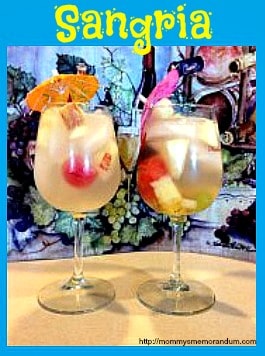
Serve the white sangria thoroughly chilled in tall glasses filled halfway with fresh ice. Include a spoonful of fruit in every serving and garnish each glass with a small fruit skewer.
This make-ahead cocktail is well suited to summer dinners, bridal showers, brunches, cookouts, and relaxed evenings with friends. It can also be served alongside Peachy Punch Sangria when offering guests more than one pitcher drink.
Storage
Store leftover white sangria in a covered container in the refrigerator for up to 2 days. The fruit will become softer and the soda will gradually lose its carbonation.
For better leftovers, add the soda only to the portion being served and keep the remaining soda separate.
Freezing
Freezing the completed sangria is not recommended. The alcohol prevents it from freezing firmly, and the fresh fruit becomes soft after thawing.
Reheating
This recipe is intended to be served chilled and should not be reheated.
Make Ahead
Combine the wine, dissolved sugar, spices, Cointreau, and fruit up to 24 hours before serving. Cover and refrigerate the mixture. Add the chilled lemon-lime soda immediately before pouring the sangria.
When time is limited, the sangria may be served after chilling for at least 4 hours, although an overnight rest produces a more developed fruit flavor.
More Recipes to Try
Make the wine celebration last a little longer with this Franco-Españolas Red Sangria Recipe. For a creative way to preserve similar flavors, try this homemade Sangria Jelly Recipe. Another fruity pitcher option is this easy Peachy Punch Sangria Recipe.
Nutrition Disclaimer
Nutrition information will vary according to the wine, orange liqueur, soda, fruit, serving size, and amount of fruit consumed. Any calculated nutrition information should be considered an estimate.
Nutrition Information:
Yield:
6Serving Size:
1 glassAmount Per Serving: Calories: 410Total Fat: 1gSaturated Fat: 0gTrans Fat: 0gUnsaturated Fat: 0gCholesterol: 0mgSodium: 20mgCarbohydrates: 62gFiber: 5gSugar: 50gProtein: 2g
Nutritional Information
Next Recipe to Try
For a deeper fruit-and-wine flavor, make this Franco-Españolas Red Sangria Recipe next.