
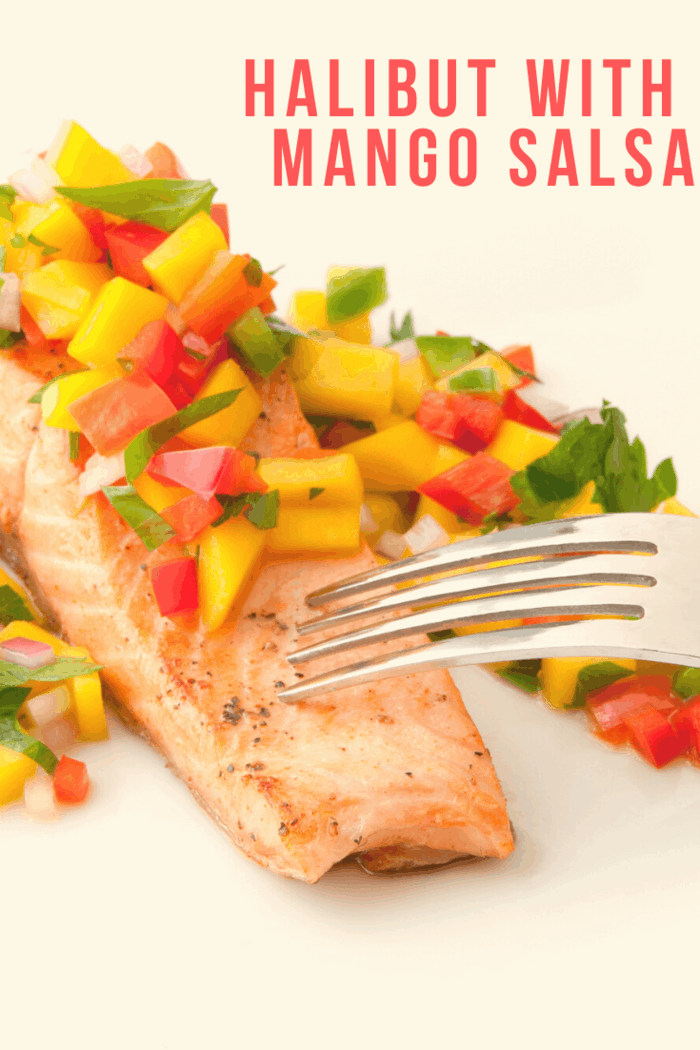
Hook, line, and salsa. This Grilled Halibut with Fresh Mango Salsa pairs tender, flaky white fish with a bright topping made from ripe mango, tomato, lime, cilantro, onion, and garlic.
Grill the halibut for a lightly smoky summer dinner, make pan-seared halibut with mango salsa when you need a quick stovetop option, or bake the fillets for an easy hands-off meal. However you cook it, the fresh mango salsa brings sweetness, acidity, color, and just enough crunch to wake up the mild fish.
The salsa can be prepared first, and the halibut cooks in about 8 to 10 minutes, making this an easy seafood dinner that still feels restaurant-worthy.

Why You’ll Love This Halibut with Mango Salsa
- Fresh and flavorful: Mango, lime, cilantro, tomato, onion, and garlic give the fish a bright tropical finish.
- Quick to prepare: The salsa comes together while the grill, skillet, or oven heats.
- Three cooking options: Grill, pan-sear, or bake the halibut depending on the weather and your kitchen setup.
- Simple ingredients: The mild fish only needs olive oil, salt, and pepper because the salsa supplies the big flavor.
- Easy to dress up: It works for a weeknight dinner, summer cookout, seafood night, or casual entertaining.
See How to Make Halibut with Fresh Mango Salsa
Watch how this fresh and colorful halibut dinner comes together, from mixing the sweet-tangy mango salsa to preparing the fish. The video also shows three easy ways to cook the halibut—grilled, pan-seared, or baked—so you can choose the method that works best for your kitchen.
Readers Also Make
Ingredients for Grilled Halibut with Mango Salsa
Use ripe but firm mango so the fruit is sweet without becoming mushy. Fresh lime juice and cilantro give the salsa its brightest flavor.
For the Fresh Mango Salsa
- 2 cups plum tomatoes, seeded and diced
- 1 1/2 cups peeled and diced ripe mango
- 1/2 cup diced onion
- 1/2 cup chopped fresh cilantro
- 2 tablespoons fresh lime juice
- 1 tablespoon cider vinegar
- 1 teaspoon sugar
- 1/2 teaspoon salt
- 1/2 teaspoon black pepper
- 2 cloves garlic, minced
For the Halibut
- 4 halibut fillets, about 6 ounces each
- 1 tablespoon olive oil
- 1/2 teaspoon salt
- 1/2 teaspoon black pepper
How to Make Halibut with Mango Salsa
1. Make the Fresh Mango Salsa
Combine the diced tomatoes, mango, onion, cilantro, lime juice, cider vinegar, sugar, salt, black pepper, and garlic in a medium mixing bowl.
Stir gently until everything is evenly combined. Set the salsa aside while you prepare the fish so the flavors have time to mingle.
2. Prepare the Halibut
Pat the halibut fillets dry with paper towels. Brush both sides lightly with olive oil, then season with salt and black pepper.
Choose one of the cooking methods below based on your equipment and the kind of finish you want.
Option 1: Grilled Halibut with Mango Salsa
- Preheat the grill to medium-high heat.
- Clean and lightly oil the grill grates to help prevent sticking.
- Place the seasoned halibut directly on the grates. A grill-safe sheet of lightly greased foil may also be used for easier handling.
- Cook without moving the fish for 4 to 5 minutes.
- Turn carefully with a wide fish spatula and cook for another 4 to 5 minutes, depending on the thickness of the fillets.
- Remove the halibut when it is opaque, flakes easily, and reaches 145°F in the thickest portion.
- Spoon fresh mango salsa over each fillet immediately before serving.
Option 2: Pan-Seared Halibut with Mango Salsa
Pan-searing is ideal when you want a golden exterior without firing up the grill.
- Heat a large nonstick or well-seasoned skillet over medium-high heat.
- Add the seasoned halibut fillets to the hot skillet.
- Cook without disturbing them for 3 to 4 minutes, or until the underside is golden.
- Turn carefully and cook for another 3 to 4 minutes, depending on thickness.
- Remove the fish when it is opaque, flakes easily, and reaches 145°F.
- Serve immediately with mango salsa spooned over the top.
Option 3: Baked Halibut with Mango Salsa
- Preheat the oven to 400°F.
- Arrange the seasoned halibut fillets on a foil-lined baking sheet or in a lightly greased baking dish.
- Bake for 8 to 12 minutes, depending on the thickness of the fish.
- Remove the halibut when it is opaque, flakes easily, and reaches 145°F.
- Add the fresh mango salsa after baking so the topping remains cool, juicy, and colorful.

How to Know When Halibut Is Done
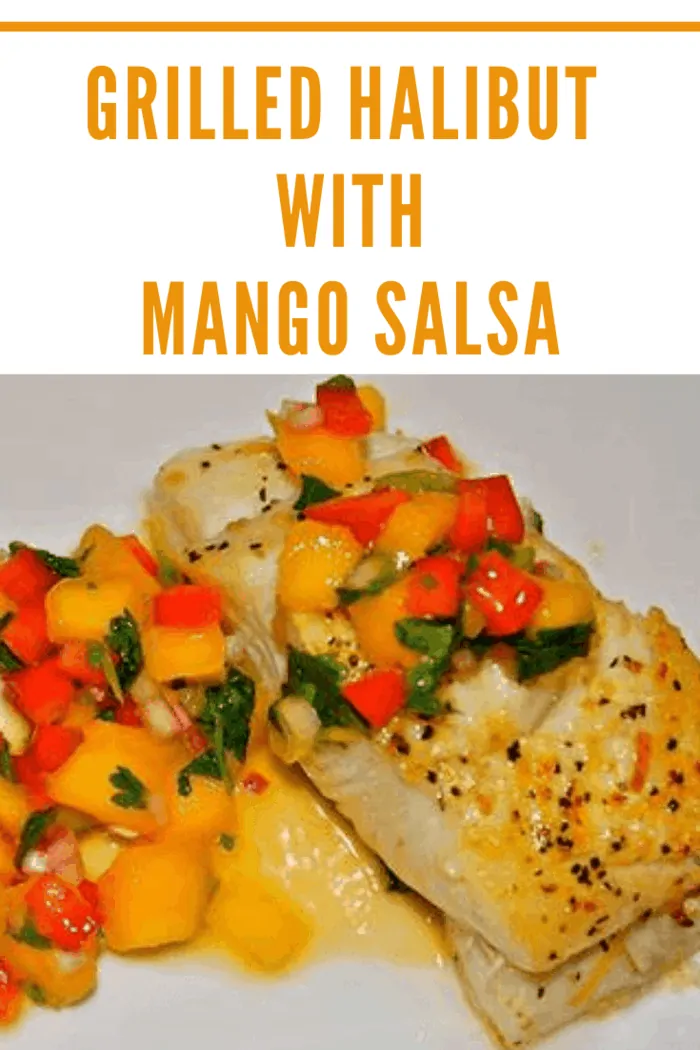
Properly cooked halibut should be opaque and should separate into moist flakes when gently tested with a fork. An instant-read thermometer inserted into the thickest portion should register 145°F.
Halibut is lean and can dry out when overcooked, so begin checking it near the earliest suggested cooking time. The exact time will depend on the thickness of the fillets and the cooking method.
Expert Tips for the Best Halibut and Mango Salsa
- Choose ripe but firm mango. It should give slightly when pressed but still hold its shape when diced.
- Pat the halibut dry. Removing surface moisture helps the fish brown and reduces sticking.
- Preheat the cooking surface. A properly heated grill or skillet helps create a better exterior.
- Use a wide spatula. Supporting most of the fillet makes it less likely to break when turned.
- Add the salsa after cooking. Heating the salsa would soften the fruit and dull its fresh flavor.
- Adjust the salsa before serving. Add another squeeze of lime or small pinch of salt if the mango needs more balance.
Troubleshooting
Why did my halibut stick to the grill?
The grates may not have been clean, hot, or sufficiently oiled. Pat the fish dry, oil the grates, and allow the halibut to cook undisturbed before attempting to turn it.
Why is my halibut dry?
Dry or chalky halibut is usually overcooked. Begin checking thinner fillets before the full cooking time has passed and use an instant-read thermometer for accuracy.
Why is my mango salsa watery?
Tomatoes and mango naturally release liquid as they sit. Seed the tomatoes, use firm mango, and stir the salsa shortly before serving. A slotted spoon can be used if excess liquid collects in the bowl.
Why did the fish break when I flipped it?
The fillet may have been turned too soon or handled with a narrow utensil. Wait until the fish releases more easily and turn it with a wide fish spatula.
Easy Variations
Make It Spicy
Add minced jalapeño, serrano pepper, crushed red pepper, or a dash of hot sauce to the mango salsa.
Add Avocado
Gently fold diced avocado into the salsa immediately before serving. Adding it at the last minute helps prevent browning and keeps the pieces intact.
Make Pineapple Mango Salsa
Replace part of the mango with diced pineapple, or use this Pineapple Mango Salsa recipe for an even more tropical topping.
Use Another Firm White Fish
Cod, mahi mahi, grouper, snapper, or another firm white fish may be substituted. Adjust the cooking time according to the thickness of the fillets.
Perfect with Grilled Halibut
- Corn on the Cob for a classic summer side
- Pomegranate Iced Tea for a colorful, refreshing drink
- Easy No-Bake Key Lime Pie for a cool citrus dessert
Coconut rice, cilantro-lime rice, quinoa, roasted potatoes, grilled vegetables, or a simple green salad would also work well.
Make-Ahead, Storage, and Reheating
Make Ahead
Prepare the mango salsa several hours before serving. Cover and refrigerate it, then stir gently before adding it to the fish.
For the best texture, season and cook the halibut shortly before the meal.
Storage
Store leftover halibut and mango salsa in separate airtight containers in the refrigerator. For the best quality, use the fish within two days.
Reheating
Reheat the halibut gently in a covered skillet or low oven just until warmed through. High heat can make the fish dry. Add the chilled or room-temperature salsa after reheating.
Frequently Asked Questions
Can I use frozen halibut?
Yes. Thaw the halibut completely in the refrigerator and pat it thoroughly dry before seasoning and cooking.
Can I use frozen mango?
Fresh mango provides the best texture, but thawed frozen mango can be used. Drain it well before combining it with the other salsa ingredients.
Can I make the mango salsa ahead of time?
Yes. It can be refrigerated for several hours. The fruit and tomatoes will release liquid as they sit, so stir before serving and use a slotted spoon if necessary.
Is this mango salsa spicy?
No. The original salsa is sweet, tangy, and fresh rather than spicy. Add jalapeño, serrano pepper, or hot sauce when you want some heat.
Can I pan-sear the halibut instead of grilling it?
Absolutely. Pan-seared halibut with mango salsa is a quick stovetop alternative. Cook the fillets for approximately 3 to 4 minutes per side, adjusting for thickness.
What can I substitute for halibut?
Try cod, mahi mahi, grouper, snapper, or another firm white fish. Cooking time will vary according to the fish and thickness of the fillets.
Related Posts
Grilled Halibut with Fresh Mango Salsa
Tender halibut fillets topped with a sweet and tangy fresh mango salsa. Grill the fish for a lightly smoky finish, or use the included pan-seared and baked options for an easy seafood dinner.
Ingredients
Fresh Mango Salsa
- 2 cups plum tomatoes, seeded and diced
- 1 1/2 cups peeled and diced ripe mango
- 1/2 cup diced onion
- 1/2 cup chopped fresh cilantro
- 2 tablespoons fresh lime juice
- 1 tablespoon cider vinegar
- 1 teaspoon sugar
- 1/2 teaspoon salt
- 1/2 teaspoon black pepper
- 2 cloves garlic, minced
Halibut
- 4 halibut fillets, about 6 ounces each
- 1 tablespoon olive oil
- 1/2 teaspoon salt
- 1/2 teaspoon black pepper
Instructions
Make the mango salsa. Combine the tomatoes, mango, onion, cilantro, lime juice, cider vinegar, sugar, salt, black pepper, and garlic in a medium mixing bowl. Stir gently until evenly combined.
Prepare the halibut. Pat the halibut fillets dry with paper towels. Brush both sides lightly with olive oil and season with salt and black pepper.
Preheat the grill. Heat the grill to medium-high. Clean and lightly oil the grill grates to help prevent the fish from sticking.
Grill the first side. Place the halibut fillets on the hot grill and cook without moving them for 4 to 5 minutes.
Turn and finish cooking. Carefully turn the fillets with a wide fish spatula. Grill for another 4 to 5 minutes, depending on thickness.
Check for doneness. Remove the halibut when it is opaque, flakes easily with a fork, and reaches 145°F in the thickest part.
Add the salsa and serve. Transfer the halibut to serving plates and spoon the fresh mango salsa over each fillet immediately before serving.
Notes
Equipment:
- Mixing bowl
- Chef’s knife
- Cutting board
- Grill or grill pan
- Tongs or fish spatula
- Measuring spoons
Grilled halibut with fresh mango salsa topped with diced mango, tomato, cilantro, red onion, and lime on a summer cookout plate.
Equipment
- Cutting board
- Chef’s knife
- Medium mixing bowl
- Measuring cups and spoons
- Paper towels
- Grill
- Grill brush
- Wide fish spatula
- Instant-read thermometer
Expert Tips
- Choose a ripe but firm mango. It should give slightly when pressed but remain firm enough to hold its shape after dicing.
- Pat the halibut dry. Removing surface moisture helps the fish brown and reduces sticking.
- Preheat the grill. Clean and lightly oil the grill grates before adding the fish.
- Let the fish cook undisturbed. Attempting to turn the halibut too soon may cause it to stick or break.
- Use a wide fish spatula. Supporting most of the fillet makes it easier to turn without breaking.
- Add the salsa after cooking. This keeps the mango, tomatoes, and cilantro cool, juicy, and brightly colored.
Pan-Seared Halibut Variation
Pat the halibut dry, brush it with olive oil, and season it as directed. Heat a large nonstick or well-seasoned skillet over medium-high heat.
Add the halibut and cook without moving it for 3 to 4 minutes, or until the underside is golden. Carefully turn the fillets and cook for another 3 to 4 minutes, depending on thickness.
Remove the fish when it is opaque, flakes easily with a fork, and reaches 145°F in the thickest part. Spoon the fresh mango salsa over the fish before serving.
Baked Halibut Variation
Preheat the oven to 400°F. Arrange the seasoned halibut on a foil-lined baking sheet or in a lightly greased baking dish.
Bake for 8 to 12 minutes, depending on the thickness of the fillets. Remove the fish when it is opaque, flakes easily with a fork, and reaches 145°F in the thickest part.
Add the fresh mango salsa after baking so it remains cool and brightly flavored.
Recipe Variations
- Make it spicy: Add finely minced jalapeño, serrano pepper, crushed red pepper, or a dash of hot sauce to the mango salsa.
- Add pineapple: Replace part of the mango with diced fresh pineapple.
- Add avocado: Gently fold diced avocado into the salsa immediately before serving.
- Use another fish: Substitute cod, mahi mahi, grouper, snapper, or another firm white fish. Adjust the cooking time according to the thickness of the fillets.
Serving Suggestions
Serve the halibut with coconut rice, cilantro-lime rice, quinoa, black beans, corn on the cob, grilled vegetables, roasted potatoes, or a simple green salad.
Storage
Store leftover halibut and mango salsa in separate airtight containers in the refrigerator. For the best flavor and texture, use the cooked halibut within 2 days.
Reheating
Reheat the halibut gently in a covered skillet or low oven just until warmed through. Avoid high heat, which can dry out the fish.
Add the chilled or room-temperature mango salsa after reheating.
Make Ahead
The mango salsa may be prepared several hours before serving. Cover and refrigerate it, then stir gently before serving.
The mango and tomatoes will release some liquid as they sit. Drain the excess liquid or use a slotted spoon when serving if necessary.
Freezing
Freezing the assembled dish is not recommended. Fresh mango salsa becomes soft and watery after freezing and thawing.
Troubleshooting
The halibut sticks to the grill: Make sure the grill is fully preheated and the grates are clean and lightly oiled. Pat the fish dry and allow the first side to cook undisturbed before turning it.
The fish breaks when turned: The halibut may have been turned too soon. Wait until it releases more easily and use a wide fish spatula to support the fillet.
The halibut is dry: The fish was probably overcooked. Begin checking it near the earliest suggested cooking time and remove it when the thickest portion reaches 145°F.
The mango salsa is watery: Seed the tomatoes, use ripe but firm mango, and avoid preparing the salsa too far in advance. Drain excess liquid before serving if necessary.
The salsa tastes flat: Add another squeeze of fresh lime juice or a small pinch of salt, stir, and taste again.
More Recipes to Try
- Fresh Pineapple Mango Salsa
- Easy Instant Pot Black Beans
- Cuban Black Beans
- How to Shuck and Cook Corn on the Cob
- Easy No-Bake Key Lime Pie
Nutrition Disclaimer
Nutritional information is provided as an estimate only. Values may vary depending on the ingredients, brands, portion sizes, substitutions, and cooking methods used.
Nutrition Information:
Yield:
4Serving Size:
1Amount Per Serving: Calories: 242Total Fat: 6gSaturated Fat: 1gUnsaturated Fat: 5gCholesterol: 51mgSodium: 639mgCarbohydrates: 26gFiber: 5gSugar: 19gProtein: 23g
Nutritional information may not be accurate
Next Recipe to Try
Keep the bright summer flavors going with this Fresh Pineapple Mango Salsa. Serve it with fish, shrimp, grilled chicken, pork, tacos, or tortilla chips.
This recipe was originally published April 11, 2015, and updated August 6, 2026, with clearer instructions, additional cooking methods, storage guidance, and troubleshooting tips.