
Homemade BBQ Dry Rub Recipe That Brings the Grill Thrill
Rub-a-dub-dub, this spice blend belongs on your BBQ grub.
It is officially BBQ season, which means it is time to dust off the grill, pull out the tongs, and give plain chicken, ribs, pork, burgers, and brisket the flavor makeover they deserve. This homemade BBQ dry rub recipe is smoky, savory, a little spicy, just sweet enough, and ready to turn your backyard cookout into the kind of meal people talk about while reaching for seconds.
For years, I leaned hard on liquid barbecue sauce. I still love a good saucy finish, especially when it is something tangy like my Carolina BBQ Sauce, but learning how to use a dry rub changed the way I grill. A good BBQ rub builds flavor before the meat ever hits the heat. It seasons the surface, helps create that irresistible crust, and gives grilled meats the smoky, spiced flavor we all secretly hope for when someone says, “We’re cooking out.”
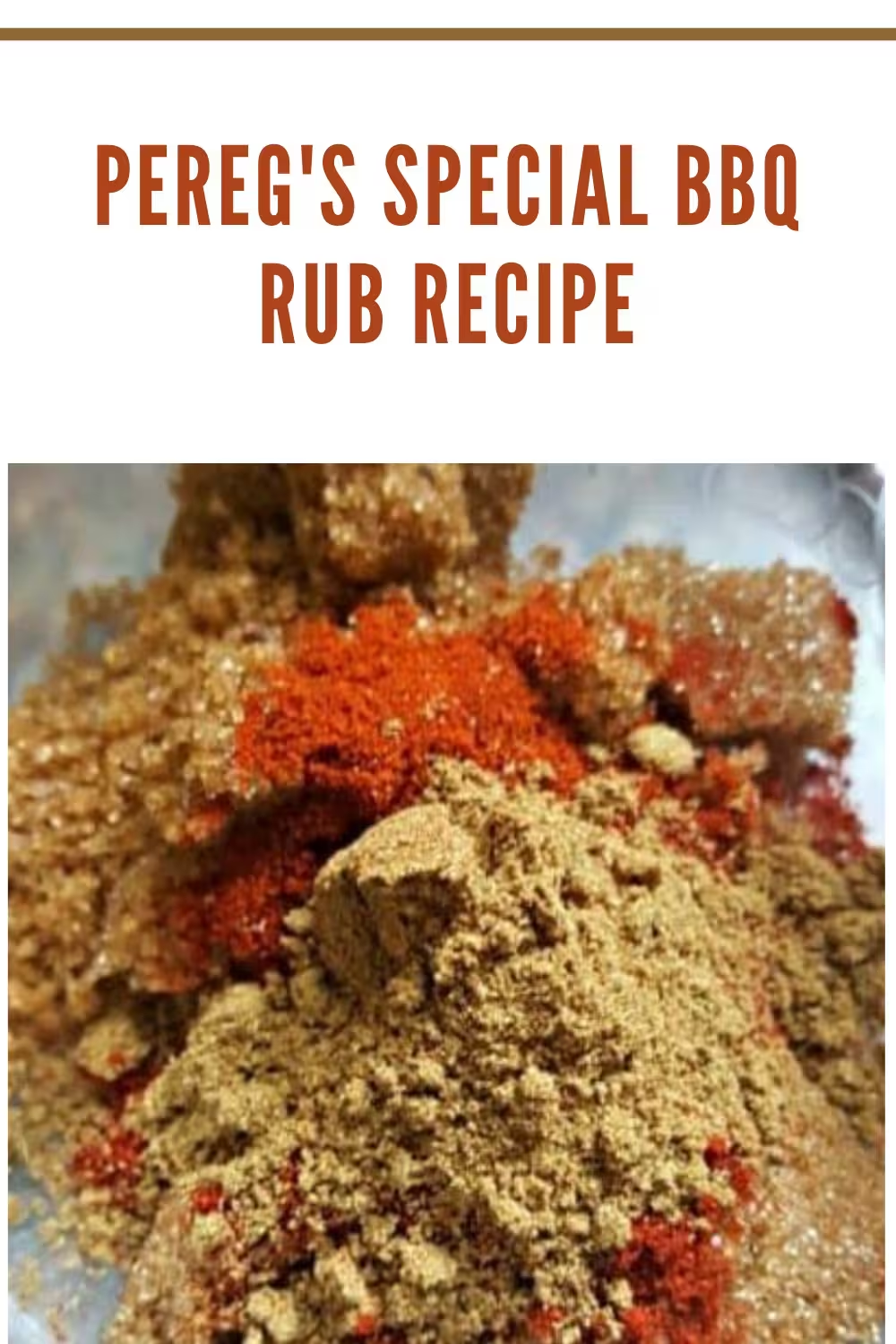
This easy BBQ rub is made with pantry spices like cumin, paprika, garlic, onion, chili powder, cayenne, black pepper, white pepper, kosher salt, and brown sugar. It is simple enough for weeknight grilling but bold enough for Memorial Day, Fourth of July, tailgates, potlucks, Father’s Day cookouts, and every “let’s just throw something on the grill” dinner in between.
If you are planning a full summer menu, tuck this dry rub into your grilling lineup and loop it into my Memorial Day Recipes & Party Ideas hub for even more cookout recipes, BBQ mains, sides, desserts, and party-friendly dishes.
Why You’ll Love This Homemade BBQ Dry Rub Recipe
This BBQ dry rub recipe is one of those kitchen staples that makes you feel wildly prepared. The kind of prepared where someone says, “What should we put on the chicken?” and you casually reach for your homemade spice blend like you host a backyard smokehouse on the weekends.
Here is why this grilling spice rub deserves a permanent spot in your pantry:
- It is quick to make. Just measure, mix, and store.
- It uses simple pantry spices. No complicated ingredients or specialty-store scavenger hunt required.
- It works on almost everything. Use it as a dry rub for ribs, chicken, pork, brisket, burgers, steak, vegetables, or even roasted potatoes.
- It builds a flavorful crust. The salt, spices, and brown sugar help season the surface and encourage caramelization.
- It is easy to customize. Make it sweeter, smokier, spicier, or more savory depending on your BBQ mood.
- It is cookout-ready. Perfect for summer grilling, Memorial Day BBQ menus, camping meals, backyard parties, and family dinners.
This rub is especially handy when you are building a BBQ spread. Use it on grilled chicken, serve the meat on Homemade Hamburger Buns, add a side of Cheesy Beer Bread, and finish the plate with your favorite sauce. Suddenly, dinner has main-character energy.
What Is a BBQ Spice Rub?
A spice rub is a blend of dry seasonings that is rubbed, sprinkled, or patted onto the outside of meat before cooking. Instead of soaking the meat in a marinade, a dry rub clings to the surface and creates layers of flavor as the meat grills, smokes, roasts, or bakes.
BBQ rubs are popular because they do big things with little effort. They season the meat, help develop color, and create that flavorful crust that makes grilled food taste like it came from someone who owns more than one pair of tongs.
Most BBQ rubs include a mix of:
- Salt to season and draw out moisture
- Sugar to balance heat and help caramelize the surface
- Smoky spices like paprika or chili powder
- Savory spices like garlic, onion, cumin, and pepper
- Heat from cayenne, chili powder, or spicy pepper blends
The beauty of a dry rub is control. You can keep it mild for family cookouts, turn up the cayenne for spicy ribs, or add smoked paprika when you want that deep BBQ flavor without firing up a smoker.
Dry Rub vs. Marinade: Which One Should You Use?
Both dry rubs and marinades have their place, but when you want bold flavor and a beautiful crust, a dry rub is hard to beat.
A marinade uses liquid, usually with oil, acid, herbs, and seasonings, to flavor food before cooking. A dry rub uses only spices, salt, and sugar. That means it is neater, easier to store, and perfect when you do not want a bowl of raw chicken swimming in your refrigerator like it has joined a spa retreat.
Advantages of BBQ Rubs Over Marinades
- Dry rubs are economical because a little goes a long way.
- They do not need refrigeration before use.
- They have a long shelf life when stored properly.
- You can use only what you need and save the rest.
- They add color and texture to grilled meats.
- They are easy to apply to chicken, ribs, pork, brisket, burgers, and vegetables.
- They make it easier to control the flavor and spice level.
- They are especially good for larger cuts like ribs, brisket, pork shoulder, and tenderloin.
If you love a sauce finish, you can still have the best of both BBQ worlds. Start with this dry rub for flavor and crust, then brush on a sauce during the final minutes of cooking. Try it with Carolina BBQ Sauce for tang, 6 Ingredient Chocolate BBQ Sauce for rich smoky depth, or Hershey’s Chocolate Barbecue Sauce when you want a sweet-and-savory surprise.
Ingredients for Homemade BBQ Dry Rub
This homemade BBQ seasoning blend uses spices that bring warmth, smoke, savoriness, heat, and a touch of sweetness. It is balanced enough for chicken and burgers but bold enough for ribs and pork.
- 1 tablespoon cumin: Adds earthy warmth and a subtle smoky flavor.
- 1 tablespoon paprika: Brings color, mild sweetness, and classic BBQ flavor. Use smoked paprika for a deeper, smokier rub.
- 1 tablespoon granulated garlic: Gives the rub savory backbone without the moisture of fresh garlic.
- 1 tablespoon granulated onion: Adds mellow sweetness and depth.
- 1 tablespoon granulated chili powder: Adds mild heat, color, and smoky-spiced flavor.
- 1 tablespoon cayenne pepper: Brings the heat. Adjust to taste if your crowd prefers mild BBQ.
- 1 tablespoon black pepper: Adds sharp, classic peppery bite.
- 1 tablespoon white pepper: Adds earthy heat and a slightly different pepper flavor that rounds out the blend.
- 2 tablespoons kosher salt: Seasons the meat and helps draw moisture to the surface so the rub can cling.
- 1 tablespoon brown sugar: Adds sweetness and helps create caramelized edges on grilled and roasted meats.
Optional shortcut: If you have a prepared BBQ spice mix, you can combine 1/2 cup BBQ spice mix with 1 tablespoon brown sugar for a quick sweet-savory grilling rub.
How to Make BBQ Dry Rub
This is the kind of recipe that rewards you for doing almost nothing. No simmering. No chopping. No “stand over the stove and question your life choices.” Just mix and store.
- Measure the spices. Add the cumin, paprika, granulated garlic, granulated onion, chili powder, cayenne pepper, black pepper, white pepper, kosher salt, and brown sugar to a large bowl.
- Mix well. Whisk or stir until the spices are evenly combined and no brown sugar clumps remain.
- Store the rub. Transfer the BBQ dry rub to an airtight jar or spice container.
- Label it. Add the name and date so you know when you made it.
- Use as needed. Sprinkle, pat, or rub the seasoning onto meat before grilling, roasting, smoking, or baking.
For the best flavor, let the rub sit on the meat for at least 15 to 30 minutes before cooking. For larger cuts like ribs, pork shoulder, brisket, or tenderloin, apply the rub several hours ahead or even the night before, then refrigerate until ready to cook.
How to Use BBQ Dry Rub on Meat
There are two schools of thought here: sprinkle and pat, or rub like you mean it. Both work. The goal is to get the seasoning evenly distributed over the surface so it can cling to the meat and build flavor as it cooks.
For Chicken
Use about 1 tablespoon of BBQ rub per pound of chicken. Pat the chicken dry first, sprinkle the rub evenly over the surface, and let it rest before grilling or baking. This rub is delicious on drumsticks, thighs, chicken breasts, wings, and whole roasted chicken.
For an easy BBQ dinner, use this rub as a flavor base before making Slow Cooker Honey BBQ Chicken. The sweet, smoky seasoning helps build even more flavor under all that saucy goodness.
For Ribs
Use 2 to 3 tablespoons of dry rub per rack of ribs, depending on size and how bold you like your BBQ. Pat the ribs dry, season generously on both sides, and let them rest before cooking. The brown sugar helps create those caramelized edges that make ribs irresistible.
This rub is a natural fit for Bacon Glazed Ribs, especially if you want extra smoky-spiced flavor underneath that rich glaze.
For Pork
Use this homemade BBQ rub on pork chops, pork tenderloin, pork shoulder, pulled pork, or grilled pork steaks. Pork loves a little sweetness, so the brown sugar works beautifully with the paprika, cumin, garlic, and chili powder.
For Burgers
Mix a teaspoon or two into ground beef before forming patties, or sprinkle the rub on the outside before grilling. Serve the burgers on Homemade Hamburger Buns and watch basic burger night become backyard BBQ night.
For Vegetables
Yes, dry rubs are not just for meat. Sprinkle this seasoning on grilled corn, roasted potatoes, cauliflower steaks, mushrooms, zucchini, or sweet potatoes. Add a drizzle of oil first so the rub sticks.
Expert Tips for the Best BBQ Rub
- Use fresh spices. If your paprika has been in the cabinet since a previous presidential administration, it may be time to replace it.
- Break up brown sugar clumps. Brown sugar adds great flavor, but it likes to huddle. Use your fingers, a whisk, or the back of a spoon to break up clumps.
- Pat meat dry first. A dry surface helps the rub cling and encourages better browning.
- Do not over-rub delicate meat. For fish or chicken breasts, sprinkle and pat instead of aggressively rubbing.
- Adjust the cayenne. This blend has a kick. Use less cayenne for a mild BBQ rub or more for a spicy dry rub.
- Apply early for large cuts. Ribs, pork shoulder, brisket, and tenderloin benefit from time in the refrigerator after seasoning.
- Save sauce for the end. If using BBQ sauce, brush it on during the final minutes of cooking so the sugars do not burn.
- Store it properly. Keep the rub in an airtight jar in a cool, dry pantry away from heat and sunlight.
Variations and Creative Ideas
Once you have the basic BBQ rub recipe down, you can customize it for different meats, menus, and spice preferences.
Smoky BBQ Rub
Swap regular paprika for smoked paprika. This gives the rub a deeper smokehouse flavor, especially helpful if you are grilling on a gas grill or cooking indoors.
Sweet BBQ Rub
Add an extra tablespoon of brown sugar for ribs, pork, or chicken wings. This version caramelizes beautifully and is great for family-friendly BBQ.
Spicy BBQ Rub
Increase the cayenne pepper or add crushed red pepper flakes for a spicy BBQ seasoning blend with more heat.
Low-Sugar BBQ Rub
Reduce or omit the brown sugar if you want a more savory dry rub. Keep in mind the rub will not caramelize quite the same way, but it will still add plenty of flavor.
Coffee BBQ Rub
Add 1 tablespoon of finely ground coffee or espresso powder for a bold rub that pairs beautifully with beef, brisket, steak, and burgers.
Herby BBQ Rub
Add dried thyme, sage, or oregano for a more herb-forward blend. This is especially good on roasted chicken and pork tenderloin.
Serving Suggestions for BBQ Season
This homemade BBQ dry rub is the flavor foundation, but the rest of the plate deserves a little love too. Use it to build an easy summer cookout menu that keeps guests full, happy, and hovering near the serving table.
For a Memorial Day or backyard BBQ spread, use this rub on chicken, ribs, pork, or burgers, then serve it with recipes from the Memorial Day Recipes & Party Ideas hub. It fits beautifully with hot dogs, sliders, grilled chicken, summer sides, picnic desserts, and party drinks.
Try it with:
- Grilled chicken thighs or drumsticks brushed with Carolina BBQ Sauce
- Ribs finished with a sweet glaze like Bacon Glazed Ribs
- Pulled pork piled onto Homemade Hamburger Buns
- Slow cooker BBQ chicken inspired by Slow Cooker Honey BBQ Chicken
- Grilled burgers with a smoky dry rub crust
- Roasted potatoes or grilled vegetables for an easy BBQ side dish
- A slice of Cheesy Beer Bread for soaking up every last bit of sauce
How to Store Homemade BBQ Dry Rub
Store your BBQ dry rub in an airtight jar, spice container, or mason jar with a tight-fitting lid. Keep it in a cool, dark pantry away from heat, steam, and direct sunlight.
For the best flavor, use the rub within 3 to 6 months. It will likely still be safe after that if stored properly, but spices lose their punch over time. If you open the jar and it smells like a whole lot of nothing, your BBQ rub has quietly retired.
FAQs About Homemade BBQ Dry Rub
What is the best meat for BBQ dry rub?
BBQ dry rub works well on ribs, chicken, pork shoulder, pork chops, brisket, burgers, steak, turkey, and even vegetables. It is especially good on meats that benefit from a flavorful crust, like ribs, pork, and grilled chicken.
How much dry rub should I use?
A good rule of thumb is about 1 tablespoon of dry rub per pound of meat. For ribs or larger cuts, use enough to coat the surface evenly without creating a thick, sandy layer.
How long should dry rub sit on meat before cooking?
For quick grilling, let the rub sit for 15 to 30 minutes. For larger cuts like ribs, brisket, pork shoulder, or tenderloin, season the meat several hours ahead or overnight for deeper flavor.
Can I use this BBQ rub as a seasoning after cooking?
Yes, but use a light hand because the rub contains salt and cayenne. Sprinkle a tiny amount over fries, roasted potatoes, popcorn, grilled corn, or finished meat for extra flavor.
Is this BBQ rub spicy?
It has a noticeable kick from the cayenne and peppers. For a milder BBQ rub, reduce the cayenne pepper by half or start with 1 teaspoon instead of 1 tablespoon.
Can I make this BBQ rub without sugar?
Yes. You can omit the brown sugar for a more savory spice rub. The flavor will be less sweet, and the surface may not caramelize as much, but it will still season meat beautifully.
Can I double or triple this recipe?
Absolutely. This is a great recipe to batch because it stores well. Make a larger amount before grilling season, label the jar, and keep it ready for quick BBQ dinners.
Can I use this BBQ rub in the oven?
Yes. This rub works for oven-baked chicken, roasted pork, baked ribs, sheet pan vegetables, and roasted potatoes. You do not need a grill to enjoy BBQ flavor.
Final Thoughts: A Little Rub Goes a Long Way
This homemade BBQ dry rub recipe is simple, bold, and ready to make your grill feel like the star of the backyard. It takes just minutes to mix, but it adds the kind of smoky, savory, slightly sweet flavor that makes chicken juicier, ribs more exciting, burgers more flavorful, and pork taste like it came with a round of applause.
Whether you are planning a Memorial Day cookout, stocking your spice cabinet for summer grilling, or just trying to rescue plain chicken from another boring dinner, this BBQ rub is a keeper. Make a jar, label it, and keep it close. Your future grilled meats will thank you.
For more cookout inspiration, visit the Memorial Day Recipes & Party Ideas hub and build a full menu with BBQ mains, sides, sauces, desserts, and party-perfect favorites.
This recipe was originally published May 28, 2017, and updated May 24, 2026, with improved instructions, updates, and new photos.