
Za’atar and Rosemary Baked Olives Recipe
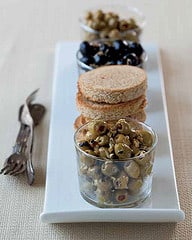
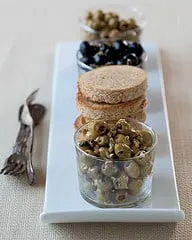
This Za’atar and Rosemary Baked Olives Recipe is the easy appetizer, antipasti-style side, or snacky first-course dish that makes guests think you fussed far more than you did. Black olives bake with za’atar, garlic, and olive oil, while green olives bake with rosemary, garlic, and olive oil until the flavors intensify and the olives become rich, savory, and deeply delicious.
When these olives bake, they shrink a bit and the flavor concentrates, making them even more flavorful than raw spiced olives. During an olive taste test, these two olive-and-spice combinations were favorites. You can serve one version, make both, or combine them in a single serving dish for an easy Mediterranean-style appetizer.
I love that this recipe is almost entirely hands-off. Toss the ingredients together, place them in the oven, and let the heat do the work. Serve these baked olives with salads, dips, cheese boards, garlic bread, challah, holiday appetizers, grazing boards, or the first course of a meal. Your guests will think you splurged on gourmet antipasti.
Why You’ll Love These Baked Olives
- They are incredibly easy. Toss, bake, and serve. That is the whole mood.
- They feel fancy. Baked olives give a simple appetizer spread a gourmet antipasti feel.
- They are make-ahead friendly. Prepare them up to one week ahead and serve at room temperature.
- They work for parties. Serve them with salads, dips, cheese boards, bread, crackers, and grazing platters.
- They offer two flavor options. Make za’atar black olives, rosemary green olives, or both.
- They are big on flavor. Baking intensifies the olives, garlic, herbs, and spices.
What Are Baked Olives?
Baked olives are olives tossed with herbs, spices, garlic, and olive oil, then warmed in the oven until their flavor deepens. The heat concentrates the olive flavor, softens the garlic, and helps the seasoning cling to every bite.
They can be served warm, at room temperature, or chilled and brought back to room temperature before serving. Baked olives are especially nice as part of a Mediterranean appetizer spread, holiday grazing board, brunch table, or first course before dinner.
Two Easy Baked Olive Flavors
This recipe gives you two simple baked olive combinations. Make one if you want to keep things easy, or make both for more color, contrast, and flavor on the table.
Za’atar Black Olives
Black olives are tossed with za’atar, minced garlic, and olive oil, then baked until the seasoning becomes warm and aromatic. Za’atar adds a tangy, herby, sesame-forward flavor that makes these olives taste bold and savory.
Rosemary Green Olives
Green olives are baked with dried rosemary, garlic, and olive oil. The rosemary gives them an earthy, fragrant flavor that pairs beautifully with bread, cheese, roasted meats, salads, and appetizer boards.
Za’atar and Rosemary Baked Olives Ingredients
For the Za’atar Black Olives
- 2 cans whole black olives, 6 ounces each, drained
- 2 teaspoons za’atar
- 4 cloves garlic, minced
- 2 tablespoons olive oil
For the Rosemary Green Olives
- 12 ounces whole green olives, drained
- 1 teaspoon dried rosemary
- 4 cloves garlic
- 2 tablespoons olive oil
How to Make Za’atar and Rosemary Baked Olives
Step 1: Preheat the Oven
Preheat the oven to 375 degrees F.
Step 2: Prepare the Za’atar Black Olives
In a baking dish, combine the drained black olives, za’atar, minced garlic, and olive oil. Stir until the olives are coated.
Bake uncovered for 40 minutes.
Step 3: Prepare the Rosemary Green Olives
In a separate baking dish, combine the drained green olives, dried rosemary, garlic, and olive oil. Stir until the olives are coated.
Bake uncovered for 40 minutes.
Step 4: Serve
Serve the olives separately or combine them in one serving dish. They are delicious warm or at room temperature.
If you smash them up a bit, these baked olives also turn into a flavorful spread for garlic bread, challah, crostini, or crackers.
Yield: About 4 cups.
Can’t Find Za’atar? Make Your Own
If you cannot find za’atar at the store, you can make a quick homemade version with a few pantry spices.
- 1/4 cup sumac
- 1 tablespoon sesame seeds
- 1 tablespoon thyme
- 1 tablespoon oregano
- 1 teaspoon salt
Combine the sumac, sesame seeds, thyme, oregano, and salt in a food processor or mini chopper and blend until combined.
Expert Tips for the Best Baked Olives
- Drain the olives well. Extra brine can dilute the olive oil and seasonings.
- Use whole olives. Whole olives hold their texture better during baking.
- Do not skip the garlic. Garlic becomes mellow and savory as it bakes with the oil and olives.
- Serve at room temperature. These olives are flavorful warm, but they are also excellent after resting.
- Make both versions. The black and green olive combination looks prettier and gives guests more flavor variety.
- Turn leftovers into a spread. Smash the baked olives and spoon them over bread, crackers, sandwiches, or roasted vegetables.
What to Serve with Baked Olives
Baked olives are flexible enough to work as an appetizer, side dish, party snack, or grazing board addition. Serve them with:
- Garlic bread
- Challah
- Crostini
- Crackers
- Cheese boards
- Antipasti platters
- Fresh salads
- Hummus or dips
- Roasted vegetables
- Grilled chicken
- Roasted meats
- Holiday appetizer spreads
For a larger side dish or appetizer spread, serve these baked olives with Eggplant Caponata Dip, Supreme Queso Dip, Chunky Guacamole, or Autumn Chopped Salad.
How to Use Leftover Baked Olives
Leftover baked olives are flavor gold. Chop, smash, or spoon them into other meals for a quick savory boost.
- Smash them into an olive spread for garlic bread.
- Spoon them over grilled chicken or fish.
- Add them to pasta salad.
- Stir them into couscous or rice.
- Serve them with roasted vegetables.
- Add them to sandwiches or wraps.
- Use them on a Mediterranean grazing board.
Make-Ahead and Storage Tips
Can I Make Baked Olives Ahead of Time?
Yes. You can prepare these olives up to one week ahead. Keep them refrigerated and serve at room temperature.
How to Store Baked Olives
Store baked olives in an airtight container in the refrigerator for up to one week.
How to Serve After Refrigerating
Remove the olives from the refrigerator and let them come to room temperature before serving. You can also warm them gently if you prefer them served warm.
Can I Reheat Baked Olives?
Yes. Reheat them gently in a low oven or microwave until warmed through. Do not overheat them, or the olives may become too soft.
Recipe Variations
- Add citrus: Add lemon zest or orange zest before serving for brightness.
- Add heat: Stir in crushed red pepper flakes for spicy baked olives.
- Use mixed olives: Try kalamata, Castelvetrano, green olives, black olives, or a Mediterranean olive blend.
- Add herbs: Try thyme, oregano, parsley, or fresh rosemary.
- Add cheese: Serve warm olives near feta, goat cheese, or Parmesan on an appetizer board.
- Make a spread: Smash the baked olives with the garlic and oil, then serve with bread or crackers.
Za’atar and Rosemary Baked Olives FAQs
Can you bake olives?
Yes. Baking olives with olive oil, herbs, spices, and garlic intensifies their flavor and turns them into a warm, savory appetizer or side dish.
Should baked olives be served warm or cold?
Baked olives can be served warm or at room temperature. If you make them ahead and refrigerate them, let them come to room temperature before serving.
Can I make these olives ahead for a party?
Yes. These baked olives can be made up to one week ahead, refrigerated, and served at room temperature, which makes them ideal for parties, holidays, and entertaining.
What is za’atar?
Za’atar is a Middle Eastern spice blend often made with herbs, sesame seeds, sumac, and salt. It has a tangy, nutty, savory flavor that pairs beautifully with olives, bread, vegetables, and roasted dishes.
What can I use instead of za’atar?
If you do not have za’atar, you can make a simple substitute with sumac, sesame seeds, thyme, oregano, and salt.
Can I use pitted olives?
Yes. Pitted olives are easier for guests to eat and work well in this recipe. Whole olives also hold their texture nicely during baking.
Can I combine the black and green olives?
Yes. You can serve the za’atar black olives and rosemary green olives separately or combine them in one serving dish after baking.
What bread goes well with baked olives?
Baked olives are delicious with garlic bread, challah, crostini, pita, flatbread, crackers, or crusty artisan bread.
More Easy Side Dish Recipes to Round Out Your Meal
Looking for something delicious to serve with dinner, bring to a potluck, or add to your holiday table? These easy side dish recipes make it simple to build a complete meal, whether you need potatoes, beans, salads, dips, vegetables, or BBQ sides.
- Pumpkin Mashed Potatoes — A cozy fall side dish for Thanksgiving, holiday dinners, pork, turkey, and comfort food meals.
- Tomato Potato Leek Gratin — A warm baked potato side dish that works beautifully for Sunday dinner, holidays, and cozy family meals.
- How to Shuck and Cook Corn on the Cob — A classic summer side dish for BBQs, cookouts, Memorial Day, Fourth of July, and backyard dinners.
- Cuban Black Beans — A flavorful bean side dish for rice bowls, tacos, grilled meats, pork, chicken, and Latin-inspired meals.
- Instant Pot Black Beans — A budget-friendly meal prep side for taco night, burrito bowls, rice, and easy weeknight dinners.
- Copycat Taco Bell Pintos and Cheese — A cheesy bean side dish perfect for taco night, Tex-Mex dinners, game day, and copycat restaurant meals.
- How to Cook Perfect Rice in the Instant Pot — A simple staple side dish for beans, chicken, beef, seafood, stir-fry, and saucy dinners.
- Spiral Pasta with Pesto, Sun-Dried Tomatoes, and Pine Nuts — A flavorful pasta side for potlucks, cookouts, lunch spreads, and Mediterranean-inspired meals.
- Autumn Chopped Salad — A fresh seasonal salad for Thanksgiving, fall potlucks, harvest dinners, and cozy entertaining.
- Pineapple Mango Salsa — A bright fruit salsa for grilled chicken, fish tacos, pork, shrimp, BBQ dinners, and summer meals.
- Chunky Guacamole — A fresh avocado side, dip, or topping for taco night, nacho bars, burrito bowls, and game day spreads.
- Supreme Queso Dip — A cheesy party side for game day, nacho bars, taco night, potlucks, and casual entertaining.
Need even more ideas? Browse the full Easy Side Dish Recipes hub for potatoes, vegetables, rice, pasta, beans, salads, dips, holiday sides, BBQ sides, and potluck favorites.
More Appetizer and Side Dish Ideas
If you love easy appetizer-style sides, build a grazing board or party spread with Eggplant Caponata Dip, Supreme Queso Dip, Chunky Guacamole, and these Za’atar and Rosemary Baked Olives.
For more side dish inspiration, visit the full Easy Side Dish Recipes hub.
Final Thoughts
These Za’atar and Rosemary Baked Olives are proof that an impressive appetizer does not need to be complicated. With olives, garlic, olive oil, and a few bold seasonings, you can create a warm, savory dish that feels like something from a gourmet antipasti platter.
Serve them with salads, dips, bread, cheese boards, or holiday appetizers. Make one version or both, prepare them ahead, and let the oven turn simple olives into something special.
Save this Za’atar and Rosemary Baked Olives Recipe for your next party, holiday spread, grazing board, or easy Mediterranean-style appetizer.
Za’atar and Rosemary Baked Olives Recipe
Za’atar and Rosemary Baked Olives are an easy make-ahead appetizer, side dish, or antipasti-style recipe made with black olives, green olives, garlic, olive oil, za’atar, and rosemary. Serve these warm, savory baked olives with salads, dips, bread, cheese boards, holiday appetizers, or grazing boards.
Ingredients
For the Za’atar Black Olives
- 2 cans whole black olives, 6 ounces each, drained
- 2 teaspoons za’atar
- 4 cloves garlic, minced
- 2 tablespoons olive oil
For the Rosemary Green Olives
- 12 ounces whole green olives, drained
- 1 teaspoon dried rosemary
- 4 cloves garlic
- 2 tablespoons olive oil
Homemade Za’atar Substitute
- 1/4 cup sumac
- 1 tablespoon sesame seeds
- 1 tablespoon thyme
- 1 tablespoon oregano
- 1 teaspoon salt
Instructions
- Preheat the oven to 375 degrees F.
- To prepare the za’atar black olives, combine the drained black olives, za’atar, minced garlic, and olive oil in a baking dish.
- Stir until the black olives are evenly coated.
- Bake the za’atar black olives, uncovered, for 40 minutes.
- To prepare the rosemary green olives, combine the drained green olives, dried rosemary, garlic, and olive oil in a separate baking dish.
- Stir until the green olives are evenly coated.
- Bake the rosemary green olives, uncovered, for 40 minutes.
- Serve the olives separately or combine them in one serving dish.
- Serve warm or at room temperature with bread, crackers, salads, dips, cheese boards, or appetizer spreads.
- If desired, lightly smash the baked olives and serve them as a spread for garlic bread, challah, crostini, or crackers.
Homemade Za’atar Instructions
- Combine sumac, sesame seeds, thyme, oregano, and salt in a food processor or mini chopper.
- Blend until combined.
- Use as a substitute for za’atar in the baked black olives.
Notes
Notes
Drain the olives well before baking so the seasonings and olive oil cling to the olives instead of becoming diluted by brine.
Whole olives hold their texture well during baking, but pitted olives are easier for guests to eat.
These baked olives can be prepared up to one week ahead. Keep refrigerated and serve at room temperature.
Serve the za’atar black olives and rosemary green olives separately, or combine them in one serving dish after baking.
Leftover baked olives can be smashed into a spread for bread, spooned over grilled chicken or fish, added to pasta salad, stirred into couscous or rice, or served on a grazing board.
For extra brightness, add lemon zest or orange zest before serving.
For spicy baked olives, add crushed red pepper flakes.
Equipment
- 2 baking dishes
- Measuring spoons
- Garlic press or knife
- Cutting board
- Mixing spoon
- Serving dish
- Food processor or mini chopper, optional for homemade za’atar
More Inspiration
Serve these baked olives with Eggplant Caponata Dip for a Mediterranean-style appetizer spread.
Add Supreme Queso Dip to create an easy party dip and appetizer table.
Pair these Za’atar and Rosemary Baked Olives with Chunky Guacamole for a snacky grazing board.
Serve baked olives with Autumn Chopped Salad as part of a holiday or first-course spread.
For more side dish inspiration, visit the full Easy Side Dish Recipes hub.
Nutrition Disclaimer
Nutrition information is an estimate and will vary based on olive variety, sodium content, olive oil amount, and exact ingredients used.
Nutrition Information:
Yield:
16Serving Size:
1/4 cupAmount Per Serving: Calories: 84Total Fat: 8gSaturated Fat: 1gUnsaturated Fat: 7gSodium: 577mgCarbohydrates: 4gFiber: 3gSugar: 0gProtein: 1g
The Nutritional Information may not be accurate. This website provides approximate nutrition information for convenience and as a courtesy only. Nutrition data is gathered primarily from the USDA Food Composition Database, whenever available, or otherwise other online calculators.
Source note: Appears on page 22 of Sides & Starters Made Easy. © 2013 Artscroll. May not be reprinted without publisher’s permission.