
Magnesium for Stress Relief: How to Reduce Stress Naturally and Restore Healthy Magnesium Levels
When your stress is doing jazz hands and your brain refuses to clock out, magnesium may be the calm little sidekick your wellness routine has been missing.
Stress has a way of showing up like an uninvited houseguest. It eats your snacks, steals your sleep, tightens your shoulders, and somehow convinces your brain that 2:13 a.m. is the perfect time to remember everything you forgot to do.
If you have been feeling stretched thin, wired-but-tired, or like your nervous system needs a permission slip to sit down, you are not alone. Busy schedules, family needs, work stress, hormones, aging, lack of sleep, and everyday life can all take a toll on how calm and balanced we feel.
That is why magnesium for stress relief keeps popping up in wellness conversations. Magnesium is an essential mineral that supports normal muscle and nerve function, energy production, and overall wellness. It is not a magic wand, and it will not fold the laundry, answer emails, or stop someone from asking what is for dinner while standing in front of a full refrigerator. But getting enough magnesium can be one helpful piece of a calmer, more supported wellness routine.
Before reaching for a supplement, it is smart to start with food first. There are plenty of simple ways to get more magnesium into your diet naturally, and if you are still falling short, a magnesium supplement like Natural Vitality Natural Calm may be worth exploring as part of your evening wind-down routine.
This post is part of my Health & Wellness Tips for Mind, Body & Family Living collection, where you will find realistic wellness support for busy families, stressed-out moms, and anyone trying to feel a little more grounded without turning self-care into a second job.
Magnesium for Stress Relief: Why This Mineral Gets So Much Attention
Magnesium is one of those behind-the-scenes nutrients that does a lot of heavy lifting. According to the National Institutes of Health Office of Dietary Supplements, magnesium is involved in hundreds of enzyme systems in the body and supports processes such as protein synthesis, muscle and nerve function, blood glucose control, and blood pressure regulation.
In everyday terms, magnesium helps support normal body function in ways that matter when life feels loud. Your muscles, nerves, energy levels, and overall wellness all rely on minerals doing their jobs. When your routine is full of stress, poor sleep, too much caffeine, skipped meals, or quick grab-and-go foods, it is easy to start wondering whether your body is getting enough of the nutrients it needs.
That does not mean magnesium is a cure for stress, anxiety, insomnia, headaches, or any medical condition. It means magnesium is an essential nutrient that may support a healthier foundation for calm, rest, and daily resilience. Think of it less like a magic switch and more like giving your body better tools for the job.
If stress has been hanging around like it pays rent, you may also want to read my Top Stress-Reducing Tips for Moms. Magnesium can support the body, but stress relief works best when it is paired with realistic habits you can actually maintain.
How Magnesium May Help Support Natural Stress Relief
When people talk about natural stress relief, they often jump straight to bubble baths, deep breathing, herbal tea, or taking a walk. Those things can absolutely help, but nutrition belongs in the conversation too.
Magnesium supports normal nerve and muscle function, which makes it especially interesting for people who feel physically tense when they are stressed. You know the feeling: shoulders by your ears, jaw clenched like you are auditioning for a toothpaste commercial, and a back that sounds like bubble wrap when you finally stretch.
Getting enough magnesium may help support your body’s normal relaxation processes, but it is only one piece of the puzzle. A truly helpful stress-relief routine may include:
- Magnesium-rich foods to support daily mineral intake
- Consistent sleep habits to help your body recover
- Gentle movement such as walking, stretching, or yoga
- Hydration because even mild dehydration can make you feel blah
- Breathing breaks before your nervous system files a formal complaint
- Boundaries because “I cannot do that today” is sometimes a full wellness plan
For more mindset-focused wellness ideas, visit 5 Ways to Get Rid of Negative Energy. It is a helpful next read if you are trying to clear mental clutter and bring a little more peace back into your day.
How to Get More Magnesium Into Your Diet Naturally
Before reaching for any supplement, it is always a good idea to look at your plate first. Magnesium is found in plenty of everyday foods, and adding more magnesium-rich foods to your meals can be a simple way to support your body naturally.
Some easy ways to get more magnesium into your diet include:
- Add nuts and seeds: Almonds, cashews, pumpkin seeds, chia seeds, and sunflower seeds are easy to sprinkle into oatmeal, yogurt, salads, or snack mixes.
- Choose leafy greens: Spinach, Swiss chard, and other dark leafy greens can be added to smoothies, soups, omelets, and dinner bowls.
- Eat more beans and legumes: Black beans, lentils, chickpeas, and edamame are budget-friendly magnesium sources that also add fiber and protein.
- Go for whole grains: Brown rice, oats, quinoa, and whole wheat options can help add magnesium while keeping meals hearty and satisfying.
- Enjoy magnesium-rich snacks: A square of dark chocolate, a handful of trail mix, or a banana with nut butter can feel like a treat while still supporting your wellness goals.
- Build balanced meals: Pairing protein, fiber-rich carbs, healthy fats, and colorful produce can help support energy, mood, and overall wellness.
Of course, real life does not always look like perfectly portioned smoothie bowls and color-coded meal prep containers. Some days are leafy greens and quinoa. Other days are coffee, chaos, and whatever snack your kid rejected five minutes ago. If you are still falling short on magnesium through food alone, or if your healthcare provider has suggested extra support, a magnesium supplement may be worth exploring.
Best Magnesium-Rich Foods for a Calmer Wellness Routine
Magnesium-rich foods do not have to be complicated or expensive. The goal is not to turn your kitchen into a wellness retreat with matching jars and a soundtrack of peaceful rain. The goal is to make small swaps that support your body in real life.
Nuts and Seeds
Pumpkin seeds, almonds, cashews, chia seeds, flaxseeds, and sunflower seeds are easy additions to meals and snacks. Toss them into oatmeal, homemade trail mix, yogurt bowls, smoothies, or salads for a simple magnesium boost.
Dark Leafy Greens
Spinach, Swiss chard, kale, and other greens can be added to soups, pasta, eggs, smoothies, and grain bowls. If your family side-eyes anything green, start small. A handful of spinach in a smoothie is basically stealth wellness.
Beans and Lentils
Black beans, chickpeas, lentils, kidney beans, and edamame are satisfying, budget-friendly, and easy to work into soups, tacos, salads, wraps, and casseroles.
Whole Grains
Oats, quinoa, brown rice, whole wheat bread, and other whole grains can help support a more nutrient-rich diet. They are also practical, filling, and family-friendly.
Dark Chocolate
Yes, dark chocolate can fit into a magnesium-rich lifestyle. No, this does not mean eating an entire chocolate bar while hiding in the pantry counts as a mineral protocol. But a small square can be a satisfying, cozy treat.
Signs You May Want to Talk to Your Doctor About Magnesium
It is tempting to blame everything on low magnesium because the internet loves a quick fix. Feeling tired? Magnesium. Eye twitch? Magnesium. Stressed? Magnesium. Spilled coffee on your shirt before 8 a.m.? Honestly, that one might just be Monday.
Still, if you are dealing with ongoing symptoms, it is worth having a real conversation with your healthcare provider. Ask about your diet, medications, supplements, and whether magnesium intake may be something to evaluate.
You may want to ask about magnesium if you are:
- Feeling unusually fatigued or run down
- Experiencing frequent muscle tension or cramps
- Struggling with ongoing stress or poor sleep
- Taking medications that may affect mineral levels
- Managing a health condition that affects nutrient absorption
- Considering a magnesium supplement for the first time
This is especially important if you are pregnant, breastfeeding, taking prescription medications, managing kidney disease, or already using other supplements. Supplements can be helpful, but they are not one-size-fits-all.
Magnesium and Calcium: Why Balance Matters
Calcium gets a lot of attention because it is essential for bones, teeth, muscles, nerves, and blood vessels. Adults generally need calcium daily, but more is not always better. Too much calcium from supplements may cause problems for some people, especially if total intake climbs too high or if there are personal risk factors.
Magnesium is another essential mineral, and it has a long list of normal jobs in the body. It supports muscle and nerve function, helps the body make protein, contributes to bone health, and plays a role in energy production. In other words, magnesium is not just the mineral people mention when they are stressed. It is part of the body’s everyday operating system.
The important takeaway? Calcium and magnesium both matter, but supplementing should be thoughtful. Food, lifestyle, medications, health history, and your current intake all matter. If you are not sure whether you need more magnesium or calcium, ask your healthcare provider about your personal needs.
What About Natural Vitality Natural Calm?
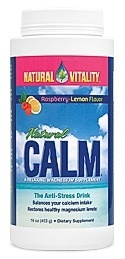
This is where Natural Vitality Natural Calm comes in. Natural Calm is a powdered magnesium supplement designed to mix with water. Many people use it as part of an evening routine because it is simple, warm, and easy to turn into a small “we are winding down now” ritual.
I originally tried Natural Calm during a season when my stress level was doing the absolute most. I was creeping into my mid-forties, feeling stretched thin, and looking for a small nightly habit that felt doable. Not dramatic. Not complicated. Not another 12-step routine requiring matching glass jars and a sunrise meditation. Just something simple.
The key phrase here is supports. Natural Calm is a dietary supplement, not a medicine. It is not meant to diagnose, treat, cure, or prevent any disease. If you are pregnant, nursing, taking medications, managing kidney disease, dealing with ongoing constipation, or using other supplements, it is smart to talk with your healthcare provider before adding magnesium to your routine.
That said, I understand the appeal. A warm drink, a quiet house, and a few minutes to breathe? That sounds less like a supplement routine and more like a tiny bedtime rebellion against chaos.
How to Use Natural Calm as Part of a Magnesium Routine
Always follow the directions on your specific product label. The amount can vary based on the formula, serving size, and your individual needs.
- Start small. If you are new to magnesium powder, begin with a smaller amount as directed on the product label so your body can adjust.
- Add the powder to a cup. Use the serving size recommended on your package unless your healthcare provider has advised differently.
- Add warm or cold water. Warm water can make it feel like a cozy bedtime drink, while cold water keeps it quick and refreshing.
- Let it fizz. Natural Calm may bubble when mixed. Give it a moment to settle before drinking.
- Stir and sip. Mix until dissolved and enjoy slowly.
- Make it part of a bigger routine. Pair it with dim lights, quiet reading, stretching, or a no-phone wind-down window.
I liked using it in the evening, about 30 to 60 minutes before bed, because it helped create a clear signal that the day was finally allowed to stop shouting. The ritual mattered as much as the product: lights lower, phone away, shoulders down, warm drink in hand.
Expert Tips for Using Magnesium Supplements Safely
Magnesium is important, but supplements deserve common sense. Here are a few tips to keep this routine practical and safe:
- Talk to your healthcare provider first if you are pregnant, nursing, taking medications, have kidney concerns, or have a medical condition.
- Do not treat supplements like candy. More is not always better, especially with mineral supplements.
- Watch your stomach. Magnesium supplements can cause digestive changes for some people, especially if taken in higher amounts.
- Read the full label. Check serving size, magnesium amount, sweeteners, flavorings, and any warnings.
- Consider your total intake. Magnesium and calcium can come from food, drinks, medications, and supplements.
- Keep supplements away from children. Store them safely, just as you would any wellness product.
If stress feels bigger than a nightly routine can support, that matters too. You may find it helpful to read How Mental Illness Affects Everyday Life, especially if overwhelm, anxiety, sadness, or emotional strain are affecting your daily life. Support is not weakness. Support is maintenance.
Simple Natural Stress Relief Habits That Pair Well with Magnesium
Magnesium can support your body, but it should not have to carry the whole stress-relief suitcase by itself. A calmer lifestyle is usually built from small, repeatable habits that help your body feel safer and more supported.
Create a No-Phone Wind-Down Window
Give yourself 20 minutes without scrolling before bed. I know. Bold. But your brain deserves a break from tiny glowing chaos rectangles.
Try Gentle Stretching
Simple shoulder rolls, neck stretches, or legs-up-the-wall can help your body transition from “go mode” to “goodnight mode.”
Pair Magnesium with a Foot Soak
If your feet have carried you through errands, work, kids, and the grocery store aisle where everyone suddenly forgets how carts work, treat them kindly. My Invigorating Foot Soak Recipe makes a great self-care companion for a slow evening reset.
Use Calming Scents Thoughtfully
If scent-based self-care is part of your routine, my DIY Aromatherapy Air Freshener is a simple way to freshen a room, while The Top Seven Essential Oils for Daily Use can help you learn more about using essential oils carefully around the home.
Make Sunday Night Your Reset
Sunday evenings are perfect for preparing your mind and body for the week ahead. Prep one magnesium-rich snack, tidy one small space, choose one wellness intention, and remind yourself that you are a person, not a productivity machine in leggings.
What to Know Before You Try Magnesium for Stress Relief
Before adding Natural Calm or any magnesium supplement to your wellness routine, keep these points in mind:
- Supplements are not one-size-fits-all. Your health history matters.
- Magnesium can interact with certain medications. Ask your healthcare provider or pharmacist if you are unsure.
- Digestive side effects can happen. Too much supplemental magnesium may cause loose stools or stomach discomfort.
- Calcium balance matters too. Do not mega-dose minerals without guidance.
- Food still matters. Supplements are meant to supplement the diet, not replace balanced meals.
Natural wellness can be helpful, but “natural” does not automatically mean risk-free. That is why I like to keep wellness practical, informed, and grounded in real life.
FAQs About Magnesium for Stress Relief
Can magnesium help with stress relief?
Magnesium supports normal muscle and nerve function, which may make it a helpful part of a stress-support routine. It is not a treatment for anxiety, chronic stress, insomnia, or any medical condition, but getting enough magnesium can support overall wellness.
What is the best way to get more magnesium naturally?
The best place to start is with magnesium-rich foods such as nuts, seeds, leafy greens, beans, lentils, whole grains, and dark chocolate. Food-first wellness habits help support your body while also adding fiber, protein, and other nutrients.
What foods are high in magnesium?
Magnesium-rich foods include pumpkin seeds, almonds, cashews, chia seeds, spinach, Swiss chard, black beans, lentils, chickpeas, oats, quinoa, brown rice, and dark chocolate.
Is Natural Calm good for stress relief?
Natural Calm is a magnesium supplement that many people use as part of a calming evening routine. It may support healthy magnesium intake, but it is not a medication and should not be used to diagnose, treat, cure, or prevent stress-related medical conditions.
Can I take magnesium every night?
Some people use magnesium supplements regularly, while others may not need them or may need to avoid them. Follow your product label and talk with your healthcare provider, especially if you are pregnant, nursing, taking medications, or managing a health condition.
Can too much magnesium be harmful?
Yes. High amounts of supplemental magnesium can cause digestive symptoms and may be unsafe for some people, especially those with kidney concerns or certain medication use. Ask your healthcare provider if you are unsure how much magnesium is appropriate for you.
Should I take calcium with magnesium?
Not necessarily. Calcium and magnesium are both important minerals, but your needs depend on your diet, age, health history, and current supplement use. Ask your healthcare provider before combining mineral supplements.
What is the best time to take magnesium?
Many people prefer magnesium in the evening because it fits naturally into a bedtime routine. Others may choose a different time of day. The best timing depends on your body, product directions, and healthcare provider guidance.
Health & Wellness Category Hub Loop
If you are building a calmer, more realistic wellness routine, keep exploring the Health & Wellness Tips for Mind, Body & Family Living hub. From stress relief and emotional wellness to natural routines, family health, and DIY self-care, it is designed to help you find the next helpful step without falling into a wellness rabbit hole.
- Start with Top Stress-Reducing Tips for Moms for realistic ways to lower everyday stress.
- Read How Mental Illness Affects Everyday Life for a broader look at emotional wellness and support.
- Visit 5 Ways to Get Rid of Negative Energy for mindset and mood-shifting ideas.
- Try Invigorating Foot Soak Recipe for a simple spa-at-home reset.
- Explore The Top Seven Essential Oils for Daily Use if scent-based self-care is part of your routine.
Final Thoughts: Magnesium, Stress Relief, and a Calmer Routine
Magnesium is not magic fairy dust, and it is not a substitute for medical care, sleep, balanced meals, movement, or asking for help when life feels heavy. But as part of a thoughtful wellness routine, magnesium-rich foods and careful supplementation can help support healthy magnesium levels and everyday wellness.
For me, the biggest benefit of trying Natural Calm was the ritual. Mixing the drink, slowing down, and giving myself permission to stop performing productivity for the day felt like a tiny act of rebellion. A warm mug. A quiet minute. A reminder that wellness does not have to be fancy to be meaningful.
If you are curious about magnesium for stress relief, start with food, pay attention to your body, and talk with your healthcare provider if you are considering supplements. Natural stress relief works best when it is realistic, gentle, and built around habits you can actually keep.
If you have tried Natural Calm, magnesium-rich foods, or another calming evening routine, I would love to hear what works for you. Are you a bedtime sipper, a Sunday reset person, or still standing in the kitchen wondering why everyone needs something the second you sit down?
Disclosure: I originally received one or more of the products mentioned in this post for review consideration. Regardless, I only share products and wellness routines I have personally tried or believe may be useful for my readers. This post may contain affiliate links if links are added later, which means I may earn a small commission at no additional cost to you. Always consult a qualified healthcare professional before starting a new supplement, especially if you are pregnant, nursing, taking medications, or managing a medical condition.
This article was originally published Apr 18, 2013, and updated May 25, 2026, with improved instructions, updates, and new photos.