
DIY Fabergé‑Inspired Easter Egg Craft
“Because ordinary eggs are so last season — let’s get egg‑stravagant.”
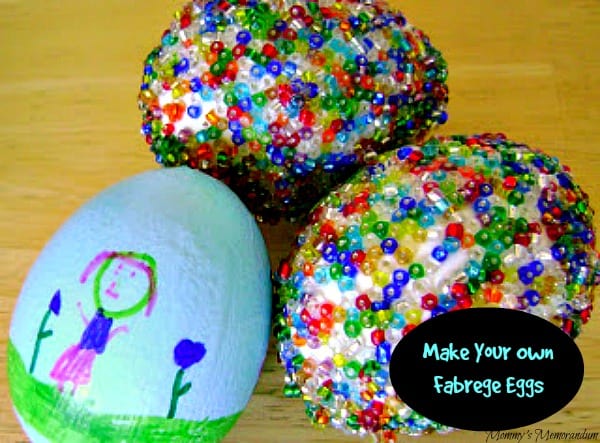
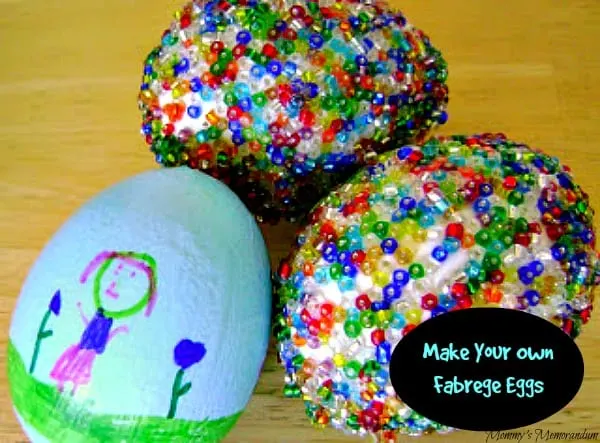
Easter crafts don’t have to be basic when you can turn them into something fabulously over‑the‑top. This DIY Fabergé‑inspired Easter egg craft brings together history, sparkle, and hands‑on creativity in a way that feels downright magical. Think of it as a kid‑friendly introduction to the legendary Romanov Dynasty, the artistry of Peter Carl Fabergé, and the iconic jeweled eggs that have fascinated the world for more than a century.
If you’re looking for an Easter activity that’s meaningful, educational, and absolutely stunning on display, these Fabergé‑style eggs are the perfect blend of art, history, and family fun. Whether you’re crafting with kids, decorating for the holiday, or creating keepsakes to treasure for years, this project turns simple egg shells into miniature masterpieces.
Before we dive in, you can explore more Easter inspiration in my guide to Easter or learn about the real history behind these iconic treasures in Romanov Dynasty egg famous. Ready to get fancy?
Why You’ll Love This Fabergé Egg Craft
This isn’t your average Easter egg project — it’s a hands‑on history lesson wrapped in glitter and creativity.
- Combines art, storytelling, and history in one memorable activity
- Kid‑friendly and customizable for all ages
- Budget‑friendly using simple household supplies
- Encourages fine motor skills and artistic expression
- Creates a keepsake worthy of your Easter display
- Perfect for homeschool lessons, classroom crafts, or family crafting nights
If you want even more creative Easter fun, check out these hands‑on Easter Egg ideas.
Supplies
- Raw eggs (for blowing out shells)
- Water for cleaning
- Oven (for baking shells)
- Decoupage medium (Mod Podge or similar)
- Paintbrushes or foam brushes
- Decorative beads, glitter, sequins, or embellishments
- Paints and/or permanent markers (optional)
- Paper towels or drying rack
How to Make Fabergé‑Inspired Easter Eggs
Step 1: Prepare the Egg Shells
Carefully blow out the contents of each egg to create hollow shells. Rinse thoroughly with water to remove any residue.
Step 2: Clean and Dry
Allow the shells to dry completely before decorating. This helps the decoupage adhere properly.
Step 3: Bake for Stability
Place the empty shells in a preheated oven at 350°F for about 10 minutes. This strengthens and sanitizes the eggs. Let them cool for at least 15 minutes.
Step 4: Apply Base Sealant
Using a brush, apply a thin, even coat of decoupage medium over the entire egg. This seals cracks and creates a smooth base.
Step 5: Initial Drying Time
Let the eggs dry for about 4 hours or until fully set.
Step 6: Add Decorative Elements
Apply another layer of decoupage and gently roll or press the egg into beads, glitter, or embellishments.
Step 7: Repeat for Full Coverage
Allow the eggs to dry for 2 hours, then repeat the decorating process if you want more texture or sparkle.
Step 8: Final Drying
Let the finished eggs dry overnight for maximum durability and shine.
Expert Tips for Fabergé‑Style Success
- Use a needle tool or egg blower to make emptying the eggs easier
- Rotate eggs during drying to prevent drips or uneven texture
- Apply thin layers of decoupage to avoid clumping
- Work in small sections when adding beads for better control
- Use a drying rack to keep eggs smudge‑free and perfectly shaped
Variations & Creative Ideas
- Painted Fabergé Eggs: Use metallic or pearlized paints for a jeweled effect
- Themed Eggs: Match colors to holidays, family traditions, or décor
- Mixed Media Designs: Combine ribbon, beads, glitter, and dried flowers
- Personalized Eggs: Add initials, names, or meaningful symbols
- Nature‑Inspired Eggs: Press dried flowers or leaves into the decoupage layer
Serving Suggestions (Display & Use Ideas)
These Fabergé‑style eggs are too pretty to hide — though you can if you want to surprise someone.
- Display in decorative Easter baskets
- Use as table centerpieces for holiday gatherings
- Add to Easter egg hunts as non‑edible treasures
- Gift as handmade keepsakes
- Showcase on mantels, shelves, or tiered trays
FAQs About Fabergé‑Inspired Easter Eggs
What is a Fabergé egg?
Fabergé eggs were ornate jeweled eggs created by Peter Carl Fabergé for the Russian imperial family during the Romanov era.
Are blown eggs safe for kids to handle?
Yes — with supervision. Adults should handle the blowing process, while kids can decorate.
How long do DIY Fabergé eggs last?
When sealed and stored properly, they can last for years.
Can I skip baking the eggs?
Baking helps sanitize and strengthen the shells, but it’s optional if you handle them gently.
What’s the best adhesive for decorations?
Decoupage medium works best because it acts as both glue and sealant.
Final Thoughts
This Fabergé‑inspired Easter egg craft is more than a fun holiday activity — it’s a chance to blend creativity, history, and family bonding into something truly special. With just a few simple supplies, you can transform ordinary eggs into dazzling keepsakes that celebrate both tradition and imagination.
Whether you’re crafting with kids, decorating your home, or looking for a meaningful Easter project, these jeweled eggs bring a touch of elegance and storytelling to your holiday celebrations. They’re beautiful, educational, and delightfully egg‑stravagant — everything an Easter craft should be.
If you want more Easter inspiration, don’t forget to explore my full collection of Easter ideas.