How to Crumb Coat a Cake (and Finally Frost Without the Chaos)
Because even the most rebellious crumbs deserve boundaries
If frosting a cake has ever felt like herding crumbs, you’re in good company. One swipe of the spatula and suddenly your smooth buttercream dreams turn into a blizzard of speckles. It’s the moment every home baker knows too well: you’re aiming for bakery-perfect, but your cake insists on looking… enthusiastically homemade.
Enter the crumb coat—the quiet, dependable hero of polished cakes everywhere. Some bakers affectionately call it “dirty icing,” but don’t let the name fool you. This simple, strategic layer is the difference between a cake that looks charmingly rustic and one that looks ready for its close-up.
Whether you’re working with classic buttercream, silky ganache, or a tangy option like cream cheese frosting,
the crumb coat is the step that transforms frustration into frosting confidence.
Why You’ll Love This Technique
- Creates a smooth, professional-looking final frosting layer
- Prevents loose crumbs from ruining your outer coat
- Makes decorating easier and far less frustrating
- Works with buttercream, cream cheese frosting, and ganache
- Beginner-friendly and requires only basic tools
Ingredients
- Baked cake layers, cooled completely
- Frosting of choice (buttercream, cream cheese frosting, or preferred icing)
For flavor inspiration, try pairing this technique with marshmallow frosting, chocolate frosting, or a bright twist like orange dreamsicle frosting.
How to Crumb Coat a Cake
Step 1: Prepare the Cake
Start with cake layers that are fully cooled, filled, stacked, and level. A stable base is essential before frosting. If you’re troubleshooting texture or structure, our guide on butter vs. margarine for cakes offers helpful insight.
Step 2: Apply a Thin Base Layer
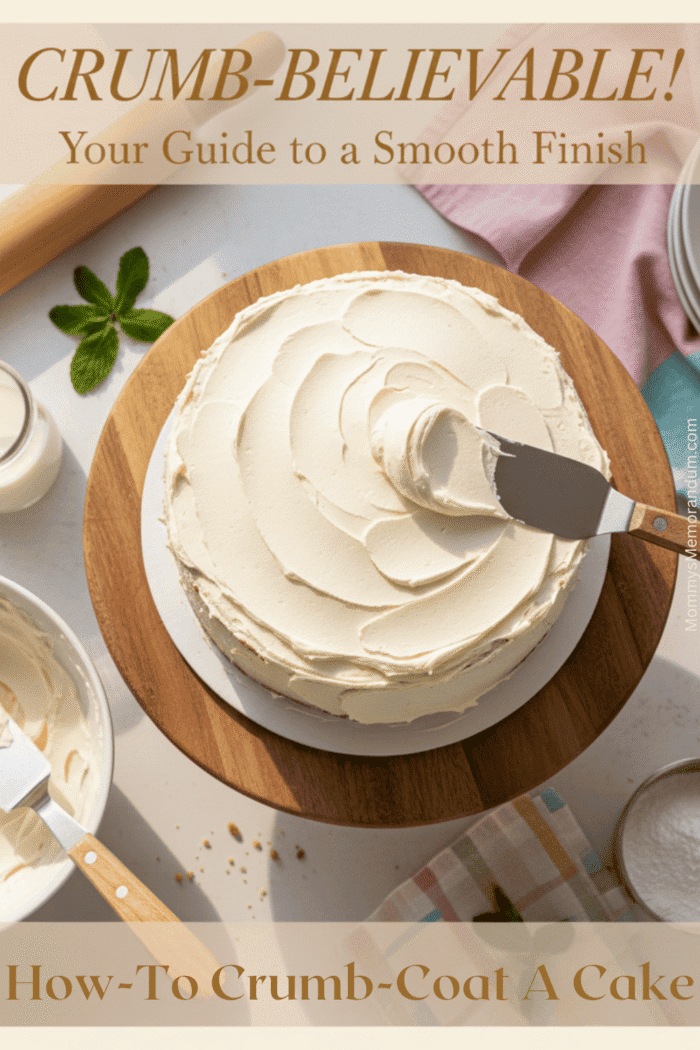
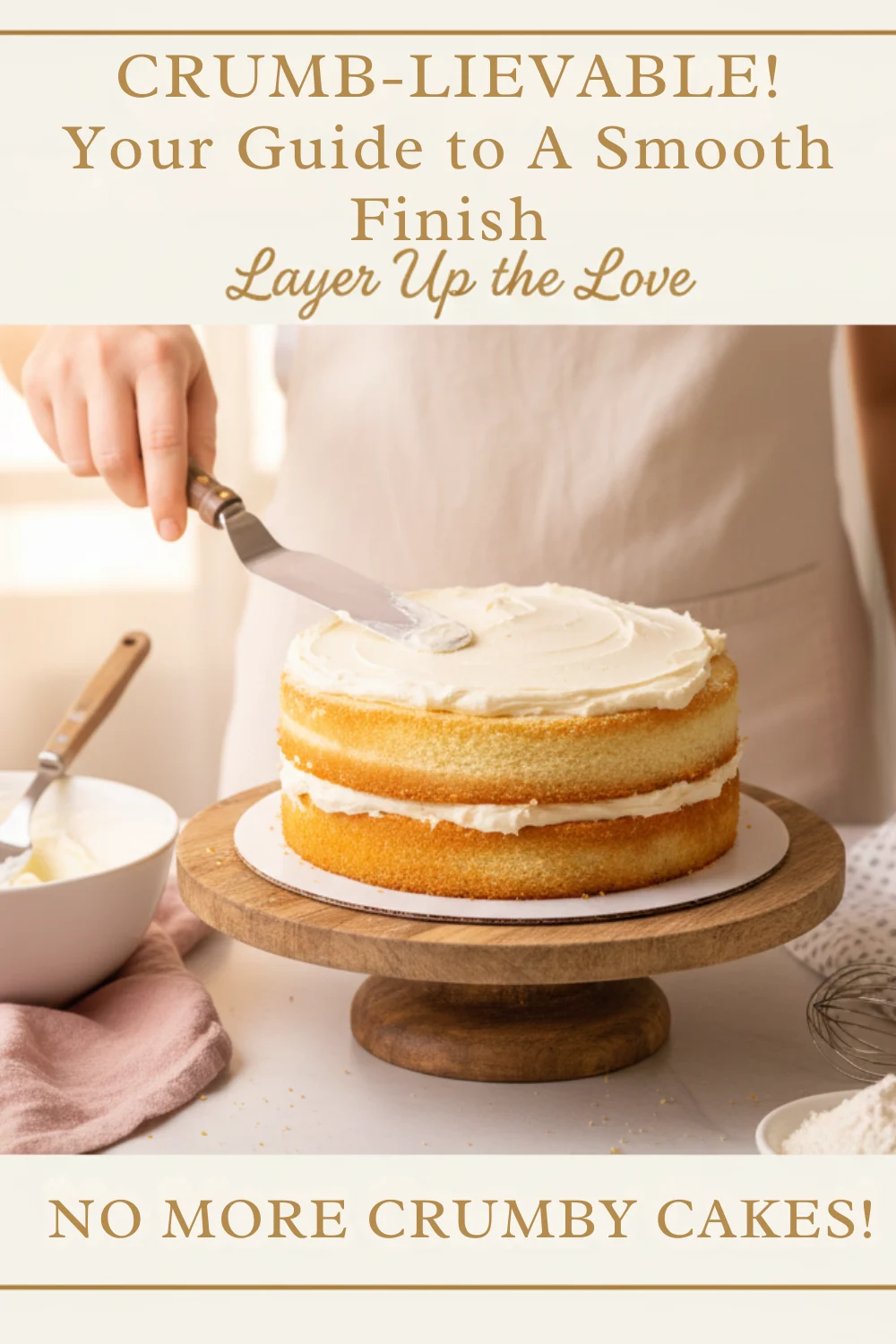
Using a small offset spatula, spread a very thin layer of frosting over the top of the cake, then around the sides. Focus on sealing in crumbs rather than smoothing—crumbs mixing into the frosting is expected at this stage.
Step 3: Stabilize as You Frost
Support the opposite side of the cake with your free hand while frosting. This prevents shifting caused by spatula pressure, especially with taller or softer cakes.
Step 4: Chill to Set
Refrigerate the cake until the crumb coat is firm and no longer tacky, about 20–30 minutes. Chilling creates a stable, crumb-free surface for the final layer.
Step 5: Finish with Confidence
Once set, apply your final frosting layer. The crumb coat acts as a barrier, keeping the outer layer smooth and polished.

Expert Tips for a Flawless Crumb Coat
- Use less frosting than you think—thin is the goal
- Clean your spatula often to avoid spreading crumbs
- Chill between steps for better control and cleaner results
- A turntable can make the process easier—many bakers love a complete cake decorating kit or a quality
angled icing spatula set
Variations & Creative Tips
- Chocolate cakes: Use chocolate frosting for the crumb coat to avoid light specks
- Layer cakes: Chill briefly between stacking and coating for added stability
- Ganache: A thin ganache crumb coat works beautifully under buttercream
- Rustic cakes: Even naked cakes benefit from a light crumb seal
Serving & Decorating Suggestions
A crumb coat sets the stage for piped borders, fondant, textured finishes, or sleek buttercream designs. It’s especially helpful for celebration cakes like toffee layered chocolate cake or seasonal favorites like pumpkin spice cake.
For adventurous bakers, this technique pairs beautifully with hummingbird cake or the nostalgic charm of
Idaho chocolate potato cake.
FAQs
What is a crumb coat?
A crumb coat is a thin layer of frosting applied to seal loose crumbs before the final decorative layer.
Do I need to crumb coat every cake?
Not always, but it’s strongly recommended for layered cakes or smooth finishes.
How long should a crumb coat chill?
About 20–30 minutes, or until the frosting feels firm and dry to the touch.
Can I crumb coat a cake the day before?
Yes. Once set, lightly wrap and refrigerate overnight.
Final Thoughts
Crumb coating may seem optional—until you skip it. This simple step saves time, improves appearance, and removes the stress from cake decorating. Once you master it, you’ll never frost a cake without one again.
This baking technique how-to was originally published August 31, 2014, and updated January 5, 2026, with improved instructions, updates, and new photos.