
Homemade Salsa Lizano Recipe (Costa Rican-Style Sauce)
This homemade Salsa Lizano recipe makes a smooth, tangy Costa Rican-style sauce with dried chiles, onion, carrot, molasses, lemon juice, vinegar, and warm spices. Spoon it over rice and beans, drizzle it over eggs, or give grilled chicken a little vacation from ordinary.
Allow about 35 minutes of preparation and cooking time, plus cooling before blending. The recipe yields approximately 2 cups. This homemade Lizano-style sauce has adjustable sweetness, acidity, and pepper; it is not the original bottled formula.
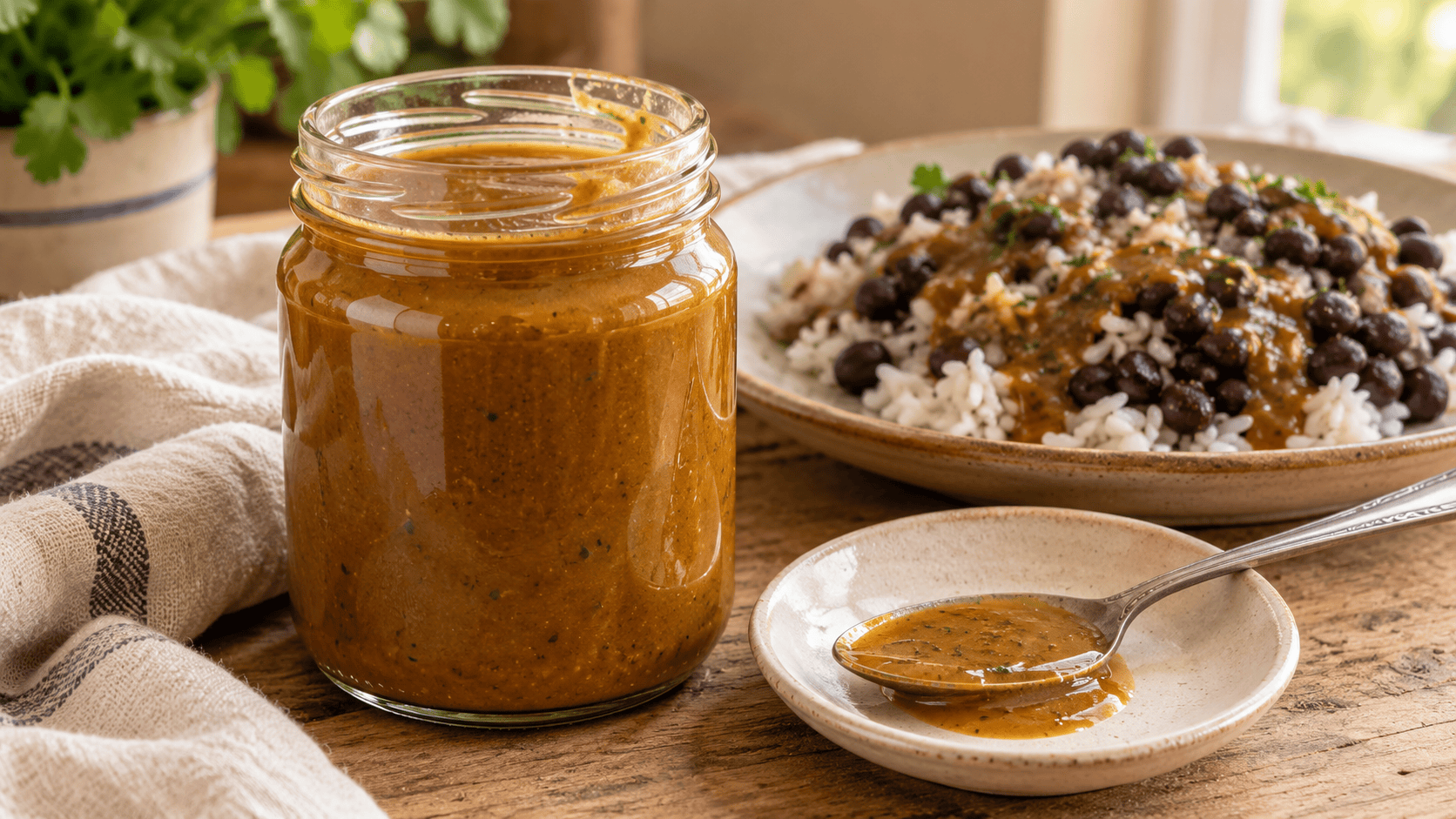
Watch How to Make Homemade Salsa Lizano
Watch the preparation, then follow the detailed instructions below. Let the cooked chiles and their liquid cool to room temperature before placing them in the blender.
What Is Salsa Lizano?
Salsa Lizano is a Costa Rican condiment especially associated with gallo pinto, a rice-and-beans dish. It is a smooth table sauce used during cooking and as a finishing condiment.
Its appeal is the balance of savory vegetables, sweetness, acidity, and spices. Its role is somewhat like Worcestershire or steak sauce: a small amount can brighten a whole plate, although the flavors are different.
This homemade version uses dried chiles for depth, carrot and onion for body, and molasses, lemon juice, vinegar, and spices for a sweet-savory-tangy balance.
What Does Homemade Lizano Sauce Taste Like?
This version is tangy, savory, lightly sweet, and warmly spiced. The dried chiles contribute flavor and some heat; their variety and size affect the finished sauce.
The goal is a smooth, pourable condiment. Start with a small amount of black pepper and taste the blended sauce on a spoonful of rice or beans before deciding whether it needs more seasoning.
Salsa Lizano Ingredients
Gather your ingredients before beginning. For the best control over seasoning, use water or unsalted vegetable stock.
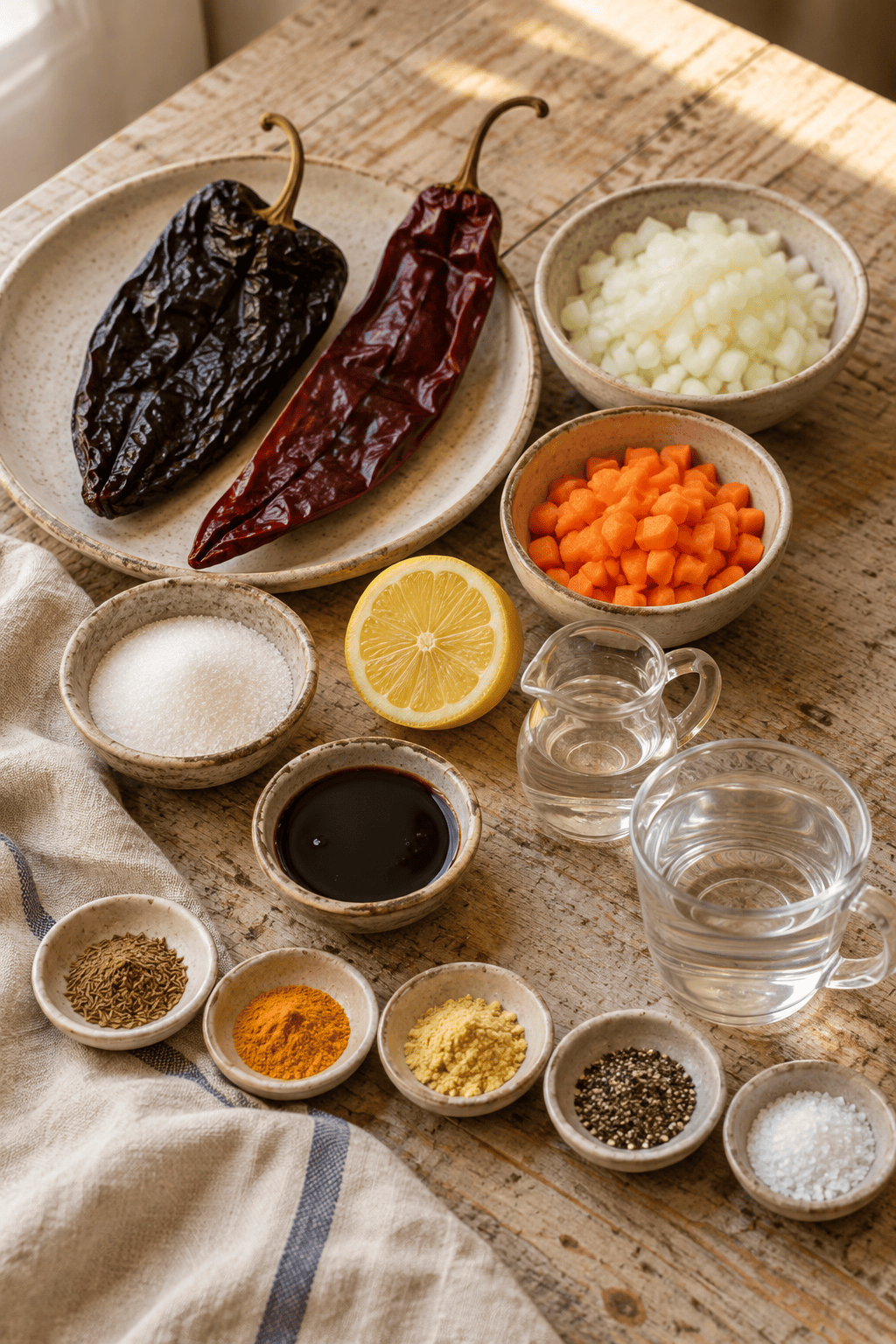
2 dried chiles, stems, seeds, and inner ribs removed: Use guajillo chiles, ancho chiles, or one of each. Chile size and heat vary, so choose mild varieties.
1 cup (240 milliliters) water or vegetable stock, plus extra as needed: Use this to soften the chiles. After simmering, restore the cooking liquid to 1 cup before cooling and blending.
½ cup finely chopped yellow onion: Measure with a dry measuring cup. Small pieces blend more easily.
1 medium carrot, peeled and finely chopped: Adds sweetness and body. Cut it into small pieces for easier blending.
2 tablespoons granulated sugar: Balances the lemon juice and vinegar.
2 tablespoons (30 milliliters) freshly squeezed lemon juice: Adds bright acidity.
1 tablespoon (15 milliliters) white wine vinegar: Provides another layer of tang.
1 tablespoon ground cumin: Adds warm, earthy flavor.
2 teaspoons molasses: Adds deeper sweetness and color. Blackstrap has a stronger, more bitter flavor.
¼ teaspoon ground black pepper to start, with up to 2 teaspoons total to taste: Begin with the smaller amount and add more gradually after blending.
Up to 2 teaspoons salt, to taste: Begin with 1 teaspoon if using water, or less if your vegetable stock is salted. Taste before adding the remainder.
½ teaspoon ground turmeric: Adds earthy flavor and color.
½ teaspoon mustard powder: Adds a subtle savory bite.
Guajillo or Ancho Chiles?
Guajillo chiles bring a brighter, fruity flavor. Ancho chiles contribute deeper sweetness with dried-fruit notes. Use either variety or one of each.
Removing the seeds and inner ribs helps reduce heat, but does not guarantee a heat-free sauce. If you are especially sensitive to spice, begin by blending one softened chile and reserve the second until you have tasted the sauce.
Water or Vegetable Stock?
Water keeps the vegetable and spice flavors distinct. Vegetable stock adds savory depth, but its salt content varies. Choose unsalted or low-sodium stock if you want more control over seasoning.
Equipment
- 3-quart saucepan for softening the dried chiles.
- Blender for processing the vegetables and chiles into a smooth sauce. Let the cooked chiles and liquid cool to room temperature before blending.
- Airtight glass jar for refrigerator storage.
- Fine-mesh strainer, optional, for removing remaining chile-skin or vegetable particles.
- Glass sauce bottles and a small kitchen funnel, optional, for serving the chilled sauce.
How to Make Salsa Lizano
Prepare and Soften the Chiles
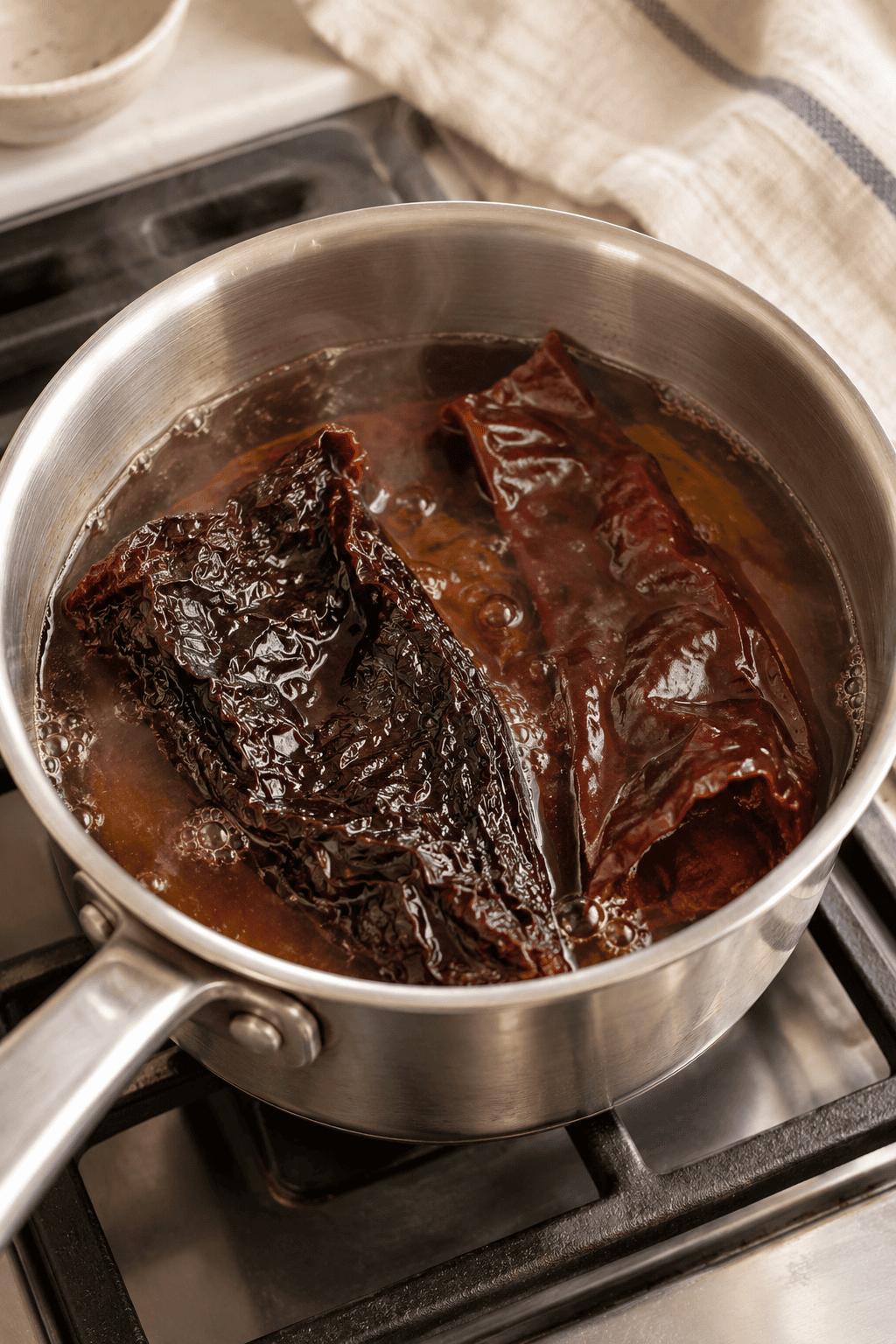
- Prepare the chiles. Remove the stems, seeds, and inner ribs. Place the chiles in a saucepan with 1 cup of water or vegetable stock.
- Soften gently. Bring to a gentle simmer and cook for 10–15 minutes, until the chiles are flexible rather than stiff. Add a little water if needed to keep the pan from drying out.
Measure, Cool, and Blend
- Measure the liquid. Lift out the softened chiles. Measure the remaining cooking liquid and add enough water to bring it back to 1 cup.
- Cool before blending. Let the cooked chiles and measured liquid cool to room temperature. Use a shallow heat-safe container to help them cool more quickly. Do not put hot ingredients into the linked Ninja blender.
- Add the ingredients. Add the cooled chiles and liquid, onion, carrot, sugar, lemon juice, vinegar, cumin, molasses, turmeric, mustard powder, ¼ teaspoon black pepper, and your starting amount of salt.
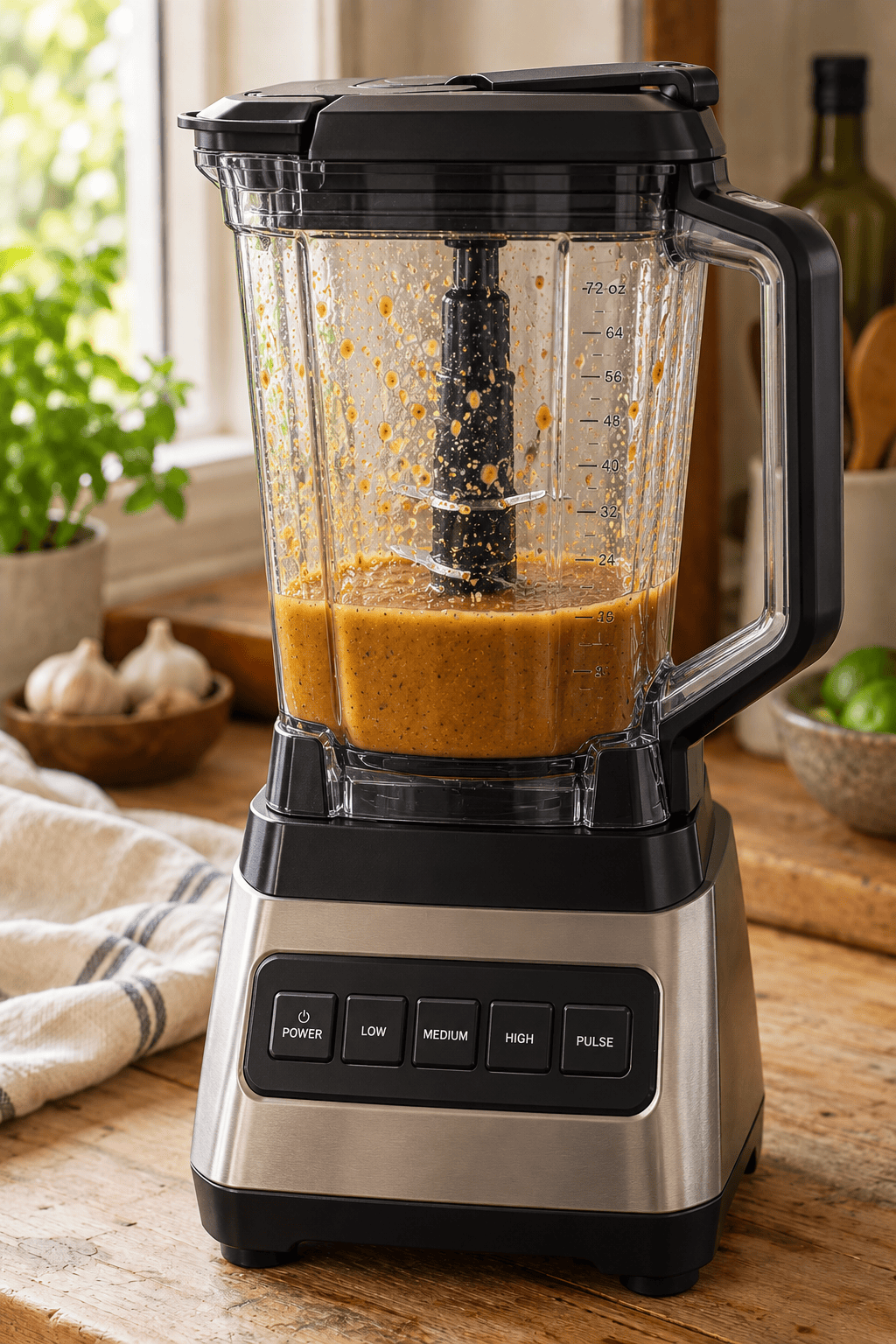
- Blend thoroughly. Secure the lid and begin at low speed. Increase as your appliance allows. Stop the blender before scraping down the container, and follow its instructions around the blades. Blend until no visible carrot or onion pieces remain.
Adjust and Refrigerate
- Check the texture. The sauce should pour from a spoon in a steady stream. If it falls in thick dollops, blend in water 1 tablespoon at a time.
- Taste on food. Try a little sauce on plain rice or beans. Add black pepper in small increments, up to 2 teaspoons total if desired. Add salt only as needed, up to 2 teaspoons total.
- Strain if desired. Pass through a fine-mesh strainer for a smoother texture. Straining will reduce the yield.
- Refrigerate promptly. Transfer to clean, covered containers and chill. Stir before serving and taste again before making further seasoning adjustments.
How to Check Your Finished Sauce
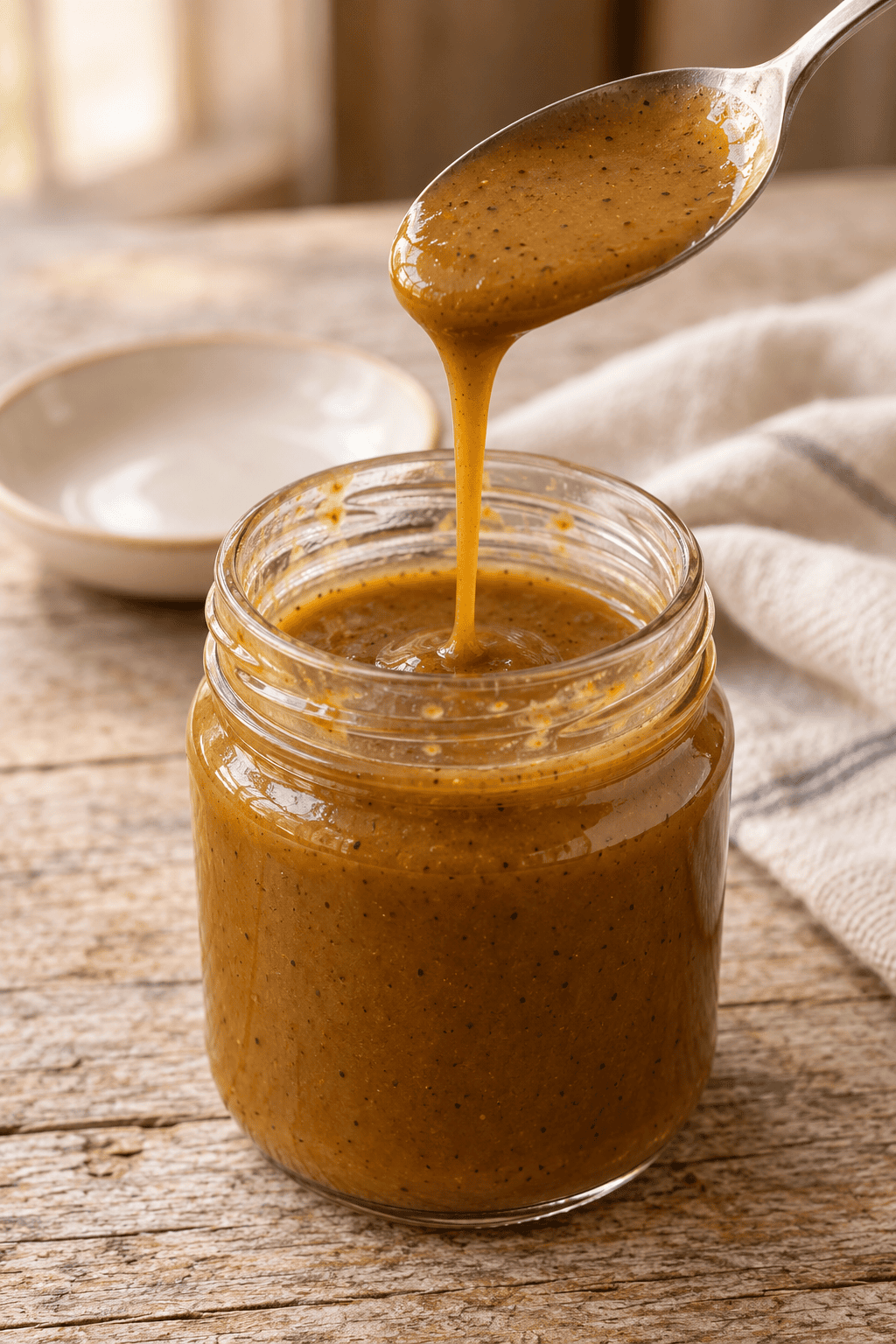
Texture: Smooth enough to drizzle, with no obvious pieces of onion or carrot.
Flavor: Tangy and savory, with enough sweetness to round out the acidity. Pepper should suit your preference rather than overpower the other ingredients.
Yield: Approximately 2 cups before optional straining. Vegetable size and added water can change the final amount.
Final seasoning: Taste on the food you plan to serve. A condiment can taste quite different by itself than it does on rice and beans.
Homemade Salsa Lizano Troubleshooting
The Sauce Is Too Thick
Blend in water 1 tablespoon at a time. Stop when the sauce drizzles easily from a spoon.
The Sauce Is Grainy
Blend again, stopping to scrape down the container as needed. Raw carrot, onion, and chile skins need thorough processing. If particles remain, use a fine-mesh strainer.
The Sauce Is Too Peppery
Stop adding pepper. An additional batch prepared without pepper can dilute an overly peppery batch. Adding sugar alone will not remove the pepper, which is why starting with ¼ teaspoon is helpful.
The Sauce Tastes Too Sharp
Blend in a small pinch of sugar, then taste again on food. Make small adjustments so the sauce stays savory.
The Sauce Tastes Too Sweet
Add lemon juice or vinegar ½ teaspoon at a time. Blend and taste between additions.
The Flavor Seems Flat
Try a small pinch of salt or a little additional acidity before adding more cumin or pepper. If you used salted stock, taste carefully before increasing the salt.
Ways to Use Lizano Sauce
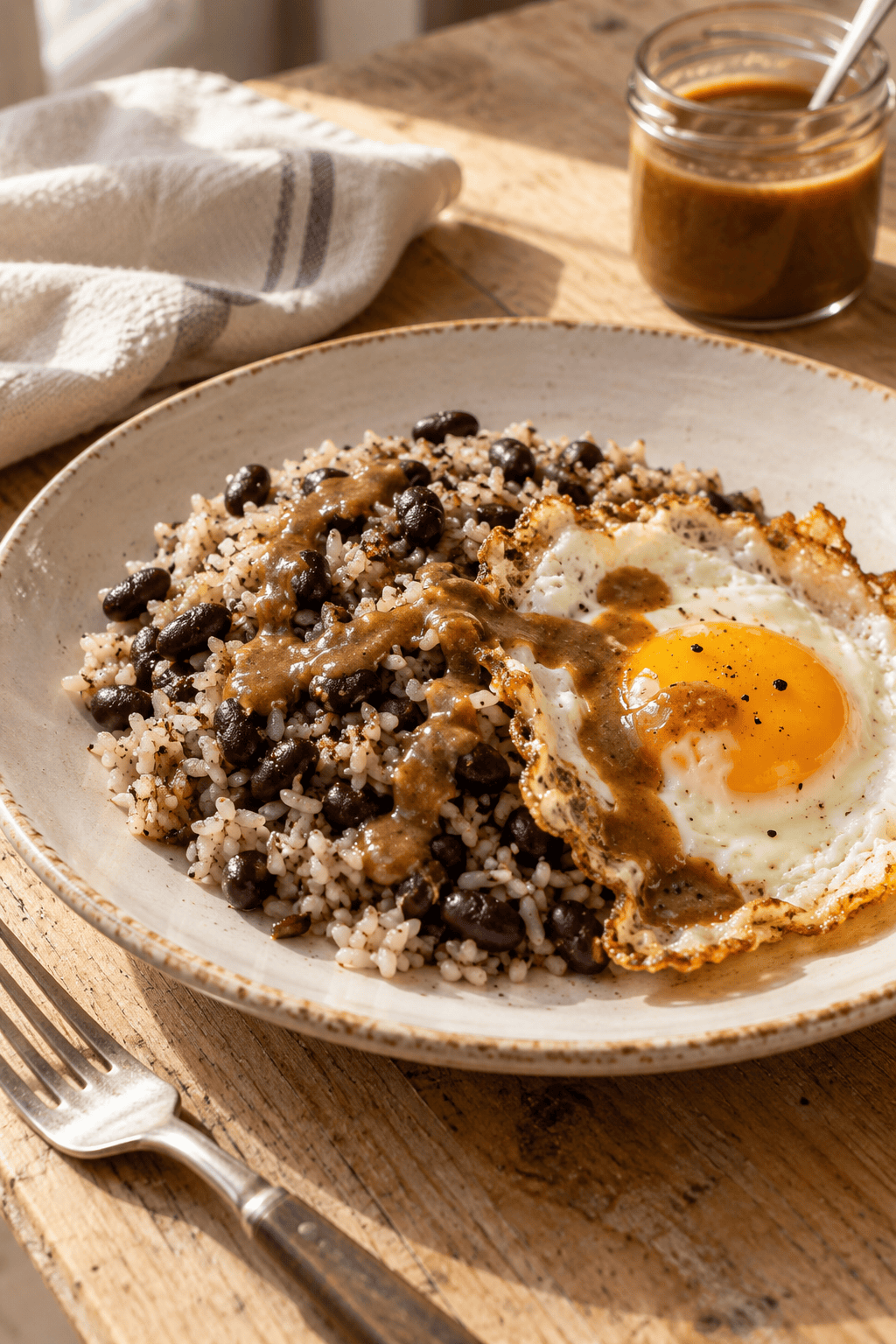
- Rice and beans: Stir in a little during cooking or drizzle over the finished dish.
- Gallo pinto: Use this homemade version as a Lizano-style substitute, adjusting the amount to suit your recipe.
- Eggs and breakfast potatoes: Serve a small spoonful with scrambled eggs, fried eggs, or roasted potatoes.
- Grilled meats and vegetables: Offer it at the table with chicken, pork, beef, or roasted vegetables.
- Tacos and rice bowls: Start with a light drizzle and add more to taste.
- Sandwiches: Mix a little into mayonnaise for a tangy spread.
Build an easy dinner with Instant Pot Cilantro Lime Rice and Cuban Black Beans. These are serving suggestions rather than a traditional gallo pinto recipe.
For a creamy bean option, try my No-Soak Instant Pot Refried Beans. If you need help with the rice, start with my guide to cooking rice in the Instant Pot.
Can This Replace Bottled Salsa Lizano?
Use it as a homemade alternative in dishes where you want a tangy, savory, lightly sweet sauce. Start with a small amount and taste as you go because its flavor and strength differ from bottled Lizano.
If your goal is the original flavor—or you simply want dinner without another round of dishes—keep bottled Salsa Lizano on hand.
Storage and Freezing
This homemade sauce is perishable. Refrigerate promptly in clean, covered containers at 40°F or below. Use a conservative 3–4 day refrigerator window, or freeze extra portions.
The total time at room temperature, including cooling and preparation, should not exceed 2 hours, or 1 hour when temperatures exceed 90°F. Small, shallow containers help the cooked ingredients cool more quickly.
For longer storage, freeze in small freezer-safe containers with room for expansion. Alternatively, freeze portions in an ice cube tray, then transfer the frozen cubes to a freezer bag.
Thaw in the refrigerator and stir before serving. This recipe has not been validated for room-temperature storage or home canning.
Salsa Lizano Recipe FAQs
Is Salsa Lizano Spicy?
This homemade version emphasizes tangy, savory flavor, but dried chiles vary in heat. Choose mild ancho or guajillo chiles and start with ¼ teaspoon black pepper. Add more only after tasting.
Do the Ingredients Need to Cool Before Blending?
Yes. Let the cooked chiles and their liquid cool to room temperature before using the linked blender. Do not blend hot liquids in this model.
Can I Use a Food Processor?
A food processor can combine the ingredients, but may leave more texture than a blender. Use cooled ingredients, respect its liquid capacity, and strain if you want a smoother sauce.
Can I Substitute for Molasses?
A little brown sugar can provide sweetness in a pinch, but will not give exactly the same depth or color. Start with a small amount and taste before adding more.
Can I Make It Ahead?
Yes. Prepare ahead of your meal, refrigerate promptly, and taste again before serving. Stir in a little water if it becomes thicker than you prefer.
Is This the Original Salsa Lizano Recipe?
No. This is a homemade Costa Rican-style sauce inspired by Salsa Lizano. It is not the brand’s proprietary recipe or a promise of an identical flavor.
Homemade Salsa Lizano Recipe (Costa Rican-Style Sauce)
Make a smooth, tangy homemade Lizano-style sauce with dried chiles, carrot, onion, molasses, citrus, and warm spices. This Costa Rican-inspired condiment is delicious with gallo pinto, rice and beans, eggs, and grilled meats. Start with a little black pepper and adjust to taste.
Ingredients
- 2 dried guajillo or ancho chiles, stems, seeds, and inner ribs removed
- 1 cup (240 milliliters) water or vegetable stock, plus extra as needed
- ½ cup finely chopped yellow onion
- 1 medium carrot, peeled and finely chopped
- 2 tablespoons granulated sugar
- 2 tablespoons (30 milliliters) freshly squeezed lemon juice
- 1 tablespoon (15 milliliters) white wine vinegar
- 1 tablespoon ground cumin
- 2 teaspoons molasses
- ¼ teaspoon ground black pepper, plus more to taste, up to 2 teaspoons total
- Up to 2 teaspoons salt, to taste; start with 1 teaspoon or less if using salted stock
- ½ teaspoon ground turmeric
- ½ teaspoon mustard powder
Instructions
1. Remove the stems, seeds, and inner ribs from the dried chiles. Place the chiles in a saucepan with 1 cup of water or vegetable stock.
2. Bring to a gentle simmer. Cook for 10–15 minutes, until the chiles are softened and flexible. Add a little water if necessary to prevent the pan from drying out.
3. Lift out the chiles and reserve them. Measure the remaining cooking liquid, then add enough water to bring it back to 1 cup.
4. Allow the chiles and liquid to cool as required by your blender’s manufacturer. Do not blend hot liquid in a sealed personal blender.
5. Add the softened chiles, measured cooking liquid, onion, carrot, sugar, lemon juice, vinegar, cumin, molasses, turmeric, mustard powder, ¼ teaspoon black pepper, and your starting amount of salt to the blender.
6. Begin blending at low speed and increase as your appliance allows. Stop and scrape down the container as needed. Blend until no visible carrot or onion pieces remain.
7. Check the consistency. The sauce should pour from a spoon in a steady stream. If it is too thick, blend in water 1 tablespoon at a time.
8. Taste a little sauce on plain rice or beans. Add black pepper in small increments to your preference, up to 2 teaspoons total. Add salt only as needed, up to 2 teaspoons total.
9. For an especially smooth texture, pass the sauce through a fine-mesh strainer. Straining is optional and will reduce the yield.
10. Transfer to clean containers and refrigerate promptly. Stir before serving. Optional chilling time allows you to taste and adjust the sauce again before use.
Notes
Equipment
Ingredient Tips
Chiles: Use dried guajillo chiles, dried ancho chiles, or one of each. Guajillo contributes brighter, fruity flavor; ancho contributes deeper sweetness. Chile size and heat vary.
Molasses: Use regular molasses for deeper sweetness and color. Blackstrap has a stronger, more bitter flavor.
Black pepper: Begin with ¼ teaspoon. After blending, add more in small increments, up to 2 teaspoons total, depending on personal taste.
Salt: Begin with 1 teaspoon when using water, or less when using salted vegetable stock. Taste before adding more; you may not need the full 2 teaspoons.
Consistency and Yield
After simmering the chiles, measure the remaining cooking liquid and restore it to 1 cup with water. This prevents evaporation from changing the starting consistency.
The finished sauce should be smooth and pourable. Add extra water 1 tablespoon at a time if needed. Yield is approximately 2 cups before optional straining; vegetable size and added water affect the final amount.
Approximately 2 cups provides 32 servings of 1 tablespoon each.
Troubleshooting
Storage and Freezing
Refrigerate promptly in clean, covered containers at 40°F or below. Use a conservative 3–4 day refrigerator window, or freeze extra portions. Do not leave the sauce at room temperature longer than 2 hours, or 1 hour when temperatures exceed 90°F.
Freeze in small freezer-safe containers with room for expansion, or freeze portions in an ice cube tray and transfer the frozen cubes to a freezer bag. Thaw in the refrigerator and stir before serving.
This recipe has not been validated for home canning or room-temperature storage. Its vinegar and lemon juice do not establish shelf stability.
Make-Ahead Tips
Prepare ahead of your meal and refrigerate promptly. Taste again before serving, making small adjustments to salt, pepper, sweetness, or acidity. Stir in a little water if the chilled sauce is thicker than you prefer.
The 35-minute preparation estimate excludes optional chilling and any additional cooling required by your blender.
Frequently Asked Questions
Is this the original Salsa Lizano recipe?
No. This is a homemade Lizano-style sauce inspired by the Costa Rican condiment, not the brand’s proprietary formula.
Is it spicy?
The recipe emphasizes tangy, savory flavor, but dried chiles vary in heat. Choose mild ancho or guajillo chiles and start with ¼ teaspoon black pepper. For greater control, blend one softened chile first and add the second only after tasting.
Can I use it instead of bottled Lizano?
Use it as a homemade alternative where a tangy, savory, lightly sweet sauce is wanted. Begin with a small amount because its flavor and strength differ from the bottled condiment.
Can I buy the original sauce?
Yes. Keep bottled Salsa Lizano on hand when you want the commercial version.
Can I use a food processor?
Yes, but the sauce may retain more texture. Respect the appliance’s liquid capacity and temperature limits, process thoroughly, and strain if desired.
Can I replace molasses?
A little brown sugar can provide sweetness in a pinch, but the flavor and color will differ. Add gradually and taste.
Serving Suggestions
Drizzle over eggs, breakfast potatoes, grilled meats, roasted vegetables, or rice and beans. Start with a small amount and add more to taste.
Build an easy meal with Instant Pot Cilantro Lime Rice and Cuban Black Beans. These are serving suggestions rather than a traditional gallo pinto recipe.
For another bean option, try No-Soak Instant Pot Refried Beans.
Next Recipe to Try
Make my Copycat Taco Bell Red Sauce next, or explore more Copycat Recipes.
Nutrition Information:
Yield:
32Serving Size:
1 tablespoonAmount Per Serving: Calories: 11Total Fat: 0gSaturated Fat: 0gUnsaturated Fat: 0gSodium: 26mgCarbohydrates: 2gFiber: 0gSugar: 2gProtein: 0g
The Nutritional Information may not be accurate.
Save This Salsa Lizano Recipe
Save the recipe for your next rice-and-beans dinner, breakfast plate, or homemade-sauce adventure.
Next Recipe to Try
Keep the homemade-sauce streak going with my Copycat Taco Bell Red Sauce, or browse the Copycat Recipes collection for your next kitchen adventure.