
Homemade Whipped Cream Recipe
Homemade whipped cream takes just a few minutes to make with cold heavy whipping cream, a little confectioners’ sugar, and optional vanilla. Start whipping slowly, increase the speed as the cream thickens, and stop when it reaches the soft, medium, or stiff peaks you need.
This easy homemade whipped cream is light, fluffy, and fresher tasting than store-bought whipped topping. Use it on pies, cakes, berries, waffles, hot chocolate, coffee, and just about any dessert that needs a creamy finishing touch.
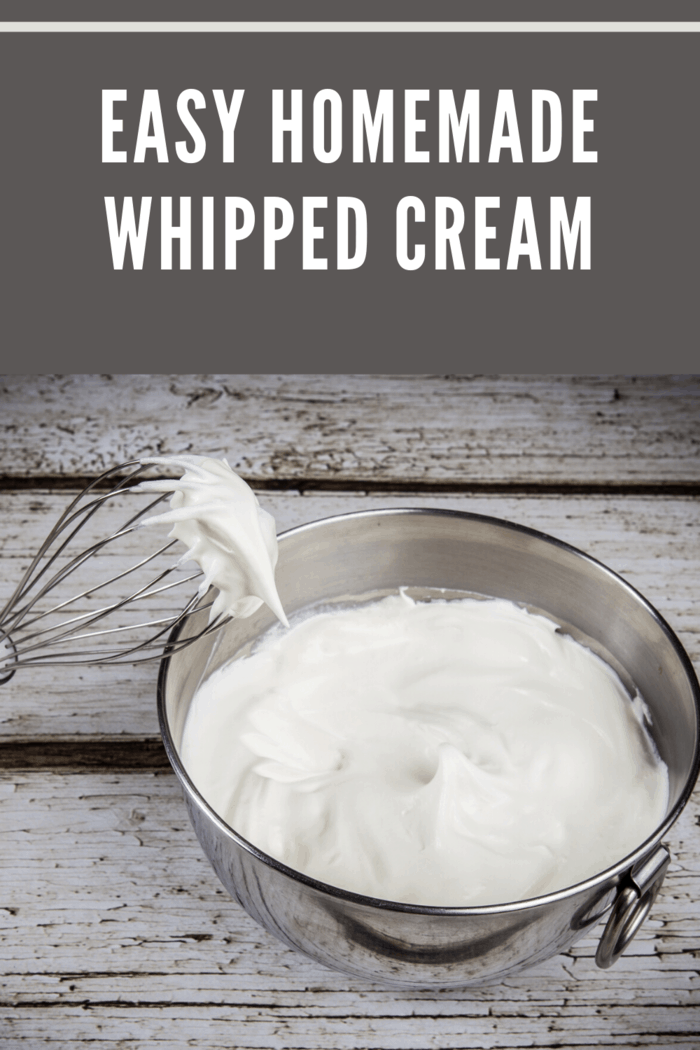

Why You’ll Love This Homemade Whipped Cream
- Ready in minutes: Whipping usually takes about 3 to 5 minutes once you start mixing.
- Just a few ingredients: You need heavy whipping cream, sweetener, and optional vanilla.
- Fresh and fluffy: Homemade whipped cream has a soft, airy texture and fresh cream flavor.
- Easy to customize: Stop at soft peaks for dolloping or continue to firmer peaks for piping.
- Versatile: Spoon it over pies, cakes, fruit, waffles, hot drinks, and other desserts.
Ingredients for Homemade Whipped Cream
- 1 cup cold heavy whipping cream
- 1 tablespoon confectioners’ sugar or simple syrup
- 1 teaspoon vanilla extract, optional
Ingredient Notes
- Heavy whipping cream: Use very cold heavy whipping cream for the best volume and structure.
- Confectioners’ sugar: It dissolves easily and gives the whipped cream a smooth texture. The small amount of cornstarch commonly found in powdered sugar can also help reduce weeping.
- Simple syrup: This can be used instead of confectioners’ sugar if you prefer a liquid sweetener.
- Vanilla extract: Optional, but it gives homemade whipped cream the classic vanilla flavor many people expect.
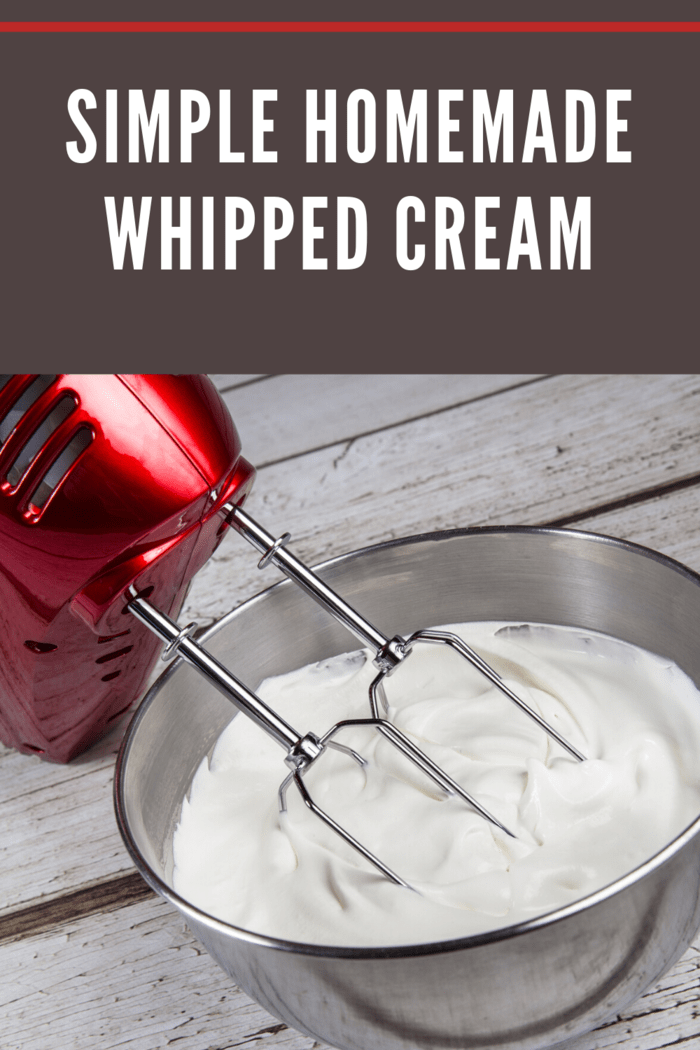
How to Make Homemade Whipped Cream
- Chill the bowl and beaters. Place a metal mixing bowl and whisk or beaters in the freezer for 15 to 30 minutes.
- Add the ingredients. Pour the cold heavy whipping cream into the chilled bowl. Add the confectioners’ sugar or simple syrup and vanilla, if using.
- Start whipping slowly. Beat on low speed at first to begin incorporating air without splashing.
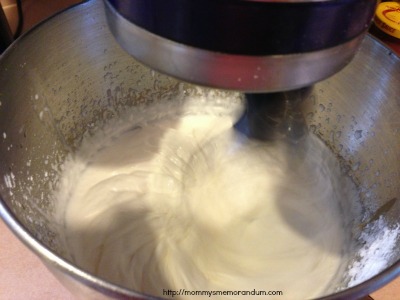
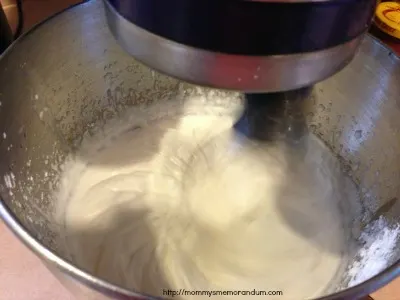
- Increase the speed. Once the cream begins to thicken, increase to medium speed.
- Watch for peaks. Continue whipping until the cream reaches soft, medium, or stiff peaks, depending on how you plan to serve it.
- Stop before it turns grainy. The whipped cream should look smooth, fluffy, and creamy. Use immediately or refrigerate until serving.
Watch How to Make Homemade Whipped Cream
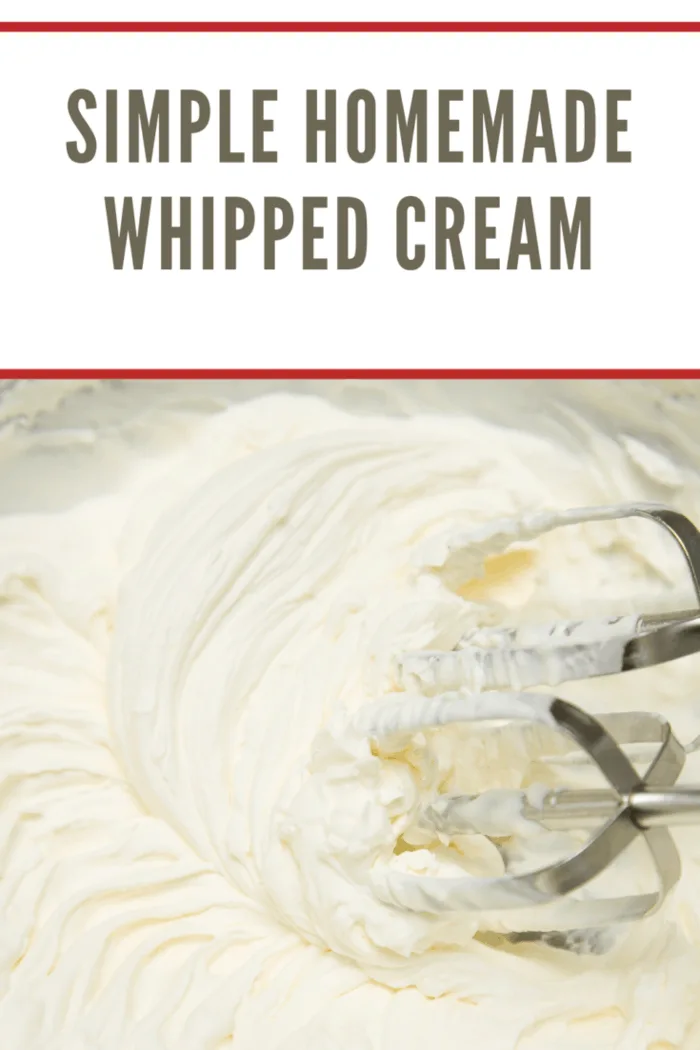
Watch how quickly cold heavy cream transforms into a thick, fluffy homemade topping. The key is to keep whipping only until the cream holds its shape—once it looks smooth and creamy, stop before it becomes grainy or starts turning into butter.
Soft Peaks vs. Stiff Peaks
Knowing when to stop whipping is one of the most important parts of making homemade whipped cream.
- Soft peaks: Lift the whisk and the peak gently folds over. Soft peaks are perfect for spooning over pies, fruit, and drinks.
- Medium peaks: The whipped cream holds its shape more firmly but still looks soft and creamy.
- Stiff peaks: The peak stands upright when you lift the whisk. Stiff peaks work well when you want the whipped cream to hold its shape for piping or decorating.
Do not keep whipping once the cream looks grainy. At that point, the fat is beginning to separate and the cream is moving toward butter.
How Long Does It Take to Whip Cream?
Most homemade whipped cream reaches the right consistency in about 3 to 5 minutes of mixing. The exact time depends on your mixer, speed, batch size, and how cold the cream and equipment are.
Cold cream whips more reliably, which is why chilling the bowl and beaters before you begin is worth the extra few minutes.
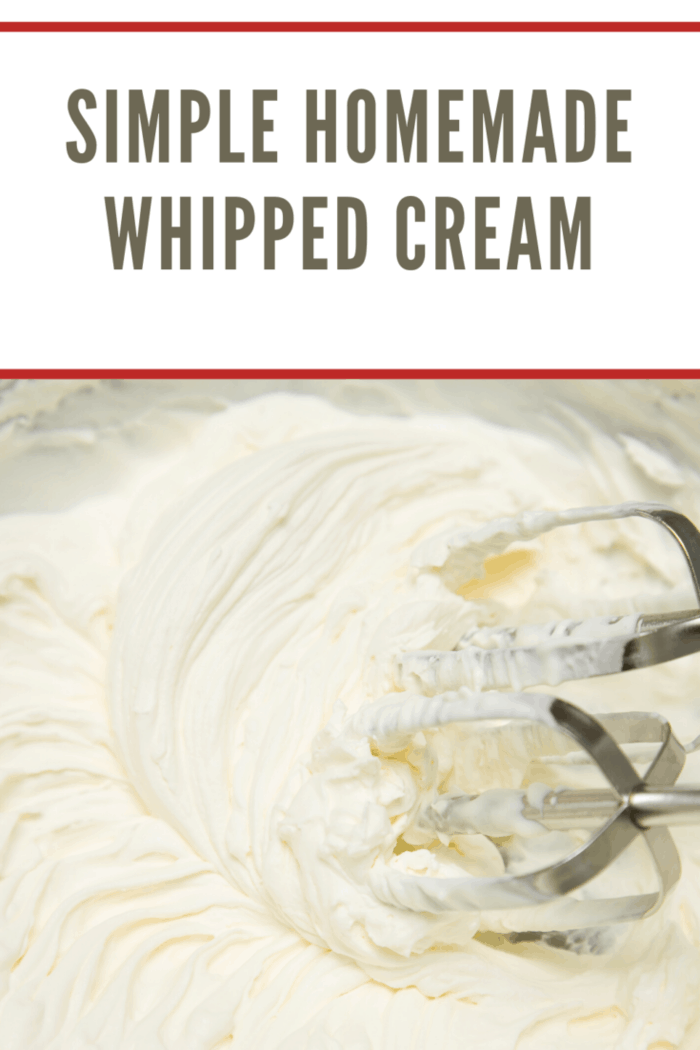
Expert Tips for the Best Homemade Whipped Cream
- Start with very cold heavy whipping cream straight from the refrigerator.
- Chill the mixing bowl and beaters before you begin.
- Start at low speed and gradually increase the speed as the cream thickens.
- Confectioners’ sugar dissolves easily and helps create a smooth texture.
- Keep an eye on the cream once it begins thickening because the change from perfect peaks to over-whipped cream can happen quickly.
- Stop whipping as soon as the cream holds the shape you want.
- Add vanilla extract for classic vanilla whipped cream flavor.
How to Fix Over-Whipped Cream
If your whipped cream starts looking grainy, overly thick, or slightly separated, you may still be able to save it.
Add 1 to 2 tablespoons of cold heavy cream and whisk on low speed just until the whipped cream becomes smooth and creamy again.
If the mixture has separated too far and is already turning into butter, the whipped cream stage has passed. You can continue whipping and turn it into sweet homemade butter rather than throwing it away.
Can You Stabilize Homemade Whipped Cream?
Yes. Stabilized whipped cream is useful when you need a topping that will hold its shape longer for cakes, cupcakes, layered desserts, or make-ahead recipes.
Confectioners’ sugar is helpful because it commonly contains a small amount of cornstarch. You can also add about 1 tablespoon of instant vanilla pudding mix per cup of heavy cream before whipping when you need extra staying power.
Homemade Whipped Cream Variations
Once you know the basic method, you can use this recipe as the starting point for flavored whipped cream.
- Maple Whipped Cream for pancakes, waffles, coffee drinks, and fall desserts.
- Cinnamon Whipped Cream for apple desserts, pumpkin pie, coffee, and holiday treats.
- Marshmallow Whipped Cream for hot chocolate, cupcakes, and layered desserts.
What to Serve with Homemade Whipped Cream
This easy whipped cream works with almost any dessert that could use a cool, creamy topping. Try it with:
- Pies and cobblers
- Cakes and cupcakes
- Waffles, pancakes, and crepes
- Fresh berries and fruit
- Hot chocolate and coffee drinks
- Ice cream, pudding, mousse, and layered desserts
It is especially good spooned over peach cobbler, served with layered mousse, or floated on a mug of Nutella hot chocolate.
Perfect With Summer Desserts, Holiday Pies, and Cozy Drinks
Homemade whipped cream earns a place in the kitchen all year long. Spoon it over fresh berries and no-bake desserts during summer, use it to finish pumpkin and holiday pies in fall and winter, or add a generous dollop to hot chocolate and coffee.
For an easy dessert spread, pair it with sugar-free Jello pudding pops, homemade vanilla ice cream, or homemade hot cocoa.
How to Store Homemade Whipped Cream
Store homemade whipped cream in an airtight container in the refrigerator for up to 2 days. For the best texture and appearance, use it as soon as possible.
If it softens slightly while refrigerated, whisk it gently before serving. Avoid aggressively re-whipping it or you may push it past the ideal texture.
Can You Make Whipped Cream Ahead of Time?
Yes. You can make homemade whipped cream ahead and refrigerate it until you need it. If you need it to hold its shape for an extended period—especially for piping, decorating, or a make-ahead dessert—consider using a stabilized whipped cream method.
Homemade Whipped Cream FAQs
Can I use granulated sugar instead of confectioners’ sugar?
Yes. Granulated sugar can be used, but confectioners’ sugar dissolves more easily and usually gives the whipped cream a smoother texture.
Why is my whipped cream not thickening?
The cream, bowl, or beaters may be too warm. Start with cold heavy whipping cream and chilled equipment. Heavy whipping cream also has the fat content needed to create a stable whipped texture.
How do I know when whipped cream is done?
Lift the whisk or beaters and look at the peak. Stop at soft, medium, or stiff peaks depending on how you plan to use the whipped cream. The mixture should still look smooth and creamy rather than grainy.
What is the best cream for homemade whipped cream?
Heavy whipping cream is the best choice because its higher fat content allows it to trap air and whip into a light, stable topping.
Can homemade whipped cream be frozen?
Yes. Pipe or spoon individual dollops onto a parchment-lined baking sheet and freeze until firm. Transfer the frozen dollops to a freezer-safe container. The texture may change slightly after thawing, but frozen whipped cream works especially well for topping hot drinks and desserts.
Why did my whipped cream turn into butter?
It was whipped too long. Once whipped cream passes the stiff-peak stage, the fat begins separating from the liquid. Stop mixing as soon as the cream holds the texture you need.
Related Homemade Dessert Basics
Homemade Whipped Cream Recipe

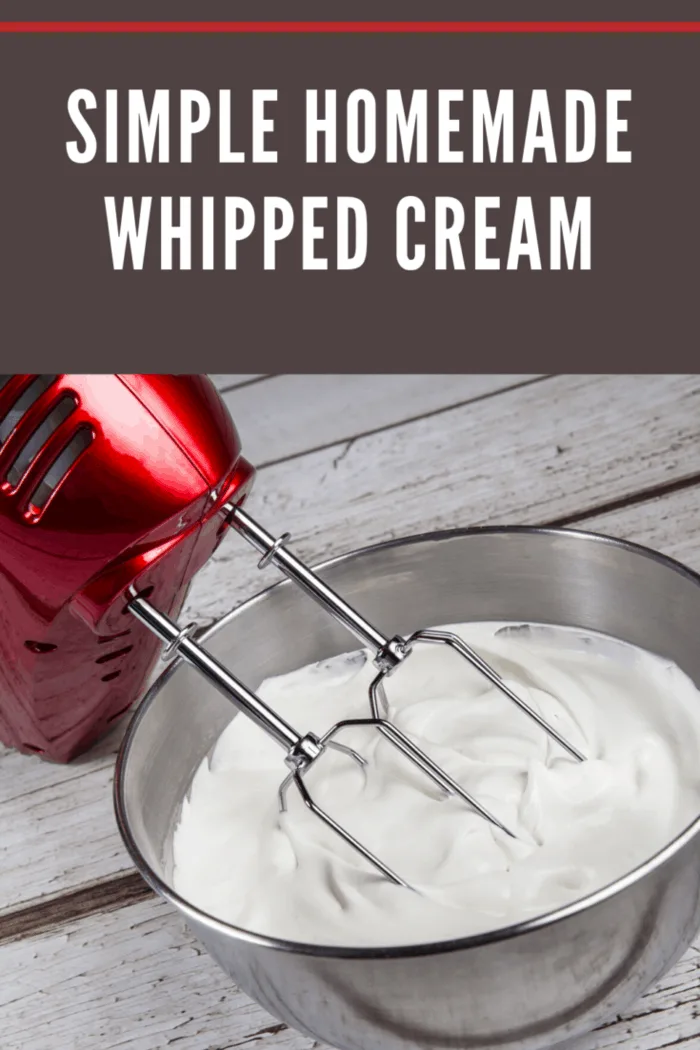
Learn how to make homemade whipped cream that’s light, fluffy, and perfectly sweet in minutes. This easy 3-ingredient whipped cream recipe is perfect for topping pies, cakes, coffee, hot chocolate, and fresh fruit.
Ingredients
- 1 cup (240 ml) heavy whipping cream
- 1 teaspoon (5 ml) vanilla extract
- 1 tablespoon (15 ml) confectioners' sugar or simple syrup
Instructions
- Place a mixing bowl and whisk or beaters in the freezer for 15 to 30 minutes until chilled.
- Pour the cold heavy whipping cream into the chilled bowl. Add confectioners’ sugar and vanilla extract, if using.
- Begin beating on low speed, then gradually increase to medium speed as the cream thickens.
- Continue whipping until soft peaks form for a light texture, or continue to medium or stiff peaks for a firmer whipped cream.
- Stop mixing as soon as the desired consistency is reached to avoid over-whipping.
- Serve immediately, or store in an airtight container in the refrigerator for up to 2 days.
Notes
- Use very cold heavy whipping cream for best results.
- Confectioners’ sugar helps stabilize whipped cream and keeps it smooth.
- If over-whipped, add 1–2 tablespoons cold cream and mix on low speed to restore texture.
- For a stronger structure, use powdered sugar or add a small amount of instant pudding mix.
Notes
For flavor variations, try:
Recommended Products

Nutrition Information:
Yield:
10Serving Size:
1Amount Per Serving: Calories: 90Total Fat: 9gSaturated Fat: 6gUnsaturated Fat: 3gCholesterol: 29mgSodium: 7mgCarbohydrates: 1gSugar: 1gProtein: 1g
The Nutritional Information may not be accurate. This website provides approximate nutrition information for convenience and as a courtesy only. Nutrition data is gathered primarily from the USDA Food Composition Database, whenever available, or otherwise other online calculators.