
How Long Does It Take for At-Home Derma Roller to Work?
An at-home derma roller is a small microneedling tool with tiny needles that gently puncture the skin’s surface to support smoother-looking skin, better product absorption, and a more refreshed skincare routine when used carefully and consistently.
Most people should think in weeks and months, not overnight miracles: small glow or texture changes may show up sooner, but more visible derma roller results often take several months of steady, safe use.
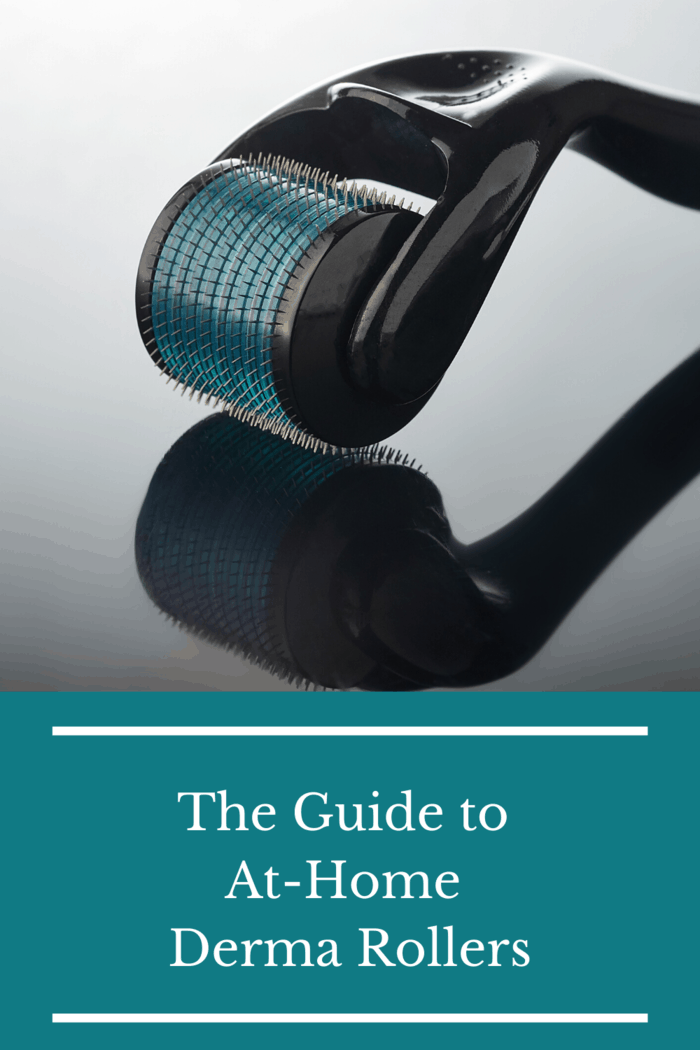

How Long Does It Take for At-Home Derma Roller to Work?
The simple answer: an at-home derma roller can take about 3 to 6 months to show more noticeable-looking results, especially for texture, fine lines, and overall skin smoothness. Some people notice a temporary glow or softer-feeling skin after the first few sessions, but collagen-related changes take time.
If you are asking how long does derma roller take to work, the answer depends on what you are trying to improve. Mild dullness or product absorption may seem better within a few uses. Uneven texture, fine lines, and the look of older acne marks usually need multiple sessions spaced out over time. Deeper skin concerns should be handled by a dermatologist or licensed professional, not treated aggressively at home.
Professional microneedling guidance often talks about treatments spaced several weeks apart and results building gradually over 3 to 6 months. Cleveland Clinic notes that microneedling may require multiple treatments spaced about 3 to 8 weeks apart, with results taking 3 to 6 months to appear. The FDA also cautions that microneedling devices can cause skin damage, redness, bruising, peeling, infection risk, and other side effects if used improperly.
This is why I like to think of at-home derma rolling as a careful, patient skincare habit rather than a “let’s fix everything by Friday” beauty trick. Your skin is doing the work behind the scenes, and it deserves time to heal between sessions.
Readers Also Make…
If you are building a gentle spa-at-home routine around derma rolling, you may also enjoy these DIY beauty ideas from Mommy’s Memorandum:
- Vanilla Body Scrub DIY for a cozy, giftable body scrub.
- How to Make Your Own Lip Balm for simple everyday lip care.
- Invigorating Foot Soak Recipe for tired feet and spa-night pampering.
Why You’ll Love This Derma Roller Guide
- It answers the real question first. You will know how long it takes for a derma roller to work before we wander into skincare chit-chat.
- It sets realistic expectations. Derma rolling is not an overnight youth-in-a-box moment.
- It explains what affects results. Age, skin concern, needle length, frequency, and aftercare all matter.
- It helps you avoid overdoing it. More pressure and more sessions do not equal better skin.
- It keeps safety in the conversation. Tiny needles still need clean tools, good judgment, and gentle aftercare.
What Is an At-Home Derma Roller?
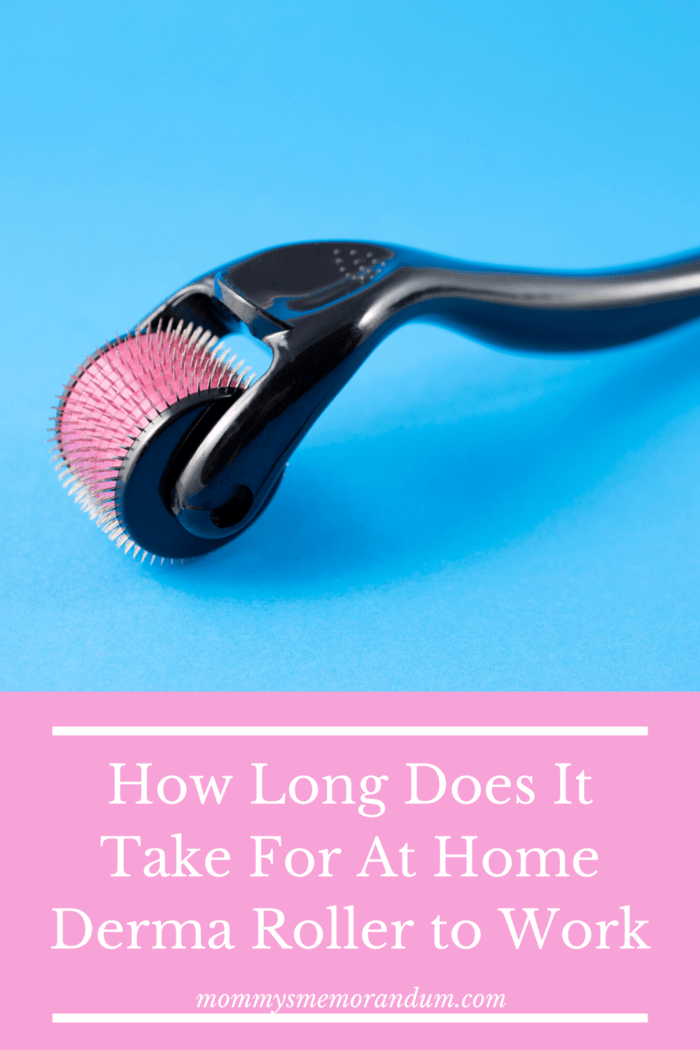
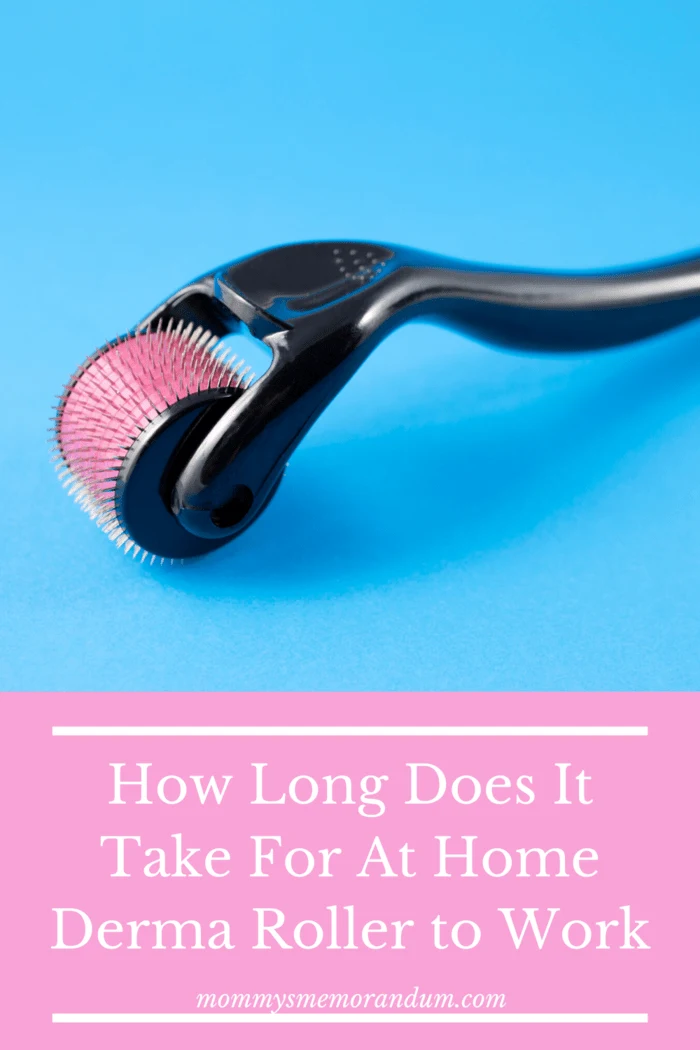
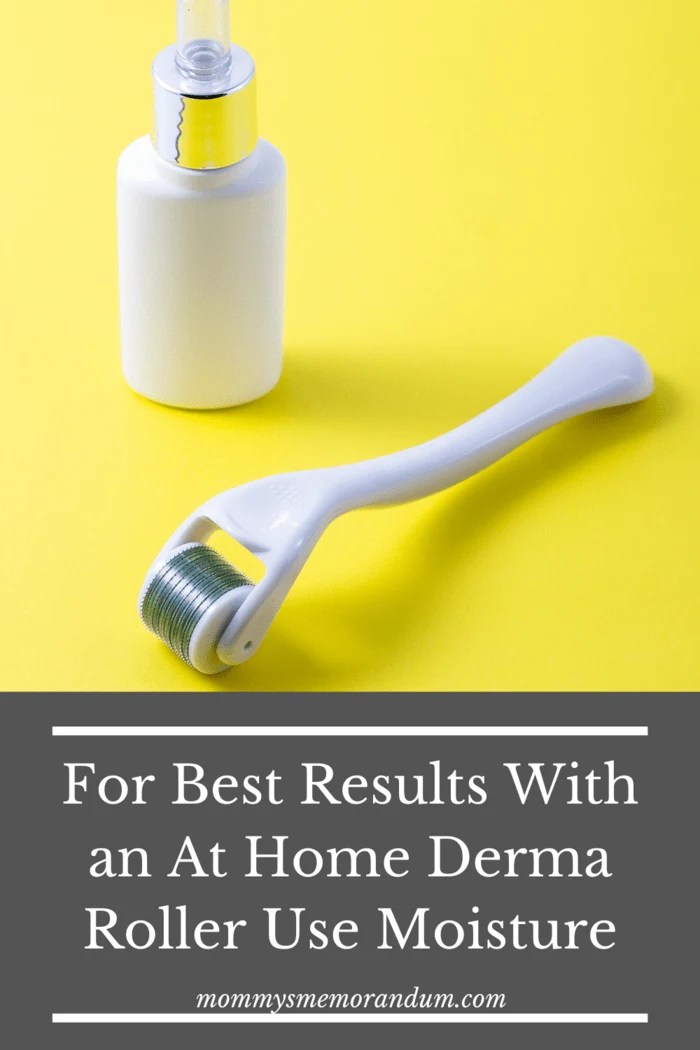
A derma roller is a handheld skincare tool with a rolling head covered in tiny needles. When rolled over the skin, those needles create small, controlled micro-injuries on the surface. This process is often called microneedling or collagen induction therapy.
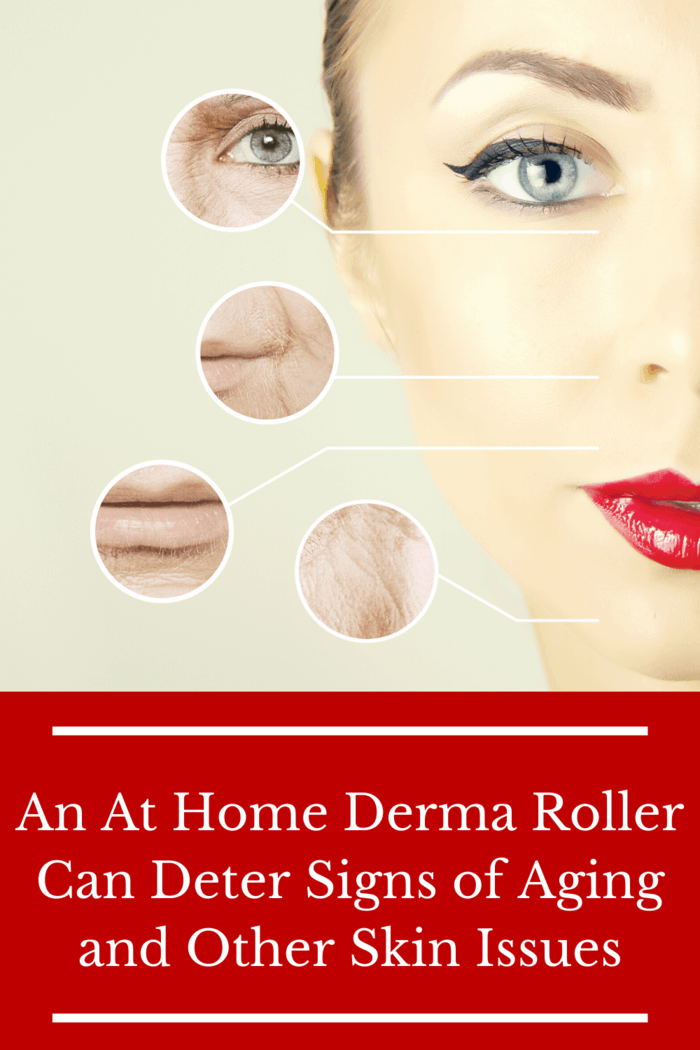
The goal is to encourage the skin’s natural repair process and support the look of smoother, firmer, fresher skin over time. Microneedling has been studied in dermatology for concerns such as acne scarring, skin texture, and rejuvenation, but at-home rollers are not the same as professional microneedling devices.
Professional treatments are done with sterile equipment, controlled needle depth, and trained hands. At-home derma rollers are usually more limited and should be used with much more caution.
How Long to Use a Derma Roller During Each Session
If you are wondering how long to use a derma roller or how long to derma roll, the answer is: briefly and gently. A derma rolling session should take only a few minutes for the face. Longer is not better.
Roll lightly over each area in a controlled pattern, avoid dragging, and stop if your skin feels painful, hot, irritated, or overly red. Follow the instructions for your specific tool because needle length and roller design can vary.
Never press hard to “speed up” results. Derma rolling should not feel like punishment for your pores. Your skin is not a stubborn casserole dish that needs scrubbing.
Derma Roller Results Timeline
Here is a realistic way to think about how long it takes to see results from dermarolling at home.
After the First Use
Your skin may look temporarily pink, feel tight, or seem a little more glowy once the initial redness calms down. This is not a final result. It is usually a short-term response to stimulation and hydration.
After 4 to 8 Weeks
With careful, consistent use, some people may notice smoother-feeling skin, improved hydration from post-care products, or a slightly more even-looking texture. This is also the stage where patience starts to feel personal.
After 3 to 6 Months
This is the more realistic window for visible derma roller results, especially if your goal is smoother-looking texture, fine lines, or the appearance of older marks. Collagen-related changes happen gradually.
After 6 to 12 Months
For deeper texture concerns or the look of old acne scarring, changes may take longer and may not respond well to an at-home roller. This is where a dermatologist or licensed skincare professional can help you decide whether professional microneedling, acne treatment, or another option is more appropriate.
Factors That Affect How Long a Derma Roller Takes to Work
Derma roller results are not one-size-fits-all. Your timeline depends on several very normal, very human things.
Your Skin Goal
If your goal is a temporary glow or better-feeling product absorption, you may notice small changes sooner. If your goal is the look of acne scars, fine lines, or uneven texture, expect a longer timeline.
Your Age
Skin renewal tends to slow as we age, so results may take longer than they did when your skin bounced back from everything, including questionable college eyeliner.
Your Needle Length
Shorter at-home rollers are generally more superficial. Deeper needle lengths should be left to professionals because they carry more risk and require proper technique and sterile conditions.
Your Consistency
Consistent, spaced-out use matters more than one intense session. Overusing a derma roller can irritate your skin and set you back.
Your Skin Condition
Active acne, irritation, rosacea flares, eczema, infections, cold sores, or broken skin can make derma rolling risky. Do not roll over irritated or infected skin.
Your Aftercare
Gentle hydration and sun protection matter. Harsh products right after rolling can sting, irritate, and undo the calm little skincare moment you were trying to create.
How Often Should You Use an At-Home Derma Roller?
How often you should use a derma roller depends on the needle length, your skin tolerance, and the instructions for your specific device. Shorter cosmetic rollers may be used more often than longer needles, but your skin still needs recovery time.
As a general safety rule, do not derma roll irritated skin, do not roll every day with longer needles, and do not increase frequency just because you are impatient. If your skin stays red, sore, flaky, burning, or reactive, pause and let it recover.
When in doubt, ask a dermatologist. That is especially true if you are treating acne scars, hyperpigmentation, melasma, rosacea, active breakouts, or sensitive skin.
Ingredients and Products to Use with a Derma Roller
Derma rolling itself is the tool, but what you use before and after matters. Keep your routine simple, clean, and gentle.
Cleanser
Start with a gentle cleanser. Your skin should be clean before using a derma roller.
Hyaluronic Acid Serum
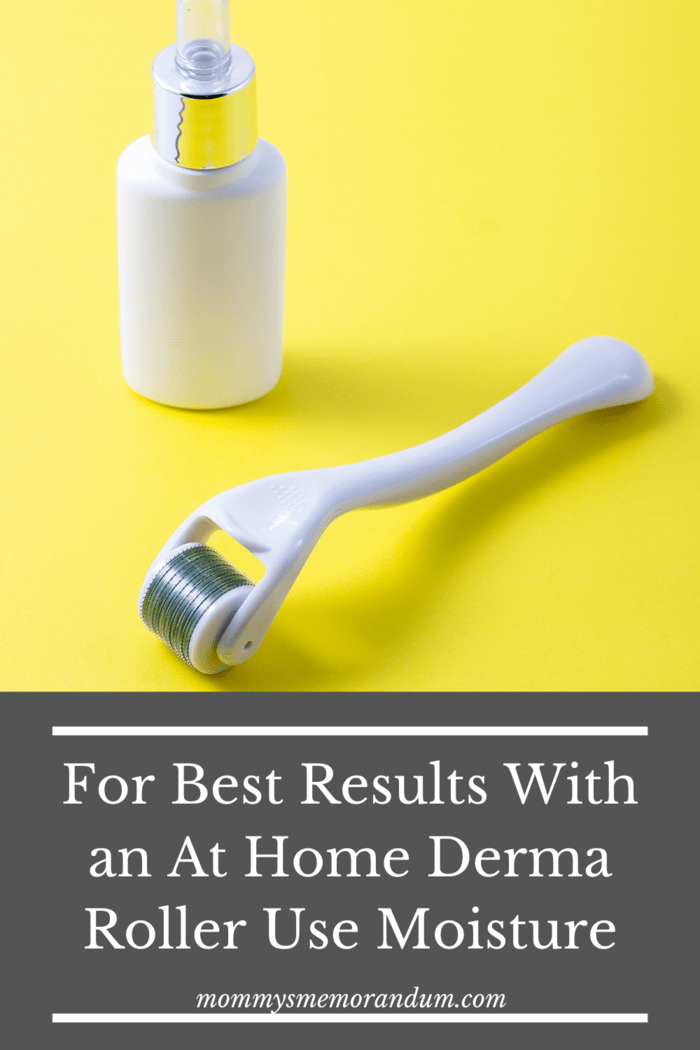
A simple hyaluronic acid serum is a popular post-care choice because it helps skin feel hydrated without needing a complicated routine.
Gentle Moisturizer
Use a plain, non-irritating moisturizer after your skin calms down. This is not the moment for a spicy skincare cocktail.
Sunscreen
Sun protection is important after any treatment that may make skin more sensitive. Keep your skin protected while it recovers.
Products to Avoid Right After Derma Rolling
- Retinoids unless your dermatologist says otherwise
- Strong exfoliating acids
- Fragrance-heavy products
- Peels
- Harsh scrubs
- Vitamin C if it stings or irritates your skin
How to Use an At-Home Derma Roller Safely
Before you begin, read the instructions for your specific tool. At-home derma rollers vary, and safe use matters more than speed.
- Wash your hands. Clean hands first, always.
- Cleanse your skin. Remove makeup, sunscreen, and skincare residue.
- Disinfect the roller according to the manufacturer’s directions. Do not use a dirty roller.
- Roll gently. Use light pressure and avoid sensitive areas, eyelids, lips, active breakouts, and irritated skin.
- Keep the session short. A few minutes is enough for most at-home facial routines.
- Apply gentle hydration. Reach for simple, soothing products.
- Clean the roller again. Let it dry completely before storing it in a clean case.
Do not share your derma roller. It is a personal skincare tool, not a “pass it around at girls’ night” gadget.
Troubleshooting At-Home Derma Rolling
My Skin Is Red After Derma Rolling
Some temporary redness can happen, but it should calm down. If redness is intense, painful, hot, swollen, or lasts longer than expected, stop using the roller and contact a skincare professional.
My Skin Burns When I Apply Products
You may be using products that are too strong after rolling. Switch to gentle hydration and avoid acids, retinoids, scrubs, fragrance, and strong vitamin C until your skin recovers.
I Am Not Seeing Results Yet
Derma rolling takes time. If you have only used it a few times, you may simply be too early in the process. Most visible results take months, not days.
My Skin Looks Worse
Stop using the roller if your skin becomes more irritated, breaks out badly, develops dark marks, or feels damaged. At-home derma rolling is not right for every skin type.
My Roller Feels Scratchy or Rough
Replace it. Bent, dull, or damaged needles can hurt your skin. A derma roller should never feel like dragging a tiny rake across your face.
How Long Does a Derma Roller Last?
If you are asking how long does a derma roller last, the answer depends on the quality of the tool, how often you use it, and how well you clean and store it. Replace your roller if the needles look bent, dull, rusty, uneven, or damaged in any way.
Many at-home rollers are not meant to last forever. Check your product instructions for the replacement timeline. When in doubt, replace it sooner rather than risk scratching or irritating your skin.
Perfect With a Spa-at-Home Night
Derma rolling is not the night to pile on every product you own, but it can still fit beautifully into a calm self-care routine. Keep the derma rolling portion simple, then build the cozy around it.
- Use a gentle cleanser first.
- Apply a hydrating serum or plain moisturizer after.
- Skip harsh actives until your skin settles.
- Pair the evening with a relaxing Invigorating Foot Soak Recipe.
- Finish with homemade lip balm or an Essential Oil Cuticle Treatment for a little head-to-toe pampering.
Derma Roller Safety Tips
Because a derma roller uses tiny needles, safety matters. This is not the place to wing it with a tool you found in the back of a bathroom drawer.
- Do not use a derma roller on active acne, cold sores, infections, rashes, sunburn, cuts, or irritated skin.
- Do not share your roller with anyone.
- Disinfect the tool before and after use according to the manufacturer’s instructions.
- Do not use bent, dull, rusty, or damaged needles.
- Do not press hard.
- Do not combine derma rolling with harsh exfoliants or strong actives right away.
- Do not use at-home derma rolling as a replacement for professional care if you have scarring, pigmentation concerns, or a skin condition.
If you have a history of keloid scarring, poor wound healing, active skin infections, severe acne, eczema, rosacea, psoriasis, or are unsure whether microneedling is safe for you, talk with a dermatologist first.
At-Home Derma Roller vs. Professional Microneedling
At-home derma rollers are usually less intense than professional microneedling. That can make them more accessible, but it also means results may be more subtle.
Professional microneedling is performed with controlled devices, sterile technique, and a treatment plan based on your skin. It may be more appropriate for acne scars, deeper texture issues, or more advanced skin concerns.
At-home derma rolling may fit readers who want a gentle, low-cost skincare tool and are willing to be careful, consistent, and realistic. It is not ideal for anyone who wants fast results or plans to press harder “just to see what happens.”
Best Derma Roller Tips for Beginners
- Start slow. Give your skin time to adjust.
- Use light pressure. Gentle is the goal.
- Keep everything clean. Your face and your roller both need to be clean.
- Use simple aftercare. Hydration beats irritation.
- Take photos. Monthly photos in similar lighting can help you notice gradual changes.
- Do not compare timelines. Someone else’s TikTok transformation is not your skin’s assignment.
Helpful Products for At-Home Derma Rolling
If you are shopping for a roller, choose carefully and read reviews. A quality tool matters because damaged or poorly made needles can irritate the skin. You can browse best-selling derma rollers on Amazon, but compare needle length, materials, reviews, replacement guidance, and cleaning instructions before buying.
You can also pair your routine with a simple hyaluronic acid serum or explore copper peptide skincare if it fits your routine and your skin tolerates it.
As always, patch test new skincare products and keep your routine simple after rolling.
More DIY Beauty and Skin Care Ideas
For more homemade beauty ideas, skincare tips, and spa-at-home projects, visit the DIY Beauty Recipes and Homemade Self-Care Ideas hub. It is filled with simple projects for body scrubs, lip balm, bath fizzies, cuticle care, face masks, and cozy self-care nights.
- Vanilla Body Scrub DIY
- DIY Pumpkin Body Scrub Recipe
- DIY Bath Fizzies Recipe
- DIY Face Mask for Your Beauty Routine
- How to Reduce Acne Inflammation
- Acne Treatment Guide for Teens
At-Home Derma Roller FAQs
How long does derma roller take to work?
An at-home derma roller may take about 3 to 6 months to show more noticeable-looking results. Some people notice a temporary glow sooner, but texture and collagen-related changes take time.
How long for derma roller to work on acne scars?
The look of acne scars can take longer to improve and may not respond well to at-home derma rolling. For acne scars, it is best to talk with a dermatologist about professional options and a safe treatment plan.
How long should I use a derma roller each time?
Use it only for a few minutes on clean skin, following your tool’s instructions. Do not keep rolling longer to try to speed up results.
How long to derma roll one area?
Keep it brief and gentle. Roll lightly in a controlled pattern and move on. If the skin feels painful, hot, or overly irritated, stop.
How long does a derma roller take to work for fine lines?
Fine lines may take several months of consistent use to look improved. Results vary by age, skin condition, needle length, aftercare, and how well your skin tolerates rolling.
How long does it take to see results from dermarolling?
Small changes may appear within weeks, but more visible results usually take 3 to 6 months. Take monthly photos in the same lighting so you can track gradual changes more clearly.
How long does a derma roller last?
A derma roller lasts until the needles become dull, bent, rusty, damaged, or no longer feel smooth. Check your manufacturer’s replacement instructions and replace it sooner if anything looks or feels off.
Can I use a derma roller every day?
Daily use is not a good idea for many derma rollers, especially longer needle lengths. Your skin needs recovery time. Follow your product directions and ask a dermatologist if you are unsure.
Can I use vitamin C after derma rolling?
Vitamin C can sting or irritate freshly rolled skin for some people. Many beginners do better with simple hydration first, then reintroduce active products once the skin has calmed.
Should I derma roll at home or see a professional?
For mild, cosmetic use, some readers choose an at-home roller carefully. For acne scars, pigmentation, sensitive skin, or deeper texture concerns, a dermatologist or licensed professional is the safer choice.
Related Posts Before You Start
Before you roll, it helps to build a calm, gentle skincare routine around your skin’s needs. These related posts can help you create a more thoughtful self-care plan:
- How to Reduce Acne Inflammation if breakouts are part of your skincare concern.
- Acne Treatment Guide for Teens for a beginner-friendly acne care foundation.
- DIY Face Mask for Your Beauty Routine for a gentle spa-at-home moment.
- Essential Oil Cuticle Treatment for an easy finishing touch to a self-care night.
Final Thoughts: Be Patient with Your Skin
So, how long does it take for an at-home derma roller to work? Usually, longer than we want and more gradually than the internet makes it look. Think months, not minutes.
Used carefully, an at-home derma roller may support smoother-looking skin and a more intentional skincare routine. Used too aggressively, too often, or on the wrong skin concern, it can cause irritation and damage. This is one of those beauty tools where patience really is part of the process.
Start gently, keep everything clean, hydrate your skin, protect it from the sun, and know when to ask a professional. Your skin does a lot for you. It deserves the slow, thoughtful version of self-care.
Next Beauty Recipe to Try
After you save this derma roller timeline, try a simple spa-night project next: Vanilla Body Scrub DIY. It is cozy, beginner-friendly, and perfect for turning an ordinary shower into a little homemade self-care moment.