
What Is a Donation Drive? Meaning, Examples, and How to Organize One
A donation drive is a volunteer-led collection event where people gather needed items, such as clothing, food, school supplies, household goods, or personal care products, and deliver them to a charity, shelter, school, church, or community organization.
If you have ever cleaned out a closet, filled a box for the food pantry, or helped your office collect coats before winter, you have already brushed shoulders with the sweet little magic of a donation drive: ordinary people making useful things go where they are needed most.
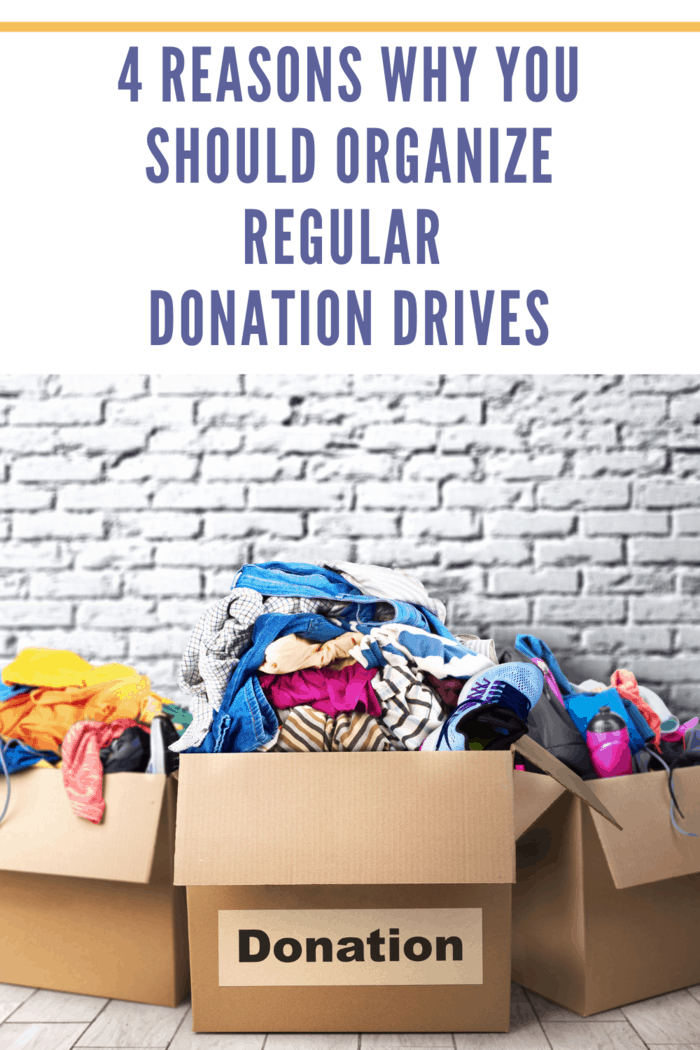
Donation Drive Meaning: What Is a Donation Drive?
A donation drive is an organized effort to collect items or funds for a specific cause. Instead of one person donating alone, a group of people works together to gather useful items and deliver them to an organization that can distribute them where they are needed.
Donation drives can be run by students, families, churches, offices, neighborhoods, businesses, apartment communities, clubs, or groups of friends. The items collected depend on the cause. A food donation drive may collect pantry staples. A clothing donation drive may collect coats, shoes, or gently used clothes. A school donation drive may collect backpacks, notebooks, crayons, or hygiene items.
The reason donation drives work is simple: they make giving easier. People often have useful things sitting in closets, cupboards, garages, or laundry rooms, but they may not know where to take them. A donation drive gives everyone a clear place, deadline, and purpose.
And let’s be honest, most of us have opened a closet and had a small avalanche of “I might need this someday” fall into our arms. A donation drive turns that clutter into something helpful.
Readers Also Make Plans For…
If you are organizing a donation drive as part of a home cleanout or family service project, you may also like these helpful organizing and home-care ideas:
Why You Should Organize a Donation Drive
Donation drives are helpful because they connect extra items with real needs. They also give families, students, employees, and community groups a practical way to serve without needing a huge budget or complicated plan.
A good donation drive can help a local organization stock shelves, provide supplies, support families, reduce waste, and bring people together around one clear goal. It is one of those projects that feels big-hearted without requiring everyone to become a professional fundraiser.
Types of Donation Drives
The best donation drive is the one that matches a real need in your community. Before you collect anything, ask the receiving organization what they can use, what they cannot accept, and whether items need to be new, unopened, clean, or sorted in a certain way.
Food Donation Drive
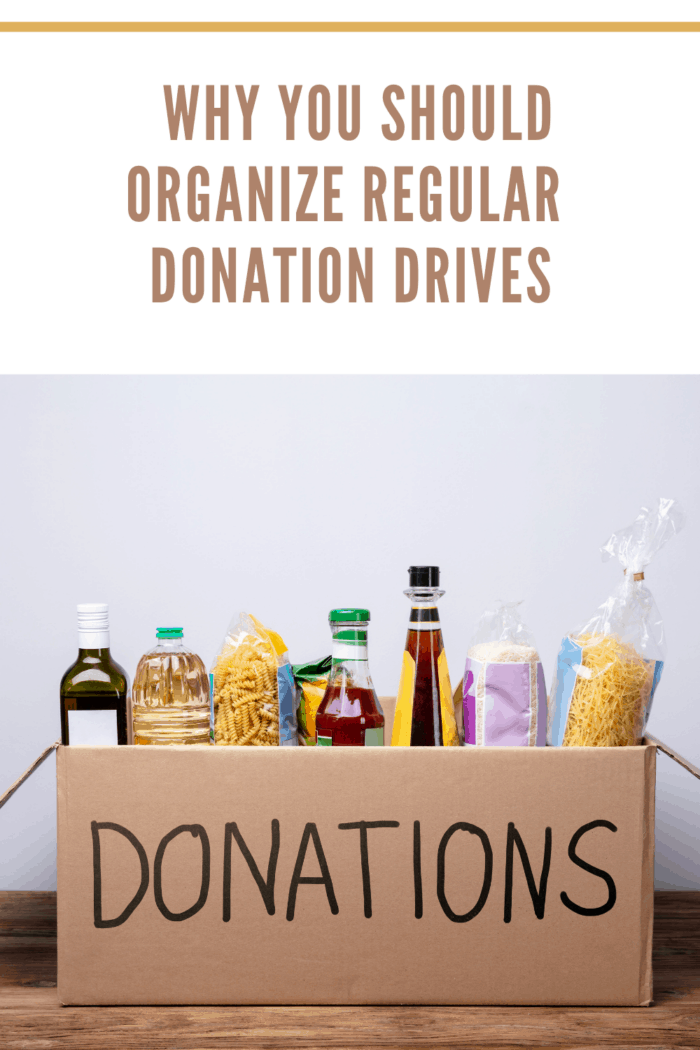
A food donation drive collects shelf-stable pantry items such as canned vegetables, peanut butter, pasta, rice, cereal, soup, baby food, or boxed meals. Food drives often work well before holidays, during school breaks, or when local food banks request extra help.
Clothing Donation Drive
A clothing donation drive collects clean, gently used clothing. Seasonal drives can be especially useful, such as coat drives in fall and winter, shoe drives before school starts, or baby clothing drives for family shelters.
School Supply Donation Drive
A school supply donation drive may collect backpacks, pencils, notebooks, folders, crayons, markers, glue sticks, tissues, and classroom basics. These drives are especially helpful in late summer, but schools and teachers often need supplies throughout the year.
Hygiene and Personal Care Donation Drive
Personal care drives collect items such as shampoo, soap, deodorant, toothpaste, toothbrushes, diapers, wipes, period products, and laundry supplies. These items are practical, needed, and often expensive for families to replace regularly.
Pet Supply Donation Drive
Animal shelters may need pet food, towels, blankets, cleaning supplies, collars, leashes, toys, or litter. Always check with the shelter first because every location has different rules for what they can safely accept.
How to Organize a Donation Drive
To organize a donation drive, choose one cause, contact the receiving organization, ask what items are needed, set a collection deadline, create a simple drop-off plan, promote the drive, sort the donations, and deliver everything as promised.
Here is the easy version, because nobody needs a donation drive that comes with a binder thicker than a Thanksgiving cookbook.
1. Choose One Clear Cause
Pick a specific need instead of trying to collect everything. “Winter coats for the family shelter” is easier for people to understand than “bring whatever you want.” A clear cause also makes your flyers, social posts, school emails, and collection boxes much more effective.
2. Contact the Charity or Organization First
Before collecting items, call or email the organization you want to support. Ask what they need most, what they cannot accept, when donations can be delivered, and whether items need to be labeled, boxed, washed, sealed, or new.
3. Set a Start Date and End Date
A donation drive needs a deadline. A short collection window, such as one to three weeks, usually works better than an open-ended drive. People are more likely to act when they know the box will only be there until Friday.
4. Choose a Drop-Off Location
Use a location that is easy to find and easy to monitor. Schools, offices, churches, libraries, community centers, and front porches can all work, depending on the size of the drive and who is participating.
5. Make a Simple Wish List
Tell people exactly what to donate. Include examples of wanted items and a short list of things not to bring. This keeps the drive helpful instead of creating extra work for the receiving organization.
6. Label Collection Boxes Clearly
Use sturdy boxes or bins and label them with the donation drive name, accepted items, deadline, and contact person. If you are collecting different categories, use separate boxes so sorting is easier later.
7. Promote the Drive
Share the donation drive through email, flyers, social media, newsletters, school announcements, neighborhood groups, or office bulletin boards. Keep the message short and clear: what you need, why it matters, where to drop it off, and when the drive ends.
8. Sort and Check Donations
Before delivering donations, sort everything and remove items the organization cannot use. Check expiration dates on food and make sure clothing is clean and wearable. This step matters because charities often have limited staff and storage space.
9. Deliver the Donations
Schedule the drop-off ahead of time. Bring the items in boxes or bags the organization can handle, and ask if they need a count of donated items for their records.
10. Thank Everyone Who Helped
After the drive, share a quick thank-you with the group. Include how many boxes, bags, pounds, coats, cans, or supplies were collected. People love knowing their small effort added up to something real.
What to Collect for a Donation Drive
The right items depend on the organization, but these donation drive ideas are a helpful place to start.
- Food pantry items: canned vegetables, canned fruit, pasta, rice, cereal, soup, peanut butter, shelf-stable milk, and boxed meals
- Clothing: coats, shoes, socks, baby clothes, school clothes, work clothes, and winter accessories
- School supplies: backpacks, notebooks, pencils, folders, crayons, markers, glue sticks, and tissues
- Personal care items: soap, shampoo, toothpaste, toothbrushes, deodorant, diapers, wipes, and period products
- Household items: towels, blankets, laundry supplies, cleaning products, and paper goods
- Baby items: diapers, wipes, formula, bottles, baby wash, and gently used baby clothing, if accepted
- Pet supplies: pet food, blankets, towels, leashes, collars, toys, and litter
When in doubt, ask first. The most generous donation is one the organization can actually use.
Perfect With a Seasonal Cleanout or Community Project
A donation drive is especially helpful when families are already cleaning, sorting, and resetting for a new season. Think spring cleaning, back-to-school closet cleanouts, pre-holiday pantry checks, winter coat drives, church service projects, scout projects, office giving campaigns, or neighborhood decluttering days.
If your donation drive starts at home, make it part of a bigger reset. Sort closets, wash gently used items, and set aside things your family no longer uses. For laundry and clothing donations, you may also like my DIY Fabric Softener, Homemade Laundry Detergent, and Woolzies Wool Dryer Balls posts for keeping donation-ready clothing fresh and clean.
Donation Drive Tips for Better Results
- Be specific. “New socks and unopened hygiene items” is better than “donations needed.”
- Use a deadline. A clear end date creates momentum.
- Make it easy. Put collection boxes where people already go.
- Post reminders. People often mean to donate but forget. A friendly reminder helps.
- Check quality. Do not pass along broken, stained, expired, or unusable items.
- Sort before delivery. This saves the charity time and makes your donation more useful.
- Say thank you. Gratitude makes people more likely to help again next time.
Common Donation Drive Mistakes to Avoid
Collecting Items the Charity Cannot Use
This is the big one. Even good intentions can create extra work if the organization receives items it cannot safely or practically distribute. Always ask before collecting.
Making the Drive Too Broad
A drive for “anything you want to donate” sounds easy, but it can turn into a sorting marathon. Choose one category or a short list of accepted items.
Forgetting About Storage
Donations take up space fast. Make sure you have room to store items safely until delivery day.
Skipping the Final Count
A simple count gives everyone a reason to celebrate. It also makes your thank-you message more meaningful.
Can a Donation Drive Help Your Organization?
Yes, a donation drive can help an organization in more ways than one. It can provide needed supplies, raise awareness, introduce new supporters to the cause, and give volunteers a hands-on way to help.
For schools, donation drives teach kids that helping does not have to be complicated. For businesses, they can create a positive team project. For families, they turn decluttering into a service opportunity. For churches and community groups, they are a practical way to meet local needs.
It is not about making your organization look shiny for the sake of looking shiny. It is about showing up, following through, and making it easier for other people to do good too.
Are Donation Drives Tax Deductible?
Donations may be tax deductible when they are given to a qualified charitable organization and the donor keeps the proper records. However, tax rules can vary by situation, item type, donation value, and filing method. If tax deductions matter to your donors, encourage them to check current IRS guidance or speak with a tax professional.
A donation drive organizer can make this easier by asking the receiving organization whether it provides receipts and by sharing that information before the drive begins.
Related Posts to Help You Plan, Sort, and Give
If your donation drive begins with a closet, laundry room, or whole-house reset, these posts can help you get organized before the collection boxes come out:
- Closet Organizing Ideas for Fashionistas with Limited Storage
- DIY Fabric Softener
- Easy Homemade Laundry Detergent That Gets Clothes Clean
- Woolzies Wool Dryer Balls Save Energy
Donation Drive FAQ
What is a donation drive?
A donation drive is an organized collection of items or money for a charity, school, shelter, church, food pantry, or community organization. Volunteers collect, sort, and deliver the donations to the group that needs them.
What does donation drive mean?
Donation drive means a planned effort to gather donations for a specific cause. The “drive” part refers to the organized push to collect items by a certain deadline.
How do you organize a donation drive?
Choose a cause, contact the organization you want to help, ask what items are needed, set a deadline, create a drop-off location, promote the drive, sort the donations, and deliver everything as promised.
What items are best for a donation drive?
The best items are the ones the receiving organization specifically requests. Common donation drive items include canned food, clothing, coats, school supplies, hygiene products, diapers, blankets, towels, cleaning supplies, and pet supplies.
How long should a donation drive last?
Most donation drives work well when they last one to three weeks. This gives people enough time to gather items without letting the drive lose momentum.
Can kids help with a donation drive?
Yes. Donation drives are a wonderful family activity because kids can help sort items, decorate boxes, make signs, count donations, and learn how everyday acts of service help a community.
Do donation drives have to collect money?
No. Many donation drives collect items instead of money. Food drives, coat drives, school supply drives, toy drives, hygiene drives, and pet supply drives are all common examples.
Should donated clothes be washed first?
Yes, clothing donations should be clean and in good condition. If you would not hand it to a friend to wear, it probably should not go in the donation box.
Final Thoughts on Organizing a Donation Drive
There are so many good reasons to organize a donation drive. It helps your community, supports local organizations, reduces waste, gives families a meaningful way to serve, and turns everyday clutter into something useful.
With a little planning, a clear wish list, and a few willing helpers, you can run a donation drive that feels simple, organized, and genuinely helpful. It does not have to be fancy. It just has to be thoughtful.
Sometimes the best kind of giving starts with a cardboard box, a handwritten sign, and a family willing to look around and say, “We have enough to share.”
Next Helpful Post to Try
Starting your donation drive with a closet cleanout? Read Closet Organizing Ideas for Fashionistas with Limited Storage next and turn that “I’ll deal with it later” pile into a donation box with a purpose.