
Voice Recorders for Domestic Abuse Survivors
Voice recorders for domestic abuse survivors can be a safety-focused tool for documenting threats, harassment, concerning conversations, or repeated patterns when used legally and as part of a larger safety plan.
This guide explains what to look for in a small voice recorder, including microphone quality, battery life, voice activation, storage, size, and discreet everyday designs such as micro voice recorders, USB flash drive audio recorders, and power bank audio recorders with long standby time.
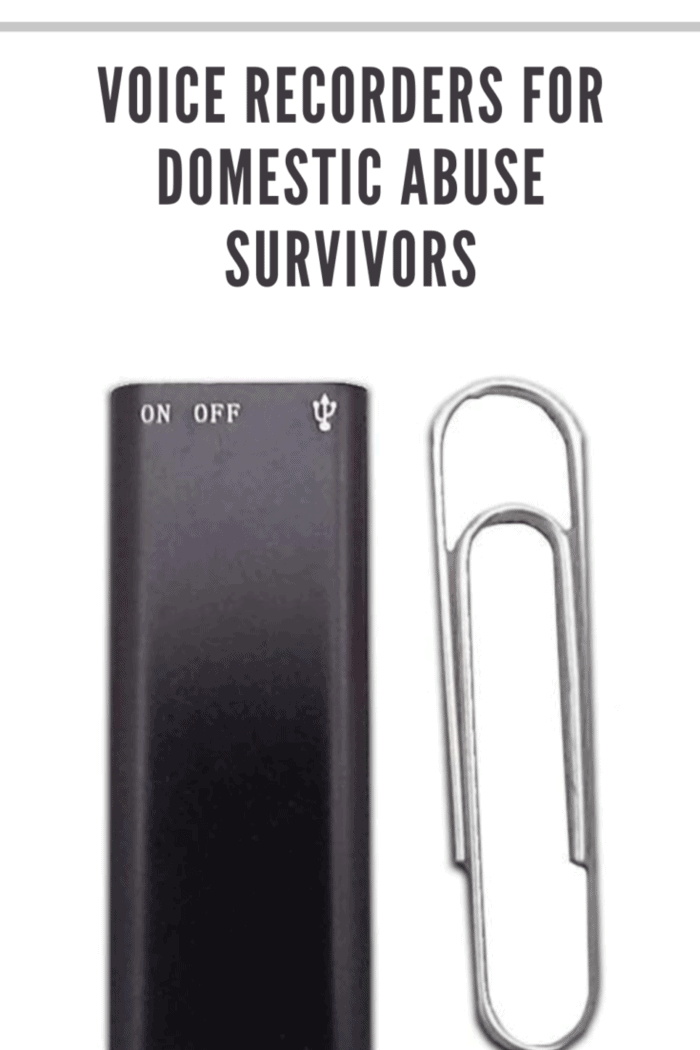
Voice Recorders for Domestic Abuse Survivors: What to Know Before You Buy
When someone is living with domestic abuse, harassment, stalking, or intimidation, feeling safe can become a daily calculation. A digital voice recorder is not a complete safety plan, and it is not a substitute for emergency help, legal advice, or support from an advocate. But for some survivors, it can be one practical tool for documenting what happened, when it happened, and what was said.
The most helpful recorder is not always the fanciest one. It is the one that fits your real life. That may mean a tiny recorder that can fit in a pocket, a USB flash drive audio recorder that blends in on a desk, a wristband recorder that can be worn during everyday routines, or a USB power bank audio recorder with 150 day standby for longer-term documentation needs.
Before buying any recording device, check the recording laws where you live. Consent laws vary by state and country. In some places, one person in the conversation can legally record; in others, everyone involved may need to consent. This post is for general safety and product education only and is not legal advice.
If you are in immediate danger, call local emergency services. If you are in emotional crisis or need urgent support in the United States, you can call or text 988 or use the 988 Lifeline chat at 988lifeline.org/chat.
Readers Also Make Safety Plans With…
If you are researching voice recorders because something feels wrong at home, it may also help to think through practical safety layers: where you keep important documents, how you protect your phone, who you can contact quickly, and how you leave a situation if it becomes unsafe.
- MasterLock Key Safe Review for thinking through secure access and household safety.
- Recalls Plus App for another example of using technology to support family safety.
- Importance of an Evacuation Plan for planning ahead before an emergency happens.
Why You’ll Find This Guide Helpful
- It focuses on real-life safety needs. The goal is not spy-movie drama. It is practical documentation, peace of mind, and knowing what features matter.
- It explains the most important recorder features. You will know why microphone quality, battery life, voice activation, storage, and device size matter before you buy.
- It includes different styles of voice recorders. Tiny micro recorders, USB flash drive audio recorders, power bank recorders, mini stick recorders, and wristband recorders all solve different problems.
- It keeps legality and safety in the conversation. Recording should be done lawfully, carefully, and with your personal safety first.
Important Features of Digital Voice Recorders
A digital voice recorder should be simple enough to use in a stressful moment. If it takes too many buttons, menus, or steps, it may not be the best choice for safety documentation.
Microphone Quality
Microphone quality matters because clear audio is easier to understand later. A stronger microphone can help capture voices across a room in quiet settings, while a weak microphone may leave you with muffled sound, background noise, or recordings that are difficult to use.
Look for a recorder that clearly lists its recording range. Some compact recorders advertise pickup ranges up to about 40 feet in ideal conditions, but remember that walls, television noise, fans, traffic, and crowded rooms can all affect clarity.
Battery Life
Battery life is one of the biggest differences between recorder styles. A tiny micro voice recorder may be easier to carry, but it usually has a shorter continuous recording time. A larger USB power bank audio recorder may offer much longer standby and recording time, but it is less pocket-sized.
If you are only recording short conversations, a small device may be enough. If you need longer coverage, look closely at continuous recording time, voice-activated recording time, standby time, and recharge time.
Voice Activation
A voice-activated recorder starts recording when it detects sound and pauses when the room is quiet. This can help conserve storage space and battery life. Many small audio recorders offer both voice activation and continuous recording.
Voice activation can be helpful, but it is not perfect. Very quiet voices may not trigger it, and background noises can start a recording unexpectedly. If the recording is important, test the device in a safe setting first so you understand how sensitive it is.
Storage Capacity
Storage tells you how many hours of audio the device can hold before files need to be moved or deleted. Some small devices can hold dozens of hours, while larger recorders may hold hundreds of hours.
Think about where you will store the files. If you share a computer or phone with someone unsafe, downloading recordings may create risk. Consider safe file storage, password protection, and whether you have access to a private device.
Size and Design
The size of the device should match how you plan to use it. A tiny recorder may fit in a pocket, wallet, or bag. A USB flash drive recorder may blend into a desk or work bag. A wristband recorder may look like a fitness tracker. A power bank recorder may look ordinary on a table or in a backpack.
Smaller is not always better. The world’s smallest micro voice recorder may be easy to carry, but long battery life may matter more for your situation.
How to Choose a Voice Recorder for Safety Documentation
Start with the situation you are trying to document. Are you trying to record a short conversation? Do you need something wearable? Do you need a recorder that can stay charged for days or weeks? Do you need a device that can connect to your phone instead of a computer?
Here is the simplest way to narrow it down:
- For pocket carry: look at a micro voice recorder or mini stick voice recorder.
- For desk or room use: look at a USB flash drive audio recorder or power bank voice recorder.
- For long standby time: look at a USB power bank audio recorder with 150 day standby or another extended-battery model.
- For wearable use: look at a wristband voice activated recorder.
- For easier file review: look for playback controls, headphone access, or smartphone compatibility.
The Best Digital Voice Recorder Styles to Consider
There is no single best recorder for every survivor or safety concern. The best choice depends on what you need to document, how long you need the recorder to run, where the device will be placed, and how safely you can access the files afterward.
1. Micro Voice Recorder
A micro voice recorder is a good option when size is your biggest priority. This style is small enough to keep in a pocket, wallet, bag, or discreet spot in the home.
Many micro voice recorders are designed for simple one-button use. That matters when stress is high and you do not want to scroll through menus. The model described in the original post offers up to 90 hours of recording storage, about 10 hours of battery life on a full charge, and a recharge time of about 2 hours.
This kind of recorder may be useful for short conversations, meetings, or quick documentation when you need something small and easy to carry.
2. USB Flash Drive Audio Recorder
A USB flash drive audio recorder looks like an ordinary flash drive, and some models also work as a regular USB storage device. That makes this style feel familiar and less complicated than a device with a lot of extra parts.
USB audio recorders often include voice-activated recording and continuous recording options. The version described in the original post offers around 24 hours of continuous battery life, about 2 hours of recharge time, up to 25 days when using voice activation, and 288 hours of recording time.
This is a practical style for a desk, bag, office setting, or everyday carry when you want a recorder that does not look overly technical.
3. Power Bank Voice Recorder
A power bank voice recorder is designed for longer recording needs. It looks like a portable charger and may also function as one, which makes it a more ordinary-looking item on a desk, table, backpack, or nightstand.
This type of device is especially relevant to the search query “USB power bank audio recorder with 150 day standby.” The model described in the original post offers more than 330 hours of recording time, memory for up to 576 hours of audio, one-touch recording, magnetic placement, and up to 150 days of standby mode.
This may be the better option when battery life is more important than having the smallest possible device.
Perfect With a Larger Safety Plan
A voice recorder works best when it is only one part of a bigger safety plan. Pair documentation with practical steps like keeping important papers accessible, knowing where you could go in an emergency, protecting passwords, and choosing a trusted person who can check in on you.
For more household safety reading, visit the Home & Family category or read Importance of an Evacuation Plan.
4. Mini Micro Stick Voice-Activated Recorder
A mini micro stick voice-activated recorder is another small option, but this style often includes more playback features than the tiniest recorders. The original post notes that this type may include headphone access, a small speaker, playback controls, and the ability to skip tracks or delete recordings without connecting to a computer.
That can be helpful if you need to review files privately and quickly. Some models also allow you to adjust the sound range or use features that prioritize quieter voices.
This type of recorder may be a good middle ground if you want something compact but do not want to rely completely on a computer for playback.
5. Wristband Voice Activated Recorder
A wristband voice activated recorder looks similar to a fitness tracker. Because it is wearable, it may be useful for work, appointments, meetings, errands, or situations where holding a device would feel awkward.
The original post notes that this style may store up to 90 hours of recordings and offer up to 8 hours of ongoing recording. It also mentions built-in microphones on both sides of the wristband and the ability to download audio to a smartphone or tablet instead of a computer.
That smartphone option can matter if you do not have access to a private computer. Just be careful with phone privacy, shared accounts, cloud backups, and notifications.
Expert Tips Before Buying a Voice Recorder
- Test it before you need it. Try recording in a quiet room, a noisy room, and from different distances so you know what the device can actually capture.
- Learn the buttons by feel. In stressful moments, simple matters. Practice turning the recorder on and off safely.
- Know where files go. Make sure you understand how to download, rename, protect, and delete recordings.
- Check your local laws. Recording laws can vary by state, country, and situation.
- Do not rely on one tool. A recorder may document, but it does not protect you physically in the moment.
- Think about discovery risk. If someone unsafe finds the device, the files, or purchase history, that may increase danger. Plan carefully.
Troubleshooting Common Voice Recorder Problems
The Recording Sounds Muffled
Move the recorder away from fabric, bag lining, thick pockets, or surfaces that block the microphone. Also check whether the microphone opening is covered.
The Recorder Did Not Capture the Conversation
If voice activation was on, the conversation may have been too quiet to trigger recording. Try continuous recording for important situations, if it is safe and legal for you to do so.
The Battery Ran Out Too Fast
Continuous recording uses more battery than voice activation. Fully charge the recorder, turn off unnecessary features, and consider a longer-battery option such as a power bank voice recorder.
The Files Are Hard to Find
Before using the recorder for anything important, connect it to your computer or phone and learn how the files are named, stored, downloaded, and deleted.
Voice Recorder Safety and Privacy Reminders
Because this topic often overlaps with domestic abuse, stalking, harassment, and personal safety, it is important to be careful. Do not use a voice recorder for unlawful surveillance, intimidation, or violating someone else’s privacy. Use these devices only where you are legally allowed to record and where doing so does not put you in greater danger.
If you share devices, accounts, cloud storage, email, or shopping accounts with someone unsafe, consider whether searches, receipts, delivery notifications, browser history, or saved audio files could be discovered.
Storage, File Backup, and Rehearing Recordings
Once you have a recording, the next question is where it goes. Some recorders require a computer. Others allow playback with headphones, built-in speakers, or smartphone transfer.
For safety documentation, consider naming files with dates and short neutral descriptions. Keep backups only where they are safe, private, and accessible to you. If recordings may become part of a legal matter, ask an attorney or advocate how to preserve files properly before editing, renaming, or sharing them.
Related Posts for Home and Family Safety
Keep reading with these related Mommy’s Memorandum posts:
FAQs About Voice Recorders for Domestic Abuse Survivors
What is the best voice recorder for domestic abuse documentation?
The best voice recorder depends on your situation. A micro voice recorder is useful for pocket carry, a USB flash drive audio recorder blends into a desk or bag, and a power bank voice recorder is better for long battery life and extended standby time.
What is the world’s smallest micro voice recorder used for?
A small micro voice recorder is usually used for discreet audio documentation, short conversations, notes, meetings, or safety-related recording where a compact device is easier to carry.
What is a USB power bank audio recorder with 150 day standby?
A USB power bank audio recorder with 150 day standby is a recorder designed to look like a portable charger while offering long standby time. It may be useful when battery life matters more than having the tiniest device.
Is it legal to record someone without them knowing?
Recording laws vary by location. Some places allow one-party consent, while others require all-party consent. Check your state or country’s laws or speak with a legal professional before recording.
Is voice activation better than continuous recording?
Voice activation saves battery and storage by recording only when sound is detected. Continuous recording is more reliable for capturing everything, but it uses more battery and storage.
Can a voice recorder pick up sound from another room?
Sometimes, but walls, doors, background noise, and microphone quality can make recordings unclear. Test the recorder in a safe setting before relying on it.
How long can a small voice recorder record?
Recording time varies by model. Some small recorders may record for several hours on a charge, while larger devices like power bank recorders may offer much longer recording and standby time.
Can recordings be downloaded to a phone?
Some recorders allow smartphone or tablet transfer, while others require a computer. Check compatibility before buying, especially if you do not have access to a private computer.
Final Thoughts on Choosing a Voice Recorder
Choosing a voice recorder for a safety concern is not a casual purchase. It is often made during a time when someone is trying to feel less helpless and more prepared. That choice deserves care, privacy, and good information.
Look for a recorder that fits your real life: small enough to use, simple enough to operate, strong enough to capture clear sound, and practical enough for how you will safely store the files afterward.
Most of all, remember that documentation is only one piece of safety. Trust your instincts, protect your privacy, and reach out for help when it is safe to do so.
Next Safety Read to Try
If this guide helped you think through documentation and preparedness, read Importance of an Evacuation Plan next. It is a helpful companion piece for thinking through what to do before an emergency happens.