
How to Remove Blood Stains from Clothes
Learn how to remove blood stains from clothes using cold water, gentle blotting, and common household options like hydrogen peroxide, salt, vinegar, cornstarch, talcum powder, or diluted ammonia when the fabric allows it.
This blood stain removal guide is especially helpful for fresh nosebleeds, scraped knees, period stains, sports uniforms, pillowcases, sheets, and washable fabrics that need quick attention before the stain sets.
Jump to Blood Stain Removal Steps
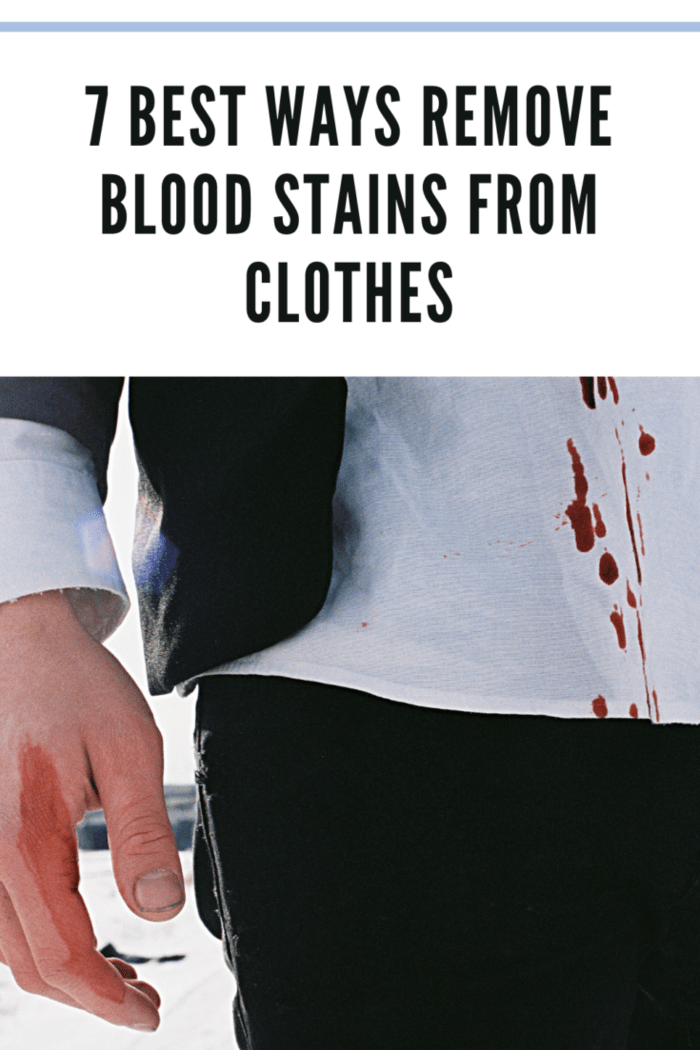
How to Remove Blood Stains from Clothes
Blood stains can look dramatic, but the best first step is surprisingly simple: use cold water and act quickly. Hot water can help set a blood stain into fabric, so skip warm rinsing, hot soaking, and the dryer until you are sure the stain has lifted.
Fresh blood stains usually respond best to a cold-water rinse from the back of the fabric, followed by gentle blotting and a fabric-safe treatment. Dried blood stains may need a longer soak or repeated treatment, but patience is better than scrubbing the fibers into a fuzzy little laundry tragedy.
Before using any stain remover, check the care label. Silk, wool, vintage linens, dry-clean-only garments, upholstery, and delicate fabrics may need professional help or a much gentler approach. For everyday washable clothes, towels, sheets, and sturdy cotton blends, these household methods can help save the day.
Why You’ll Love These Blood Stain Removal Tips
These methods use items many of us already have tucked under the sink, in the pantry, or in the laundry room.
They are practical, budget-friendly, and easy to try before giving up on a shirt, pillowcase, pair of jeans, or that one favorite blanket everyone in the house seems to claim.
Most importantly, this guide keeps the safety rules clear: cold water first, test the fabric, use one treatment at a time, and never mix cleaning products together.
Readers Also Make…
If you like practical laundry fixes, you may also want to make my homemade stain remover recipe. It is a reader-friendly DIY laundry spray for everyday stains and works well as part of a larger laundry routine.
Ingredients and Supplies
You do not need every item on this list. Choose the method that best fits your fabric and the supplies you already have.
- Cold water
- Clean white towel or cloth
- Liquid laundry detergent or mild dish soap
- Hydrogen peroxide, best for white or light-colored washable fabrics
- White vinegar
- Salt
- Cornstarch
- Talcum powder
- Diluted household ammonia, only for compatible washable fabrics
- Soft brush or old toothbrush
- Laundry basin or sink
How to Make Blood Stains Easier to Remove
Start with the basics before reaching for stronger stain treatments.
1. Rinse with Cold Water
Turn the fabric inside out or rinse from the back of the stain. This helps push the blood out of the fibers instead of deeper into them.
2. Blot, Don’t Scrub
Use a clean white towel to blot the stain. Scrubbing can spread the stain and rough up the fabric.
3. Treat Before Washing
Apply your chosen stain treatment and give it time to work before washing.
4. Check Before Drying
Do not put the item in the dryer until the stain is gone. Dryer heat can set what is left of the stain and make it harder to remove later.
Using Hydrogen Peroxide for Blood Stains
Hydrogen peroxide can be helpful for blood stains on white or light-colored washable fabrics, but it can lighten some dyes. Always test a hidden seam first.
- Place the stained area over a towel.
- Apply a small amount of hydrogen peroxide directly to the blood stain.
- Let it bubble for a short time.
- Blot gently with a clean cloth.
- Rinse with cold water.
- Repeat if needed, then wash according to the garment care label.
This is one of the quickest methods for sturdy white fabrics, pillowcases, undershirts, towels, and light cotton items.
Using Salt Water for Fresh Blood Stains
Salt is a simple option for fresh blood stains, especially when you catch the stain before it dries.
- Rinse the fabric with cold water.
- Mix salt with a small amount of cold water to make a paste.
- Spread the paste over the stain.
- Let it sit for about 15 to 20 minutes.
- Brush off the paste gently.
- Rinse again with cold water.
- Repeat if the stain is still visible.
This method is handy for school clothes, sports clothes, or little-kid laundry moments that arrive with no warning and usually while dinner is on the stove.
Using Vinegar for Blood Stains
White vinegar can help loosen some fresh blood stains on washable fabrics. It is best used as a single treatment, not mixed with peroxide, bleach, or other cleaners.
- Pour a small amount of white vinegar over the stained area.
- Let it sit for about 10 to 15 minutes.
- Blot with a clean towel.
- Rinse well with cold water.
- Wash according to the care label.
If the vinegar smell lingers, rinse again before washing. Grandma would call this “giving it one more good rinse,” and honestly, she was usually right.
Using Cornstarch for Blood Stains
Cornstarch works as a paste treatment and is useful when you want a gentler, pantry-style option.
- Mix cornstarch with cold water to form a thick paste.
- Spread the paste over the blood stain.
- Let the paste dry completely.
- Brush it away gently.
- Blot the area with cold water.
- Repeat if needed before washing.
Letting the paste dry near a sunny window can help speed things along, but avoid direct heat that could set the stain.
Using Talcum Powder for Blood Stains
Talcum powder can be used in a similar way to cornstarch. This method is best for washable fabrics that can handle a paste treatment.
- Mix talcum powder with cold water to make a paste.
- Apply the paste to the stained area.
- Allow it to dry fully.
- Brush off the dried paste.
- Blot with clean cold water.
- Wash only after the stain has faded.
Using Diluted Ammonia for Stubborn Blood Stains
Ammonia is stronger than the pantry methods above, so save it for sturdy washable fabrics and stubborn stains. Do not use ammonia on silk or wool, and never mix ammonia with bleach or bleach-containing laundry products.
- Work in a well-ventilated area.
- Dilute the ammonia with water before using it on fabric.
- Test a hidden area first.
- Blot the diluted solution onto the stain with a sponge or clean cloth.
- Rinse thoroughly with cold water.
- Wash according to the fabric care label.
If you are unsure about the fabric, skip ammonia and choose a gentler method.
Can Cola Remove Blood Stains?
Cola is sometimes mentioned as a quick blood stain pre-treatment because of its acidity, but it is not my first choice for laundry. It can add sugar, color, and stickiness to the fabric, which means you may end up treating two messes instead of one.
If you are away from home and have no better option, cold water is still the better first move. Rinse the stain as soon as possible, then treat it properly when you get home.
Fresh Blood Stains vs. Dried Blood Stains
Fresh blood stains are usually easier because the stain has not fully bonded with the fibers yet. Cold running water, blotting, and a simple treatment may be enough.
Dried blood stains take more patience. Soak the fabric in cold water, gently loosen the stain, and repeat the treatment. Do not use hot water to “wake it up.” Blood is a protein stain, and heat can make it cling harder.
What Not to Do When Removing Blood Stains
- Do not use hot water on a blood stain.
- Do not put stained clothing in the dryer until the stain is gone.
- Do not mix vinegar with hydrogen peroxide.
- Do not mix ammonia with bleach.
- Do not use ammonia on silk or wool.
- Do not scrub delicate fabric aggressively.
- Do not skip the fabric care label.
Expert Tips for Better Blood Stain Removal
Use a white towel for blotting so you do not transfer dye onto the fabric.
Treat from the back of the stain when possible. This helps move the stain out instead of pressing it deeper in.
Repeat gentle treatments instead of jumping straight to harsh scrubbing. A second cold-water soak is often more helpful than a frantic laundry-room wrestling match.
For patterned or dark fabrics, test every treatment first. Hydrogen peroxide and vinegar may affect some dyes.
Troubleshooting Blood Stains
The stain turned brown after washing.
The stain may have been exposed to heat or was not fully removed before washing. Soak in cold water and try a fabric-safe treatment again before drying.
The stain faded but did not disappear.
Repeat the same method rather than layering different cleaners. Rinse well between attempts.
The fabric looks lighter where I treated it.
The treatment may have affected the dye. This is why spot testing matters, especially with hydrogen peroxide, vinegar, and ammonia.
The stain is on a delicate item.
For silk, wool, vintage fabric, or dry-clean-only clothing, skip the strong home treatments and call a professional cleaner.
Perfect With…
This stain guide fits naturally into spring cleaning, back-to-school laundry, sports season, summer camp packing, and holiday guest-room resets. If you are refreshing the laundry room, pair it with cleaning your washing machine so clothes come out fresh, not musty.
Variations and Creative Laundry Ideas
For white cotton sheets, try cold water first, then hydrogen peroxide if the care label allows it.
For dark clothing, start with cold water and mild detergent so you do not risk fading the color.
For sports uniforms, treat the blood stain before washing the whole load. Grass, sweat, and dirt can make the stain harder to identify later.
For pillowcases, rinse from the back of the stain and avoid drying until you have checked the fabric in good light.
Storage and Make-Ahead Tips
This is more of a laundry method than a recipe, so there is not much to store unless you make a dedicated stain-removal kit.
Keep a small basket in the laundry room with a white towel, soft brush, salt, cornstarch, and your favorite pre-treater. Add a clearly labeled bottle of homemade stain remover if you use one regularly.
Store ammonia, peroxide, and vinegar in their original containers and out of reach of children and pets.
Pinterest-Friendly Laundry Tip
Save this blood stain removal guide for laundry emergencies, sports season, period stain surprises, and those “how did this even happen?” parenting moments. A simple cold-water rinse at the right time can save a favorite shirt from the donation pile.
Frequently Asked Questions About Removing Blood Stains from Clothes
How do you remove blood stains from clothes?
Rinse the stain with cold water from the back of the fabric, blot gently, then treat with a fabric-safe option such as mild detergent, hydrogen peroxide for light fabrics, salt paste, vinegar, cornstarch, or diluted ammonia when appropriate.
Should I use hot or cold water for blood stains?
Use cold water. Hot water can set blood stains into fabric and make them harder to remove.
Can hydrogen peroxide remove blood stains?
Yes, hydrogen peroxide can help remove blood stains, especially on white or light-colored washable fabric. Test first because it may lighten some dyes.
Can vinegar remove blood stains?
White vinegar may help loosen fresh blood stains on washable fabrics. Use it by itself, rinse well, and do not mix it with hydrogen peroxide or bleach.
How do you remove dried blood stains from clothes?
Soak the fabric in cold water, gently loosen the stain, and treat it with a fabric-safe stain remover. Dried blood may need repeated treatment before washing.
Can salt remove blood stains?
Salt can help with fresh blood stains. Make a paste with cold water, apply it to the stain, let it sit, then brush it away and rinse with cold water.
Can I put blood-stained clothes in the dryer?
Not until the stain is gone. Dryer heat can set the stain and make it much harder to remove.
Is ammonia safe for blood stains?
Diluted ammonia can help with some stubborn blood stains on sturdy washable fabrics, but it should not be used on silk or wool. Never mix ammonia with bleach.
What is the best homemade blood stain remover?
The best method depends on the fabric. Cold water is the first step for every blood stain. For many washable fabrics, mild detergent or hydrogen peroxide on light fabric works well after rinsing.
Related Posts for a Cleaner Laundry Routine
If laundry stains are a regular part of life at your house, these helpful home posts can keep your routine simple and practical:
- Homemade Stain Remover Recipe for everyday laundry stains.
- DIY Homemade Fabric Softener for a budget-friendly laundry room staple.
- How to Clean Your Washing Machine to keep laundry smelling fresh.
- Uses for Citric Acid for more practical household cleaning ideas.
You can also browse more practical home ideas in DIY Cleaning Recipes and DIY Home Hacks.
Final Thoughts on Removing Blood Stains from Clothes
Blood stains are stressful because they usually show up after something has already gone wrong: a nosebleed, a scraped knee, a sports injury, a period leak, or one of those mysterious laundry basket discoveries nobody in the house claims.
The good news is that you do not need to panic. Start with cold water, treat the stain gently, keep heat away until the stain is gone, and choose the method that makes sense for the fabric in front of you.
That favorite shirt, pillowcase, or pair of jeans may still have plenty of life left in it.
Next Recipe to Try
Next, make a bottle of my homemade stain remover so you have a ready-to-use laundry spray waiting before the next spill, splatter, or mystery stain shows up.