
How to Treat Nail Fungus Naturally During Pregnancy Without Losing Your Toenail Cool
Pregnancy glow? Yes, please. Mystery toenail drama? Absolutely not.
Nail fungus during pregnancy is one of those unglamorous little surprises nobody adds to the baby registry. One minute you are shopping for tiny socks, and the next you are staring at a yellowish toenail wondering if your feet have joined a secret rebellion.
The good news? A fungal nail infection during pregnancy is usually not an emergency, but it is something worth paying attention to early. Toenail fungus can start as a small white or yellow spot under the nail and may slowly lead to discoloration, thickening, brittleness, or crumbling around the nail edge. And because pregnancy changes so much about your body, circulation, skin, feet, and immune response, it makes sense to choose gentle, practical, pregnancy-conscious nail care from the start.
This guide walks you through how to treat nail fungus naturally during pregnancy, what home remedies may support healthier nails, what to avoid, and when to call your healthcare provider. Because while your toes may be tucked under a growing belly, they still deserve a little VIP treatment.
For more feel-good, family-friendly wellness reads, start with the Health & Wellness category hub, where you will find practical tips for everyday mind, body, and family living.

Why You’ll Love This Pregnancy Toenail Fungus Guide
This is not one of those “rub a kitchen ingredient on it and hope for the best” situations. We are keeping things practical, careful, and mama-friendly.
You’ll love this guide because it:
- Focuses on pregnancy-safe caution instead of aggressive treatments or risky shortcuts.
- Explains natural remedies clearly so you understand what they may do and where their limits are.
- Helps you know when to call your doctor because toenail fungus can sometimes look like other nail or skin issues.
- Supports better foot care habits that help prevent fungal nail infections from spreading or returning.
- Keeps things realistic because pregnancy feet are already doing the most.
If your feet are feeling extra tired, swollen, or neglected lately, pair this post with these 6 effective pregnancy foot-care tips for a more complete mama-to-be foot care routine.
What Is Nail Fungus During Pregnancy?
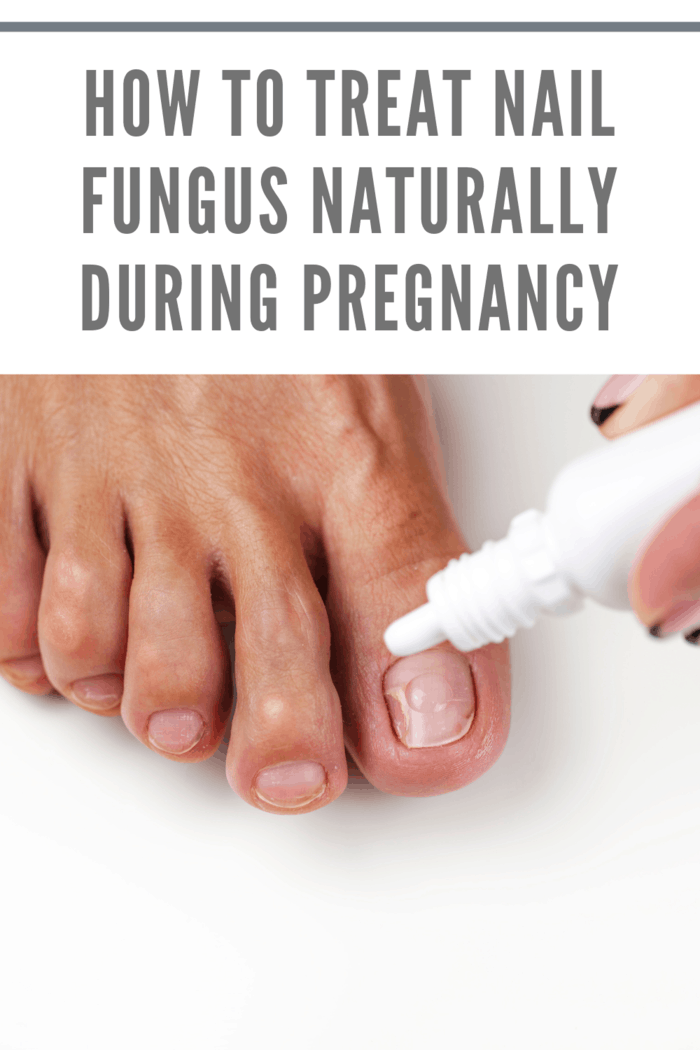
Nail fungus, also called a fungal nail infection or onychomycosis, happens when fungi settle into the nail. It most often affects toenails because feet spend so much time in warm, damp, dark places like socks and shoes. Basically, fungus loves a cozy little foot cave. Rude, but true.
A fungal nail infection may cause:
- White, yellow, or brown discoloration
- Thickened nails
- Brittle, crumbly, or ragged nail edges
- A nail that looks lifted or separated from the nail bed
- Changes in nail shape or texture
- Mild discomfort when wearing shoes
During pregnancy, it is especially important to be thoughtful about treatment. Some antifungal medications, especially oral antifungal tablets, may not be recommended during pregnancy or breastfeeding unless your healthcare provider decides they are necessary. That is why this post focuses on gentle foot care habits, natural support, and smart questions to ask before using anything new.
Ingredients for Gentle Natural Toenail Fungus Care
Think of this as your pregnancy-friendly foot care toolkit. These are not “recipe ingredients” in the dinner sense, but they are simple items many readers look for when researching natural remedies for toenail fungus during pregnancy.
Tea Tree Oil
Tea tree oil is one of the most popular natural remedies for nail fungus because it is often used for its antifungal and antiseptic properties. However, essential oils are concentrated and should never be treated like harmless water in a cute little bottle.
If your healthcare provider says tea tree oil is appropriate for you, dilute it with a carrier oil and apply only a tiny amount to the affected nail area. Never ingest tea tree oil, and avoid using it on broken or irritated skin.
Coconut Oil
Coconut oil is often used as a carrier oil because it is moisturizing and easy to apply. It may help soften the skin around the nail and reduce dryness, which can make basic nail care easier. It is not a guaranteed cure for fungal nail infections, but it can be part of a gentle foot care routine.
Apple Cider Vinegar
Apple cider vinegar is a classic home remedy readers love to explore because it is inexpensive and easy to find. Some people use diluted apple cider vinegar foot soaks to help create a less fungus-friendly environment around the nail.
Use caution: vinegar can irritate skin, especially if your feet are cracked, dry, or sensitive. Always dilute it, avoid open skin, and stop if it stings or burns. For a deeper dive into this pantry staple, read Apple Cider for Your Health?
Garlic
Garlic has a long-standing reputation in natural home remedy conversations. Some people apply garlic oil or diluted garlic preparations to fungal areas, but fresh garlic can be irritating on skin. Pregnancy is not the season for turning your toes into a science experiment, so proceed carefully and ask your provider first.
Clean Nail Clippers and a File
Keeping affected nails trimmed can reduce pressure in shoes and make the nail easier to keep clean. Use clean tools, avoid cutting nails too short, and do not share clippers with anyone else in the household.
Breathable Socks and Shoes
Moisture control matters. Choose breathable socks, rotate shoes when possible, and avoid wearing damp footwear. Fungus loves moisture, so the goal is to make your toes a very boring vacation destination.
If you enjoy old-school wellness ideas and practical household tips, you may also like Home Remedies from a Country Doctor.
Directions: How to Care for Nail Fungus Naturally During Pregnancy
These steps are written to be clear, practical, and schema-friendly for a how-to style post. Always check with your OB-GYN, midwife, dermatologist, or podiatrist before starting a new treatment while pregnant.
Step 1: Confirm It Looks Like Nail Fungus
Before you treat toenail fungus during pregnancy, make sure that is actually what you are dealing with. Nail trauma, psoriasis, eczema, pressure from shoes, or other nail conditions can sometimes look similar.
Call your healthcare provider if the nail is painful, spreading quickly, oozing, red, swollen, warm, or if you have diabetes, circulation concerns, or a weakened immune system.
Step 2: Keep Feet Clean and Dry
Wash your feet daily with mild soap and water. Dry carefully, especially between the toes. This simple step matters because moisture creates the kind of environment fungus loves.
Step 3: Trim Nails Carefully
Use clean clippers to trim the affected nail straight across. Do not dig into the corners or cut the nail too short. If the nail is thick or difficult to trim, ask a podiatrist for help instead of forcing it.
Step 4: Choose Breathable Socks and Shoes
Wear clean socks and breathable shoes. If your feet sweat, change socks during the day. Rotate shoes so they have time to dry between wears.
Step 5: Use Natural Remedies Cautiously
If your provider approves, you may try a gentle, diluted option such as tea tree oil in a carrier oil or a diluted apple cider vinegar soak. Apply only to the nail area, avoid broken skin, and stop immediately if you notice burning, itching, redness, or irritation.
Step 6: Avoid Harsh or Risky Treatments Without Medical Guidance
Do not use oral antifungal medication, strong chemical treatments, medicated lacquers, or concentrated essential oils during pregnancy unless your healthcare provider recommends them. “Natural” does not automatically mean safe for every pregnant person.
Step 7: Be Patient With Nail Growth
Toenails grow slowly. Even when treatment is working, it may take months for a healthier nail to grow in. The goal is to stop the fungus from spreading, support healthy nail growth, and avoid irritating your skin along the way.
Expert Tips for Treating Toenail Fungus During Pregnancy
Start early. Mild nail fungus is easier to manage than a thick, stubborn infection that has taken over the whole nail.
Do not share nail tools. Keep clippers and files separate, and clean them after use.
Skip cosmetic nail polish on the affected nail. Polish can trap moisture and make it harder to monitor changes.
Avoid walking barefoot in public wet areas. Wear flip-flops or shower shoes in locker rooms, public showers, and pool areas.
Give your shoes breathing room. Rotate pairs when possible so shoes can dry fully between wears.
Do not pick or peel the nail. This can damage the nail bed and create more irritation.
Ask before using medicated products. Even topical treatments should be cleared with your healthcare provider during pregnancy.
Variations & Creative Ideas for a Gentle Pregnancy Foot Care Routine
Because pregnancy feet deserve more than “good luck and stretchy sandals,” here are a few ways to make your foot care routine feel less clinical and more like a tiny act of self-care.
The 10-Minute Evening Foot Reset
Wash and dry your feet, inspect the affected nail, apply your provider-approved topical option if using one, then slip into clean cotton socks. Simple, fast, and no spa appointment required.
The Breathable Shoe Swap
If your feet are living in tight, sweaty shoes all day, consider rotating in breathable footwear. Your toenails need airflow, and honestly, so does your patience.
The No-Polish Nail Check
Keep the affected nail polish-free while you are monitoring it. This makes it easier to see whether the discoloration is spreading, improving, or changing.
The Baby-Safe Bathroom Basket
Create a small foot care basket with clean clippers, a nail file, mild soap, clean socks, and your provider-approved products. When everything is in one place, you are more likely to stick with the routine.
Serving Suggestions for This Pregnancy Foot Care Routine
Okay, we are not serving toenails at brunch, thank goodness. But we can pair this routine with other feel-good habits that help make pregnancy more comfortable.
- Pair your foot care routine with a warm cup of herbal tea that your provider has approved.
- Use it as part of your wind-down routine before bed.
- Follow it after a shower when nails are softer and easier to trim.
- Combine it with gentle foot elevation if your feet feel tired or swollen.
- Read more pregnancy comfort ideas in these pregnancy foot-care tips.
Health & Wellness Category Hub Loop
This post fits naturally into the Mommy’s Memorandum wellness loop because it supports pregnancy comfort, practical home care, and everyday body awareness.
- Start with the Health & Wellness category hub for more family-friendly wellness tips.
- Then read 6 Effective Pregnancy Foot-care Tips to support tired, swollen, or sensitive feet during pregnancy.
- Explore Home Remedies from a Country Doctor for more practical home remedy inspiration.
- Learn more about Apple Cider for Your Health? if you are curious about apple cider vinegar and wellness.
From there, loop readers back to this guide when they are specifically searching for nail fungus during pregnancy, toenail fungus pregnancy, fungal nail infection pregnancy, or natural remedies for toenail fungus during pregnancy.
FAQs About Nail Fungus During Pregnancy
Can you treat toenail fungus while pregnant?
Yes, but you should be careful about what you use. Gentle foot hygiene, keeping feet dry, trimming nails properly, and avoiding shared nail tools are generally practical first steps. Before using antifungal medication, medicated nail polish, essential oils, or home remedies, ask your healthcare provider what is safe for your pregnancy.
Is toenail fungus dangerous during pregnancy?
Toenail fungus is usually not dangerous, but it can spread, worsen, or become uncomfortable. It is also important to make sure the nail change is actually fungus and not another nail condition. If you have pain, swelling, redness, drainage, diabetes, circulation problems, or a weakened immune system, call your provider promptly.
What is the safest nail fungus treatment during pregnancy?
The safest option depends on your specific pregnancy, health history, and how severe the infection is. Many providers prefer conservative care first, such as hygiene, moisture control, and monitoring. Some topical treatments may be considered, but oral antifungal medications may not be suitable during pregnancy or breastfeeding unless a healthcare provider specifically recommends them.
Can I use tea tree oil for toenail fungus during pregnancy?
Tea tree oil is a popular natural remedy, but it is very concentrated. If your healthcare provider says it is okay for you, dilute it with a carrier oil and use only a small amount on the nail. Do not ingest tea tree oil, do not apply it to broken skin, and stop if irritation occurs.
Can I soak my feet in apple cider vinegar while pregnant?
Some people use diluted apple cider vinegar foot soaks as a home remedy for toenail fungus. However, vinegar can irritate sensitive, cracked, or broken skin. Ask your provider first, dilute it well, and stop if it causes burning, redness, itching, or discomfort.
How long does toenail fungus take to go away?
Toenail fungus can take a long time to improve because toenails grow slowly. Even with treatment, it may take months for a clearer nail to grow in. Consistency matters, and severe infections may need medical treatment.
Should I remove nail polish if I have toenail fungus?
Yes, it is usually best to avoid polish on the affected nail while you are monitoring it. Polish can hide changes and may trap moisture, making it harder to see whether the nail is improving or getting worse.
When should I call a doctor about nail fungus during pregnancy?
Call your healthcare provider if the nail is painful, swollen, red, warm, draining fluid, spreading to other nails, or not improving. You should also call if you have diabetes, circulation issues, immune system concerns, or if you are unsure whether the nail change is fungus.
Final Thoughts: Keep Calm and Care for Those Toes
Nail fungus during pregnancy may not be the most glamorous topic, but it is absolutely worth handling with care. The key is to start early, keep your feet clean and dry, avoid risky treatments, and check with your healthcare provider before trying anything new.
Natural remedies like diluted tea tree oil, coconut oil, and apple cider vinegar may be part of the conversation, but they are not magic wands. Pregnancy changes the rules, so safety comes first. Your feet are carrying you, your baby, your grocery bags, your laundry basket, and probably seventeen emotional support snacks. They deserve gentle care.
For more practical wellness support, visit the Health & Wellness category hub and keep building simple routines that help your body feel supported one small step at a time.
This article was originally published Sep 16, 2020, and updated May 25, 2026, with improved instructions, updates, and new photos.