
Where Does Celtic Sea Salt Come From? Origin, Harvesting, and Uses
Celtic Sea Salt® does not come from one single place. It is a brand name inspired by traditional salt-harvesting methods, and the current collection includes salts sourced from different regions.
The original Light Grey Celtic® salt is known as a moist French grey sea salt from clay-lined coastal salt beds, while other Celtic Sea Salt products come from different sources, including locations in Spain. This guide explains where Celtic Sea Salt comes from, how it is made, why it is grey and wet, and how to use it in everyday cooking.


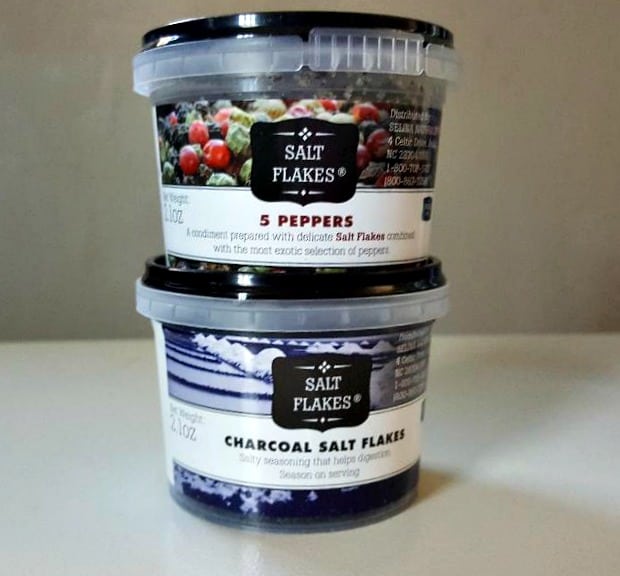
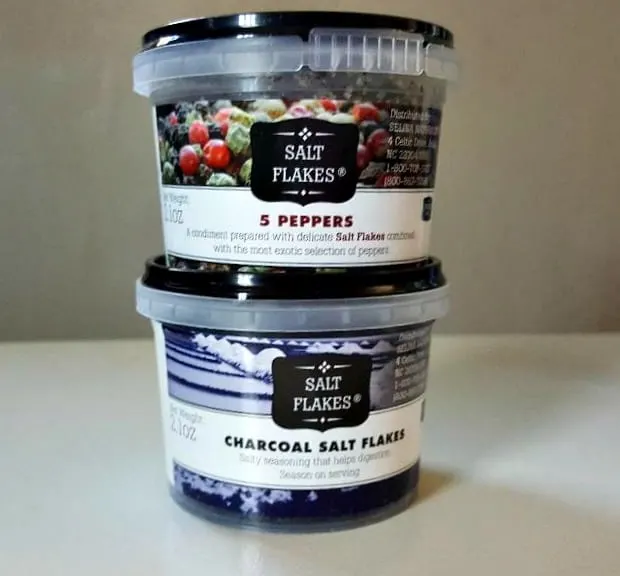
Disclosure: I originally received Celtic Sea Salt products from Selina Naturally for review. All opinions and first-hand cooking observations are my own.
Where Does Celtic Sea Salt Come From?
The simplest answer is this: Celtic Sea Salt does not all come from the same place.
Celtic Sea Salt® is a brand name rather than a geographic designation for every salt in the package. The original Light Grey Celtic® is associated with the traditional French grey sea salt harvested from coastal salt beds in Brittany, France.
The word “Celtic” does not mean that every crystal in the brand’s current collection was harvested from the Celtic Sea itself. The name was inspired by traditional salt-harvesting methods and the craftsmanship associated with them.
Over time, the company expanded its collection to include salts from other regions. For example, its current information identifies a river salt from Villena, Spain, and a pink cave salt from ancient deposits in Catalonia, Spain.
So, when someone asks, “Where is Celtic Sea Salt from?” the most accurate answer is: it depends on which Celtic Sea Salt product you mean.
Readers Also Make…
Put a good cooking salt to work in my Easy Instant Pot Mongolian Beef, where bold savory flavors make careful seasoning especially important.
For cozy comfort food, try my Microwave New England Clam Chowder. Salt has a big job in a simple soup, so taste as you go and let the potatoes, clams, and bacon guide you.
What Is Celtic Sea Salt?
Celtic Sea Salt® is a brand of unrefined salts known for traditional harvesting methods, distinctive textures, and naturally occurring colors.
It is also one of those ingredients that reminds me how much my cooking changed as I grew up.
Growing up in Utah, there was salt on the table. We lived not far from where salt is mined, and I thought that was pretty much the whole salt story. One salt. One shaker. One job.
Then I grew up and started cooking more seriously.
I learned that “salt” can mean coarse crystals, fine grains, moist grey salt, delicate finishing flakes, and a whole range of textures that behave differently in the kitchen.
That was the part of trying Celtic Sea Salt products that stayed with me. I did not need a sprawling catalog of salts in my pantry, but I did begin paying attention to crystal size, moisture, texture, and when the salt is added.
Those little details can change a dish.
Why Is Light Grey Celtic Sea Salt Grey?
Light Grey Celtic Sea Salt gets its distinctive color from the coastal salt beds where it is harvested.
Unlike sparkling white table salt, the coarse crystals have a naturally grey appearance. The salt is traditionally associated with clay-lined coastal ponds, and its color reflects the environment in which the crystals form.
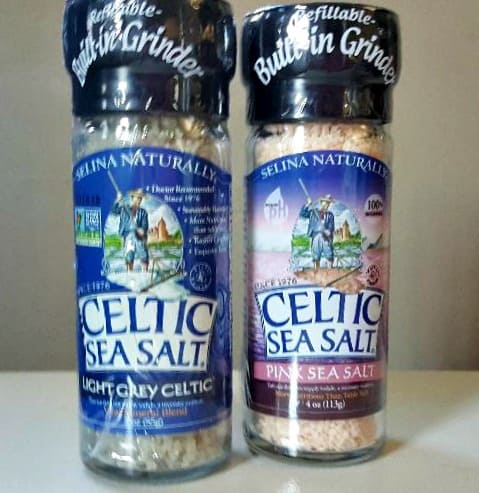
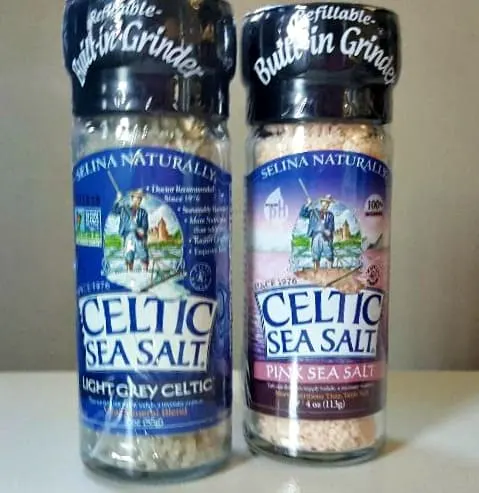
The Light Grey Celtic salt I cooked with was noticeably different from ordinary table salt. The crystals were coarse and moist rather than dry and free-flowing.
That texture matters. A few large crystals do not measure or dissolve exactly like the same spoonful of fine table salt.
How Is Celtic Sea Salt Made?
For traditional French grey sea salt, seawater is moved through a series of shallow coastal ponds. Sun and wind gradually evaporate the water and concentrate the brine until salt crystals form.
The salt is then harvested rather than heavily refined into perfectly uniform white grains.
That traditional process helps explain several things readers notice immediately about Light Grey Celtic Sea Salt:
- The crystals are coarse.
- The salt retains natural moisture.
- The color is grey rather than bright white.
- The crystal size and texture can vary.
Not every product carrying the Celtic Sea Salt name is made from the same source or by one identical process. Some current products come from coastal waters, while others are associated with underground brine springs or ancient salt deposits.
That is why “How is Celtic Sea Salt made?” has more than one answer. The exact process depends on the salt.
Is All Celtic Sea Salt From the Same Place?
No. This is the most important distinction in the whole article.
Celtic Sea Salt is a brand, and the brand’s collection includes salts from different sources.
The original Light Grey Celtic is associated with French grey sea salt from coastal ponds in Brittany, France.
Other products in the current collection have different origins. The company identifies Celtic River Salt as coming from an underground brine spring in Villena, Spain, while its current pink cave salt comes from ancient deposits in Catalonia, Spain.
So, no, not all Celtic Sea Salt is from France—and not every product is harvested from the same type of salt bed.
What Does Celtic Sea Salt Taste Like?
My first impression of Light Grey Celtic Sea Salt was not simply “salty.” It was the texture.
The coarse crystals were moist, substantial, and more noticeable than the table salt I grew up shaking over everything.
Used during cooking, the crystals dissolve into soups, sauces, vegetables, and other foods. Used at the end, coarse crystals can add little pockets of saltiness and crunch.
This is also where I learned the difference between a cooking salt and a finishing salt.
Cooking salt disappears into the dish and seasons it from within. A finishing salt is added near the end, where its shape and texture still have a chance to be noticed.
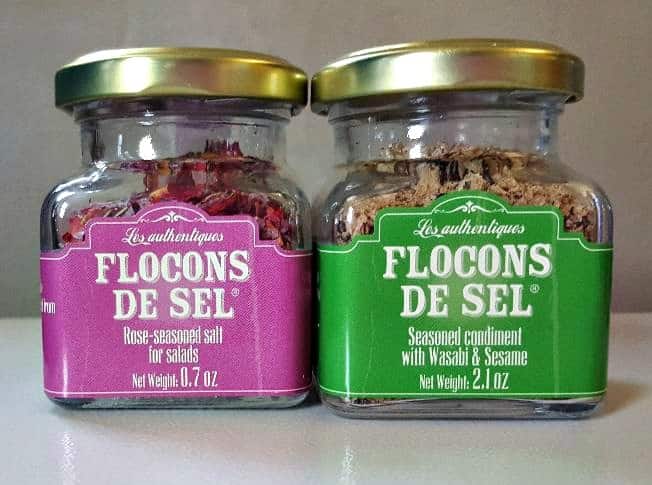
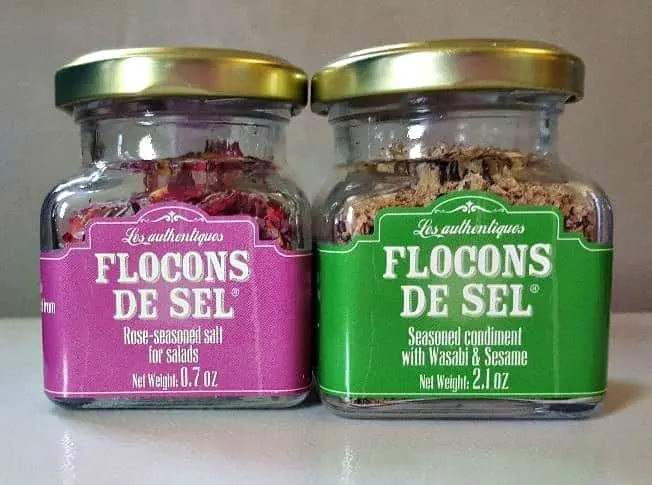
Product lines and flavors change over time, but the cooking lesson still holds: use the texture of the salt to your advantage.
How to Use Celtic Sea Salt in Cooking
You do not need a complicated ritual to cook with Celtic Sea Salt. Use it where you would normally use salt, but pay attention to the grain size.
For Soups and Stews
Add salt gradually as the dish cooks, then taste again before serving. Soups become more concentrated as they simmer, so it is easier to add more than to rescue an overly salty pot.
For Roasted and Grilled Foods
Coarse salt works beautifully on potatoes, roasted vegetables, grilled meats, and corn. Rub or sprinkle it evenly rather than leaving all the large crystals in one place.
For Bread and Pizza Dough
Salt is not just there to make dough taste better. It is an important part of a balanced bread recipe.
For even distribution in dough, a fine-grain salt is usually easier to work with than large, wet crystals. My Copycat Pizza Hut Pizza Dough is a good example of a recipe where consistent measuring matters.
For Finishing a Dish
A pinch of coarse or flaky salt added just before serving can bring out texture on sliced tomatoes, roasted vegetables, grilled steak, chocolate desserts, and fresh bread.
For Baking
Use a fine-grain salt unless the recipe specifically calls for coarse crystals or a finishing salt.
Large crystals do not distribute through cookie, cake, or bread dough as evenly as fine salt.
Expert Tips for Using Celtic Sea Salt
- Pay attention to crystal size. A teaspoon of large crystals may not contain the same amount of salt as a teaspoon of fine grains.
- Taste as you go. This is especially important when switching from table salt to a coarser sea salt.
- Use fine salt when even distribution matters. Baking and dough recipes are usually easier with a fine grain.
- Save beautiful crystals for the finish. If texture is the reason you bought the salt, do not dissolve all of it into a pot of water.
- Expect moist salt to behave differently. Clumping does not necessarily mean something is wrong with the salt.
Troubleshooting Common Celtic Sea Salt Problems
Why is my Celtic Sea Salt clumping?
Light Grey Celtic Sea Salt naturally retains moisture, so some clumping is normal. Break up small clumps with clean, dry fingers or a utensil.
Why is my salt grinder sticking?
The salt may be too moist for the grinder. Moisture can make coarse crystals stick together and can also be hard on metal grinder parts.
Why did my recipe taste too salty?
You may have substituted one type of salt for another by volume. Fine salt packs more tightly into a measuring spoon than large crystals, so changing grain size can change the final result.
Can I use coarse Celtic Sea Salt in baking?
You can, but large crystals may not distribute evenly. For doughs, cakes, cookies, and other recipes where consistent seasoning matters, a fine-grain salt is usually easier.
Perfect With…
Summer: Sprinkle a few crystals over ripe tomatoes, grilled corn, cucumber salads, or roasted garden vegetables.
Fall: Use it carefully in soups, stews, roasted squash, and cozy Sunday dinners.
Winter: Let salt do its quiet work in homemade bread, creamy chowders, roasted potatoes, and holiday meals.
Spring: Try a light finishing pinch on asparagus, eggs, fresh salads, and simply cooked vegetables.
How Should You Store Moist Sea Salt?
Moist sea salt needs slightly different storage than the dry table salt many of us grew up using.
Keep it in a clean container made from glass, ceramic, wood, or food-safe plastic.
Avoid prolonged storage in metal containers or metal grinders. Salt plus moisture can encourage corrosion.
Keep the container closed when you are not using it, but do not be surprised if Light Grey Celtic Sea Salt remains soft or slightly clumpy. That moisture is part of its natural texture.
Why Is Celtic Sea Salt Wet?
Light Grey Celtic Sea Salt is wet because natural brine remains with the salt crystals.
The amount of moisture can vary depending on climate and the salt itself. That is why one package may feel a little looser while another seems more clumped together.
This is also why a grinder that works perfectly with dry peppercorns or dry salt may struggle with moist sea salt.
Does Celtic Sea Salt Contain Iodine?
Celtic Sea Salt does not have iodine added to it. The brand reports that a very small naturally occurring trace amount is present.
That is not the same thing as iodized salt.
In general, sea salts that are not specifically labeled “iodized” contain little iodine. If you are choosing salt specifically because you need an iodine source, read the product label rather than assuming all salt provides the same amount.
Creative Ways to Use Celtic Sea Salt
Once you understand the grain size, Celtic Sea Salt is easy to work into everyday cooking.
- Finish ripe tomato slices with a few coarse crystals.
- Sprinkle lightly over roasted potatoes or vegetables.
- Add a pinch to grilled steak just before serving.
- Use fine-grain salt in bread and pizza dough.
- Add flaky salt to chocolate cookies, brownies, or caramel desserts.
- Season homemade soups gradually as they cook.
- Use coarse crystals for visual texture on rustic breads.
- Add salt to homemade spice blends and dry rubs.
The goal is not to make everything taste noticeably salty. Good seasoning should make the food itself taste more complete.
Frequently Asked Questions
Where is Celtic Sea Salt from?
Celtic Sea Salt comes from more than one place. The original Light Grey Celtic salt is associated with French coastal salt beds, while other products in the brand’s collection come from different regions.
Where does Celtic Sea Salt come from?
It depends on the product. Celtic Sea Salt is a brand, not one single salt harvested from one geographic location.
How is Celtic Sea Salt made?
Traditional grey sea salt is made by concentrating seawater in shallow salt ponds with sun and wind, then harvesting the crystals. Other products in the brand’s collection may come from different sources and use different harvesting methods.
Is all Celtic Sea Salt from France?
No. The original Light Grey Celtic salt is associated with French grey sea salt, but the current brand collection includes salts from other regions.
Why is Celtic Sea Salt grey?
Light Grey Celtic Sea Salt gets its natural color from the coastal salt beds where the crystals form.
Why is Celtic Sea Salt wet?
Natural brine remains with the salt, which gives Light Grey Celtic Sea Salt its moist texture.
Is all sea salt Celtic Sea Salt?
No. Sea salt is a broad type of salt. Celtic Sea Salt® is a specific brand name.
Does Celtic Sea Salt have iodine?
No iodine is added. The brand reports a very small naturally occurring trace amount, so it should not be treated as equivalent to iodized salt.
Can I substitute Celtic Sea Salt for regular table salt?
Usually, but use care when measuring by volume. Coarse and fine salts pack differently into a measuring spoon, so start with less and adjust to taste.
Related Recipes for Putting Good Salt to Work
- Make a bold weeknight dinner with my Easy Instant Pot Mongolian Beef Recipe.
- Season a cozy bowl of my Microwave New England Clam Chowder gradually so the bacon and clams stay balanced.
- See why consistent salt measurement matters when making my Copycat Pizza Hut Pizza Dough.
Final Thoughts
I grew up thinking salt was salt.
It sat on the table in one familiar shaker, and I never gave much thought to where it came from or why one kind might feel completely different from another.
Celtic Sea Salt taught me to pay attention.
The biggest surprise is also the answer to the question that brought most readers here: Celtic Sea Salt does not all come from one place.
It is a brand with a collection of salts. The original Light Grey Celtic salt is tied to traditional French grey sea salt, while other salts in the collection have different origins.
For me, the most useful lesson is still the simplest one. Look at the salt in your hand. Notice whether it is fine, coarse, moist, or flaky. Then use that texture where it will do the most good.
Sometimes better cooking really does begin with the smallest ingredient on the table.
Next Recipe to Try
Now that you know why crystal size matters, put that knowledge to work in my Copycat Pizza Hut Pizza Dough. Salt may be one of the smallest ingredients in the bowl, but it helps turn simple flour and yeast into a soft, flavorful pizza crust worthy of Friday night.