5 Clear Signs Your Baby Needs a Diaper Change
Did you know babies can urinate up to 20 times a day during their first few months of life? That’s a lot of diaper changes! According to AmericanPregnancy.org, it’s generally recommended to change your baby’s diaper every 2–3 hours. However, many parents rely on instinct and observation to guide them.
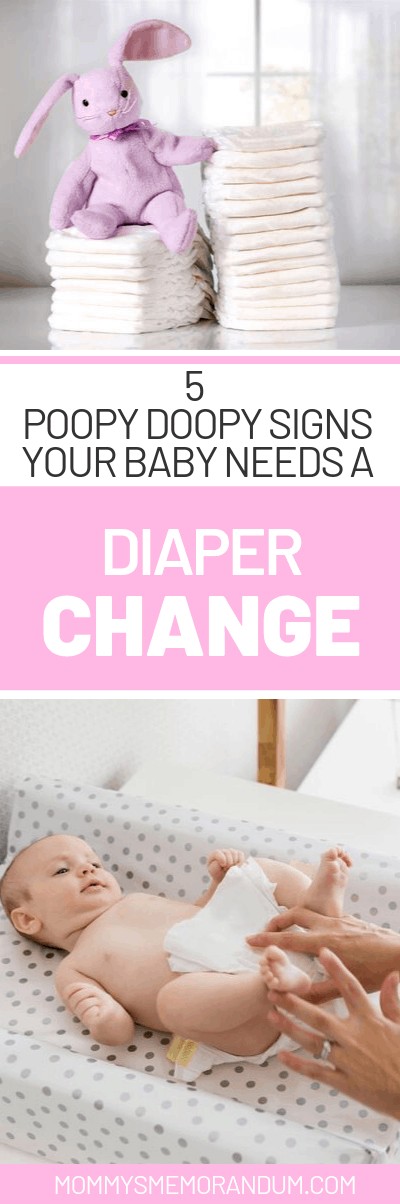

1. Your Baby Starts Crying Uncontrollably
Crying is the universal signal that something isn’t right. Newborns especially have very few ways of communicating their needs. A wet or soiled diaper can feel cold, sticky, or irritating to your baby’s sensitive skin. With time, you’ll begin to distinguish between hunger cries, sleepy cries, and the “change me” cry.
2. The Diaper Feels Heavy or Bulky
Even if your baby isn’t crying, a noticeably fuller diaper is a dead giveaway. Pick your baby up—if the diaper sags or feels heavy, it’s likely soaked. This is especially noticeable after naps or overnight. Regular checks help you stay ahead of the discomfort and help prevent leakage or blowouts.
3. Visual Indicators on Diapers
Modern diapers make parenting a little easier. Many brands now include moisture indicators—a yellow strip that turns blue when wet. While convenient, don’t rely on this alone. Sometimes small amounts of urine or a diaper with feces won’t trigger the strip but can still irritate your baby’s skin.
4. The Smell Test Says It All
Let’s face it—if you catch a whiff of something unpleasant, there’s probably a situation in the diaper. It might feel awkward at first, but every parent becomes a pro at the sniff test. Some odors are strong enough to travel across the room and are usually your strongest cue that action is needed.
5. Your Baby Tells You with Signs
Believe it or not, babies can let you know they need a change before they can speak. Baby sign language is an amazing tool. By 6 to 8 months, babies can learn to communicate using simple signs like “potty” or “change me.”
Try the sign for potty or use the change me gesture consistently. It can significantly reduce frustration—for you and your little one.
Cloth or Disposable? Do What Works for You
The cloth versus disposable debate can be as passionate as breastfeeding versus bottle feeding. The truth? Do what’s best for your family. If you’re curious about cloth diapers, check out this honest review of Grovia Cloth Diapers. Many parents love the eco-friendliness and cost savings, while others appreciate the convenience of disposables.
Parenting Tip: Trust Your Gut
As your baby grows, so will your confidence. You’ll begin to pick up on subtle clues and rhythms. Parenting isn’t about perfection—it’s about connection. Diaper blowouts and chaotic mornings happen, but so do snuggles, smiles, and milestones.
At the end of the day, trust your instincts. Your baby is depending on you—and you’re doing a great job.