
Acne Treatment Guide for Teens
This Acne Treatment Guide for Teens is a practical, gentle skincare guide for understanding breakouts, building a simple acne-friendly routine, and knowing when it may be time to ask a dermatologist for help.
Teen acne can feel frustrating, embarrassing, painful, and completely unfair, especially when it shows up right before school pictures, a party, a date, or the one day you really wanted your skin to behave.
If you are dealing with stubborn acne, blackheads, whiteheads, red bumps, inflamed pimples, or breakouts that make you want to hide from the world, you are not alone. Acne is incredibly common during the teen years, and it is not a sign that you are dirty, lazy, or doing everything wrong.
The good news? Teen acne can often be managed with a consistent skincare routine, acne-friendly products, healthy habits, and the right treatment plan for your skin. This guide will walk you through what causes teen acne, what products may help, what mistakes to avoid, and how to care for your skin without overdoing it.
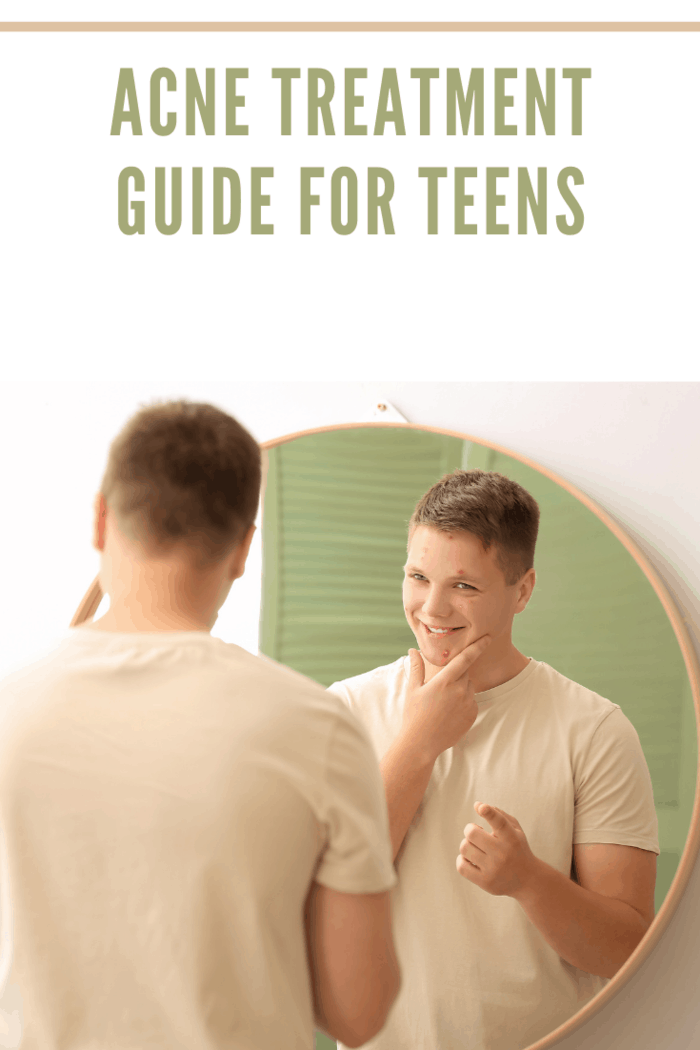

Why Teen Acne Happens
Teen acne is often linked to hormone changes during puberty. As hormones shift, the skin may produce more oil, also called sebum. When that oil mixes with dead skin cells, it can clog pores and lead to blackheads, whiteheads, pimples, and inflamed acne.
Bacteria and inflammation can make breakouts look red, swollen, or painful. Acne can show up on the face, chest, back, shoulders, and other areas where oil glands are active.
Acne can affect more than your skin. It can impact confidence, mood, social life, and how comfortable you feel in your own face. If acne is making you feel anxious, embarrassed, or isolated, it is worth talking to a trusted adult, doctor, or dermatologist. You deserve support, not shame.
What Is Acne?
Acne is a common skin condition that happens when pores become clogged with oil and dead skin cells. Some acne is mild and mostly shows up as clogged pores. Other acne is inflamed, painful, or deeper under the skin.
Understanding what kind of acne you have can help you choose the right approach.
Noninflammatory Acne
Noninflammatory acne includes blackheads and whiteheads. These are usually caused by clogged pores.
- Whiteheads: Closed clogged pores that look like small bumps.
- Blackheads: Open clogged pores that darken when exposed to air.
Inflammatory Acne
Inflammatory acne is usually red, swollen, tender, or painful. It may be more likely to leave scars or dark marks, especially if picked or squeezed.
- Papules: Small red or tender bumps.
- Pustules: Inflamed bumps with visible pus.
- Nodules: Larger, painful bumps deeper under the skin.
- Cysts: Deep, painful acne that may scar and should be evaluated by a dermatologist.
What Causes Acne in Teens?
Acne usually has more than one cause. It is not just about washing your face or eating one slice of pizza. Common acne triggers can include:
- Hormonal changes during puberty
- Excess oil production
- Clogged pores
- Dead skin cell buildup
- Bacteria
- Inflammation
- Stress
- Sweat and friction from helmets, masks, hats, or sports gear
- Heavy makeup or pore-clogging products
- Certain medications
- Food triggers for some people
If your acne seems tied to certain products, foods, sports gear, or stress, keeping a simple skin diary may help you notice patterns.
Acne Treatment Options for Teens
There is no one perfect acne treatment for everyone. What helps one person may irritate another person’s skin. Start gently, be consistent, and give products time to work.
Over-the-Counter Acne Treatments
For mild acne, over-the-counter products may help. Common acne-fighting ingredients include:
- Benzoyl peroxide: Helps reduce acne-causing bacteria and can be useful for red, inflamed pimples.
- Salicylic acid: Helps unclog pores and is often found in acne cleansers, toners, and spot treatments.
- Adapalene: An over-the-counter retinoid that may help prevent clogged pores when used consistently.
- Azelaic acid: Sometimes used for acne and uneven-looking tone.
Start with one acne treatment at a time. Using too many active ingredients at once can make skin dry, red, peeling, or more irritated.
If you are trying to calm redness and swelling, you may also find How to Reduce Acne Inflammation helpful.
Prescription Acne Treatments
If over-the-counter products are not helping, a dermatologist may recommend prescription treatments. These may include prescription retinoids, topical antibiotics, stronger benzoyl peroxide combinations, oral antibiotics, hormonal treatments, or other medications depending on the type and severity of acne.
Do not feel like seeing a dermatologist means you failed. It means you are getting skin-specific help from someone trained to treat acne.
Professional Treatments
Some teens may benefit from professional treatments such as chemical peels, light therapy, or other in-office options. These should be guided by a dermatologist or qualified skincare professional, especially if acne is inflamed, painful, or scarring.
A Simple Teen Acne Skincare Routine
A teen skincare routine does not need to be expensive, complicated, or made of 17 steps from social media. In fact, simple is often better.
Morning Routine
- Cleanse gently. Wash your face with a gentle cleanser and lukewarm water.
- Apply acne treatment if using one. Follow the product directions and avoid using too much.
- Moisturize. Choose a lightweight, oil-free, noncomedogenic moisturizer.
- Use sunscreen. Apply broad-spectrum SPF 30 or higher, especially if using acne treatments that can make skin more sun-sensitive.
Evening Routine
- Remove makeup and sunscreen. Do not sleep in makeup.
- Cleanse gently. Use lukewarm water and your fingertips, not a rough scrub.
- Apply acne treatment. Use only as directed.
- Moisturize. Help support your skin barrier and reduce dryness.
Consistency matters. Acne treatments can take several weeks to show improvement, so do not give up after two days unless your skin is burning, swelling, or having a reaction.
How to Wash Your Face the Right Way
Washing your face properly can help support acne-prone skin, but over-washing can make acne worse. Aim for gentle, consistent cleansing.
- Wash morning and night.
- Use lukewarm water, not hot water.
- Apply cleanser with clean fingertips.
- Avoid scrubbing with washcloths or harsh brushes.
- Rinse thoroughly.
- Pat dry with a clean towel.
- Wash after sports, workouts, or heavy sweating.
If your skin feels tight, stinging, or squeaky-clean after washing, your cleanser may be too harsh.
Best Product Types for Teen Acne
When shopping for acne products, look for formulas made for acne-prone skin. You do not need the most expensive product on the shelf. You need products your skin can tolerate consistently.
- Gentle cleanser: For daily washing without stripping the skin.
- Benzoyl peroxide product: May help with inflamed acne and acne-causing bacteria.
- Salicylic acid product: May help with clogged pores and blackheads.
- Oil-free moisturizer: Helps prevent dryness from acne treatments.
- Noncomedogenic sunscreen: Protects skin without clogging pores.
- Oil-free makeup: Helps reduce the chance of pore-clogging buildup.
- Spot treatment: For occasional pimples, used according to directions.
If you are curious about a specific acne product line, you may also find this Rodan + Fields Spotless post helpful.
What Does Noncomedogenic Mean?
Noncomedogenic means a product is designed not to clog pores. For acne-prone skin, this label can be helpful when choosing moisturizers, sunscreens, makeup, and skincare products.
Look for words like:
- Noncomedogenic
- Oil-free
- Won’t clog pores
- Fragrance-free, if your skin is sensitive
- For acne-prone skin
Teen Acne Mistakes to Avoid
When acne feels stressful, it is tempting to throw everything at your face and hope something works. Unfortunately, that can make skin more irritated.
- Do not pick or squeeze pimples. This can worsen inflammation and increase the chance of scarring.
- Do not scrub acne aggressively. Scrubbing does not clean acne away; it irritates skin.
- Do not use too many acne products at once. More is not always better.
- Do not skip moisturizer. Dry, irritated skin can make acne treatment harder to tolerate.
- Do not skip sunscreen. Acne marks can look darker after sun exposure.
- Do not sleep in makeup. Remove makeup before bed.
- Do not use body scrubs on your face. Facial skin is more delicate.
Diet and Teen Acne
Food does not affect every teen’s acne the same way. Some people notice breakouts after certain foods, while others do not. Diet alone usually is not the full answer, but healthy habits can support your skin and overall wellness.
Helpful habits may include:
- Drinking enough water
- Eating fruits and vegetables
- Choosing balanced meals with protein and complex carbohydrates
- Limiting highly processed foods if they seem to trigger breakouts
- Keeping a food and breakout diary if you suspect a connection
If you wonder whether dairy affects your skin, read How Milk Can Help Skin Glow for more about milk, lactic acid, sensitive skin, and skincare cautions.
Acne and Confidence
Acne can feel emotional. It may make you want to avoid photos, cancel plans, hide under a hoodie, or compare your skin to filtered images online. Please remember: acne is common, treatable, and not a reflection of your worth.
If acne is affecting your confidence, mental health, or social life, tell someone you trust. A parent, guardian, school nurse, doctor, or dermatologist can help you figure out the next step.
When Teens Should See a Dermatologist
Some acne can be managed with gentle skincare and over-the-counter products. But some acne needs professional help.
Consider seeing a dermatologist if:
- Acne is painful, deep, cystic, or severe.
- Breakouts are leaving scars or dark marks.
- Over-the-counter products are not helping after consistent use.
- Your skin is very irritated from acne products.
- Acne is affecting your confidence, mood, or daily life.
- You are not sure if it is acne or another skin condition.
Dermatologists can help match the treatment to your acne type, skin tone, sensitivity level, and goals.
Can DIY Beauty Fit Into a Teen Acne Routine?
Yes, but gently. Not every DIY beauty recipe belongs on acne-prone facial skin. Body scrubs, foot soaks, lip balm, cuticle oil, and nail art can be wonderful self-care options that do not require experimenting on inflamed acne.
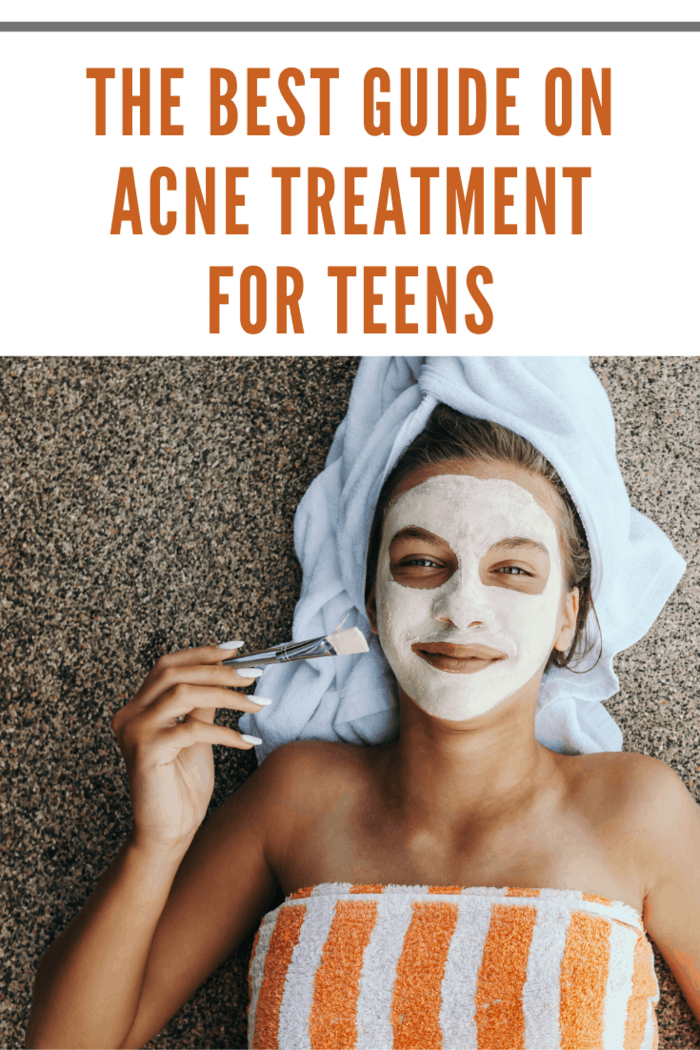
If you want a face mask, patch test first and avoid using masks on broken, irritated, or inflamed areas. Try gentle options like DIY Face Mask for Your Beauty Routine or DIY Pumpkin Face Mask, but remember that homemade masks are for pampering, not acne treatment.
Gentle Self-Care Ideas for Teens with Acne
Self-care does not have to mean attacking your face with every product in the bathroom. Try calming, confidence-friendly beauty ideas that let you feel pampered without irritating breakouts.
- How to Make Your Own Lip Balm — A DIY beauty project for soft lips and giftable tins.
- Essential Oil Cuticle Treatment — A simple cuticle oil for dry cuticles and at-home manicures.
- Invigorating Foot Soak Recipe — A relaxing foot soak for tired feet and spa-night pampering.
- Inside Out Inspired Nail Art — A colorful DIY nail art idea for playful beauty fun.
- Vanilla Body Scrub DIY — A cozy homemade sugar scrub for body care, spa nights, and handmade beauty gifts.
Acne Treatment Guide for Teens FAQs
What is the best acne treatment for teens?
The best acne treatment depends on the type and severity of acne. Mild acne may improve with over-the-counter products like benzoyl peroxide or salicylic acid. Moderate, severe, painful, or scarring acne should be evaluated by a dermatologist.
How often should teens wash their face?
Many teens do well washing twice daily, morning and night, plus after heavy sweating. Use a gentle cleanser and lukewarm water. Avoid scrubbing or washing repeatedly throughout the day.
Should teens use moisturizer if they have acne?
Yes. Acne-prone skin can still become dry or irritated. Choose a lightweight, oil-free, noncomedogenic moisturizer.
Does sunscreen matter for teen acne?
Yes. Sunscreen helps protect skin, and some acne treatments can make skin more sensitive to the sun. Choose broad-spectrum SPF 30 or higher and look for noncomedogenic formulas.
Can makeup make teen acne worse?
Some makeup can clog pores or irritate skin. Choose oil-free, noncomedogenic makeup and always remove it before bed.
How long does acne treatment take to work?
Acne treatment can take several weeks to show improvement. If your skin becomes very irritated or acne is not improving after consistent use, ask a dermatologist for guidance.
Should teens pop pimples?
No. Picking or popping pimples can worsen inflammation, increase the risk of infection, and lead to scarring or dark marks.
Can diet cause teen acne?
Diet triggers vary from person to person. Some teens notice patterns with certain foods, while others do not. A food and breakout diary can help you spot possible triggers.
Can DIY face masks cure acne?
No. DIY face masks are best treated as self-care, not acne treatment. Patch test first and avoid masks on broken, inflamed, or irritated skin.
When should a teen see a dermatologist for acne?
A teen should see a dermatologist if acne is painful, cystic, scarring, severe, not improving with over-the-counter products, or affecting confidence and daily life.
More DIY Beauty and Homemade Self-Care Ideas
If you are building a gentle teen-friendly self-care routine, these ideas can help you feel pampered without overworking acne-prone skin.
- How to Reduce Acne Inflammation — A skincare guide for calming redness, irritation, and inflamed breakouts.
- DIY Face Mask for Your Beauty Routine — A creamy avocado, raw honey, and yogurt face mask for fresh spa-night self-care.
- DIY Pumpkin Face Mask — A fall-inspired face mask that pairs beautifully with pumpkin self-care recipes.
- How Milk Can Help Skin Glow — A skincare guide about milk, lactic acid, gentle exfoliation, and sensitive skin cautions.
- How to Make Your Own Lip Balm — A DIY beauty project for soft lips and giftable tins.
- Essential Oil Cuticle Treatment — A simple cuticle oil for dry cuticles and at-home manicures.
- Invigorating Foot Soak Recipe — A relaxing foot soak for tired feet and spa-night pampering.
- Inside Out Inspired Nail Art — A colorful DIY nail art idea for playful beauty fun.
For more homemade self-care ideas, browse the full DIY Beauty Recipes and Homemade Self-Care Ideas hub.
Final Thoughts
Teen acne can feel overwhelming, but it does not have to control your confidence. Start with a simple routine: gentle cleanser, acne treatment if needed, oil-free moisturizer, sunscreen, and consistent habits that support your skin instead of irritating it.
Be patient with your routine, avoid picking, choose acne-friendly products, and ask for help if acne is painful, scarring, or affecting how you feel about yourself. Clearer skin is a process, and you deserve support every step of the way.
Save this Acne Treatment Guide for Teens for skincare routines, acne treatment tips, clear-skin habits, confidence support, and gentle teen self-care ideas.
This recipe was originally published April 28, 2019, and updated May 17, 2026, with improved instructions, updates, and new photos.—