
How to Color Buttercream Frosting with Gel Icing Colors
Bring the “wow” to your buttercream—one gel-colored swirl at a time.
Spring baking is basically a color party waiting to happen. From pastel Easter cupcakes to bold birthday cakes, the secret to show-stopping desserts is often the same: vibrant, beautifully colored buttercream frosting. If you’ve ever ended up with sad, streaky, or washed-out frosting, don’t worry—this is where Wilton gel icing colors swoop in like the hero of your dessert table.
In this guide, we’ll walk through a classic buttercream frosting recipe and then dive into how to color buttercream with gel food coloring so your cupcakes, cookies, and cakes look bakery-worthy every single time. Grab your mixer, your favorite gel colors, and let’s turn that frosting from “meh” to “magnificent.”
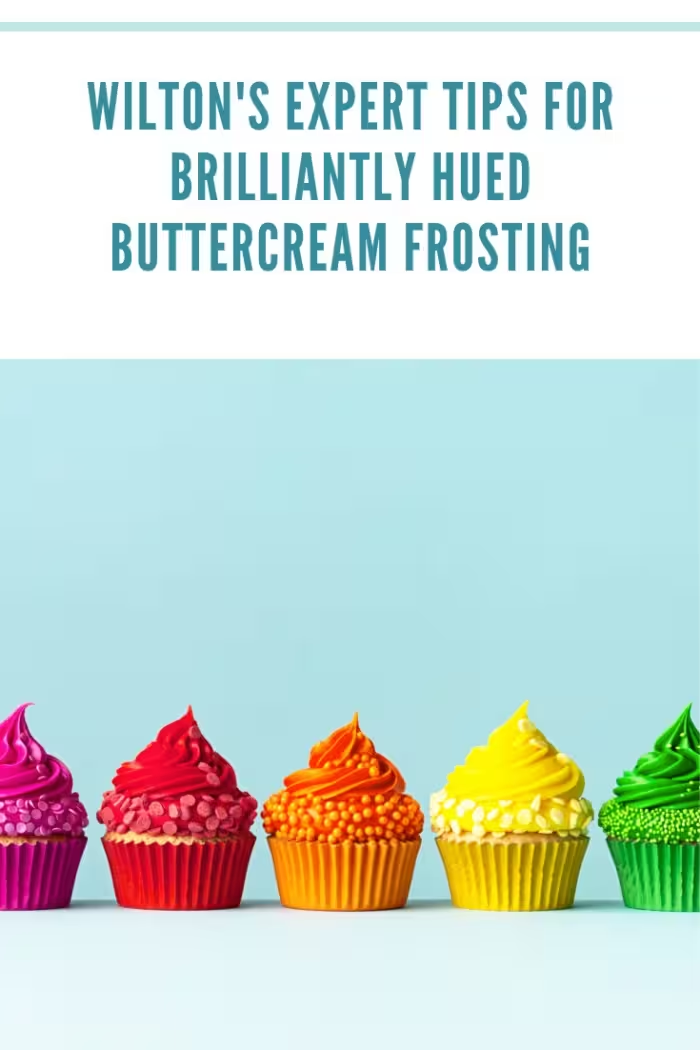
Why you’ll love this vibrantly colored buttercream frosting
This isn’t just any buttercream—it’s your new go-to colored buttercream frosting for every celebration. The base is a classic, creamy vanilla buttercream that’s easy to whip up and even easier to customize with color.
Using gel-based icing colors means you get bold, bright hues without watering down your frosting or losing that fluffy, pipeable texture. Whether you’re going for soft pastel Easter cupcakes, a rainbow swirl birthday cake, or an ombré showstopper, this method gives you consistent, professional-looking results.
And the best part? You’re in control. You can create custom shades to match your party theme, holiday décor, or even your kiddo’s favorite color. Once you learn how to color buttercream like this, every dessert becomes a blank canvas for your creativity.
Wilton’s expert tips for brilliantly hued buttercream frosting
Coloring buttercream frosting doesn’t have to be intimidating. With a few simple tricks and Wilton gel icing colors, you can achieve smooth, evenly colored frosting that looks like it came straight from a bakery display case.
Choose the right color palette
Wilton offers a wide range of gel-based icing colors, so you can create everything from soft pastel frosting for spring desserts to bold, saturated colors for themed cakes and cupcakes. If you’re not sure where to start—or you want to mix your own custom shades—Wilton has a super helpful icing color chart that shows you how to build different hues.
Start with a small amount of gel color
Gel icing colors are highly concentrated, which is amazing for vibrant frosting—but it also means you want to start small. Use a toothpick to add just a tiny dab of gel color to your buttercream, then mix thoroughly. You can always add more color, but you can’t take it away (at least not easily).
Mix thoroughly for even coloring
To avoid streaky or uneven frosting, make sure the gel color is fully incorporated. A spatula works well for smaller batches, while a stand mixer is great for larger amounts. Scrape down the sides of the bowl as you go so every bit of buttercream gets that gorgeous color.
Experiment with custom color combinations
One of the best parts of using gel icing colors is how easily they mix. Combine different shades to create custom colors that match your party theme, holiday décor, or seasonal desserts. Think: soft sage green for spring, deep burgundy for fall, or a dreamy sunset ombré for summer celebrations.
Use gel colors in different frosting types
Wilton gel icing colors aren’t just for buttercream. They also work beautifully in:
- Buttercream frosting
- Royal icing
- Fondant
- Cookie icing
- Cake decorating gels
So once you fall in love with gel colors for buttercream, you can carry that same vibrant look across all your decorating projects.

Classic buttercream frosting recipe for coloring
This simple homemade buttercream frosting is smooth, creamy, and perfect for coloring with gel icing colors. It pipes beautifully, spreads easily, and holds its shape on cakes, cupcakes, and cookies.
Ingredients for buttercream frosting
- 1 cup (2 sticks) unsalted butter, softened
- 4 cups confectioners’ sugar, sifted
- 1–2 tablespoons heavy cream or milk
- 1 teaspoon vanilla extract
- Wilton gel-based icing color (shop Wilton gel icing colors)
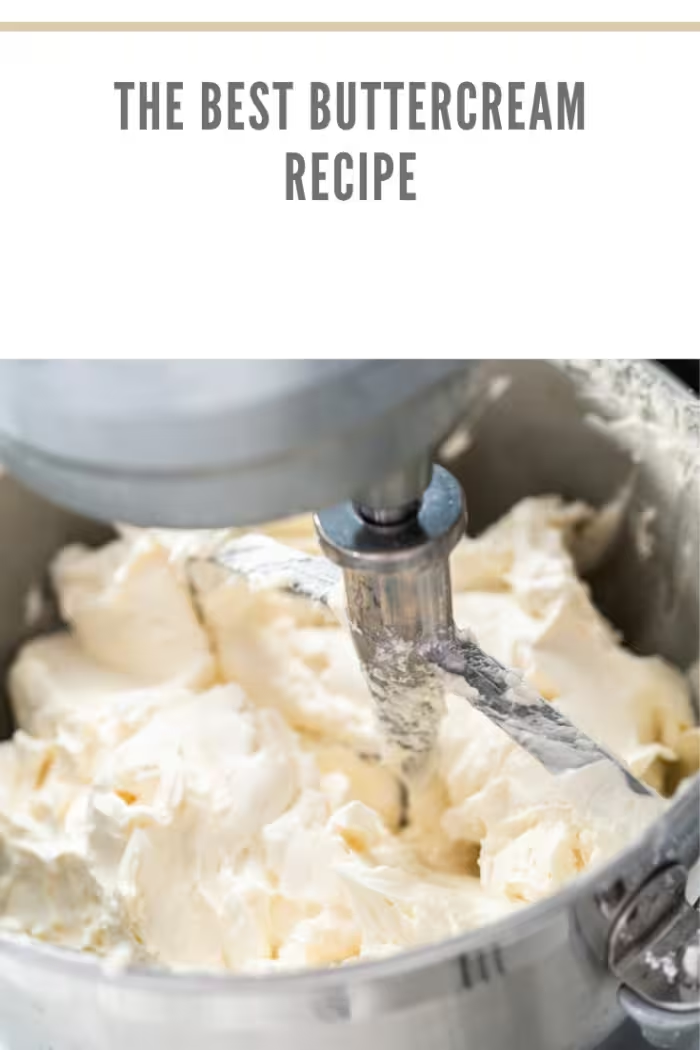
Directions: how to make buttercream frosting
- In a large mixing bowl, beat the softened butter on medium speed until smooth and creamy.
- Gradually add the sifted confectioners’ sugar, mixing well after each addition to prevent lumps and create a
smooth texture. - Add the vanilla extract and 1 tablespoon of heavy cream or milk. Beat until everything is fully combined.
- Increase the mixer speed to medium-high and beat until the frosting becomes light, fluffy, and spreadable.
- If needed, add additional cream a small amount at a time until the frosting reaches your desired consistency
for piping or spreading. - Use a toothpick to add a small amount of Wilton gel icing color to the frosting. Mix thoroughly until the
color is evenly distributed. Add more color gradually, if needed, until you reach your desired shade.
Expert tips for perfectly colored buttercream
Once you’ve got your buttercream base ready, these simple tips will help you get that smooth, vibrant, and
professional-looking finish every time.
- Start small with color:
Gel icing colors are concentrated, so begin with a tiny amount and build up slowly. - Let the color develop:
After coloring, let the frosting rest for 10–15 minutes. The color will deepen as it sits, so don’t rush it. - Protect your hands:
When working with darker gel colors, wear gloves to prevent staining your fingers. - Re-whip chilled frosting:
If you’ve stored your buttercream in the fridge, re-whip it before decorating to restore its fluffy texture. - Adjust if it’s too dark:
If your frosting gets too intense, simply mix in some plain buttercream to lighten the shade.
If you love playing with flavors as much as colors, you might also enjoy this dreamy Orange Dreamsicle Frosting for a citrusy twist that tastes like sunshine in a bowl.
Variations and creative buttercream coloring ideas
Once you’ve mastered how to color buttercream with gel icing colors, the fun really begins. Here are some creative ways to use your vibrantly colored frosting for holidays, parties, and everyday celebrations.
- Pastel Easter cupcakes:
Tint separate bowls of buttercream in soft pastel shades—think blush pink, mint green, pale yellow, and baby blue—for a sweet spring dessert tray. - Rainbow swirl buttercream:
Divide your frosting into several colors, then add stripes of each color to a piping bag fitted with a large star tip. Pipe swirls for a gorgeous rainbow effect on cupcakes. - Tie-dye buttercream frosting:
Spoon different colored buttercreams randomly into a piping bag. As you pipe, the colors will blend into a fun, tie-dye look—perfect for kids’ parties. - Spring flower piping designs:
Use petal and leaf tips to pipe colorful flowers and greenery onto cakes and cupcakes. Gel colors make those petals pop. - Ombre buttercream cakes:
Start with a deeper shade at the bottom of the cake and gradually lighten the color as you move up for a stunning ombré effect.
Serving suggestions for colored buttercream frosting
This versatile buttercream frosting pairs beautifully with so many desserts. Use it whenever you want a smooth, pipeable frosting that holds color and shape.
- Vanilla cupcakes
- Chocolate cake
- Sugar cookies
- Layer cakes
- Holiday and special occasion desserts
Pipe it with decorative tips for bakery-style swirls, rosettes, and borders, or spread it with an offset spatula for a smooth, modern finish. Either way, that vibrant gel-colored buttercream will steal the show.
FAQs about coloring buttercream with gel icing colors
Why use gel food coloring instead of liquid food coloring?
Gel icing colors are more concentrated than liquid food coloring, so you need less product to achieve bold, vibrant colors. They also won’t thin out your buttercream, which means your frosting stays thick, fluffy, and perfect for piping.
Can I make buttercream frosting ahead of time?
Yes. You can make buttercream in advance and store it in an airtight container in the refrigerator for up to one week. When you’re ready to use it, let it come to room temperature and re-whip it to bring back that light, fluffy texture.
How do I fix frosting that becomes too dark?
If your frosting turns out darker than you intended, don’t panic. Simply add more plain, uncolored buttercream and mix until you reach a lighter shade. You can also keep a small batch of plain frosting on hand for exactly this reason.
Can gel icing colors be mixed?
Absolutely. Mixing gel colors is one of the best ways to create custom frosting shades for any occasion. Combine small amounts of different colors until you find your perfect hue—just remember to add gradually and mix well between additions.
Final thoughts: let your buttercream (and creativity) shine
With the right technique and Wilton gel-based icing colors, creating beautifully colored buttercream frosting is simple, fun, and endlessly customizable. Whether you’re decorating cupcakes for a spring party, piping flowers on a birthday cake, or experimenting with rainbow swirls “just because,” vibrant buttercream can turn any dessert into a true centerpiece.
So go ahead—grab your mixer, pick your palette, and start playing with color. Every swirl, rosette, and swoop of frosting is a chance to make something joyful, delicious, and totally you.
Classic & Flavored Frostings
- Root Beer Buttercream Frosting — A nostalgic, soda-shop-inspired buttercream with the creamy sweetness of root beer. Perfect for cupcakes, floats-in-cake-form, and retro dessert nights.
- Pink Champagne Buttercream — Light, bubbly, and beautifully blushed. This celebratory frosting adds a touch of elegance (and fun!) to cakes and cupcakes.
- Bailey’s Irish Cream Frosting— A boozy, silky buttercream infused with Bailey’s for a rich, grown-up twist on classic frosting.
- The Easiest Marshmallow Frosting Ever— Light, fluffy, and cloud-like. This marshmallow frosting whips up fast and tastes like a dream.
- 3-Ingredient Strawberry Frosting— A quick, fruity frosting bursting with real strawberry flavor. Perfect for last-minute desserts.
- Margarita Frosting— A zesty, lime-kissed frosting with a hint of tequila for a fun, fiesta-ready finish.
- Classic Cream Cheese Frosting— Tangy, smooth, and perfectly balanced. Ideal for carrot cake, red velvet, and cinnamon rolls.
- Chocolate Frosting— Rich, creamy, and deeply chocolatey. A timeless favorite for cakes, cupcakes, and brownies.
- Pineapple Frosting— Bright, tropical, and refreshing. A sunshine-sweet frosting perfect for summer desserts.
- Orange Dreamsicle Frosting— Creamy, citrusy, and nostalgic. This frosting tastes like your favorite childhood popsicle.
- Ginger Cream Cheese Buttercream— Warm, spicy, and tangy with a cozy ginger kick. Perfect for fall and holiday bakes.
Ganache, Glazes & Specialty Toppings
- Irish Car Bomb Filling— A decadent, boozy filling inspired by the iconic cocktail. Rich, creamy, and perfect for cupcakes.
- Silky Chocolate Ganache— Smooth, glossy, and luxurious. Ideal for drips, fillings, and ultra-rich chocolate desserts.
- Chocolate Ganache with Bailey’s— A velvety chocolate ganache infused with Bailey’s for a luscious, grown-up twist.
- Marshmallow Whipped Cream— Light, airy, and sweet with a marshmallow finish. A dreamy topping for pies and hot cocoa.
- Royal Icing with Meringue Powder— Crisp, smooth, and perfect for cookie decorating. Dries beautifully for intricate designs.
- 5-Minute Homemade Cinnamon Glaze— Warm, sweet, and spiced. A quick glaze that transforms pastries, donuts, and coffee cakes.
Dog-Safe Frostings
- Soft & Spreadable Cream Cheese Dog Frosting— A pup-approved frosting made with safe, simple ingredients for dog cakes and treats.
- Dog-Safe Yogurt Frosting— A cool, creamy yogurt-based frosting perfect for chilled dog treats and pupcakes.
- Peanut Butter Dog Frosting— A rich, peanut-buttery frosting dogs adore. Great for piping onto birthday pupcakes.
Decorating Tutorials
- How to Do a Basket Weave— A step-by-step guide to creating a beautiful basket weave pattern with buttercream.
- How to Crumb Coat a Cake— Learn how to achieve a smooth, crumb-free base layer for flawless cake decorating.
This recipe was originally published March 26, 2024, and updated March 12, 2026, with improved instructions, updates, and new photos.