
RYOBI P651K Paint Sprayer Review: My Real Adirondack Chair Test
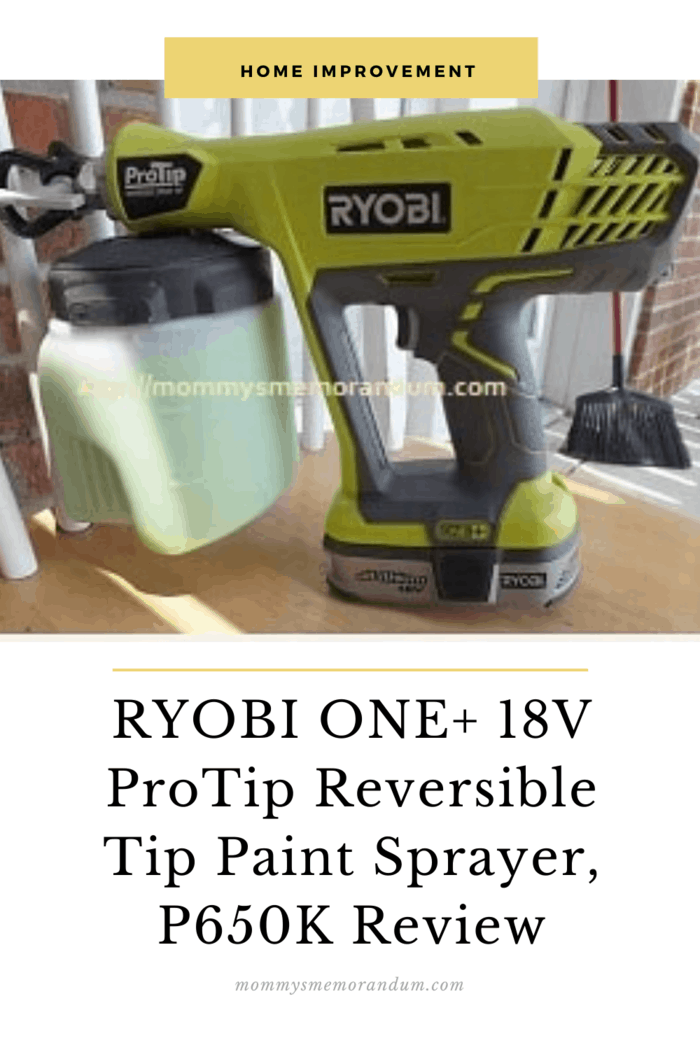
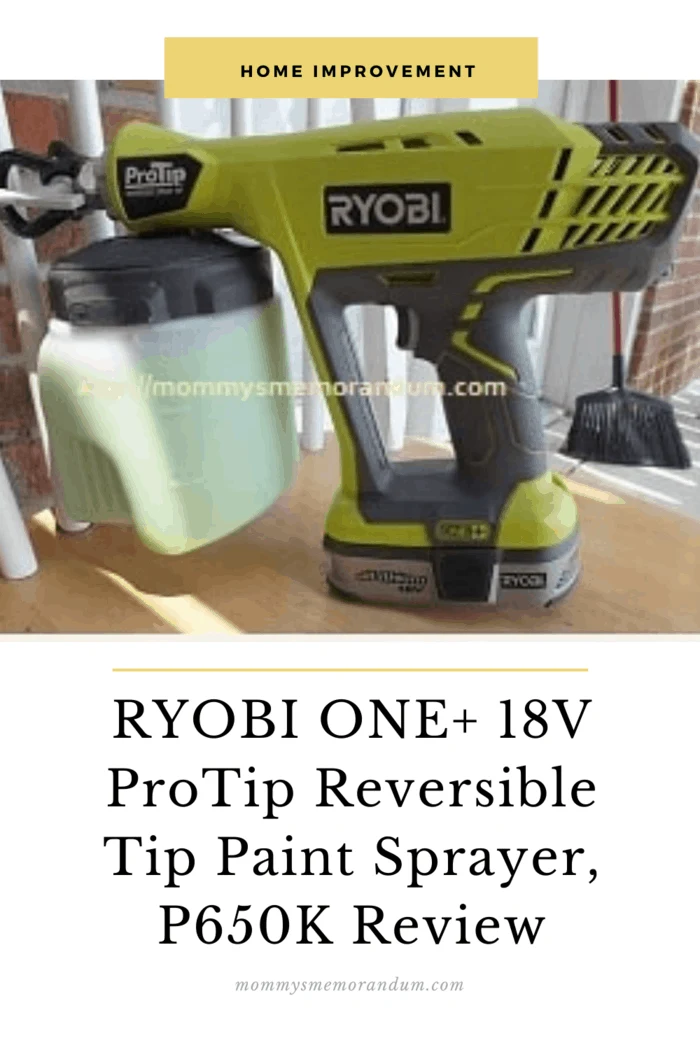
The RYOBI P651K 18V ONE+ ProTip Handheld Paint Sprayer is a discontinued cordless paint sprayer that I tested on real Adirondack chairs and outdoor furniture using Behr exterior satin paint, and it gave me even coverage without clogging or splattering during my project.
I was a complete paint-sprayer beginner when I used it, yet I painted the chair pieces, waited for them to dry, flipped them, and finished the project in about an hour and a half instead of the several days it had taken me to paint a similar chair by hand.
RYOBI P651K Paint Sprayer Review
The first thing to clear up is the model number. The legacy URL for this page says P650K, but the paint sprayer I actually tested is the RYOBI P651K 18V ONE+ ProTip Handheld Paint Sprayer. I am keeping the original URL so old links do not break, but P651K is the correct model for this review.
RYOBI has discontinued the P651K, so this is not a current buying guide pretending you can walk into a store and pick one up new. This review is for people who already own the sprayer, find one secondhand, need cleaning or troubleshooting information, or simply want to know what this older RYOBI cordless paint sprayer was actually like to use.
My quick verdict? For my outdoor furniture projects, the P651K worked much better than I expected. I was nervous enough to read the instruction manual twice and practice with water before I put actual paint in the container. Once I started painting, though, the learning curve felt surprisingly manageable.
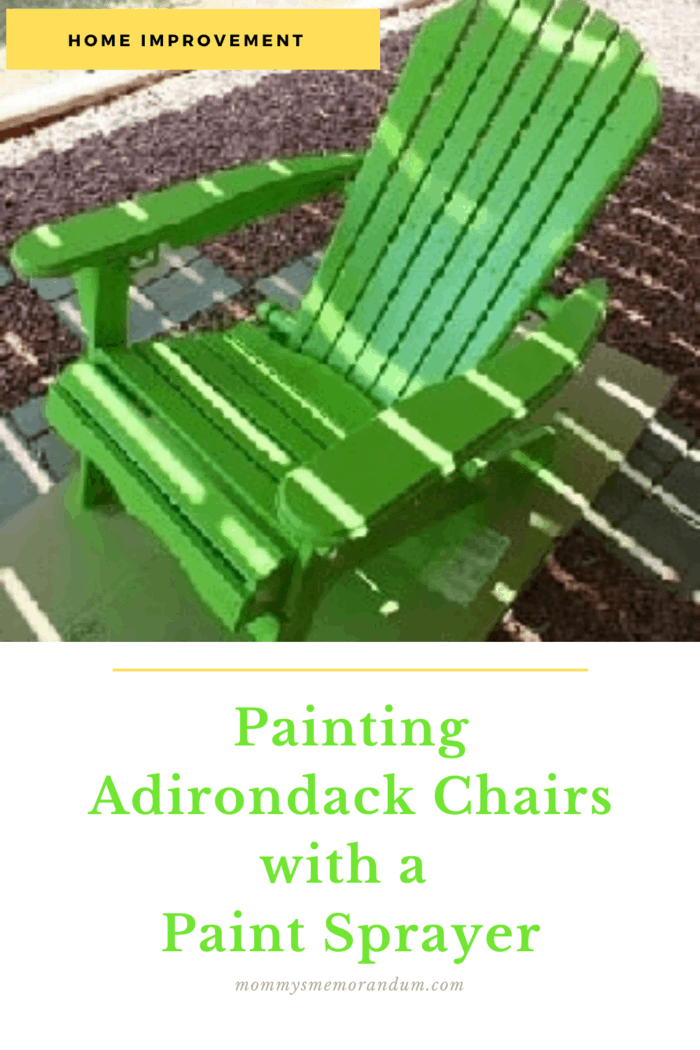
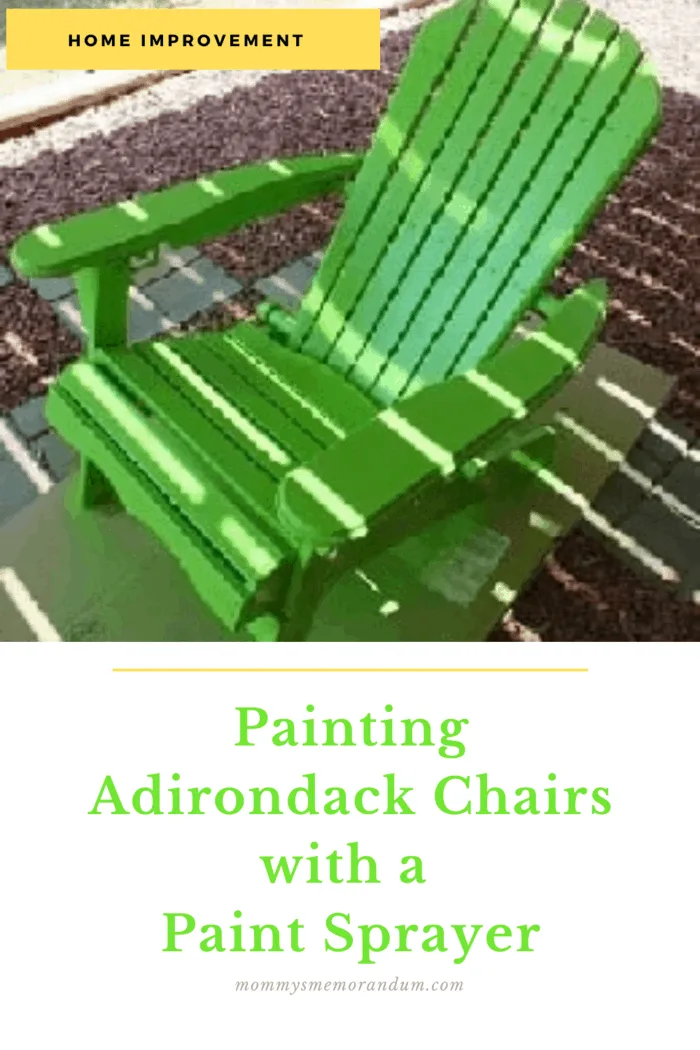
I used the sprayer with bright Behr “Limeade” exterior satin paint on the pieces of an Adirondack chair. The first side took only minutes to spray. While I waited for the pieces to dry, I also touched up another Adirondack chair, a porch swing, and two rocking chairs.
The complete chair project, including drying time between sides, took about one hour and thirty minutes. The similar chair I had painted by hand before this project had taken me several days.
Just as important, the sprayer did not clog during my test, it did not splatter paint everywhere, and the coverage looked even across the pieces I painted. Cleanup was also easier than all the horror stories I had heard about cleaning paint sprayers.
This review is especially helpful for a beginner wondering whether the RYOBI P651K ProTip paint sprayer was easy to use, whether it clogged, how messy it was, how long a furniture project took, and what cleaning the sprayer was really like after the painting was finished.
Readers also make… bigger painting projects feel less intimidating with my first-hand look at how I tackled another job using the RYOBI Paint Station.
Why I Wanted a Cordless RYOBI Paint Sprayer
Since purchasing our home six years earlier, I had completed more painting projects than I cared to count. Every time I picked up another brush, I thought about how wonderful it would be to own a paint sprayer.
Some of the more tedious projects had been placed on hold indefinitely. I knew they would be easier with a sprayer, but I was also a little intimidated by the idea of actually using one.
Then the handheld RYOBI ONE+ ProTip paint sprayer arrived, and suddenly I was fresh out of excuses.
Those projects I had been avoiding? It was time.
Was the RYOBI P651K Easy for a Beginner to Use?
I was genuinely nervous when I took the sprayer out of the box.
I read the instruction manual twice.
I still did not feel especially confident.
Eventually, I realized I was never going to learn how to use a cordless paint sprayer by staring at it, so I decided to plunge in cautiously.
Very cautiously.
Instead of filling the container with paint, I practiced with water first. I filled the sprayer, pressed the trigger, and waited for disaster.
Instead, I had success.
That little practice session let me get a feel for the trigger and spray pattern without the pressure of wasting paint or ruining a project. For a nervous beginner, it was exactly what I needed to get past the fear of using the tool for the first time.
What I Painted With the RYOBI P651K ProTip Sprayer
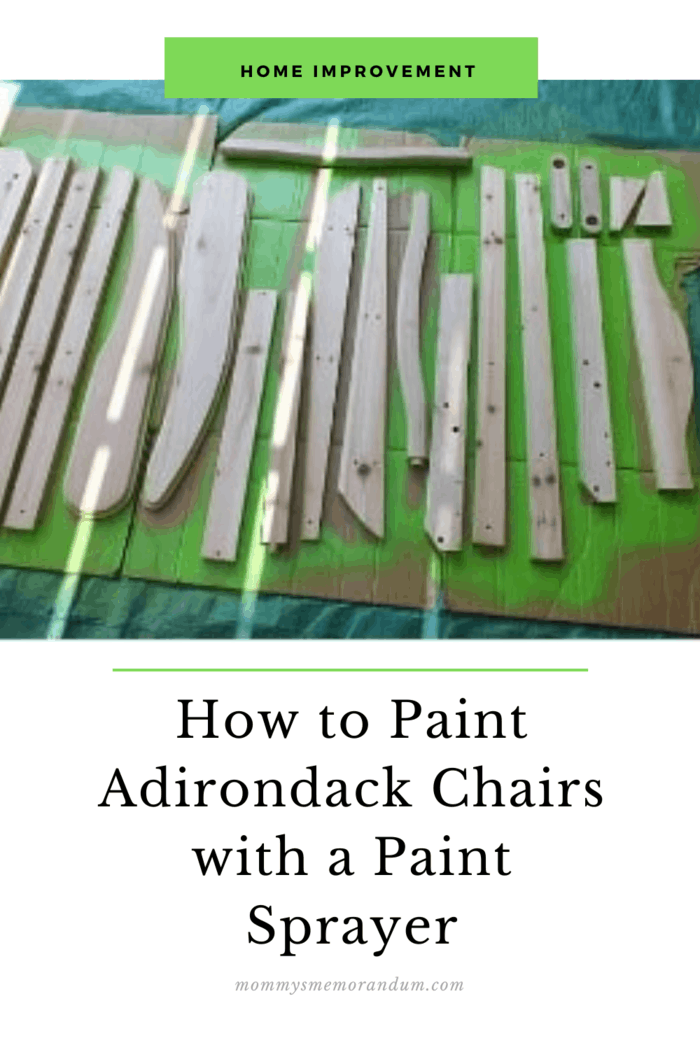
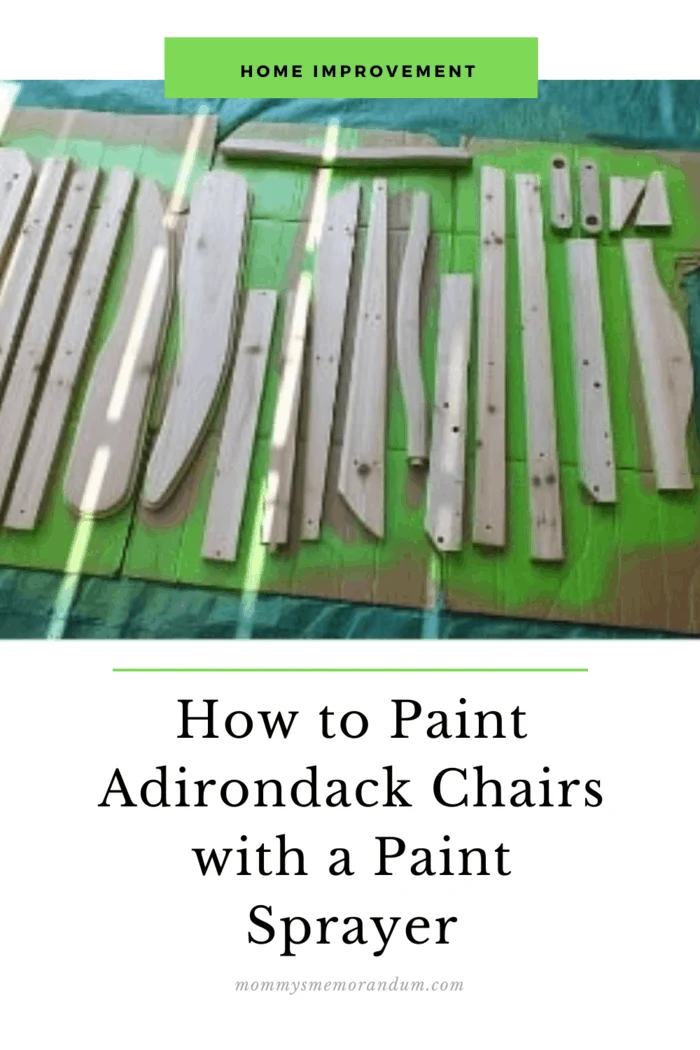
Once I felt comfortable spraying water, I decided there was no time like the present to paint the Adirondack chairs my sister had given me for my birthday.
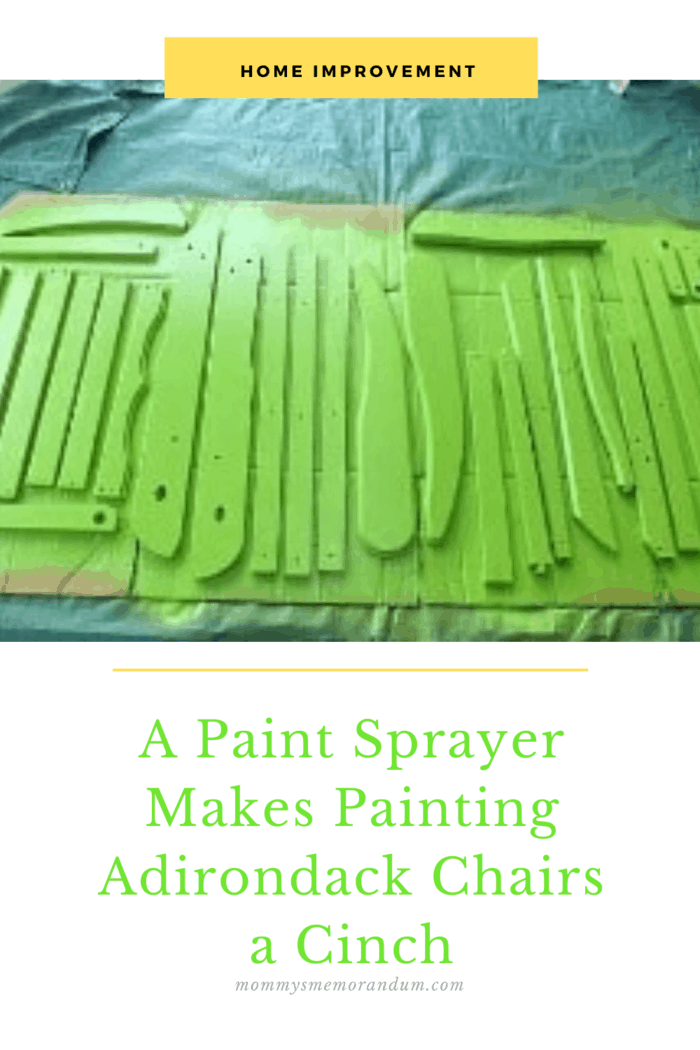
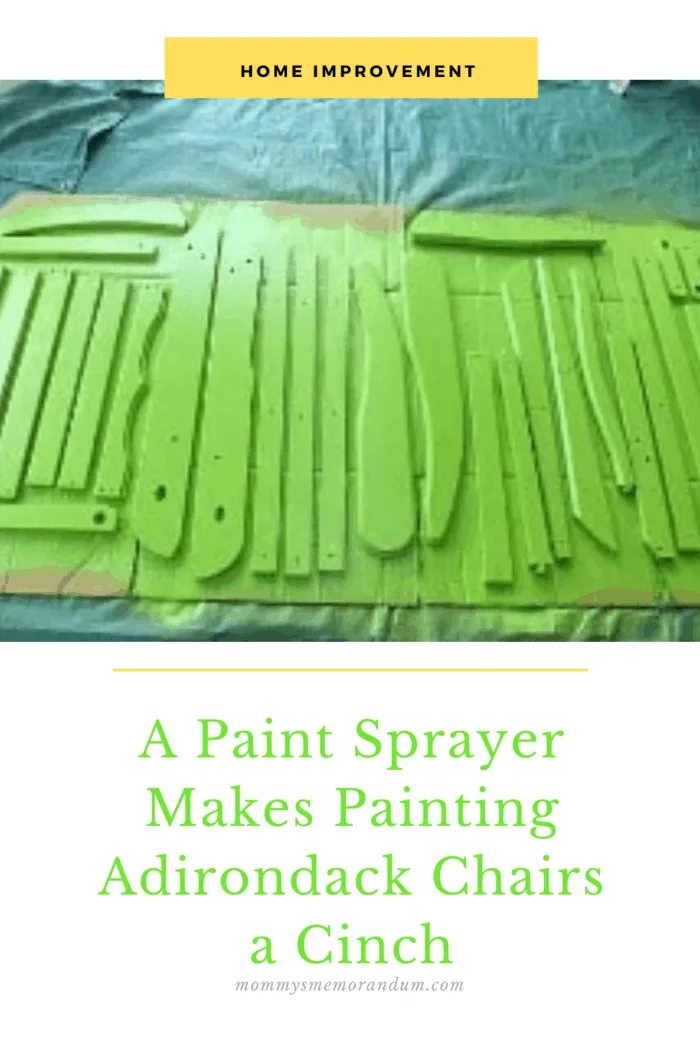
I spread an old tarp across the patio to protect the surrounding area from overspray. Then I arranged the chair pieces on clean cardboard, leaving room to reach as many surfaces as possible.
I usually lean toward neutral colors, but these chairs needed a color that screamed summer.
I chose Behr “Limeade” in an exterior satin finish.
How the RYOBI Cordless Paint Sprayer Performed
I was still nervous when I poured real paint into the sprayer. Once the paint went in, I felt as though I had reached the point of no return.
My worries faded quickly.
Painting with the RYOBI sprayer was much easier than I had expected, and I finished the first side of the chair pieces within minutes.
The hardest part of the project was waiting for the paint to dry so I could flip the pieces over and spray the other side.
Did the RYOBI P651K Paint Sprayer Clog or Splatter?
Not during my project.
My RYOBI P651K paint sprayer did not clog, it did not splatter paint everywhere, and it gave me even coverage on the outdoor furniture I painted.
That does not mean every user, paint, or project will have exactly the same experience. Paint condition, tool maintenance, project setup, and proper use all matter. But during my first-hand test, the dreaded mess I had imagined simply did not happen.
While the chair pieces dried, I kept going. I touched up another Adirondack chair, a porch swing, and two rocking chairs that I had previously painted by hand.
That was the moment I really understood why I had wanted a paint sprayer for so long.
Perfect with… a summer patio refresh, a weekend outdoor-furniture makeover, or the pile of painting projects you keep promising yourself you will finish when brushing every spindle no longer sounds like a punishment.
How Long Did It Take to Paint the Adirondack Chair?
The complete chair project took about one hour and thirty minutes, including drying time.
That was astonishing to me because the first similar Adirondack chair I had painted by hand took several days.
The actual spraying was the fast part. Waiting for the paint to dry enough to turn the pieces over took longer than applying the paint.
How I Cleaned the RYOBI P651K Paint Sprayer
Once the painting was finished, I realized the part I had been dreading was still ahead of me: cleanup.
For years, I had heard that paint sprayers were wonderful to use but miserable to clean. I had also heard plenty of warnings that failing to clean one thoroughly after every use could shorten its life.
I expected the worst.
First, I removed the battery. Then I rinsed as much paint as possible from the container.
I filled the container with water, replaced the battery, and ran water through the sprayer until it appeared to be spraying clear. In my original project, I sprayed the rinse water onto a children’s swing set that desperately needed paint. Today, I would simply add this reminder: follow the paint manufacturer’s directions and your local rules for handling and disposing of paint and rinse water.
Once the sprayer was running clear, I removed the remaining water and disassembled the parts according to the owner’s manual.
The manual included a detailed diagram, which made the process much easier than I expected.
I soaked the appropriate removable pieces in warm, soapy water, used the included cleaning brush to remove the remaining paint, and laid the cleaned pieces out to dry.
From beginning to end, the cleanup process was much simpler than the stories I had heard had led me to believe.
RYOBI P651K Features That Mattered During My Test
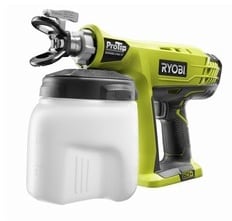
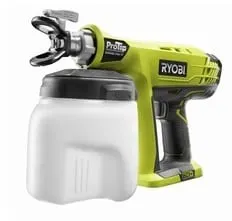
The feature list on an old tool matters less to me than how those features worked during a real project. These were the parts of the P651K that stood out during my use:
Reversible spray tip: The ProTip design could be rotated 180 degrees to help clear a clog.
Cordless operation: I could move around the patio and furniture pieces without dragging a cord behind me.
1.5-quart Quick Lock container: The paint container locked into place and gave me enough working capacity for my furniture project.
Horizontal and vertical spray patterns: The two spray orientations gave me more control when working across differently shaped chair pieces.
Designed for latex paint and stain: I used exterior satin paint for my Adirondack chair project.
18V ONE+ battery platform: The cordless design was one of the biggest reasons the tool felt convenient for outdoor furniture projects.
RYOBI P651K Paint Sprayer Troubleshooting Tips
My sprayer did not clog during this project, but an older or secondhand tool may need a little more attention.
If the sprayer is not spraying properly: Start with the owner’s manual and make sure the tool is assembled correctly, the paint is suitable for the sprayer, and dried paint is not blocking the spray path.
If the tip clogs: The P651K was designed with a reversible tip that rotates 180 degrees to help clear clogs. Follow the owner’s manual for the correct procedure.
If the coverage looks uneven: Practice your movement and spray pattern before committing to the project. My water test helped me become comfortable with the tool before I added paint.
If the sprayer has dried paint inside it: Do not assume a secondhand sprayer is ready to use simply because the motor runs. Inspect the container, tip, removable parts, and paint path carefully.
If you are unsure about disassembly: Use the manual instead of forcing parts apart. The diagram in mine made cleanup much easier.
Is the Discontinued RYOBI P651K Worth Buying Used?
Possibly, but I would treat it as a used older tool, not as a current paint sprayer recommendation.
My experience with the P651K was genuinely good. It was easier for a beginner to use than I expected, it dramatically shortened my Adirondack chair project, and cleanup was manageable.
But age and condition matter.
Before buying a used P651K, I would want to know whether the sprayer is complete, whether paint was allowed to dry inside it, whether the tip and container are in usable condition, whether the motor operates properly, and whether any replacement parts you may need are still available.
RYOBI still maintains an official P651K support page with service and replacement-parts resources, which is the best place to start if you already own one.
I would not pay a premium merely because the model is discontinued. The value of a used paint sprayer depends heavily on condition, completeness, and whether you can confirm it has been cleaned and maintained properly.
Frequently Asked Questions About the RYOBI P651K Paint Sprayer
Is the RYOBI P651K paint sprayer discontinued?
Yes. RYOBI now lists the P651K 18V ONE+ ProTip Handheld Paint Sprayer as discontinued. The company still maintains support resources for owners of the model.
Why does this page URL say P650K instead of P651K?
The P650K number remains in the legacy URL because the original page was mislabeled. The actual RYOBI paint sprayer I tested and photographed for this review is the P651K. The URL is staying unchanged so existing links and page history are not broken.
What is the difference between the P650K and P651K on this page?
For this review, P651K is the correct model number. P650K survives only in the old page URL and should not be treated as the model I tested.
Was the RYOBI P651K easy for a beginner to use?
It was for me. I had never used a paint sprayer before, practiced with water first, and found the actual painting process much easier than I expected.
Did the RYOBI ProTip paint sprayer clog?
Mine did not clog during my Adirondack chair and outdoor furniture projects. The sprayer also had a reversible tip designed to help clear clogs.
Did the RYOBI paint sprayer splatter paint everywhere?
No. During my test, I did not experience paint splattering everywhere, and the coverage across my furniture pieces was even.
How long did it take to paint an Adirondack chair with the RYOBI P651K?
My complete project took about one hour and thirty minutes, including drying time between sides. A similar chair I had painted by hand previously took me several days.
How difficult was the RYOBI P651K to clean?
Cleanup was easier than I expected. I removed the battery, rinsed the container, ran clean water through the sprayer, disassembled the appropriate parts according to the manual, and cleaned the pieces with warm, soapy water and the included brush.
Can you still get support or parts for the RYOBI P651K?
RYOBI still maintains an official support page for the P651K with service, repair, and replacement-parts resources. Availability of individual parts can change, so check before purchasing an incomplete used tool.
Would I buy the RYOBI P651K again?
Based on my original project experience, I was impressed with how easy and efficient it was for outdoor furniture. Because the model is now discontinued, however, I would evaluate the condition of any used sprayer carefully before buying one today.
My Final RYOBI P651K Paint Sprayer Review
Using a paint sprayer was a much better experience than I had expected.
I began this project nervous enough to read the manual twice and practice with water. I finished it wondering why I had spent so many years painting every outdoor furniture project by hand.
The RYOBI P651K did exactly what I needed it to do during my test. It sprayed the paint evenly, did not clog, did not splatter paint everywhere, and turned a project that had previously taken me days into one that took about an hour and a half, including drying time.
Cleanup, the part I dreaded most, was also far more manageable than I expected.
Would I compare this discontinued handheld sprayer with a larger commercial paint system? No. They serve different purposes. But for the Adirondack chairs and outdoor furniture I actually painted, the P651K was simple, efficient, and much less intimidating than this beginner expected.
For anyone searching for a real RYOBI cordless paint sprayer review because you already own a P651K, found one secondhand, or want to know how this older ProTip model performed outside a product description, that is my honest answer: mine worked like a dream.
Disclosure of Material Connection: I received the RYOBI paint sprayer featured in this review for free in the hope that I would share my experience. Regardless, the opinions and project results in this article are based on my personal use of the product. I only recommend products or services I use personally and believe may be helpful to my readers.