
Gobble, Sizzle, Boom: The Pros and Cons of Deep-Frying Your Turkey
A few years ago, my family gathered for Thanksgiving. I was not there in person, but I’ve heard the retellings often enough to feel like I was standing right in the middle of the yard, eyebrows singed. The host—who shall remain nameless—decided that tradition was overrated and boldly swapped out the classic roasted turkey for a deep-fried one.
Depending on who you talk to, it was either the juiciest, most flavorful turkey ever to grace a holiday table… or a day when flames shot “miles into the air,” nearly turning Thanksgiving into a cautionary tale told around future campfires. Either way, that turkey is now legend.
And so we arrive at the question many brave Thanksgiving cooks eventually face:
Should you stick with tried-and-true roasting—or become the family hero (or headline) by deep-frying your bird?


Why Deep-Fry a Turkey?
Deep-fried turkey has earned its place in the spotlight, partly because Americans have a long-standing love affair with fried everything. We’ve seen it at state fairs: Kool-Aid (yes, seriously, as seen in NY Daily News), Twinkies, Oreos, pickles, butter—the list goes on.
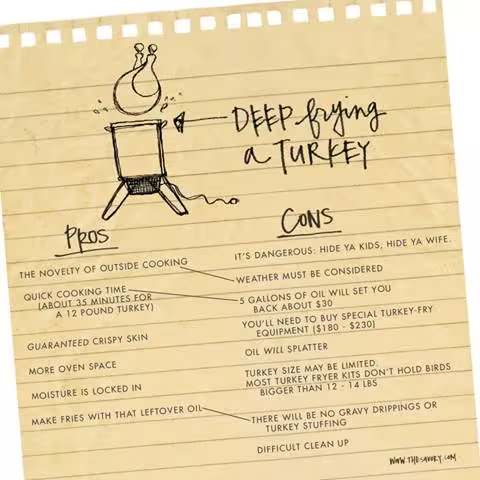
So, in some way, deep-frying Thanksgiving dinner feels downright patriotic. And to be fair, deep-fried turkey can be delicious. The hot oil seals the skin quickly, keeping the meat incredibly moist inside with a crisp, golden exterior.
The Risk Factor (Let’s Not Burn Down Thanksgiving)
Deep-frying a turkey is absolutely a fire hazard. There’s no gentler way to say it. You’re working with:
- A large container of boiling oil
- Open propane flames
- A heavy, moisture-containing bird
This setup must be used outdoors—on flat ground, away from buildings, trees, and people.
Turkey frying kits typically cost $180–$250 and include a propane burner, 30-quart stockpot, thermometer, basket or stand, and lowering tool.
Expert Tips for Deep-Frying Your Turkey
- Thaw Completely: Even a small ice crystal can cause oil to splatter dangerously.
- Pat It Dry: Remove excess moisture to prevent popping and splashing.
- Skip Herb Rubs: They will burn. Season under the skin or inject marinade instead.
- No Stuffing: Stuffing retains moisture—unsafe for frying.
- Timing: Fry for about 3.5 minutes per pound.
- Never Leave the Fryer Unattended: Stay with it the entire time.
- Most Important: Fry the turkey—but don’t burn down the house.
Variations and Creative Flavor Tips
- Inject garlic butter, Cajun seasoning, or citrus marinades directly into the meat.
- Season under the skin rather than on top.
- Use peanut oil or another high smoke-point oil.
- Air-dry the turkey in the fridge for 4–12 hours before frying for extra crispiness.
Serving Suggestions
Serve immediately for maximum crispiness. Pair with:
Leftovers are excellent in sandwiches, salads, or soup (if you saved the bones).
FAQs
Ideal Turkey Size: 10–14 pounds for even and safe frying.
Reuse the Oil? Yes—strain, store, and reuse within two weeks.
Oil Temperature: Maintain 325°F–350°F.
Oil Disposal: Never dump it outside or down the drain—use a recycling facility.
Final Thoughts
Deep-frying a turkey is equal parts culinary bravery and holiday spectacle. When done correctly, it’s unforgettable for all the right reasons. When done poorly… well, it becomes legend for the wrong ones.
If you want flavor and adventure—fry away. If you’d like to keep your eyebrows, go with roasting. Either way, may your Thanksgiving be memorable in the best way possible.