
Preventing Household Carbon Monoxide Poisoning
Preventing household carbon monoxide poisoning starts with knowing where carbon monoxide comes from, how to spot possible symptoms, and how to use carbon monoxide detectors, heating appliances, gas dryers, grills, and fireplaces safely.
Because carbon monoxide is odorless, colorless, and tasteless, this winter home safety checklist is especially helpful for families using furnaces, fireplaces, wood stoves, gas appliances, or backup generators during cold weather and storm season.
Jump to Carbon Monoxide Safety Tips
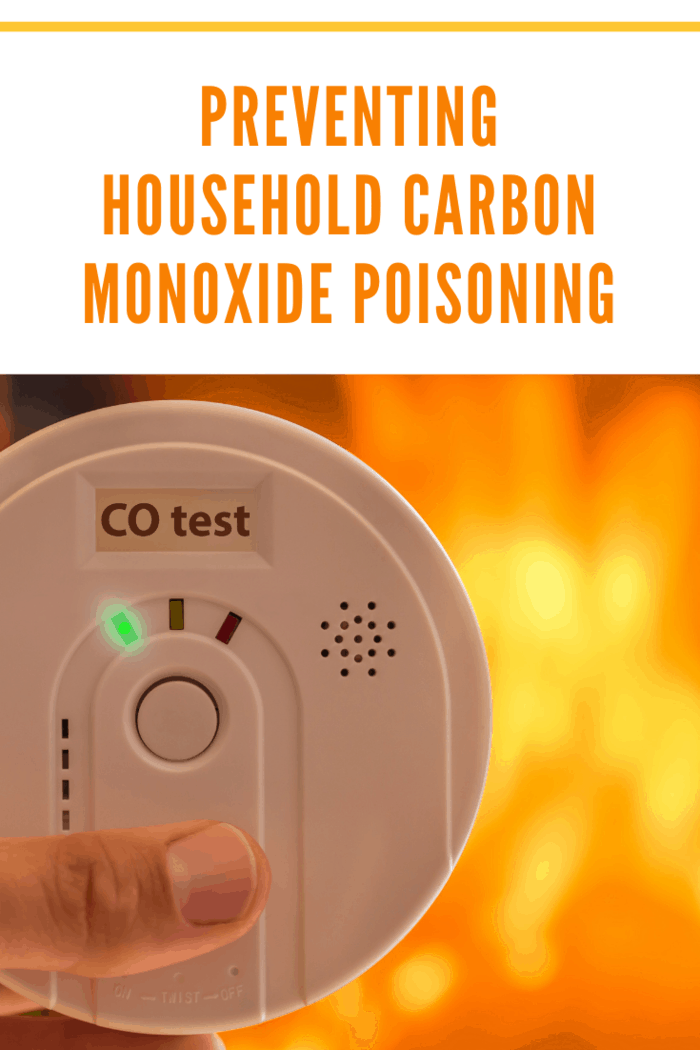
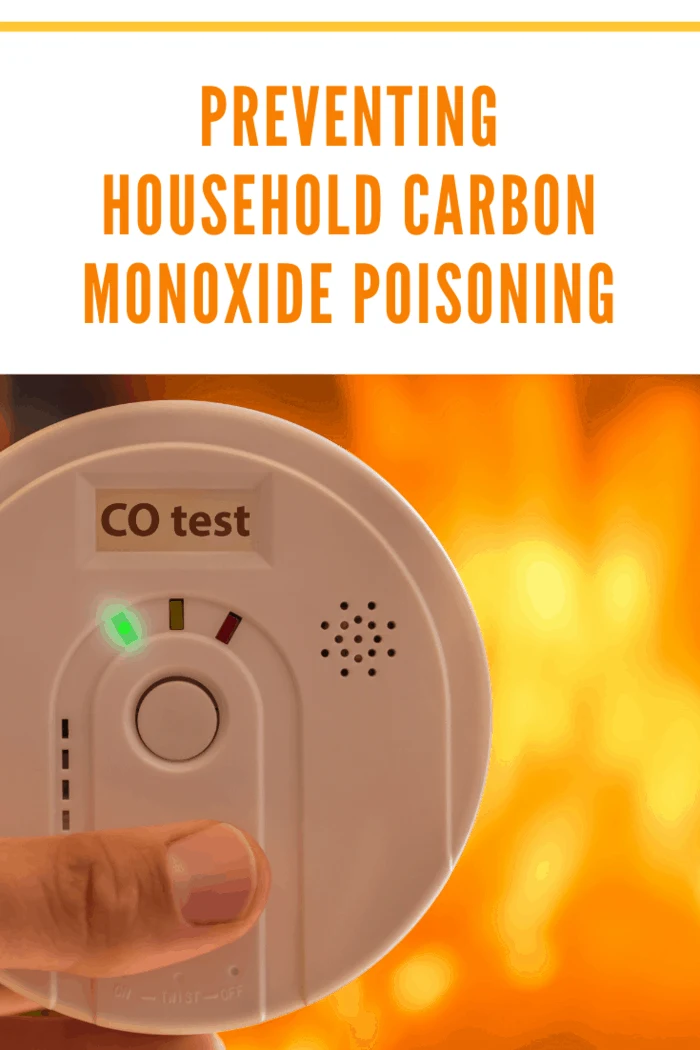
Preventing Household Carbon Monoxide Poisoning
Carbon monoxide, often shortened to CO, is a poisonous gas that can build up when fuels such as natural gas, propane, oil, wood, charcoal, gasoline, or coal do not burn completely. It can come from furnaces, fireplaces, wood stoves, gas dryers, water heaters, vehicles, generators, grills, and other fuel-burning equipment.
The tricky part is that you cannot see, smell, or taste carbon monoxide. That makes prevention less about “noticing” the gas and more about building safe habits before there is a problem. Think of it as one of those unglamorous grown-up home chores that quietly protects everyone you love.
This guide walks through five practical ways to help prevent carbon monoxide poisoning at home: service fuel-burning appliances, learn the symptoms, keep grills and generators outdoors, clean your gas dryer filter and vent, and install carbon monoxide alarms in the right places.
Readers Also Check These Home Safety Basics
If you are updating your winter home safety routine, this is also a smart time to review smoke alarms, fireplace safety, dryer vents, emergency contacts, and your family’s plan for what to do if an alarm sounds.
- Browse more family health and wellness tips
- Check smoke and carbon monoxide alarm batteries.
- Make sure everyone knows where to go if a CO alarm sounds.
- Keep outdoor cooking, grilling, and generator use outside the home, garage, basement, and enclosed porch.
Why Carbon Monoxide Safety Matters
Carbon monoxide poisoning can look like everyday winter sickness at first. Headache, dizziness, nausea, weakness, fatigue, confusion, shortness of breath, or flu-like symptoms that improve when you leave the house should never be brushed off.
Because winter is also cold and flu season, it is easy to mistake early carbon monoxide symptoms for something ordinary. If more than one person in the home feels sick at the same time, symptoms improve outdoors, or a carbon monoxide alarm sounds, leave the home immediately and call 911 or your local fire department.
This is one of those safety topics where “better safe than sorry” is not just a saying. It is the rule.
1. Get Fuel-Burning Appliances Checked and Serviced Regularly
Any appliance that burns fuel can become a carbon monoxide source if it is damaged, poorly vented, blocked, dirty, or not working correctly. That includes furnaces, boilers, gas water heaters, fireplaces, wood stoves, gas ranges, and gas dryers.
Have fuel-burning appliances inspected and serviced at least once a year by a qualified professional. A regular service visit can help catch blocked vents, cracked heat exchangers, loose connections, soot buildup, and other issues that are easy to miss during everyday use.
You may be comfortable handling small maintenance tasks, such as changing filters or clearing visible debris, but carbon monoxide safety is not the place to guess. If an appliance smells odd, burns with an unusual flame, has soot around it, or vents poorly, stop using it and call a professional.
Appliances to Put on Your Carbon Monoxide Safety Checklist
- Furnace or boiler
- Gas water heater
- Gas dryer
- Fireplace or wood stove
- Gas stove or oven
- Portable generator
- Attached garage or vehicle warm-up area
- Chimney, flue, and vents
If your heating appliance is well past its expected life span or needs repeated repairs, replacement may be safer and more efficient than patching the same problem again and again.
2. Know the Symptoms of Carbon Monoxide Poisoning
Carbon monoxide poisoning symptoms can start mildly and may feel like the flu, a headache, exhaustion, or a stomach bug. That is what makes it so easy to dismiss, especially during the colder months.
Common Carbon Monoxide Poisoning Symptoms
- Headache
- Dizziness
- Nausea
- Weakness or fatigue
- Shortness of breath
- Confusion
- Vomiting
- Blurred vision or poor coordination
- Loss of consciousness in severe cases
One of the biggest red flags is symptoms that get better when you go outside and return when you go back indoors. Another warning sign is several people or pets in the home acting sick, sleepy, dizzy, or confused at the same time.
If you suspect carbon monoxide poisoning, do not wait to “see if it passes.” Get everyone, including pets, outside into fresh air and call 911 or your local emergency number.
3. Keep Grills, Generators, and Outdoor Fuel-Burning Equipment Outside
Cold weather has a way of making bad ideas feel tempting. Cooking in the garage. Running a generator close to the house. Bringing a grill onto a covered porch. Using a camp stove indoors during an outage.
Do not do it.
Grills, charcoal burners, camp stoves, and portable generators should never be used inside a home, garage, basement, shed, camper, or enclosed porch. Opening a door or window is not enough to make these devices safe indoors.
Use generators outdoors only, far away from doors, windows, vents, and attached spaces. Keep exhaust pointed away from the home so fumes do not drift back inside.
Outdoor Equipment That Should Stay Outdoors
- Charcoal grills
- Gas grills
- Portable generators
- Camp stoves
- Propane heaters not rated for indoor use
- Gas-powered pressure washers
- Gas-powered tools
Convenience is never worth the risk here. If it burns fuel and was made for outside, it belongs outside.
4. Clean the Filter and Vent on Your Gas Dryer
A gas dryer may not be the first thing that comes to mind when you think about carbon monoxide poisoning, but it belongs on the checklist.
Lint buildup can block airflow and create a fire hazard. With a gas dryer, poor venting can also keep combustion gases from exhausting properly. That means regular lint removal and vent maintenance are more than laundry-day tidiness. They are part of home safety.
Gas Dryer Safety Checklist
- Clean the lint filter before or after every load.
- Check that the dryer vent is not crushed, blocked, or clogged.
- Make sure the outside vent flap opens freely.
- Have the dryer vent professionally cleaned if clothes take longer to dry.
- Stop using the dryer if you smell gas or notice unusual heat, soot, or poor drying performance.
If your dryer starts taking two or three cycles to dry a normal load, do not just blame the towels. A clogged vent may be trying to get your attention.
Perfect With a Winter Home Safety Reset
This carbon monoxide safety checklist pairs naturally with a cold-weather home reset. Before the first deep freeze, walk through the house and check your alarms, heating system, fireplace area, dryer vent, emergency supplies, and family exit plan.
It is also a good seasonal reminder to visit the Health and Wellness section for more family safety, prevention, and everyday wellness ideas.
5. Install Carbon Monoxide Detectors in the Right Places
Since you cannot smell, see, or taste carbon monoxide, a working carbon monoxide detector is one of the most important safety tools in your home.
Choose battery-operated carbon monoxide alarms or plug-in alarms with battery backup. Interconnected alarms are especially helpful because when one sounds, they all sound.
Where to Put Carbon Monoxide Detectors
- On every level of the home
- Outside each sleeping area
- Near bedrooms so alarms can wake sleeping family members
- Near attached garages, when recommended by the alarm instructions
- Near fuel-burning appliances, while still following the manufacturer’s placement directions
Always follow the manufacturer’s instructions for placement height and distance from appliances. Some alarms are designed for wall placement, some for ceiling placement, and some for outlets.
Carbon Monoxide Alarm Maintenance Tips
- Test alarms monthly.
- Replace batteries as directed.
- Replace the alarm when it reaches the end of its life.
- Never ignore a carbon monoxide alarm.
- Make sure children know what the alarm sounds like and what to do.
If a carbon monoxide alarm sounds, leave the house immediately and call 911 from outside. Do not search for the source first. Do not open windows and stay inside. Do not go back in until emergency responders say it is safe.
What to Do If You Suspect Carbon Monoxide Poisoning
If you think carbon monoxide may be present, act quickly.
- Get everyone outside into fresh air immediately.
- Call 911 or your local emergency number.
- Do not re-enter the home until emergency responders say it is safe.
- Seek medical care if anyone has symptoms.
- Have the source inspected and repaired before using the appliance again.
Carbon monoxide poisoning can affect adults, children, babies, older adults, and pets. No one in the house gets a free pass from this gas, not even the dog who thinks he runs the place.
Troubleshooting Common Carbon Monoxide Safety Problems
The Carbon Monoxide Alarm Keeps Beeping
Check the alarm manual. A steady alarm may mean carbon monoxide has been detected and you should leave immediately. A chirp may mean low battery or end-of-life warning. When in doubt, treat it as an emergency and get outside.
The Furnace Looks Fine, So Do I Still Need an Inspection?
Yes. Carbon monoxide problems are not always visible. Annual service helps catch venting and combustion problems before they become dangerous.
Can I Use a Grill in the Garage If the Door Is Open?
No. Grills and charcoal burners should stay outdoors and away from enclosed or semi-enclosed spaces. An open garage door does not make indoor grilling safe.
Can Carbon Monoxide Come From an Electric Fireplace?
Electric fireplaces do not burn fuel, so they do not produce carbon monoxide the way gas or wood fireplaces can. However, any fuel-burning fireplace, stove, or heating appliance should be maintained and vented properly.
Simple Carbon Monoxide Prevention Checklist
- Install carbon monoxide alarms on every level and outside sleeping areas.
- Test alarms monthly.
- Service fuel-burning appliances once a year.
- Keep vents, chimneys, and flues clear.
- Never use grills, generators, or camp stoves indoors.
- Clean gas dryer lint filters and vents.
- Do not warm up vehicles in an attached garage.
- Know the symptoms of carbon monoxide poisoning.
- Leave immediately if a CO alarm sounds.
Frequently Asked Questions About Preventing Carbon Monoxide Poisoning
What is the best way to prevent carbon monoxide poisoning at home?
The best way to prevent carbon monoxide poisoning is to install working carbon monoxide alarms, service fuel-burning appliances every year, keep grills and generators outside, and make sure vents, chimneys, and dryer ducts stay clear.
Where should carbon monoxide detectors be placed?
Place carbon monoxide detectors on every level of your home and outside sleeping areas. Follow the manufacturer’s directions for exact height and distance from appliances.
What are the first signs of carbon monoxide poisoning?
Early signs may include headache, dizziness, nausea, weakness, fatigue, shortness of breath, or confusion. Symptoms that improve when you leave the house are a serious warning sign.
Can carbon monoxide poisoning feel like the flu?
Yes. Carbon monoxide poisoning can feel like the flu because it may cause headache, nausea, tiredness, dizziness, and weakness. Unlike the flu, symptoms may improve when you get fresh air.
Can a gas dryer cause carbon monoxide?
A gas dryer burns fuel and needs proper venting. A clogged lint filter or blocked dryer vent can create safety problems, so clean the lint filter often and keep the vent clear.
Can you get carbon monoxide poisoning from a fireplace?
Yes, fuel-burning fireplaces can produce carbon monoxide if they are not vented, cleaned, or maintained properly. Have chimneys and fireplaces inspected and keep dampers and vents working correctly.
What should I do if my carbon monoxide alarm goes off?
Leave the home immediately with everyone in the household, including pets, and call 911 from outside. Do not go back inside until emergency responders say it is safe.
Is one carbon monoxide detector enough?
One detector is usually not enough for a whole home. A safer setup includes carbon monoxide alarms on every level and outside sleeping areas.
Final Thoughts on Carbon Monoxide Safety
Carbon monoxide poisoning is frightening because it is silent, invisible, and easy to mistake for something else. But prevention is very doable. A few small habits, like testing alarms, cleaning dryer lint, servicing heating appliances, and keeping grills and generators outdoors, can make your home much safer.
Winter already asks enough of families. Between coats on the floor, soup on the stove, and someone always looking for the good blanket, home safety should be simple, clear, and routine. Start with the detectors, check the appliances, and make sure everyone knows what to do if an alarm sounds.