
Perfect Pie Crust Recipe
This perfect pie crust recipe combines all-purpose flour, Crisco shortening, an egg, cold water, vinegar, and salt to make two tender, flaky homemade pie crusts that roll easily and hold their shape.
It is a beginner-friendly recipe for pie crust that takes about 30 minutes to prepare and can be used immediately, refrigerated for later, or frozen for holiday baking, fruit pies, cream pies, quiches, and savory pot pies.
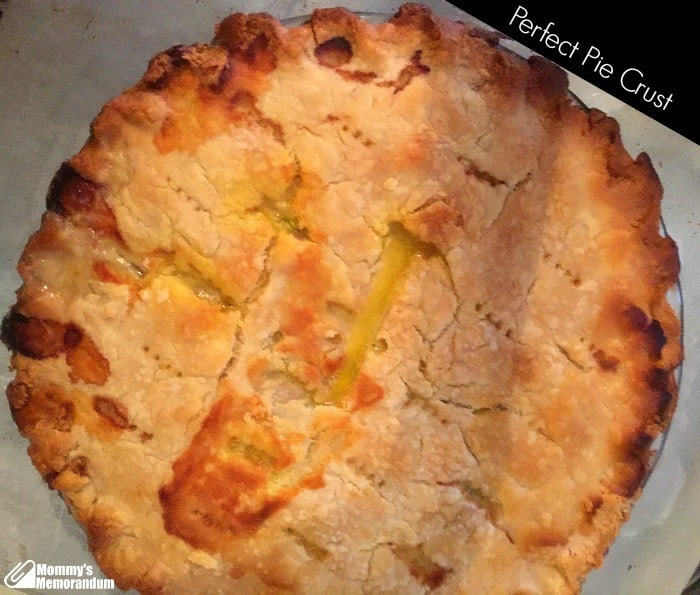

Perfect Pie Crust Recipe for Sweet and Savory Pies
If homemade pastry has ever behaved more like a structural support beam than a flaky pie crust, pull up a chair. I have rolled, chilled, coaxed, patched, and occasionally whispered sweet nothings to more pie dough than I care to admit.
I learned much of my baking beside Charlotte the Great, where flour on the counter and something delicious in the oven were simply part of life. Some crusts were lovely. Others could have been issued building permits.
Then this recipe happened.
This easy homemade pie crust uses shortening for dependable tenderness, an egg to help the dough hold together, cold water for moisture, and a small amount of vinegar to help keep the pastry pleasant and workable. The dough comes together quickly, chills for only 15 minutes before rolling, and makes enough pastry for one double-crust pie or two single-crust pies.
It is especially helpful for beginner bakers because the shortening-based dough is less temperamental than some all-butter crusts. It rolls smoothly, can be gently patched if it cracks, and freezes beautifully for make-ahead baking.
Use it as a pie crust for fruit pie recipes, cream pies, custard pies, quiches, galettes, hand pies, or a cozy chicken pot pie. It is the kind of dependable recipe that earns a flour-dusted place in the family recipe box.
Readers Also Make
Once the rolling pin is already out, turn this crust into my Best Apple Pie or use one portion for a comforting Homemade Chicken Pot Pie.
Why You’ll Love This Homemade Pie Crust
- Flaky and tender: Shortening creates delicate layers and a soft, easy-to-cut crust.
- Beginner-friendly: The dough is forgiving, rolls easily, and can be patched without pie-related panic.
- Only six ingredients: Everything comes from familiar refrigerator and pantry staples.
- Sweet or savory: Use it for fruit pies, cream pies, quiches, pot pies, tarts, and galettes.
- Make-ahead friendly: Prepare the dough in advance and refrigerate or freeze it until needed.
- Makes two crusts: One batch is enough for a double-crust pie or two single-crust recipes.
Ingredients for a Flaky Pie Crust
The exact measurements are waiting in the printable recipe card below. Here is what each ingredient contributes to the dough.
- All-purpose flour: Provides the structure for the pastry while keeping the recipe familiar and accessible.
- Crisco shortening: Creates a tender texture and dependable flaky layers. Use cold or cool shortening rather than softened shortening.
- Egg: Helps bind the dough and makes it easier to roll and transfer.
- Cold water: Adds enough moisture to bring the dough together without warming the fat.
- White vinegar: Adds a small amount of acidity and helps produce a workable, tender dough.
- Salt: Prevents the crust from tasting flat and balances both sweet and savory fillings.
Why Use Shortening in Pie Crust?
Shortening has a higher melting point than butter, which helps the dough maintain its structure while you roll and shape it. That makes a Crisco pie crust particularly helpful for beginners, warm kitchens, lattice tops, and decorative edges.
It also gives this pie dough a neutral flavor, so it works just as well beneath juicy apples as it does around a creamy chicken filling.
How to Make the Perfect Pie Crust
The complete measurements and printable directions are in the MV Create recipe card. This overview shows the technique and what the dough should look like at each stage.
- Cut the shortening into the flour. Use a pastry cutter until the mixture resembles coarse crumbs with pieces about the size of small peas. Those visible pieces of fat help create flaky layers.
- Whisk the egg. Beat it lightly with a fork in a separate small bowl so it mixes evenly into the dough.
- Add the wet ingredients. Stir in the egg, cold water, vinegar, and salt. Mix gently just until the flour is moistened and the dough begins to hold together.
- Divide the dough. Separate it into two equal portions. Shape each portion into a thick, flat disk rather than a ball so it chills and rolls more evenly.
- Chill briefly. Place each disk in a sealed bag or wrap it well. Chill it in the freezer for approximately 15 minutes, just until firm but still flexible.
- Roll from the center outward. Place one disk on a lightly floured surface and rotate it as you roll. Make the circle slightly larger than your pie plate.
- Transfer the crust. Gently fold the dough in half or loosely roll it around the rolling pin. Move it to the pie plate and ease it into the corners without stretching it.
- Finish according to your pie recipe. Trim, crimp, fill, blind bake, or add the top crust as required by the filling you are making.
How to Roll Pie Dough Without Cracks
Let chilled dough sit at room temperature for a few minutes if it feels hard around the edges. Dough that is properly chilled should feel cool and firm but should still yield when pressed lightly with a finger.
Dust the work surface and rolling pin with only enough flour to prevent sticking. Begin at the center and roll outward with gentle, even pressure. Rotate the dough one-quarter turn every few strokes so it does not cling to the counter.
If a small crack appears, press the edges together or patch it with a scrap of dough. Homemade pie crust does not need to pass a beauty-pageant interview. Once it is filled, baked, and sliced, no one will be inspecting the repair work.
Expert Tips for a Flaky Pie Crust
Keep Everything Cool
Cool shortening and cold water help the fat remain in small pieces throughout the dough. Those pieces melt during baking and leave behind delicate pockets that create a flaky texture.
Do Not Overmix
Stop stirring as soon as the dough begins to hold together. A shaggy dough is exactly what you want. Mixing until it looks perfectly smooth can develop too much gluten and create a tougher crust.
Measure Flour Carefully
Spoon flour lightly into the measuring cup and level it with the back of a knife. Scooping directly from the bag can compress the flour and leave you with dry, crumbly dough.
Do Not Stretch the Dough
Ease the rolled pastry into the pie plate rather than pulling it to fit. Stretched dough tends to shrink as it bakes, taking your carefully crimped edges with it.
Chill a Shaped Crust Before Baking
Once the dough is fitted into the pan, refrigerate it while you prepare the filling or preheat the oven. This helps the crust hold its shape and gives the fat another chance to firm up.
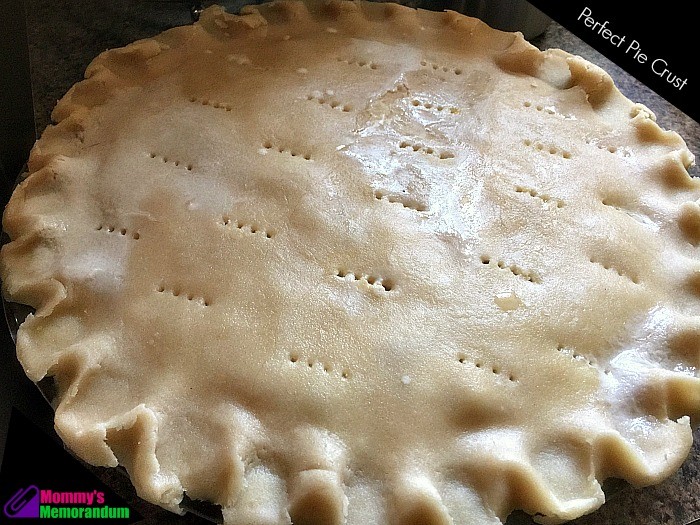
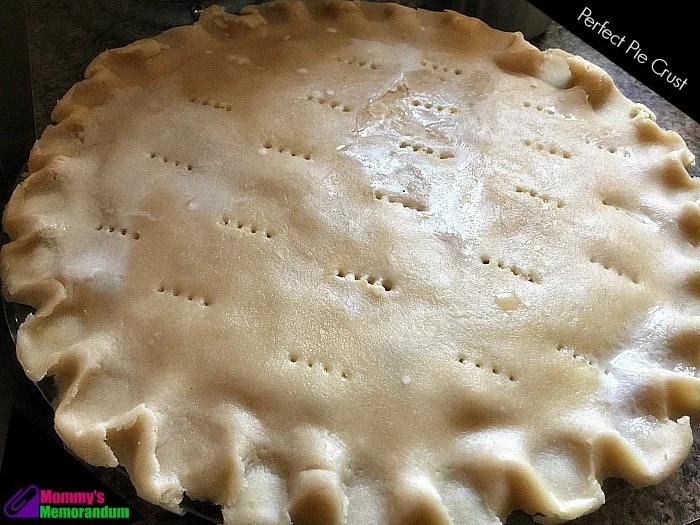
Pie Crust Troubleshooting
Why Is My Pie Dough Dry and Crumbly?
The flour may have been overmeasured, or the ingredients may not have mixed evenly. Press a small handful together before adding anything else. If it still falls apart, add cold water just a teaspoon at a time until the dough holds when gently squeezed.
Why Is My Pie Dough Sticky?
The dough may be too warm or have slightly too much moisture. Wrap it and chill it for another 10 to 15 minutes. When rolling, dust the surface lightly with flour rather than kneading more flour into the dough.
Why Did My Pie Crust Turn Out Tough?
Tough crust usually comes from overmixing, kneading the dough, or using too much flour while rolling. Handle the dough as little as possible and stop mixing while it still looks slightly shaggy.
Why Did My Pie Crust Shrink?
Shrinkage often happens when dough is stretched into the pan or baked while warm. Ease it into the plate, leave a small overhang, and chill the shaped crust before baking.
Why Is the Bottom Crust Soggy?
Use chilled dough, preheat the oven fully, and follow the filling recipe’s baking directions. For very wet fillings, a metal pie plate or a preheated baking sheet beneath the pie can help the bottom crust receive stronger heat.
Why Did My Crust Crack While Rolling?
The dough may be slightly too cold. Let it rest at room temperature for a few minutes, then roll again. Small cracks can be pinched together or patched with a scrap of pastry.
Perfect with Fruit Pies, Holiday Desserts, and Cozy Dinners
This fruit pie crust recipe is ready for summer berries, fall apples, Thanksgiving desserts, Christmas baking, spring tarts, and all the ordinary Tuesdays that could use a pie.
Fill it with a bright Fresh Fruit Tart, make an elegant Apple Cranberry Walnut Tart, or turn it savory with a Green Chile Quiche.
Browse more heirloom-style inspiration in Grandma’s Recipes and Vintage Favorites, or explore the full collection of homemade pie recipes.
Sweet and Savory Pie Crust Variations
Sweet Pie Crust
Add 1 tablespoon of granulated sugar to the flour for fruit pies, custard pies, or other desserts. The crust will remain only lightly sweet, allowing the filling to stay in charge.
Cinnamon Pie Crust
Add ½ teaspoon of ground cinnamon to the flour before cutting in the shortening. This variation works especially well with apple, pear, peach, and pumpkin fillings.
Savory Herb Crust
Add ½ to 1 teaspoon of dried thyme, rosemary, poultry seasoning, or Italian seasoning. Use the savory dough for pot pies, quiches, or rustic vegetable galettes.
Decorative Top Crust
Use the second disk for a lattice, pastry leaves, stars, or simple cutout shapes. Keep the dough chilled while you work so the decorations remain crisp and easy to handle.
Single-Crust Pies
Use one portion now and freeze the other. This is convenient for cream pies, pumpkin pie, quiche, and any recipe that requires only a bottom crust.
How to Blind Bake This Pie Crust
Some cream, custard, and no-bake pies require a baked shell before the filling is added. Always follow the temperature and timing in the specific pie recipe, but the general method is simple.
- Fit the dough into the pie plate, shape the edge, and chill it until firm.
- Line the crust with parchment paper or foil.
- Fill it with pie weights, dried beans, or uncooked rice.
- Bake until the edge begins to look set.
- Remove the weights and liner, then continue baking until the base reaches the color required by your filling recipe.
For a filling that will be baked again, the crust may need only partial baking. For a refrigerated or no-bake filling, bake the shell completely until golden.
How to Make Pie Crust Ahead of Time
Prepare the dough, divide it into two disks, and wrap each one tightly. Refrigerate the dough for up to three days.
When you are ready to bake, let the chilled disk stand at room temperature for approximately 5 to 10 minutes if it is too firm to roll. It should bend without cracking but still feel cool.
You can also roll and shape the bottom crust in advance. Cover the pie plate well and refrigerate it until you are ready to fill and bake.
How to Freeze Homemade Pie Dough
Wrap each dough disk tightly and place it in a labeled freezer bag. Freeze the pie dough for up to three months.
For the most even thawing, transfer frozen dough to the refrigerator the night before you plan to roll it. Once thawed, let it sit at room temperature briefly if necessary until it is firm but pliable.
A disk that was frozen for only a short chill during initial preparation may be ready after 15 minutes at room temperature. A fully frozen disk that has been stored for weeks will need longer to thaw.
How to Store a Baked Pie Crust
Let an empty baked shell cool completely. Cover it well and keep it at room temperature for up to one day, provided the kitchen is cool and dry.
For longer storage, wrap the cooled shell carefully and freeze it. Baked shells are fragile, so protect the crust inside a rigid container or pie carrier whenever possible.
Ways to Use Homemade Pie Crust
- Double-crust fruit pies
- Single-crust cream or custard pies
- Chicken or turkey pot pie
- Quiche
- Rustic fruit galettes
- Hand pies and turnovers
- Decorative pastry cutouts
- Mini pies and tartlets
- Pie crust cookies made from leftover scraps
Do not let the trimmings disappear into the trash. Sprinkle them with cinnamon sugar and turn them into these nostalgic Leftover Pie Crust Snacks. They are the baker’s reward for doing all that rolling.
Frequently Asked Questions About Pie Crust
What Is the Secret to a Flaky Pie Crust?
Keep the ingredients cool, leave small pieces of shortening visible in the flour, and avoid overmixing. Those pieces of fat melt in the oven and create pockets that give the crust its flaky texture.
Is This a Good Pie Crust for Fruit Pie?
Yes. This dough is sturdy enough to hold juicy fruit fillings while remaining tender and flaky. It can be used for both the bottom and top of apple, berry, peach, pear, or cherry pies.
How Many Pie Crusts Does This Recipe Make?
The recipe makes two standard pie crusts. Use both for one double-crust pie or divide them between two single-crust pies.
Why Is Vinegar Used in Pie Crust?
The small amount of vinegar adds acidity without making the pastry taste sour. In this recipe, it helps produce a tender, manageable dough when combined with gentle mixing and cold ingredients.
Can I Make This Pie Crust Without a Food Processor?
Yes. A pastry cutter works beautifully and gives you good control over the size of the shortening pieces. You can also use two knives if you do not own a pastry cutter.
Can I Substitute Butter for Crisco?
Butter and shortening behave differently, so replacing all the shortening may change the texture, flavor, and handling of the dough. For the most dependable result, make the recipe with shortening as written.
Should Pie Dough Be Chilled Before Rolling?
Yes. A brief chill firms the shortening and makes the dough easier to handle. It should be cool and pliable rather than frozen solid when you begin rolling.
Can Homemade Pie Crust Be Frozen?
Yes. Wrap each disk tightly, place it in a freezer bag, and freeze it for up to three months. Thaw the dough overnight in the refrigerator before rolling.
Do I Need to Bake the Pie Crust Before Adding Filling?
It depends on the pie. No-bake and some cream fillings require a fully baked crust. Certain custard pies use a partially baked crust, while most fruit and pot pie fillings are added to raw dough. Follow the directions for the specific filling.
How Thick Should I Roll Pie Dough?
Roll it to approximately ⅛ inch thick and slightly larger than the pie plate. The extra width gives you enough dough to fit the corners and shape the edge without stretching it.
More Recipes for Pie Lovers
Keep your rolling pin busy with these homemade favorites:
- Best Apple Pie Recipe with a warmly spiced sweet-tart filling
- Salted Caramel Pear Pie for a cozy fruit-pie variation
- Raspberry Buttermilk Slab Pie for parties, potlucks, and larger gatherings
- Homemade Chicken Pot Pie for a savory way to use both crusts
- Fresh Fruit Tart for a bright, colorful dessert
Final Thoughts
A great pie begins with a crust that knows how to cooperate. This perfect pie crust recipe is tender, flaky, easy to roll, and versatile enough for nearly any filling waiting in your recipe box.
It is simple enough for a first homemade pie and dependable enough for Thanksgiving when six other dishes are already demanding counter space. Keep one batch in the freezer and you are never far from apple pie, quiche, chicken pot pie, or a cinnamon-sugar snack made from the scraps.
The rolling pin may not actually be a magic wand, but when the crust comes out golden and flaky, it feels close enough.
Perfect Pie Crust Recipe
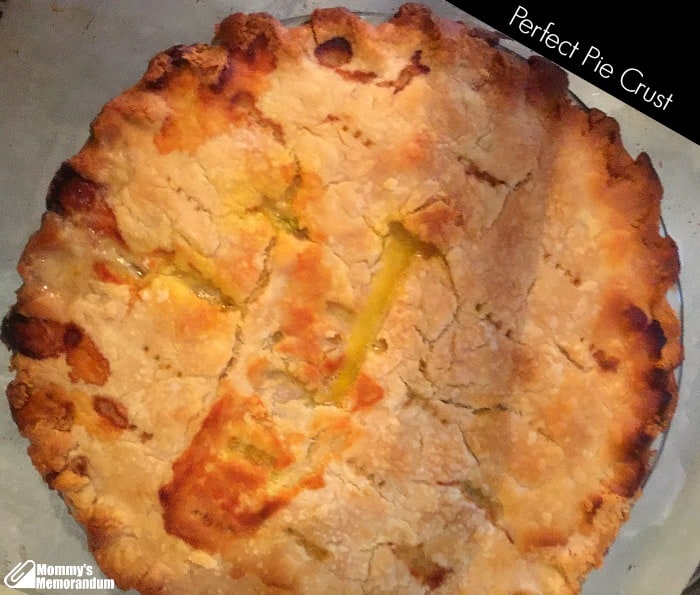
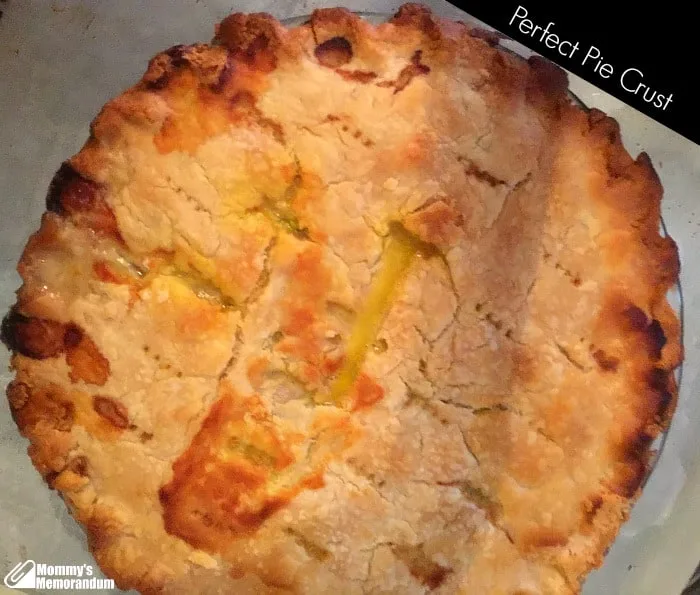
This perfect pie crust recipe makes two tender, flaky homemade crusts with Crisco shortening, all-purpose flour, egg, cold water, vinegar, and salt. The forgiving dough rolls easily, holds its shape, and works beautifully for fruit pies, cream pies, quiches, pot pies, galettes, and other sweet or savory recipes.
Ingredients
- 1 1/2 cups Crisco shortening, chilled or cool
- 3 cups all-purpose flour, spooned and leveled
- 1 large egg
- 5 tablespoons cold water
- 1 tablespoon white vinegar
- 1 teaspoon salt
Instructions
1. Place the all-purpose flour in a large mixing bowl. Add the Crisco shortening and cut it into the flour with a pastry cutter until the mixture resembles coarse crumbs with pieces about the size of small peas.
2. In a small bowl, lightly whisk the egg with a fork until the yolk and white are completely combined.
3. Add the beaten egg, cold water, white vinegar, and salt to the flour mixture. Stir gently with a fork or wooden spoon just until the flour is moistened and the dough begins to hold together. Do not knead or mix until smooth.
4. Divide the dough into two equal portions. Gently shape each portion into a thick, flat disk.
5. Place each disk in a resealable bag or wrap it tightly. Chill the dough in the freezer for about 15 minutes, until firm but still flexible enough to roll.
6. Lightly flour a clean work surface and rolling pin. Place one chilled dough disk on the floured surface and roll from the center outward, rotating the dough occasionally to prevent sticking.
7. Continue rolling until the dough is about 1/8 inch thick and forms a circle approximately 1 to 2 inches wider than the pie plate.
8. Transfer the dough to the pie plate by loosely rolling it around the rolling pin or gently folding it in half. Unroll the pastry over the plate and ease it into the bottom and sides without stretching it.
9. Trim and crimp the edges as desired. Fill, blind bake, or add a top crust according to the directions for your chosen pie recipe.
10. Repeat with the second disk for a double-crust pie, or wrap and refrigerate or freeze it for another recipe.
Notes
Recipe Yield
This recipe makes enough dough for one 9-inch double-crust pie or two 9-inch single-crust pies. Use both portions for a fruit pie with a top and bottom crust, or save one disk for a future pie, tart, quiche, or pot pie.
Measure the Flour Correctly
Spoon the flour lightly into the measuring cup and level the top with the back of a knife. Scooping flour directly from the bag can pack too much into the cup and create a dry, crumbly pie dough.
Keep the Ingredients Cool
Cool shortening and cold water help the fat remain in small pieces throughout the dough. Those pieces melt during baking and leave behind delicate pockets that create a flaky pie crust.
Do Not Overmix the Dough
Stir only until the flour is moistened and the dough begins to hold together. The mixture should look slightly shaggy rather than perfectly smooth. Overmixing develops more gluten and can make the baked crust tough.
How the Dough Should Feel
The finished dough should hold together when gently pressed but should not feel wet or sticky. If it remains very crumbly after mixing, add cold water 1 teaspoon at a time. If it becomes sticky, wrap it and chill it for another 10 to 15 minutes before rolling.
Why Use Vinegar in Pie Crust?
The small amount of white vinegar adds acidity without making the dough taste sour. Combined with cold ingredients and gentle mixing, it helps produce a tender, manageable homemade pie crust.
Why Use Crisco Shortening?
Shortening has a higher melting point than butter, which helps the dough hold its shape while it is rolled and fitted into the pie plate. It creates a tender, flaky crust and makes this recipe especially forgiving for beginner bakers.
How to Roll Pie Dough
Roll from the center outward with light, even pressure. Rotate the dough one-quarter turn every few strokes to prevent sticking and encourage an even circle. Use only enough flour to keep the dough from clinging to the work surface.
Preventing Cracks
If the chilled dough cracks around the edges, let it rest at room temperature for a few minutes before rolling again. Pinch small cracks together or patch them with a scrap of dough.
Do Not Stretch the Crust
Gently ease the pastry into the bottom and corners of the pie plate instead of pulling it to fit. Stretched dough is more likely to shrink during baking.
Chill Before Baking
After shaping the crust, refrigerate it while preparing the filling or preheating the oven. Chilling helps the shortening firm again and allows the crust to hold its shape more successfully in the oven.
Blind Baking
For a cream pie, custard pie, or no-bake filling, chill the shaped crust and line it with parchment paper or foil. Fill it with pie weights, dried beans, or uncooked rice and bake according to the directions for the specific pie. Remove the liner and weights before finishing the bake. Some fillings require a partially baked shell, while others need a completely baked and cooled crust.
Pie Crust for Fruit Pie
This dough is sturdy enough to hold juicy apple, berry, peach, pear, or cherry fillings while remaining tender and flaky. For a double-crust fruit pie, use one disk for the bottom and the second disk for the top crust or lattice.
Sweet Pie Crust Variation
Add 1 tablespoon granulated sugar to the flour before cutting in the shortening. This creates a lightly sweet crust for fruit pies, cream pies, and other desserts without overpowering the filling.
Cinnamon Pie Crust Variation
Add 1/2 teaspoon ground cinnamon to the flour for apple, pear, peach, pumpkin, or other warmly spiced pies.
Savory Herb Pie Crust Variation
Add 1/2 to 1 teaspoon dried thyme, rosemary, poultry seasoning, or Italian seasoning to the flour. This variation works well for quiche, chicken pot pie, turkey pot pie, and savory galettes.
Make-Ahead Instructions
Prepare the dough, divide it into disks, and wrap each portion tightly. Refrigerate the dough for up to 3 days. Before rolling, let a very firm disk rest at room temperature for 5 to 10 minutes, just until it becomes flexible enough to roll without cracking.
Freezer Instructions
Wrap each dough disk tightly and place it in a labeled freezer-safe bag. Freeze for up to 3 months. Thaw overnight in the refrigerator, then let the dough rest briefly at room temperature if needed before rolling.
Storing a Baked Pie Shell
Allow an empty baked pie shell to cool completely. Cover it well and store it at room temperature for up to 1 day in a cool, dry kitchen. For longer storage, wrap it carefully and freeze it inside a rigid container to protect the fragile edges.
Troubleshooting Dry or Crumbly Dough
First squeeze a small amount of dough in your hand. If it holds together, it has enough moisture. If it still falls apart, add cold water 1 teaspoon at a time, mixing gently after each addition.
Troubleshooting Sticky Dough
Sticky dough is often too warm or contains slightly too much moisture. Wrap it and chill it for 10 to 15 minutes. Dust the work surface lightly with flour rather than kneading additional flour into the dough.
Troubleshooting Tough Pie Crust
A tough crust is usually caused by overmixing, kneading, or using too much flour while rolling. Mix only until the dough holds together and handle it as little as possible.
Troubleshooting Shrinking Crust
Pie crust can shrink when it is stretched into the pan or baked while warm. Ease the dough gently into the plate, avoid pulling it, and chill the shaped crust before baking.
Troubleshooting a Soggy Bottom Crust
Preheat the oven fully and follow the temperature specified by the filling recipe. Chilled dough, a metal pie plate, or placing the pie on a preheated baking sheet can help the bottom crust receive stronger heat.
Serving Ideas
Use this homemade pie crust for fruit pies, cream pies, custard pies, quiches, pot pies, rustic galettes, hand pies, turnovers, mini pies, tartlets, and decorative pastry cutouts.
Recipes to Make with This Pie Crust
Use both crusts to make the Best Apple Pie Recipe, or turn the dough into a comforting Homemade Chicken Pot Pie.
For another fruit-filled dessert, try the Salted Caramel Pear Pie or the party-friendly Raspberry Buttermilk Slab Pie.
One portion of dough also works beautifully with the Fresh Fruit Tart, the Apple Cranberry Walnut Tart, or the savory Green Chile Quiche.
Save the dough trimmings and turn them into nostalgic Leftover Pie Crust Snacks with cinnamon and sugar.
More Pie Inspiration
Find more heirloom baking ideas in Grandma’s Recipes and Vintage Favorites, or browse the complete collection of homemade pie recipes.
Flaky, tender, beginner-friendly homemade pie crust made with Crisco shortening. This easy dough makes two 9-inch crusts and can be refrigerated or frozen for sweet and savory pies.
Nutrition Information
Nutrition information is an estimate calculated for one-eighth of a single crust. Actual values will vary according to the brands used, the thickness of the rolled dough, how the crust is trimmed, and the pie filling or toppings added.
Nutrition Information:
Yield:
2Serving Size:
1/8 of one crustAmount Per Serving: Calories: 3060Total Fat: 195gSaturated Fat: 77gUnsaturated Fat: 117gCholesterol: 198mgSodium: 1137mgCarbohydrates: 289gFiber: 10gSugar: 1gProtein: 42g
The Nutritional Information may not be accurate. This website provides approximate nutrition information for convenience and as a courtesy only. Nutrition data is gathered primarily from the USDA Food Composition Database, whenever available, or otherwise other online calculators.
Next Recipe to Try
Put your homemade pastry straight to work in this Best Apple Pie Recipe. The flaky double crust surrounds a warmly spiced apple filling with just enough tartness to keep every slice bright and balanced.
This recipe was originally published December 26, 2015, and updated June 25, 2026, with clearer instructions, ingredient guidance, troubleshooting tips, storage information, and helpful pie-baking ideas.