
Fourth of July Pet Safety Tips to Keep Pets Calm During Fireworks
These Fourth of July pet safety tips help keep dogs and cats calm, secure, and indoors during fireworks with simple steps like updating ID tags, creating a quiet safe space, using familiar comfort items, and avoiding loud holiday events.
Use this guide before the fireworks begin so your furry family has a calm place to rest, a safer holiday routine, and a better chance of staying secure if the noise gets overwhelming.
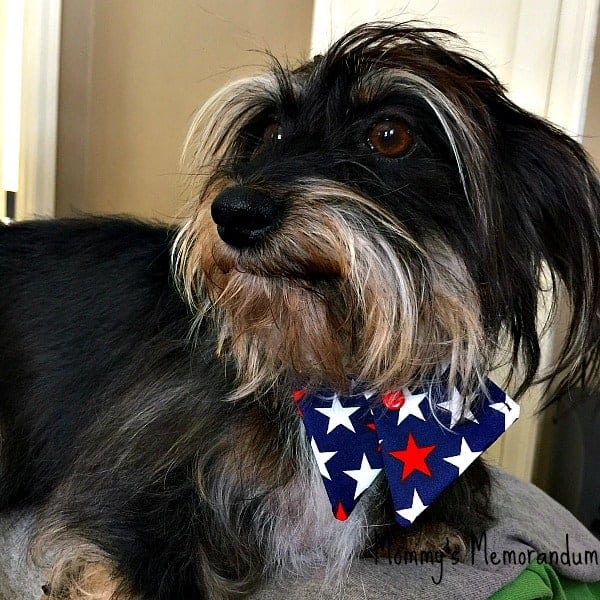
Fourth of July Pet Safety Tips to Keep Pets Calm During Fireworks
The Fourth of July may be all sparklers, backyard food, and red-white-and-blue fun for us, but for many pets, it is one of the loudest and most confusing nights of the year. Fireworks can trigger fear, hiding, barking, shaking, pacing, digging, chewing, and escape attempts, especially in dogs and cats who are sensitive to noise.
This guide is for pet parents who want a practical, calm, no-panic plan before the first boom rattles the windows. Whether your dog already hates fireworks, your cat disappears under the bed at loud sounds, or you have a new puppy experiencing their first Independence Day, these pet safety tips will help you prepare.
The goal is simple: keep pets indoors, keep them identifiable, reduce loud-noise stress, and give them a secure place to ride out the fireworks. It does not have to be fancy. A familiar room, fresh water, a favorite blanket, a safe chew, and a closed door can go a long way.
And because this is the Mommy’s Memorandum way, we are keeping the holiday charm while remembering that the furry ones under the picnic table need a plan, too.
Readers Also Make and Save for Pet Safety
If you are getting ready for a noisy holiday weekend, these pet-friendly ideas can help you plan ahead before the fireworks begin. Keep your pet’s food, treats, yard, and safe space in mind so the whole family can enjoy the Fourth of July with less worry.
- Easy Instant Pot Dog Food Recipe for a homemade meal option your pup can enjoy before the evening gets busy.
- Dog-Safe Yogurt Frosting for Treats for a cool, pup-friendly treat topper.
- Cream Cheese Dog Frosting for decorating homemade dog treats or pupcakes.
- Is Roundup Safe for Pets? if your holiday weekend includes yard work, lawn games, or outdoor play.
Why You’ll Love These Fourth of July Pet Safety Tips
- They are easy to do before guests arrive. You can set up most of this pet safety plan in the afternoon before fireworks start.
- They work for dogs and cats. The same core ideas help both: keep pets indoors, reduce noise, close exits, and give them a familiar safe space.
- They help prevent lost pets. Updated ID tags and microchip information are a must before loud holiday celebrations.
- They reduce panic. A calm room, white noise, bedding, and enrichment can help nervous pets feel less exposed.
- They are family-friendly. Everyone in the house can help by keeping doors closed, watching gates, and giving pets space.
What You Need for a Calm Fireworks Night
You do not need a complicated setup to help your pet feel safer during fireworks. Start with the basics and build from there.
- Updated collar and ID tag with your current phone number
- Current microchip registration information
- A quiet indoor room or crate if your dog is crate trained
- Favorite bedding, blanket, or familiar-smelling item
- Fresh water
- Safe toys, chews, or a treat puzzle
- Closed windows, curtains, and doors
- Soft music, a fan, TV, or white noise to help mask fireworks
- A recent photo of your pet in case they get lost
- Your veterinarian’s contact information, especially if your pet has severe noise anxiety
How to Keep Pets Calm During Fourth of July Fireworks
The best way to keep pets calm during Fourth of July fireworks is to prepare before the noise starts. Once a pet is already scared, it is harder to settle them. Think of this as setting the table for peace before the party gets loud.
- Exercise dogs earlier in the day. A walk, play session, or backyard fetch before the evening can help burn off extra energy before fireworks begin.
- Feed pets before the loudest part of the night. Some pets will not eat once they are nervous, so keep mealtime calm and early.
- Bring pets indoors before dusk. Do not wait until the first fireworks start. Even a usually calm pet may bolt when startled.
- Create a quiet safe space. Choose an interior room, bedroom, laundry room, bathroom, or crate if your pet already uses one comfortably.
- Mask the noise. Turn on a fan, TV, white noise machine, or soft music to soften the sudden booms.
- Keep doors and windows secure. Remind guests not to open outside doors without checking for pets first.
- Stay calm. Pets read our energy. A gentle voice and normal routine can be more reassuring than frantic hovering.
5 Essential Pet Safety Tips for Independence Day
1. Ensure Up-to-Date Identification
Make sure your pet wears a collar with an ID tag and that their microchip information is current. If a pet gets scared and bolts, identification is one of the fastest ways to help them get home.
Check the phone number on the tag, make sure the collar fits properly, and confirm that the microchip registration has your current contact information. This is one of those tiny tasks that feels almost too simple until the moment you need it.
2. Avoid Fireworks Displays with Pets
Leave pets at home instead of taking them to fireworks shows, parades, crowded parks, or noisy backyard gatherings. The loud sounds, flashing lights, unfamiliar smells, and excitement can trigger a fight-or-flight response.
Even friendly, social dogs can panic when fireworks start. Home is usually the safest place, especially if you prepare a quiet room before the celebration begins.
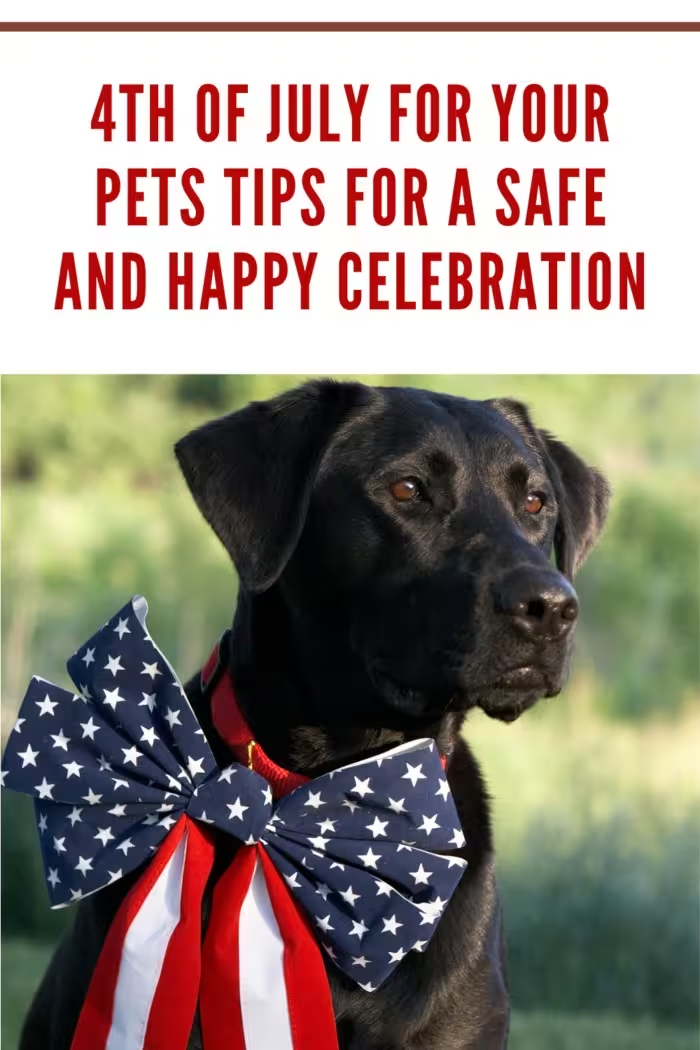
3. Create a Safe Indoor Space
A safe indoor space gives your pet somewhere to retreat when the fireworks begin. This might be a crate, a bedroom, a bathroom, or a cozy corner away from windows and doors.
If your dog is crate trained, a crate can feel like a den. Add bedding, a favorite toy, and a safe chew. If your pet is not crate trained, do not force it. A quiet room with familiar items is often the better choice.
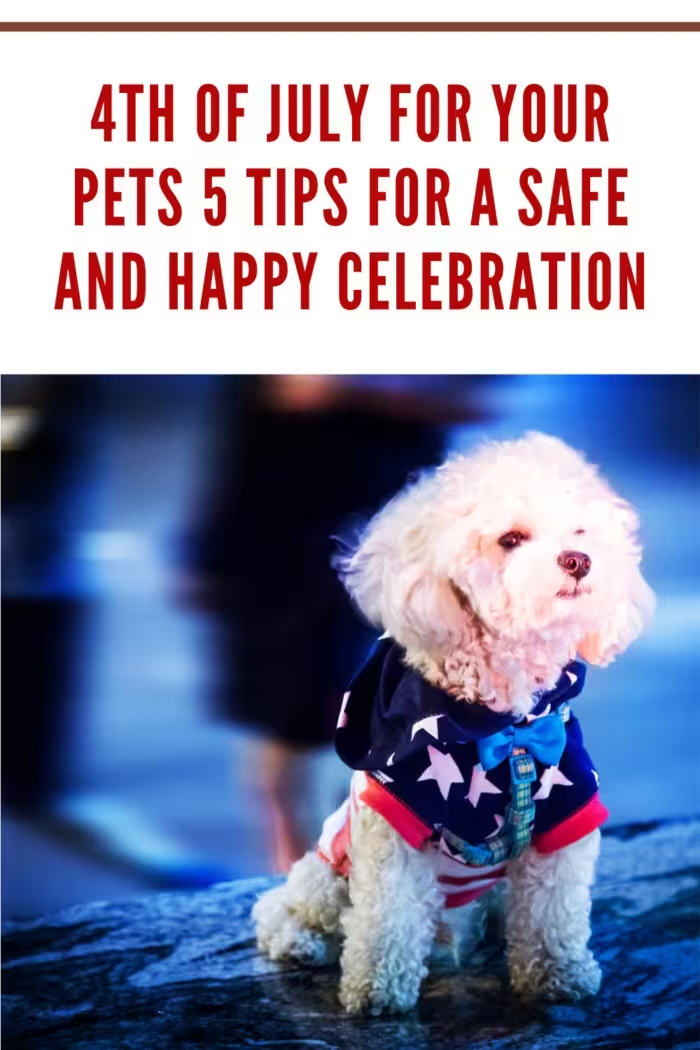
4. Keep Pets Indoors Before Fireworks Start
Never leave pets outside during fireworks. Loud noises can cause dogs to dig under fences, jump gates, break tie-outs, or squeeze through openings they have never noticed before. Cats may hide, climb, or dart away when startled.
Bring pets indoors well before sunset. Close windows, pull curtains, and block access to doors that guests may use during the celebration.
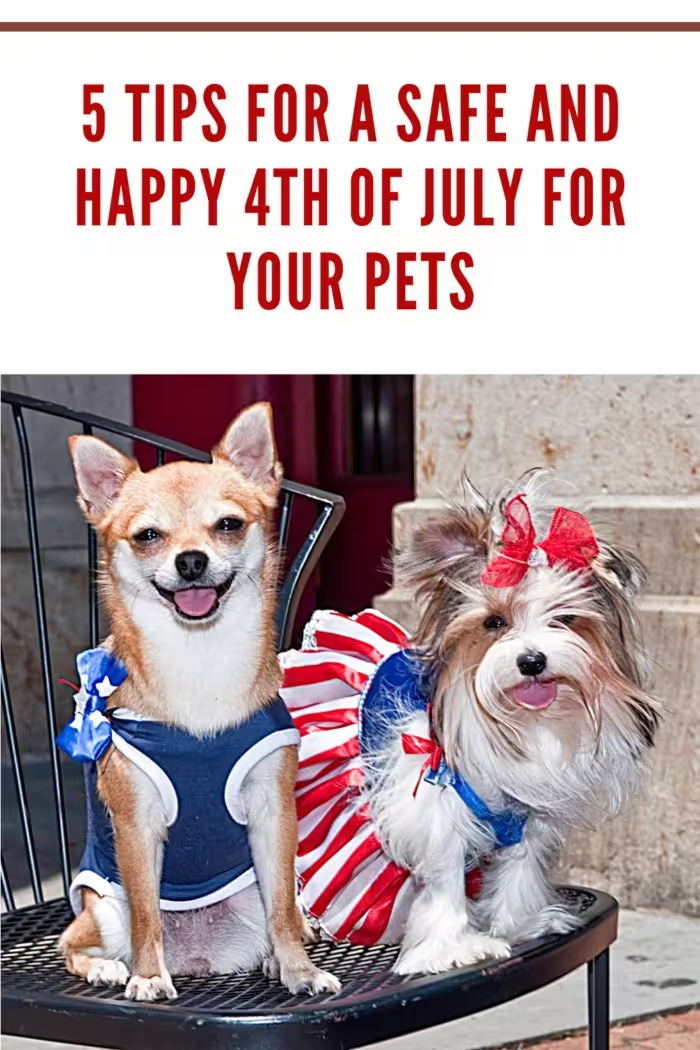
5. Do Not Scold a Scared Pet
Scolding a frightened pet can make anxiety worse. If your dog barks, hides, shakes, paces, or whines during fireworks, respond with calm reassurance and a steady routine.
Offer a favorite toy, a food puzzle, soft background noise, or a quiet place to settle. Some pets want to be near you. Others want to hide. Let them choose the safest comfortable spot as long as they are secure indoors.
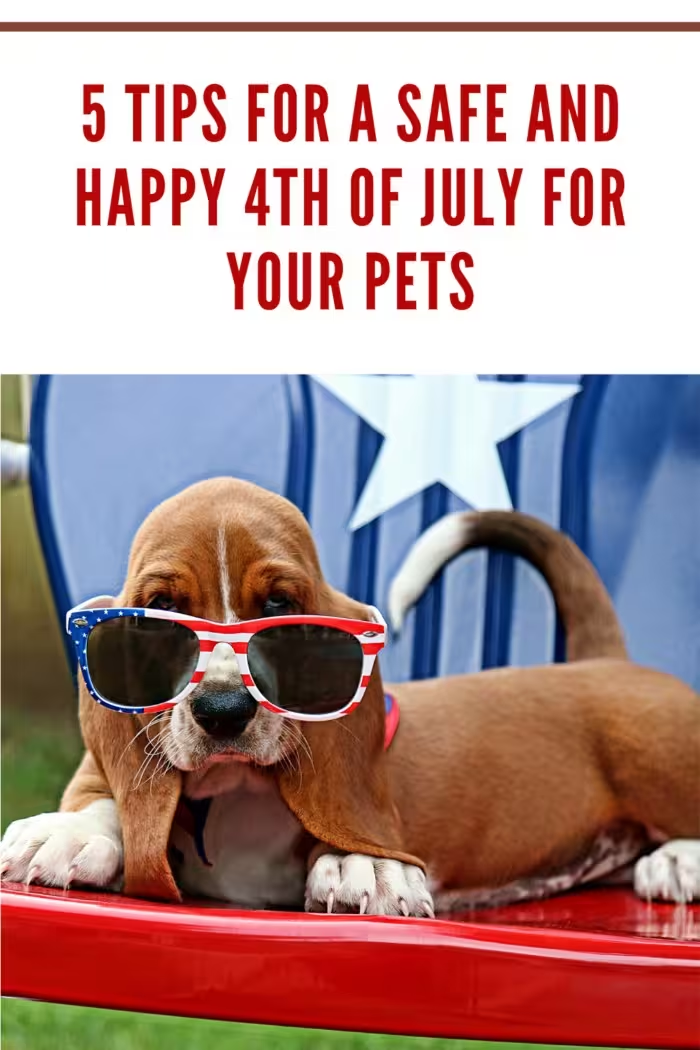
Perfect With a Calm Fourth of July Pet Plan
Fourth of July pet safety works best when it is part of the day’s plan, not something you scramble to fix once the fireworks start. Before guests arrive, set up your pet’s quiet room with fresh water, familiar bedding, favorite toys, and a treat or food puzzle to keep them busy.
This is also a good time to double-check collars, ID tags, microchip information, gates, fences, and doors. A little extra prep in the afternoon can make the noisy part of the night feel less frantic for everyone.
- For dogs: Choose a crate, bedroom, laundry room, or other familiar space where they already feel secure.
- For cats: Give them a quiet room with a litter box, hiding spot, water, and a closed door away from guests.
- For outdoor pets: Bring them inside before fireworks begin, even if they usually handle noise well.
- For guests: Ask visitors not to open doors or let pets outside without checking with you first.
Planning more holiday fun? You can find more ideas in the Fourth of July section, then loop back to the Pets archive for year-round pet safety tips.
Fireworks Pet Safety Troubleshooting
My dog is already shaking before fireworks start. What should I do?
Move your dog to the quietest indoor space you have. Close curtains, turn on soft background noise, offer water, and keep your own voice calm. If your dog has severe fireworks anxiety, talk with your veterinarian before the holiday about safe options.
My cat hides during fireworks. Should I pull them out?
No. If your cat is hiding in a safe indoor place, let them stay there. Make sure they have access to water, a litter box, and a quiet room. Pulling them out can increase stress.
My dog barks at every boom. Is that normal?
Yes, barking can be a fear response. Try masking the sound with a fan, TV, or white noise. Give your dog something safe to chew or lick, and keep them away from windows where flashes may add to the excitement.
My pet will not eat during fireworks. Should I worry?
Many pets skip food when they are anxious. Feed dinner earlier in the day before fireworks begin and keep fresh water nearby. If your pet refuses food long after the holiday or seems ill, call your veterinarian.
More Ways to Help Pets During Fireworks
- Use white noise. A fan, sound machine, or calm music can soften sudden fireworks sounds.
- Close curtains. Blocking flashes of light may help reduce stimulation.
- Skip glow sticks and fireworks debris. Keep curious pets away from party supplies, fireworks, and anything left on the ground after celebrations.
- Keep holiday food out of reach. Barbecue plates, alcohol, corn cobs, skewers, and rich desserts can all cause trouble for pets.
- Use enrichment. A stuffed toy, treat puzzle, or safe chew can give your pet something calming to focus on.
- Ask guests to help. A simple “please watch the door; the pets are inside” can prevent a scary escape.
What to Do Before Fireworks Begin
A little prep earlier in the day makes the night much easier. Think of this as your calm-pet checklist.
- Walk dogs before dusk.
- Feed pets early.
- Bring outdoor pets inside.
- Close windows and curtains.
- Set up crates or quiet rooms.
- Place water nearby.
- Give pets toys, chews, or enrichment.
- Check collars, tags, and microchips.
- Take a current photo of each pet.
- Remind guests to keep doors and gates closed.
What to Do If Your Pet Runs Away on the Fourth of July
If your pet gets out during fireworks, act quickly but stay calm. Search nearby first, especially around porches, sheds, garages, bushes, and familiar walking routes. Frightened pets often hide close to home before traveling farther.
- Contact your local animal shelter and animal control.
- Call nearby veterinary offices.
- Notify your microchip company and confirm your contact information.
- Post a clear photo with your pet’s name, description, and last known location.
- Ask neighbors to check garages, sheds, and under decks.
- Leave out familiar-smelling bedding or clothing if safe to do so.
This is exactly why ID tags and microchips matter so much before the holiday. They turn a scary situation into one with a better chance of a happy reunion.
Fourth of July Pet Safety FAQs
How can I prepare my pet for Fourth of July fireworks?
Prepare your pet before fireworks begin by checking their ID tag and microchip information, bringing them indoors, and setting up a quiet room with bedding, water, toys, and familiar smells.
Should I crate my dog during fireworks?
If your dog is already crate trained and sees the crate as a safe place, crating can help during fireworks. Add bedding, a favorite toy, and keep the crate in a quiet indoor room. Do not force a frightened dog into a crate if they are not used to it.
Should pets be outside during Fourth of July fireworks?
No. Pets should be kept indoors during fireworks, even if they normally enjoy the yard. Loud noises can cause dogs and cats to run, dig, jump fences, or squeeze through small openings.
Is it okay to scold a scared pet?
No. Scolding can make fear worse. Use calm reassurance, soft background noise, a treat puzzle, or a familiar quiet space instead.
How do I calm a dog scared of fireworks?
Move your dog indoors to a quiet room, close curtains, turn on white noise or soft music, offer a safe chew or enrichment toy, and stay calm. For severe fireworks anxiety, ask your veterinarian about options before the holiday.
How do I keep my cat safe during fireworks?
Keep your cat indoors in a quiet room with a litter box, water, and a hiding place. Close windows and doors, reduce noise when possible, and let your cat hide if that is how they feel safest.
What should I do if my pet runs away on the Fourth of July?
Contact your local animal shelter, animal control, microchip company, and nearby veterinary offices right away. Share a clear photo, your pet’s name, last known location, and your contact information.
Final Thoughts on Fourth of July Pet Safety
As you prepare for the Fourth of July, make your pet’s safety part of the celebration plan. The flags, food, and fireworks may be the sparkle of the day, but a calm dog curled up inside or a cat safely tucked in a quiet room is its own kind of holiday win.
Update those ID tags, bring pets indoors early, give them a safe place to settle, and skip the scolding if they feel scared. A little preparation before the fireworks can bring a lot of peace when the night gets noisy.
What measures have you found effective in calming your pet during fireworks?