
There is a very fine line between fluffy mashed potatoes and a bowl of potato paste, and nobody invited gluey potatoes to dinner.
These fluffy mashed potatoes with baking powder use one tiny, unexpected pantry trick to help create a light, creamy, cloud-soft texture. The secret is just 1/8 teaspoon of baking powder—not enough to change the classic buttery flavor, but just enough to give the finished potatoes a little lift.
The real key to great mashed potatoes, though, is not simply adding more butter or milk. It is controlling moisture, using the right potatoes, warming the dairy, and handling the potatoes gently so you do not overwork their starch.
The result is the kind of mashed potatoes that belong beside meatloaf on Tuesday, turkey on Thanksgiving, grilled meats at a summer cookout, and just about anything involving gravy.
Serve them with Easy Meatloaf, spoon them alongside Apple Cider Brined Turkey, or add them to a holiday or cookout spread from my Memorial Day Recipes & Party Ideas.
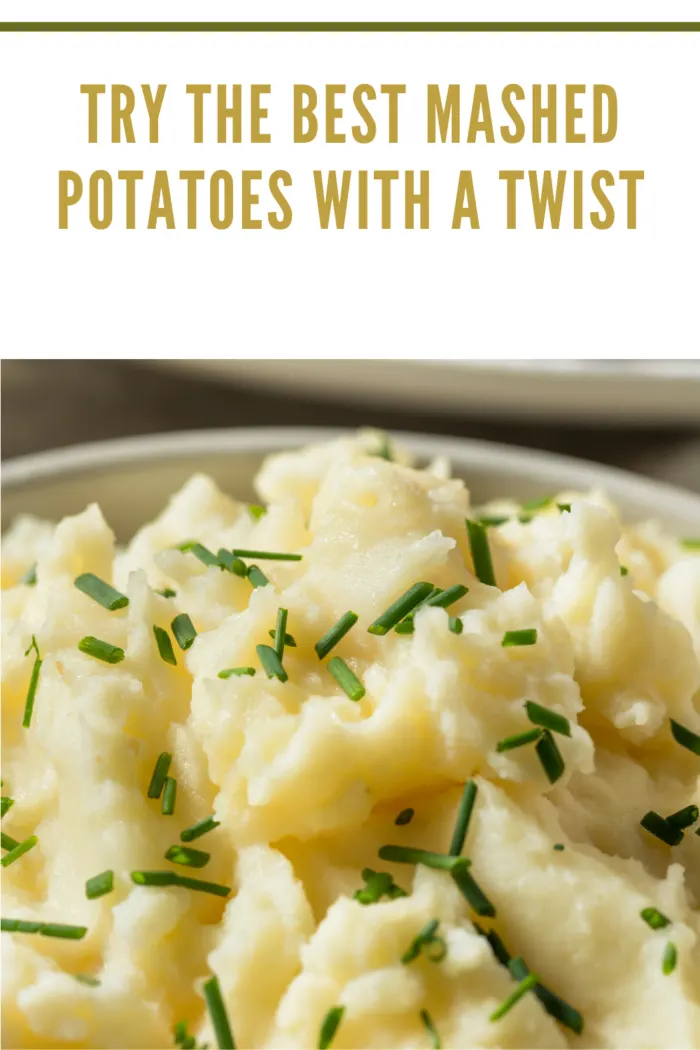
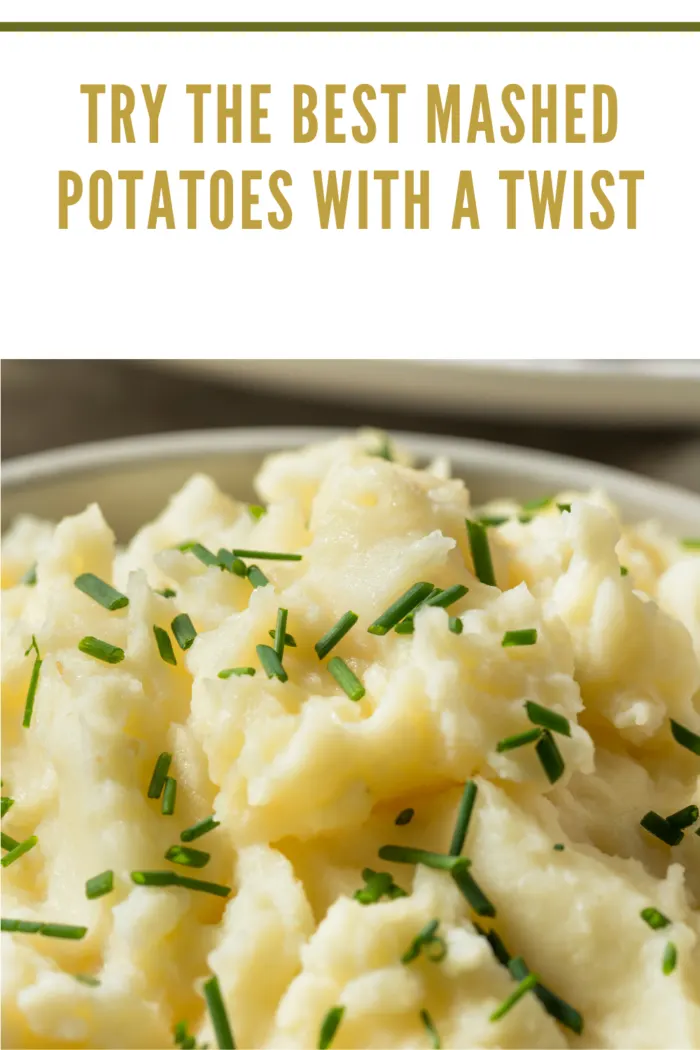
Why You’ll Love These Fluffy Mashed Potatoes
Mashed potatoes do not need a complicated ingredient list to be memorable. A few small techniques make a much bigger difference than piling on extra ingredients.
- Light and fluffy: Russet potatoes and a tiny pinch of baking powder help give the mash a soft, airy finish.
- Creamy without being heavy: Whole milk and butter add richness while allowing the potato texture to shine.
- Simple ingredients: Everything on the list is easy to find and probably already familiar.
- Holiday-worthy and weeknight-easy: Serve them for Thanksgiving, Christmas, Easter, Sunday dinner, cookouts, or an ordinary Tuesday.
- Great with almost anything: Meatloaf, turkey, chicken, beef, gravy, barbecue, and roasted vegetables all work beautifully with mashed potatoes.
- Beginner-friendly: The recipe is straightforward, with tips throughout to help prevent watery or gluey potatoes.
Watch How to Make Fluffy Mashed Potatoes
See exactly how to make these light, creamy mashed potatoes from start to finish, including the simple tricks that help prevent a gluey texture. You’ll see how to cook the potatoes until fork-tender, steam-dry them, warm the milk and butter, mash gently, and add the tiny pinch of baking powder that gives them their signature fluffy finish.
What Is the Secret to Fluffy Mashed Potatoes?
The secret is really a combination of several small steps: choose a high-starch potato, cook it until completely tender, drain it thoroughly, let excess moisture evaporate, use warm dairy, and avoid overmixing.
For this recipe, there is also one additional trick: a pinch of baking powder.
Only 1/8 teaspoon is used for 2 pounds of potatoes. It is a tiny amount intended to give the finished mash a lighter texture without making the potatoes taste like baking powder.
The technique is just as important as the ingredient. Potatoes contain starch, and excessive beating or processing can release enough of that starch to turn a beautiful bowl of potatoes gummy. Gentle handling is the difference between fluffy potatoes and potatoes that could double as wallpaper paste.
Why Russet Potatoes Are Best for Fluffy Mashed Potatoes
Russet potatoes are especially well suited to fluffy mashed potatoes because their high-starch, relatively dry texture breaks apart easily after cooking.
That gives you a lighter base for incorporating butter and milk without having to aggressively beat the potatoes.
Yukon Gold potatoes are another excellent choice if you prefer a naturally creamy, slightly denser mash. Red potatoes and other waxier varieties tend to hold their shape better, which makes them wonderful for roasting and potato salads but less naturally fluffy when mashed.
Ingredients for Fluffy Mashed Potatoes
You only need a handful of classic ingredients for this mashed potato recipe.
- 2 pounds russet potatoes, peeled and cut into 1-inch chunks: High-starch russets produce a light, fluffy mash.
- 4 cups water: Or enough to comfortably cover the potatoes in the pot.
- 2 teaspoons salt, divided: Some seasons the cooking water, while the rest is added to taste after mashing.
- 1/2 cup whole milk: Adds creaminess without weighing the potatoes down.
- 1/4 cup unsalted butter: Adds richness and classic buttery flavor while allowing you to control the salt level.
- 1/8 teaspoon baking powder: The tiny pantry trick used to give the potatoes an extra-light finish.
- Freshly ground black pepper, to taste: Adds gentle warmth and seasoning.
- Fresh parsley or chives, optional: For color and a fresh finishing touch.
How to Make Fluffy Mashed Potatoes
The steps are simple, but pay particular attention to draining, drying, and mixing. Those are the moments that make the biggest difference in the finished texture.
1. Peel and Cut the Potatoes
Peel the russet potatoes and cut them into approximately 1-inch chunks.
Try to keep the pieces similar in size so they cook at roughly the same rate. Uneven chunks can leave you with some potatoes falling apart while others are still firm in the center.
2. Boil the Potatoes Until Fork-Tender
Place the potatoes in a large stockpot or cooking pot and cover them with the water. Stir in 1 teaspoon of the salt.
Bring the water to a boil over medium-high heat, then reduce the heat to maintain a steady simmer.
Cook for about 15 to 20 minutes, or until the potato chunks are completely tender and break apart easily when pierced with a fork.
Do not stop cooking when they are merely “almost tender.” Properly cooked potatoes mash more easily, which means you can handle them less and reduce the risk of developing a gummy texture.
3. Warm the Milk and Butter
While the potatoes are cooking, combine the whole milk and butter in a small heavy-bottom saucepan.
Warm over low heat just until the butter melts and the milk is warm. Do not let the mixture boil.
Adding warm milk and butter instead of refrigerator-cold dairy helps everything combine more smoothly and prevents the potatoes from cooling down unnecessarily.
4. Drain and Steam-Dry the Potatoes
When the potatoes are completely tender, drain them thoroughly in a colander.
Return the drained potatoes to the warm cooking pot and place it over low heat for about 1 to 2 minutes.
Gently shake the pot occasionally to allow excess surface moisture to evaporate.
This small step matters. Potatoes that carry excess cooking water into the mash can become watery, diluted, and harder to make creamy.
5. Mash or Rice the Potatoes
Remove the pot from the heat.
Mash the potatoes gently with a potato masher, or for an especially light and even texture, pass the cooked potatoes through a potato ricer.
Stop once the potatoes are smooth enough for your preference.
Do not use a blender or food processor. Their fast-moving blades can overwork the potato starch very quickly, producing a sticky or gluey consistency.
6. Add the Baking Powder
Sprinkle 1/8 teaspoon baking powder evenly over the warm potatoes.
Gently fold or mash it into the potatoes without vigorously beating them.
Remember, more is not better here. This recipe deliberately uses only a tiny amount.
7. Fold in the Warm Milk and Butter
Gradually pour the warm milk and melted butter over the potatoes.
Fold gently until the liquid is incorporated and the potatoes are creamy.
Add the remaining salt gradually, tasting as you go, and season with freshly ground black pepper.
If you prefer slightly softer mashed potatoes, add another small splash of warm milk rather than continuing to stir aggressively.
8. Garnish and Serve
Spoon the mashed potatoes into a serving bowl and finish with chopped parsley or chives, if desired.
For the full comfort-food effect, add another pat of butter to the center while the potatoes are still hot and let it melt into all those fluffy little peaks.
Serve immediately.
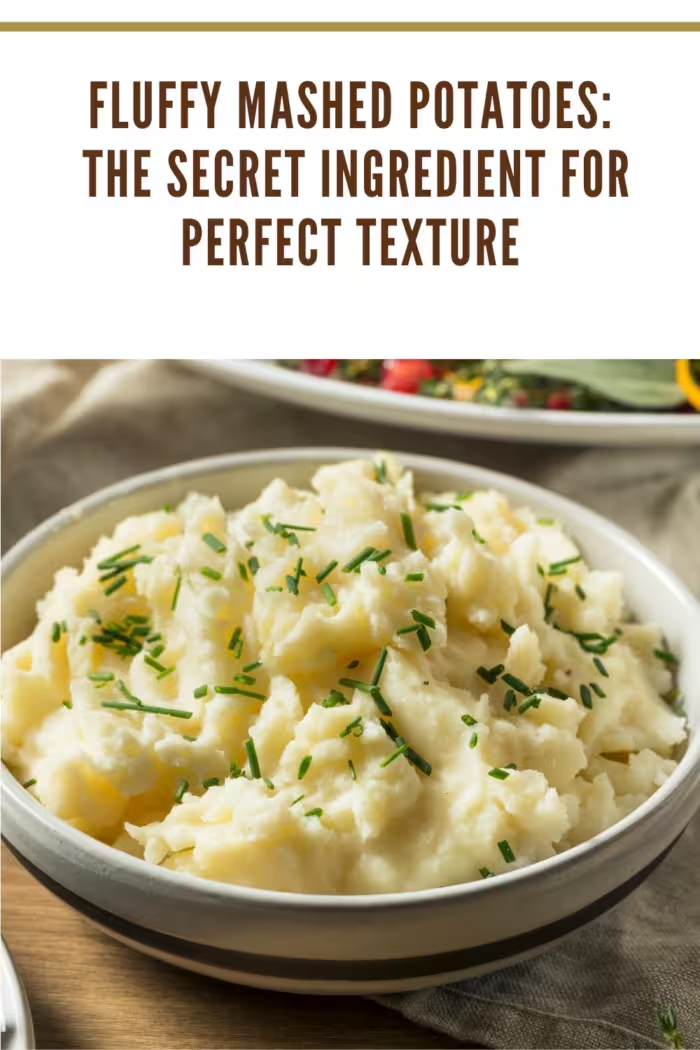
Expert Tips for the Fluffiest Mashed Potatoes
- Start with russet potatoes. Their high starch content and dry texture make them especially good for fluffy mashed potatoes.
- Cut the potatoes evenly. Similar-size pieces finish cooking at the same time.
- Salt the cooking water. Seasoning during cooking helps flavor the potatoes throughout rather than only seasoning the exterior after mashing.
- Cook until completely tender. Undercooked potato pieces require more mashing and are one of the easiest ways to end up with lumps.
- Drain thoroughly. Extra cooking water dilutes both flavor and texture.
- Steam-dry after draining. A minute or two in the warm pot helps remove lingering surface moisture.
- Warm the milk and butter. Warm dairy incorporates more easily and helps keep the potatoes hot.
- Mash while the potatoes are warm. They are easier to work with and absorb the butter and milk more readily.
- Use a potato ricer for an especially fine texture. A ricer breaks the potatoes into tiny pieces without requiring vigorous beating.
- Do not overmix. Once the potatoes are creamy, stop. More stirring is not going to make them fluffier.
- Do not increase the baking powder dramatically. The point is a subtle texture boost, not turning mashed potatoes into a science-fair volcano.
Troubleshooting Mashed Potatoes
Why Are My Mashed Potatoes Gluey?
Gluey or gummy mashed potatoes are usually the result of overworking the starch.
Blenders, food processors, and excessive beating can rupture potato cells and release too much starch. Use a hand masher or ricer and mix only until the ingredients are incorporated.
Why Are My Mashed Potatoes Watery?
The potatoes may not have been drained thoroughly, or they may have carried excess cooking moisture into the mash.
After draining, return them to the warm pot for a minute or two so steam can escape before you begin mashing.
What If My Mashed Potatoes Are Too Thick?
Add a small amount of warm milk, one splash at a time, and gently fold it in until the potatoes reach the consistency you want.
What If My Mashed Potatoes Taste Bland?
Potatoes can absorb a surprising amount of seasoning. Make sure the cooking water is salted, then taste the finished potatoes and adjust the salt, butter, and pepper before serving.
How Do I Fix Lumpy Mashed Potatoes?
If the potatoes contain firm chunks, they may have been slightly undercooked. Avoid trying to beat the lumps into submission because that can make the rest of the potatoes gummy.
For future batches, cook the potatoes until a fork slides through them without resistance.
Mashed Potato Variations
Once you have the fluffy mashed potato base mastered, it is easy to change the flavor to fit the meal.
Garlic Mashed Potatoes
Add 3 or 4 peeled garlic cloves to the cooking water with the potatoes and mash them together.
For a deeper roasted flavor, add roasted garlic before folding in the warm milk and butter.
Loaded Mashed Potatoes
Fold in shredded cheddar cheese, cooked crumbled bacon, sour cream, and sliced green onions.
Basically, let a loaded baked potato move into the mashed potato bowl.
Herb Mashed Potatoes
Add chopped chives, parsley, rosemary, thyme, or dill just before serving.
Fresh herbs are especially good when the potatoes are paired with chicken, turkey, beef, or ham.
Extra-Creamy Mashed Potatoes
Replace some or all of the whole milk with half-and-half or heavy cream for a richer version.
Buttermilk Mashed Potatoes
Replace part of the milk with warm buttermilk for a subtle tang. Add it gradually because buttermilk can make the potatoes looser more quickly than expected.
Rustic Skin-On Mashed Potatoes
For a heartier texture, leave some or all of the potato skins intact. This variation works particularly well with Yukon Gold or red potatoes.
Gravy-Lover’s Mashed Potatoes
Spoon the potatoes into a serving bowl, make a well in the center, and fill it with your favorite gravy.
You can also try my Zesty Orange Pan Gravy when serving the potatoes with poultry.
Perfect With
Fluffy mashed potatoes are one of those dependable side dishes that can move easily from weeknight dinner to a holiday table.
- Easy Meatloaf — the classic meat-and-potatoes combination.
- Meatloaf Mugs — a fun individual version of comfort-food dinner.
- Apple Cider Brined Turkey — an excellent holiday pairing when gravy is absolutely invited.
- Brussel Sprouts with Bacon and Onion — a savory vegetable side to round out the plate.
Make-Ahead Mashed Potatoes
You can make these mashed potatoes ahead of time, which is especially helpful for Thanksgiving, Christmas, Easter, or any meal where every burner on the stove already has a job.
Prepare the potatoes as directed, but leave them just slightly softer than you normally would by adding an extra splash of milk.
Transfer them to a covered container and refrigerate until needed.
For best quality, make them no more than a day or two before serving.
How to Store Leftover Mashed Potatoes
Allow leftover mashed potatoes to cool, then transfer them to an airtight container.
Store them in the refrigerator for up to 3 days.
How to Reheat Mashed Potatoes
Stovetop
Place the mashed potatoes in a saucepan or pot over low heat. Add a small splash of milk and a pat of butter, then stir gently as they warm.
Microwave
Place the potatoes in a microwave-safe dish and heat in short intervals, stirring gently between each interval.
Add a splash of milk or a little butter if they seem dry.
Oven
For a larger batch, place the potatoes in a covered baking dish and warm them in a low oven until heated through. Stir in a little warm milk or melted butter before serving if needed.
Can You Freeze Mashed Potatoes?
Yes. Mashed potatoes containing butter and milk generally freeze better than completely plain mashed potatoes.
Portion the cooled potatoes into airtight freezer containers, leaving a little room for expansion.
Thaw overnight in the refrigerator and reheat gently. Add a splash of milk or a little additional butter while reheating to restore the creamy consistency.
The texture may be slightly different from freshly made potatoes, but freezing is a useful option when you have leftovers or want to prepare food ahead.
FAQs About Fluffy Mashed Potatoes
Why do you put baking powder in mashed potatoes?
This recipe uses a tiny amount of baking powder as an old-fashioned trick intended to give mashed potatoes a lighter, airier finish. Only 1/8 teaspoon is used for 2 pounds of potatoes.
Do mashed potatoes with baking powder taste different?
They should not when you use the small amount called for in this recipe. The goal is to affect the texture without giving the potatoes a noticeable baking powder flavor.
What are the best potatoes for fluffy mashed potatoes?
Russet potatoes are an excellent choice because they are high in starch and relatively dry, allowing them to break apart easily and produce a fluffy mash.
Yukon Gold potatoes are naturally creamier and more buttery but generally create a slightly denser texture.
Should you soak potatoes before making mashed potatoes?
It is not necessary for this recipe. Peeling, cutting, cooking, draining, and drying the potatoes properly is enough to produce excellent results.
Should you start potatoes in hot or cold water?
Starting the potato chunks in the pot with the water allows them to heat more gradually and cook more evenly than dropping them into vigorously boiling water.
Why should milk be warm for mashed potatoes?
Warm milk blends into hot potatoes more easily and helps keep the finished dish from cooling as you mix.
Can I use heavy cream instead of whole milk?
Yes. Heavy cream makes the potatoes richer. You can replace all of the milk or use a combination of milk and cream.
Can I make these mashed potatoes without a potato ricer?
Absolutely. A regular hand-held potato masher works well. Mash only until the potatoes reach your desired texture, then gently fold in the remaining ingredients.
Can I use a stand mixer for mashed potatoes?
You can, but it is very easy to overmix potatoes with powered equipment. A hand masher or potato ricer gives you more control and reduces the chance of developing a gummy texture.
Can I leave the potato skins on?
Yes. Leaving the skins on gives mashed potatoes a more rustic appearance and texture. Scrub the potatoes thoroughly before cooking.
Can I double this mashed potato recipe?
Yes. Use a large enough pot so the potatoes have room to cook evenly. Warm the dairy separately and add the salt gradually, tasting before adding more.
Readers Also Make
If you are planning a comfort-food dinner or holiday menu, these recipes belong on the same table:
- Easy Instant Pot Mashed Potatoes — a convenient pressure-cooker option when stovetop space is limited.
- Pumpkin Mashed Potatoes — a savory seasonal twist for fall and holiday meals.
- How to Shuck and Cook Corn on the Cob — an easy side for summer dinners and cookouts.
- Cuban Black Beans — a hearty side dish with big flavor.
Related Potato and Comfort Food Recipes
- Baking Potatoes on a Camping Grill
- Potato, Bacon and Cheese Soup
- Copycat Olive Garden Stuffed Chicken Marsala
- Easy Instant Pot Meatloaf
Final Thoughts
The best mashed potatoes are not complicated. Start with the right potato, cook it until completely tender, drain away excess moisture, warm your butter and milk, and resist the urge to beat the life out of the bowl.
Then add the tiny trick that makes this recipe memorable: just 1/8 teaspoon of baking powder.
You end up with buttery, creamy mashed potatoes that feel light rather than heavy and are equally comfortable beside a holiday turkey, Sunday meatloaf, or a plate piled high at a backyard cookout.
Make a well for the gravy, add an extra pat of butter, and call dinner handled.
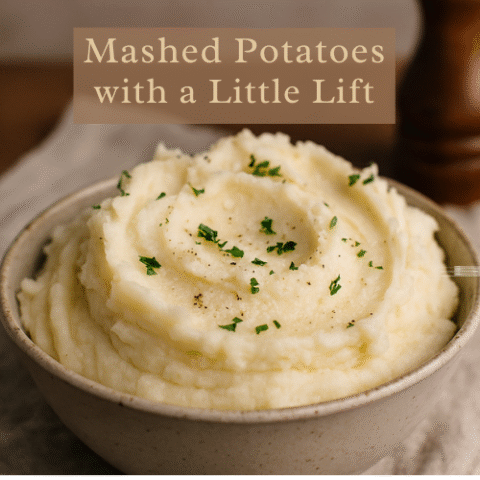
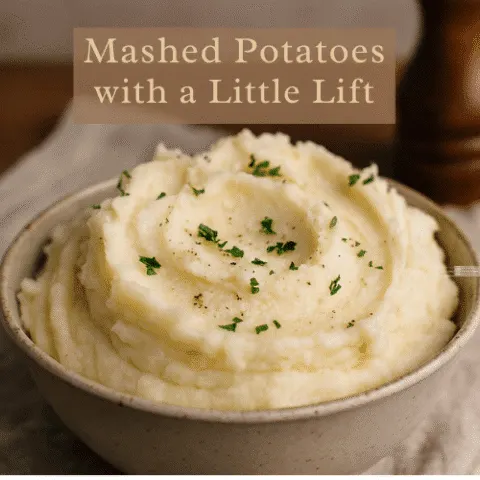
Fluffy Mashed Potatoes with a Pinch of Baking Powder
Light, creamy, buttery mashed potatoes made extra fluffy with one unexpected pantry trick—a tiny pinch of baking powder. These easy russet mashed potatoes are perfect for holidays, Sunday dinners, meatloaf, turkey, gravy, and classic comfort-food meals.
Ingredients
- 2 pounds russet potatoes, peeled and cut into 1-inch chunks
- 4 cups water, or enough to cover the potatoes
- 2 teaspoons salt, divided
- 1/2 cup whole milk
- 1/4 cup unsalted butter
- 1/8 teaspoon baking powder
- Freshly ground black pepper, to taste
- Chopped fresh parsley or chives, optional, for garnish
Instructions
- Prep the potatoes: Peel the russet potatoes and cut them into evenly sized 1-inch chunks.
- Cook the potatoes: Place the potatoes in a large stockpot or cooking pot and cover with water. Add 1 teaspoon of salt. Bring to a boil over medium-high heat, then reduce to a steady simmer. Cook for 15 to 20 minutes, or until the potatoes are completely fork-tender.
- Warm the milk and butter: While the potatoes cook, combine the milk and butter in a small heavy-bottom saucepan. Warm over low heat just until the butter melts. Do not boil.
- Drain and dry: Drain the potatoes thoroughly in a colander. Return them to the warm pot and place over low heat for 1 to 2 minutes, gently shaking occasionally, to allow excess moisture to evaporate.
- Mash the potatoes: Remove from the heat. Gently mash with a potato masher or pass the potatoes through a potato ricer until smooth. Do not use a blender or food processor.
- Add the baking powder: Sprinkle 1/8 teaspoon baking powder evenly over the warm potatoes and gently fold or mash it in.
- Add the warm dairy: Gradually pour in the warm milk and melted butter. Fold gently until creamy and combined. Season with the remaining salt and freshly ground black pepper to taste.
- Serve: Transfer to a serving bowl. Garnish with parsley or chives and add an extra pat of butter, if desired. Serve warm.
Notes
Expert Tips
- Use russet potatoes for the lightest, fluffiest texture.
- Cut the potatoes into similar-size pieces so they cook evenly.
- Cook the potatoes until completely fork-tender. Undercooked potatoes require extra mashing and can leave lumps.
- Drain the potatoes thoroughly, then return them to the warm pot for 1 to 2 minutes to evaporate excess moisture.
- Warm the milk and butter before adding them to the potatoes.
- Mash gently and stop as soon as the potatoes reach the desired consistency. Overmixing can make mashed potatoes gummy.
- Use only 1/8 teaspoon baking powder. More is not better.
Equipment
- Large stockpot or cooking pot — roomy enough to cook the potatoes evenly.
- Small heavy-bottom saucepan — for gently warming the milk and butter.
- Colander — thoroughly draining the potatoes is important for a fluffy rather than watery mash.
- Potato ricer — especially helpful for creating a light, even texture without overworking the potatoes.
Variations
Garlic Mashed Potatoes: Add 3 to 4 peeled garlic cloves to the potatoes while they cook, then mash them together.
Loaded Mashed Potatoes: Fold in shredded cheddar cheese, cooked bacon, sour cream, and sliced green onions.
Herbed Mashed Potatoes: Add chopped parsley, chives, rosemary, thyme, or dill just before serving.
Extra-Creamy Mashed Potatoes: Replace some or all of the whole milk with half-and-half or heavy cream.
Serving Suggestions
Serve these fluffy mashed potatoes with Easy Meatloaf, Apple Cider Brined Turkey, roasted chicken, ham, beef, grilled meats, or plenty of gravy.
Make Ahead
Prepare the mashed potatoes up to 1 to 2 days ahead. Keep them slightly softer than usual by adding an extra splash of milk, then cover and refrigerate until ready to reheat.
Storage
Store leftover mashed potatoes in an airtight container in the refrigerator for up to 3 days.
Reheating
Reheat gently on the stovetop or in the microwave. Add a splash of milk and a small pat of butter as needed to restore the creamy texture.
Freezing
Mashed potatoes can be frozen in airtight portions. Thaw overnight in the refrigerator, then reheat gently with additional milk or butter as needed. The texture may be slightly different from freshly made potatoes.
Troubleshooting
Gluey potatoes: This is usually caused by overmixing or using a blender or food processor. Mash gently and stop once the potatoes are smooth.
Watery potatoes: Drain thoroughly and allow the cooked potatoes to steam-dry in the warm pot for 1 to 2 minutes before mashing.
Potatoes too thick: Fold in warm milk 1 tablespoon at a time until they reach the consistency you prefer.
Lumpy potatoes: Make sure the potatoes cook until completely fork-tender before mashing.
More Recipes
Nutrition Information:
Yield: 6 Serving Size: 1Amount Per Serving: Calories: 226Total Fat: 9gSaturated Fat: 6gUnsaturated Fat: 3gCholesterol: 24mgSodium: 840mgCarbohydrates: 33gFiber: 3gSugar: 2gProtein: 5g
The Nutritional Information may not be accurate. This website provides approximate nutrition information for convenience and as a courtesy only. Nutrition data is gathered primarily from the USDA Food Composition Database, whenever available, or otherwise other online calculators.
Next Recipe to Try
If you love classic mashed potatoes but need the stovetop free for the rest of dinner, make my Easy Instant Pot Mashed Potatoes next. They are especially handy for busy holiday meals when every burner seems to be spoken for.