
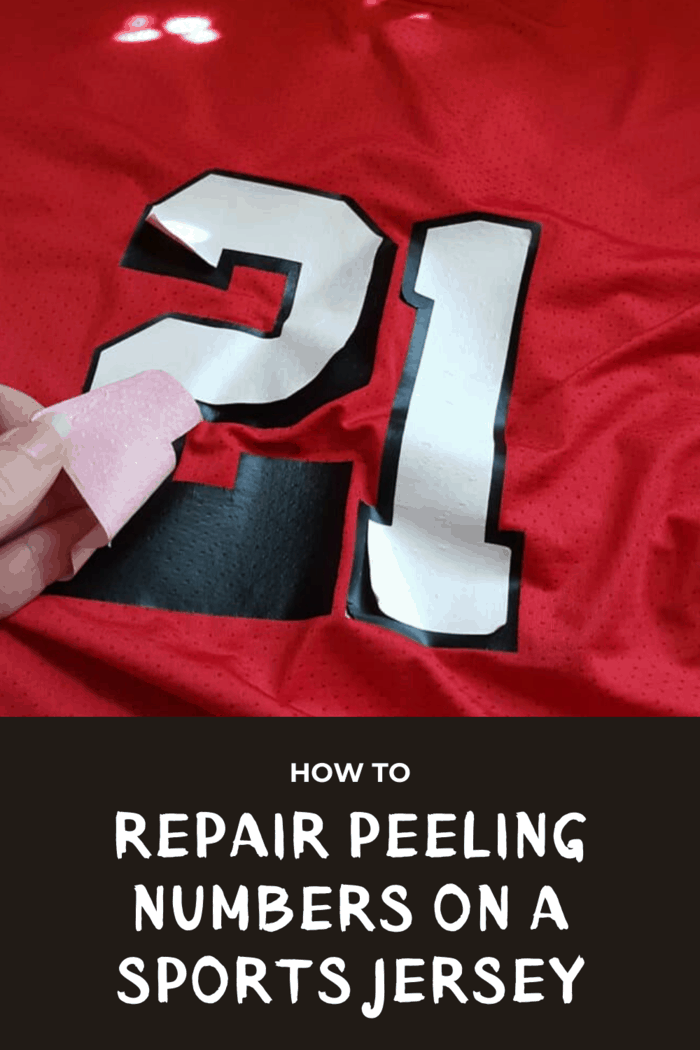
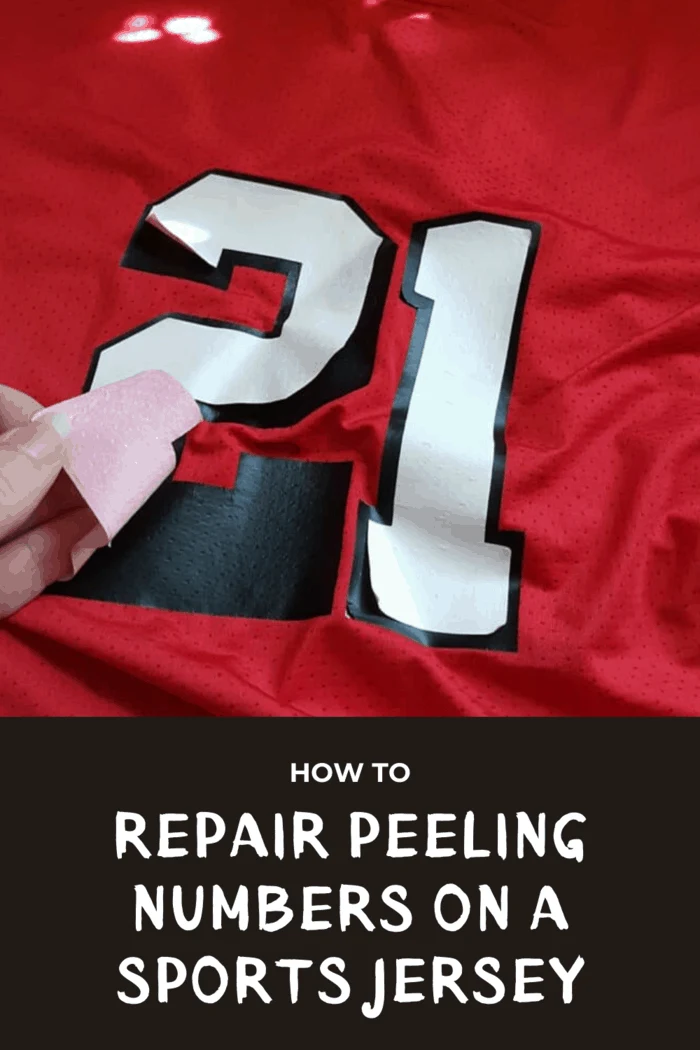
If the number or name on a sports jersey is beginning to lift at the edges, you may be able to reattach it with controlled low heat. When heat alone does not work, a tiny amount of flexible, washable fabric adhesive may help secure the loose section.
This repair works best when a small edge is peeling but the number is still flexible and mostly attached. It cannot replace vinyl or printed material that has already cracked away, flaked off, or become brittle.
Important: Check the jersey’s care label before applying heat or adhesive. Take signed, vintage, collectible, authentic, or especially valuable jerseys to a professional uniform or garment-customization shop rather than attempting a DIY repair.
Jump to the step-by-step jersey repair instructions
Readers also use: Before the next practice or game, see how to save money on sports equipment for kids.
Can Peeling Jersey Numbers Be Repaired?
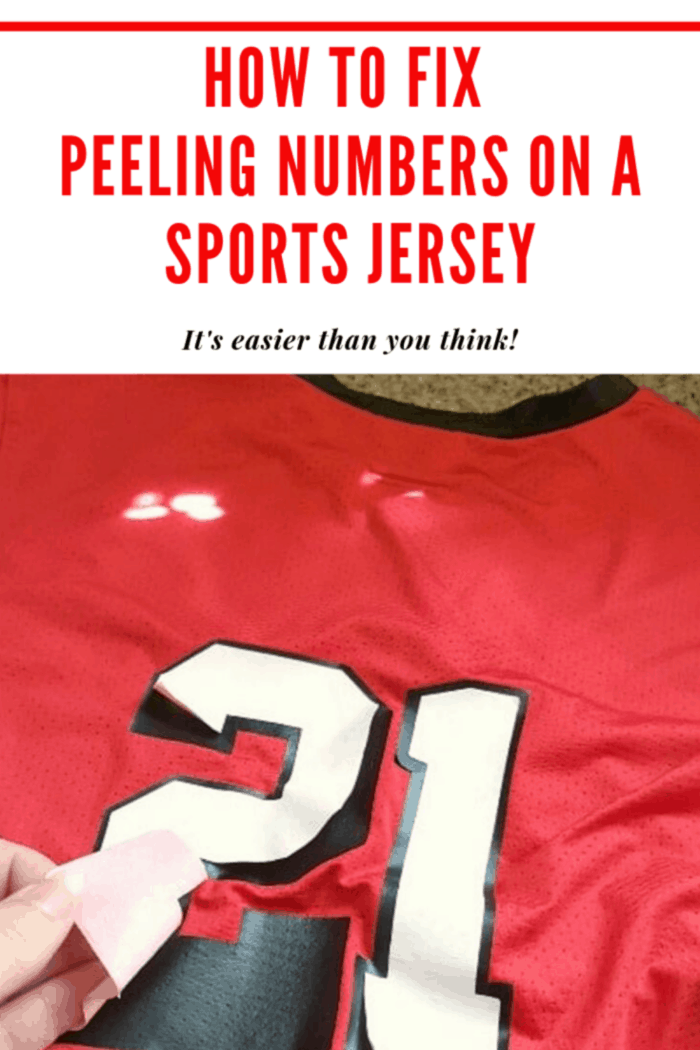
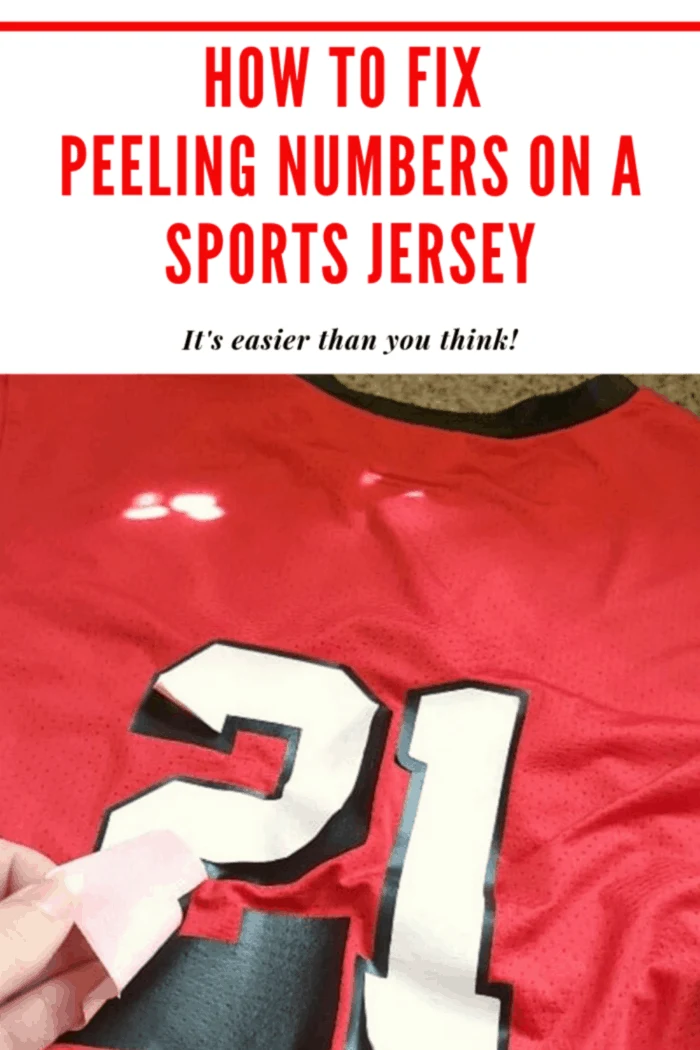
A peeling jersey number can often be repaired when the original heat-applied material is still intact. Gentle heat may reactivate the adhesive underneath a lifted edge. If that does not hold, a small amount of compatible fabric adhesive may help.
First, determine what is actually happening to the number:
| Condition | Can You Repair It? | Best Approach |
|---|---|---|
| One edge is lifting | Often | Try controlled low heat first |
| The number is lifting in several places | Possibly | Low heat followed by compatible adhesive if needed |
| The surface has small cracks but remains attached | Only partially | Prevent additional damage; do not try to melt the cracks closed |
| Pieces of vinyl or print are missing | No | Have the number professionally replaced |
| The number is brittle or flaking | Usually not | Stop applying heat and consult a professional |
| The number is stitched fabric or twill | Not with this method | Repair with stitching or professional uniform service |
Why Do Jersey Numbers Peel or Crack?
Jersey numbers and names can begin lifting after repeated wear, friction, folding, washing, and exposure to excessive heat. Damage may happen gradually or appear after one trip through a hot dryer.
Common causes include:
- Washing or drying at a temperature that is too high for the jersey
- Direct contact with an iron
- Repeated rubbing against other garments in the washer
- Folding or storing the jersey with a sharp crease through the number
- Age-related breakdown of the original adhesive or printed material
- Stretching the jersey while the graphic is warm
Late summer is a good time to inspect school uniforms, youth sports jerseys, and fan gear before practices, team photographs, football weekends, and fall tournaments begin.
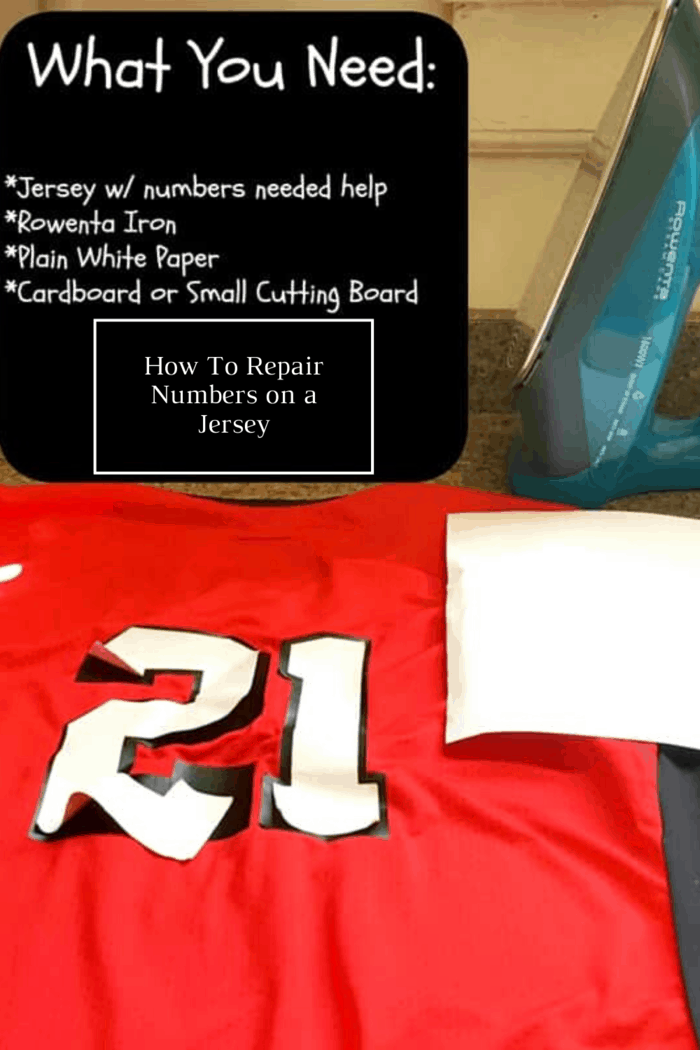
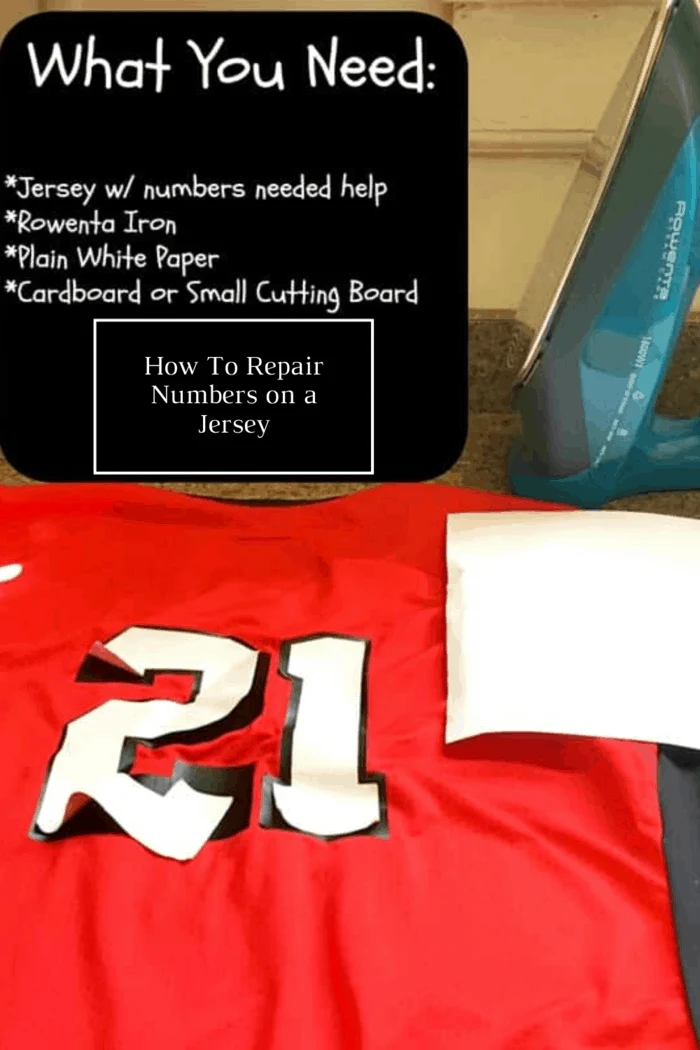
What You Need to Fix a Peeling Jersey Number
- A clean piece of parchment paper or a plain cotton pressing cloth
- A household iron with adjustable temperature settings
- A clean towel or piece of cardboard
- A flat, heat-safe work surface
- Optional flexible, washable fabric adhesive
- Optional toothpick or cotton swab for applying adhesive
Do not use wax paper. Its coating can melt and transfer to the jersey. Avoid printed paper, paper towels, and anything that might leave ink, texture, or lint behind.
How to Fix Peeling Jersey Numbers Step by Step
1. Read the Care Label
Check the jersey’s washing and ironing instructions before doing anything else. If the label says not to iron the garment, skip the heat method. Do not assume that every football, basketball, baseball, hockey, or soccer jersey can tolerate the same temperature.
When you are unsure what the symbols mean, consult this guide to laundry and fabric-care symbols.
2. Examine the Number
Make sure the problem is a loose edge rather than vinyl that is disintegrating. A flexible section that has simply lifted is the best candidate for this repair.
Stop if the number feels brittle, sticky, melted, powdery, or ready to crumble. Additional heat may make that type of damage worse.
3. Make Sure the Jersey Is Clean and Dry
The area must be completely dry and free from lint, dirt, and detergent residue. If the number is already peeling badly, do not automatically put the jersey through another complete wash cycle. Gently clean around the repair area according to the care label and allow it to dry fully.
4. Support the Number
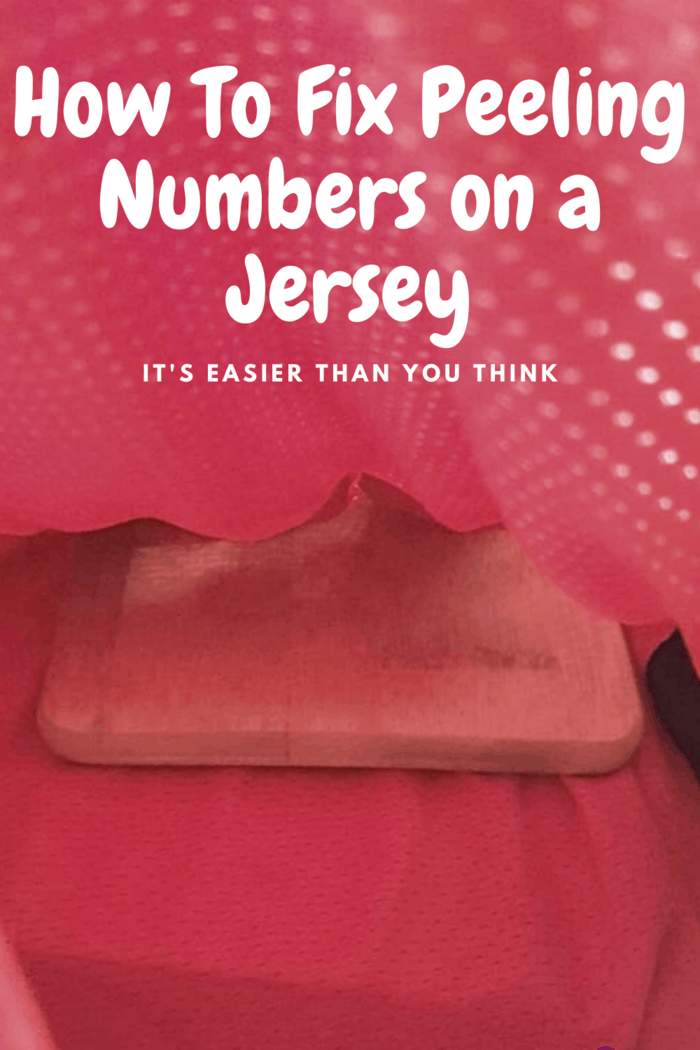
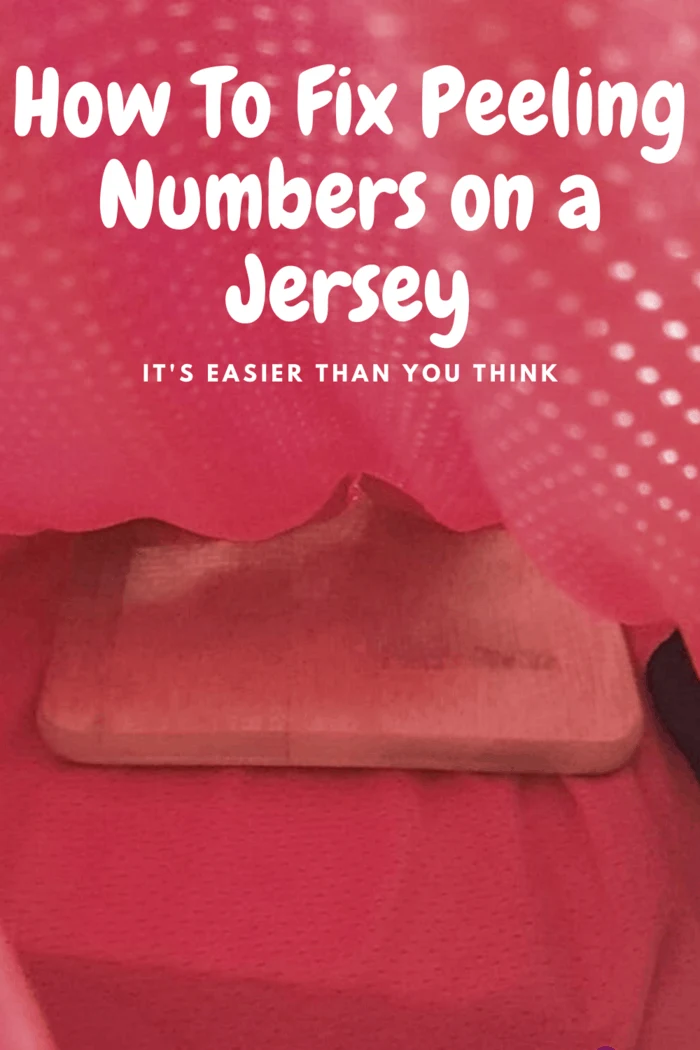
Lay the jersey flat on a clean towel. Slide a piece of cardboard inside the jersey so the front and back layers are separated. Smooth the fabric without stretching it.
5. Try Low Heat Before Adding Glue
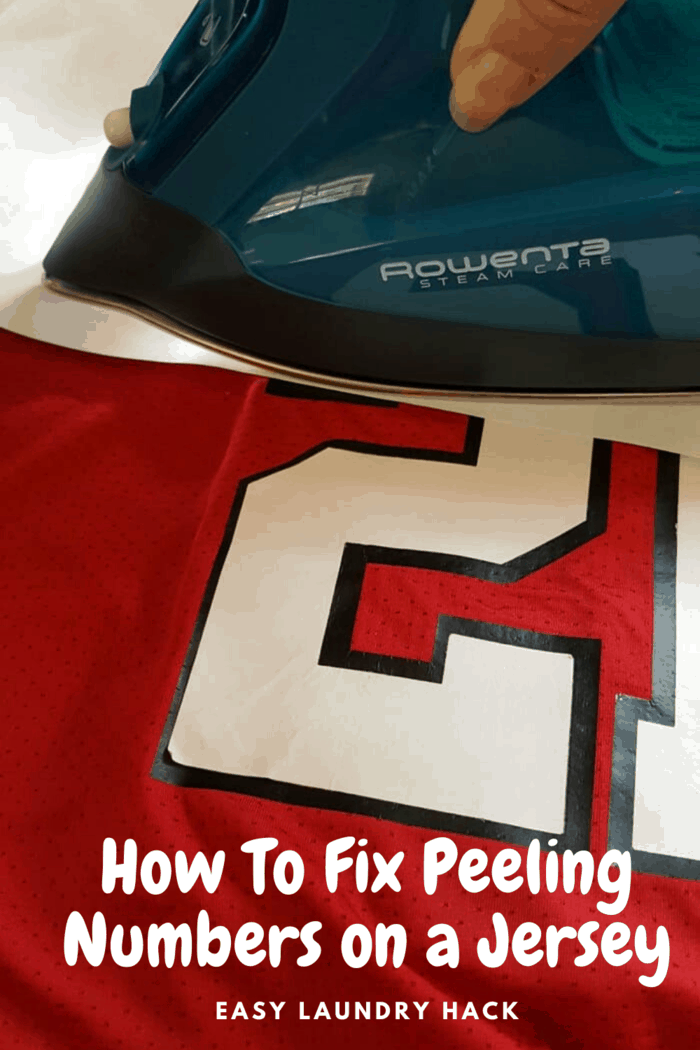
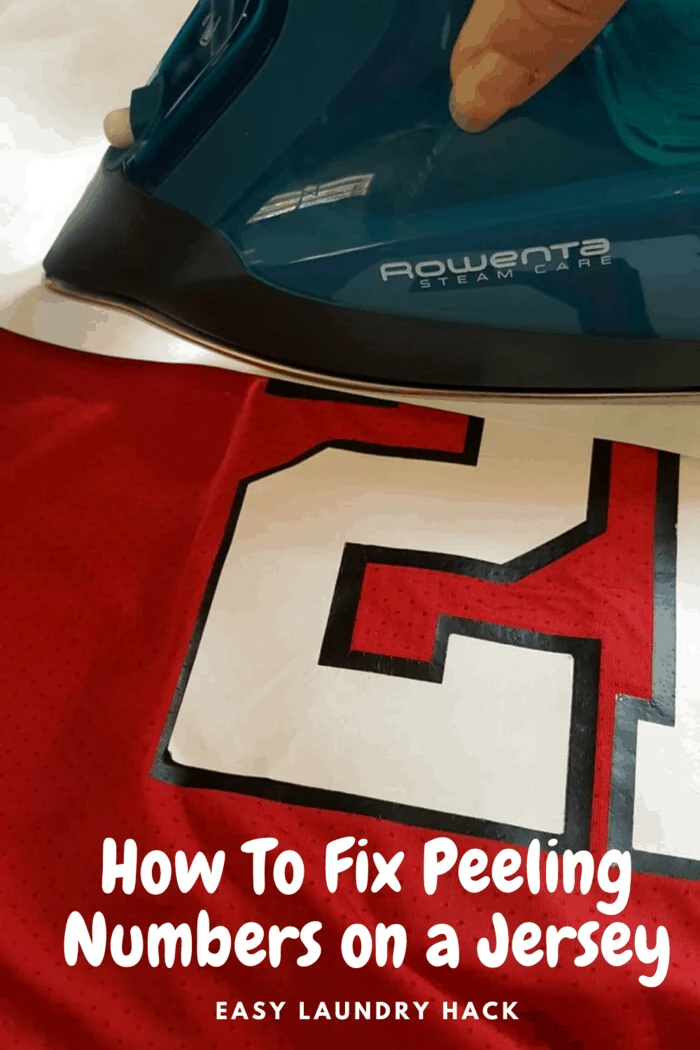
Turn the jersey inside out when possible so you can warm the adhesive through the fabric instead of placing the iron over the front of the number.
- Set the iron to the lowest temperature permitted by the care label.
- Turn off the steam.
- Place a clean cotton pressing cloth between the iron and the jersey.
- Press straight down for approximately five seconds.
- Lift the iron rather than sliding it.
- Allow the area to cool briefly and check the edge.
- Repeat in short intervals only if necessary.
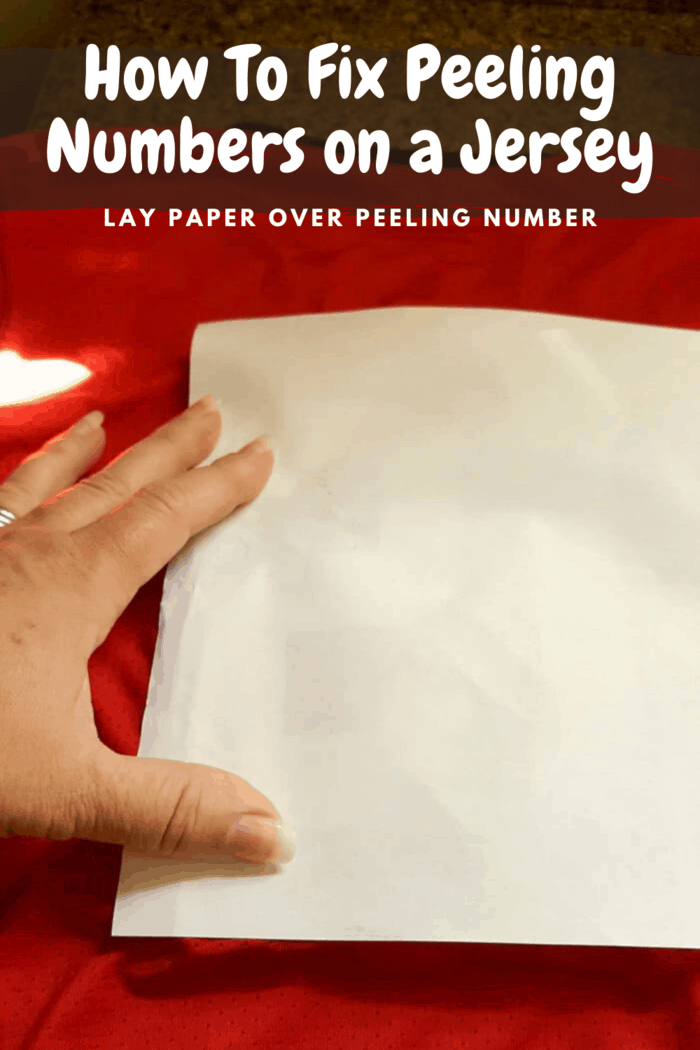
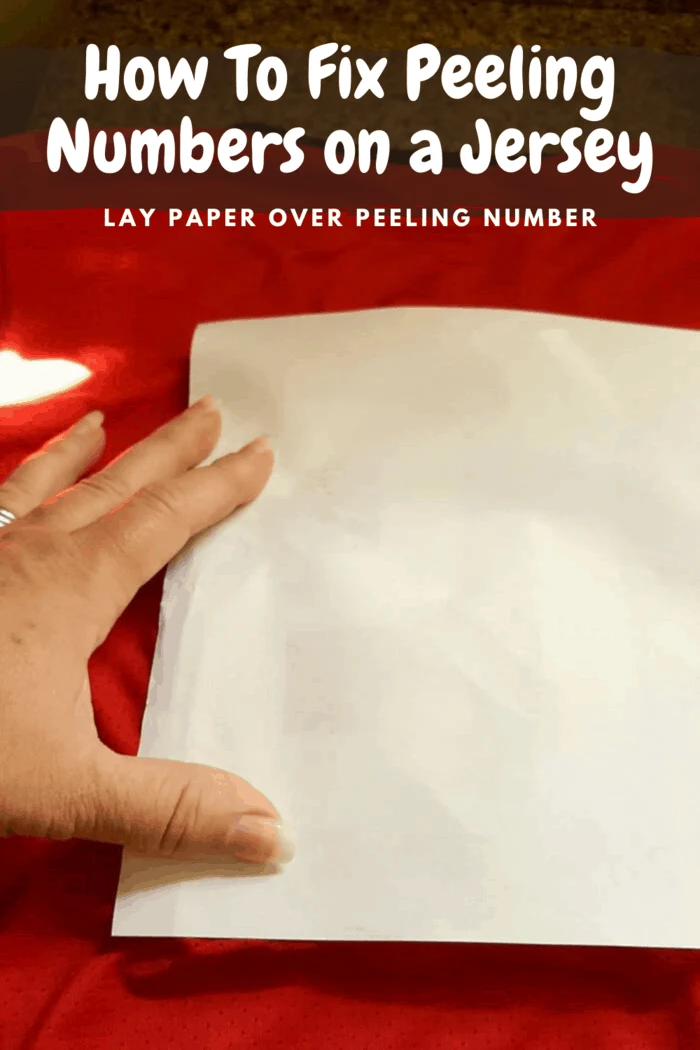
If you cannot reach the reverse side, place parchment paper over the front of the number before pressing. Never allow the iron’s soleplate to touch the number directly.
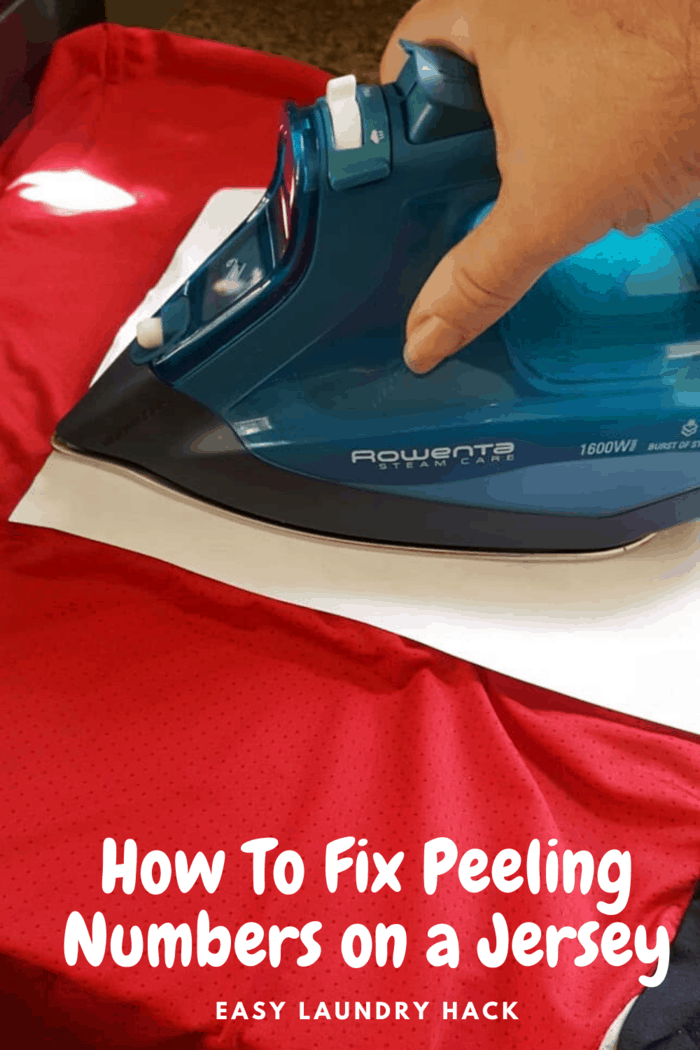
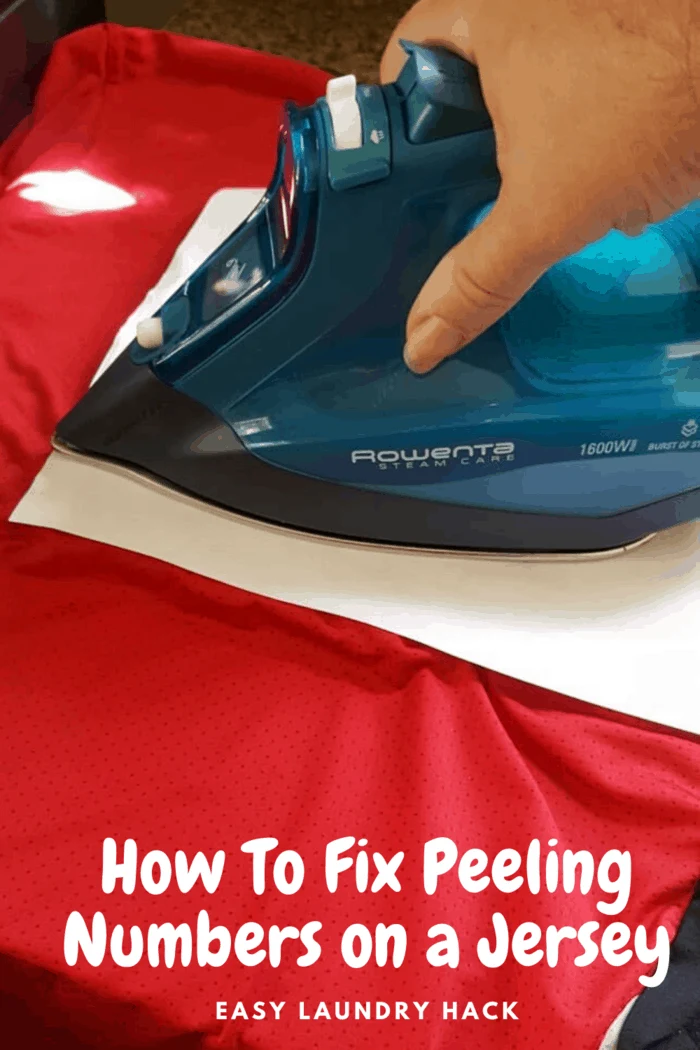
6. Let the Number Cool and Inspect It
Remove the iron and allow the number to cool before pulling or flexing the fabric. Once cool, gently test the repaired edge with a fingertip.
If the edge is flat and secure, stop. Continuing to apply heat after the number has bonded increases the chance of melting, warping, or creating a shiny mark.
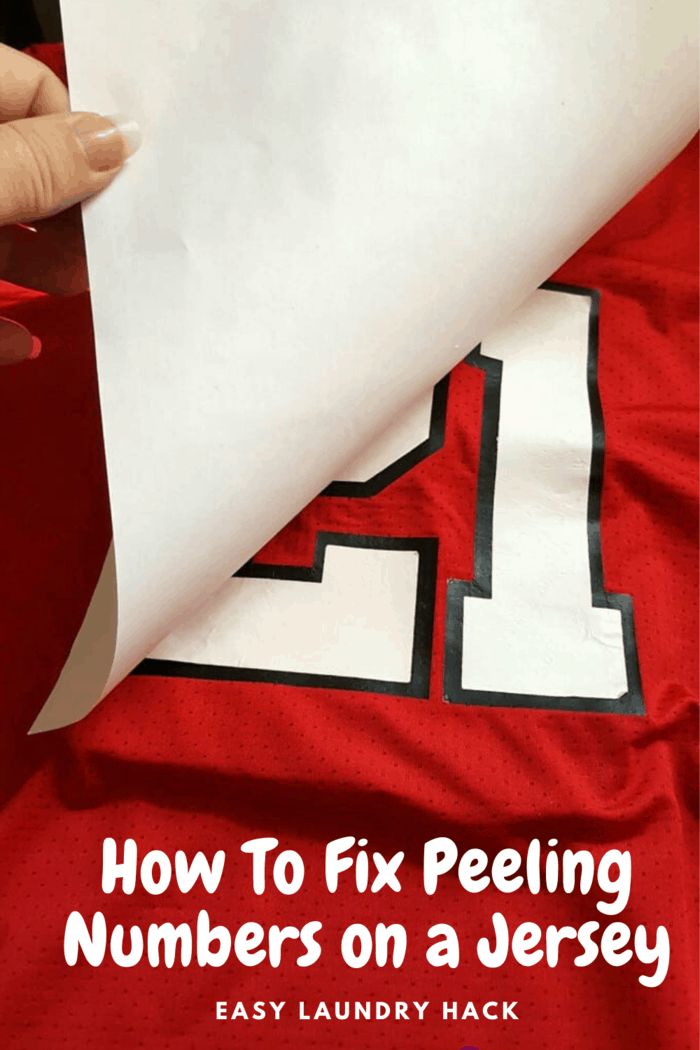
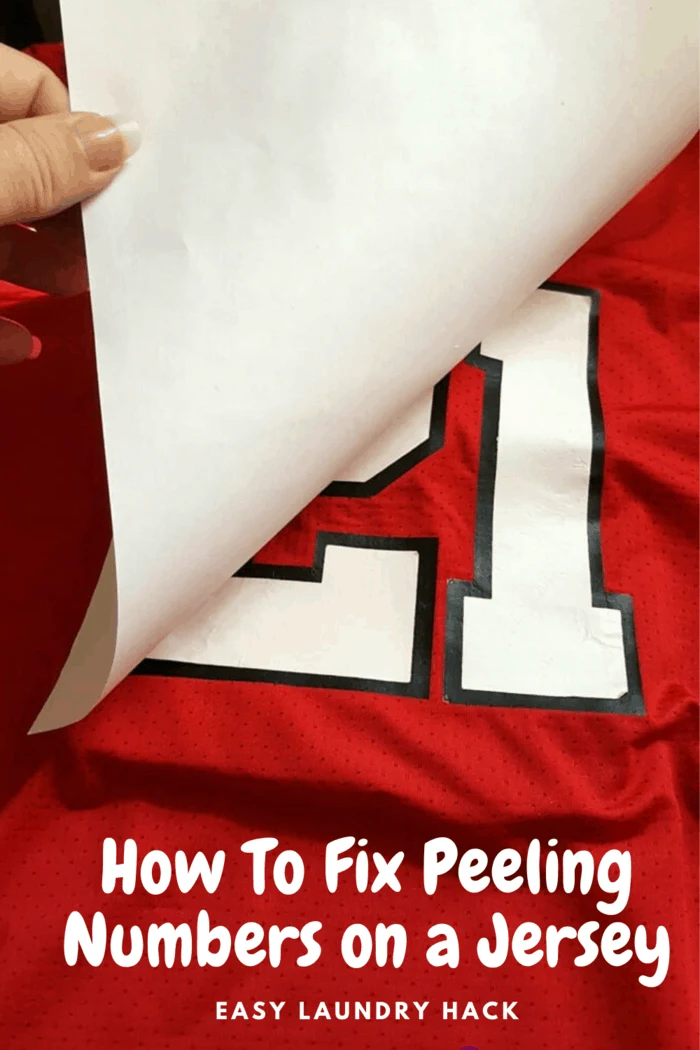
7. Use Fabric Adhesive Only If the Edge Still Lifts
If controlled heat does not reactivate the original adhesive, let the jersey cool completely before trying fabric glue.
- Test the adhesive on an inconspicuous area whenever possible.
- Use a toothpick to place the smallest practical amount beneath the loose edge.
- Keep the adhesive away from the visible surface of the number.
- Press the edge into position.
- Place clean parchment paper over the repair and hold or weight it according to the adhesive instructions.
- Allow the adhesive to cure for the full time listed on the package.
Do not iron over fresh fabric glue unless the product’s instructions specifically say heat should be used. Different adhesives have different formulas, cure times, and heat tolerances.
8. Complete a Final Check
After the repair has cooled or the adhesive has cured, inspect the entire number. Look for tiny corners that remain raised, adhesive that has squeezed out, puckering, discoloration, or changes in texture.
Do not keep reheating a number that is becoming wrinkled, glossy, stretched, or misshapen.
Fabric Adhesive Options for Jersey Number Repair
The best product depends on the number material, jersey fabric, and care instructions. A glue designed for porous fabric may not bond every type of heat-transfer vinyl, screen print, or coated graphic. Always read the current package directions and spot-test when possible.
| Adhesive | Why You Might Choose It | Important Note |
|---|---|---|
| Tear Mender | Creates a flexible, washable bond on many porous fabrics | Contains natural latex; spot-test and verify compatibility |
| Beacon Fabri-Tac | Fast-grabbing fabric adhesive that dries clear and remains washable | Follow the manufacturer’s cure and cleaning directions |
| Aleene’s Fabric Fusion | Flexible fabric adhesive intended to remain washable | Use a very small amount and allow the full recommended cure time |
Can You Fix Cracked Jersey Numbers?
Heat may help secure a loose edge, but it cannot replace material that has cracked apart or fallen off. Trying to melt surface cracks together can distort the number and damage the jersey fabric underneath.
When the number is still attached but shows fine surface cracks, focus on preventing additional damage:
- Wash only when necessary.
- Turn the jersey inside out.
- Follow the care label’s temperature instructions.
- Reduce friction by washing it separately or in a mesh garment bag.
- Air-dry instead of exposing the graphic to high dryer heat.
- Store the jersey without folding directly through the number.
If pieces are missing, a uniform shop may be able to remove and replace the entire number more successfully than a spot repair.
How to Get Wrinkles Out of Jersey Numbers
Do not place a hot iron directly on a wrinkled number. First, hang the jersey for a day and allow gravity to relax the fabric.
If wrinkles remain and the care label permits ironing, turn the jersey inside out and use the same low-heat, pressing-cloth method described above. Press for only a few seconds at a time without sliding the iron.
Avoid directing concentrated steam at the number. Moisture and heat may affect the adhesive, coating, or printed finish. Stop immediately if the number becomes glossy, soft, sticky, or distorted.
What Not to Use on Peeling Jersey Numbers
- Super glue: It can dry hard and brittle, soak through fabric, or leave a visible stain.
- Hot glue: It creates a bulky bond and may melt or distort synthetic jersey fabric.
- Wax paper: The wax can transfer to the number or fabric.
- High heat: Excessive heat can melt the graphic or damage polyester fibers.
- Direct steam: Steam adds heat and moisture around an already weakened adhesive.
- A sliding iron: Side-to-side movement may stretch or shift the number.
- Too much adhesive: Excess glue can seep beyond the edge and leave a permanent mark.
How to Wash a Jersey After Repairing the Numbers
Always follow the garment label and the adhesive manufacturer’s required cure time. When the repaired jersey is ready to wash:
- Turn it inside out.
- Use cold water when permitted by the care label.
- Select a gentle or delicate cycle.
- Use a mild detergent.
- Place the jersey in a mesh garment bag to reduce friction.
- Avoid scrubbing or wringing the number.
- Air-dry the jersey on a hanger or lay it flat.
- Do not place it in the dryer unless the care label and repair product allow it.
If laundry has begun coming out with residue or an unusual odor, this guide to cleaning your washing machine can help you check the appliance before washing delicate sports gear.
Troubleshooting a Jersey Number Repair
The Number Still Lifts After Heating
Stop increasing the temperature. The original adhesive may no longer be active. Allow the jersey to cool and try a compatible fabric adhesive or consult a uniform shop.
The Number Begins to Pucker
Remove the heat immediately and let the jersey cool on a flat surface. Puckering can indicate too much heat, pressure, or stretching.
Adhesive Squeezes Out Around the Edge
Do not rub it across the jersey. Follow the adhesive manufacturer’s cleanup directions. Solvents and aggressive rubbing can discolor the fabric or damage the number.
The Repair Comes Loose in the Wash
Check whether the adhesive received its full cure time and whether the jersey was exposed to dryer heat. Repeated repair attempts may leave residue, so professional replacement may be the better next step.
The Entire Number Is Falling Off
A large detached section is difficult to align evenly with a household iron. A professional heat press can provide more consistent temperature and pressure.
Frequently Asked Questions
Can I iron directly on jersey numbers?
No. Always keep parchment paper or a clean cotton pressing cloth between the iron and the graphic. Direct contact may melt, smear, or permanently mark the number.
What iron temperature should I use?
There is no single temperature that is safe for every jersey. Use the lowest setting permitted by the garment’s care label and work in very short intervals.
How do I fix jersey numbers that are falling off?
Try controlled low heat first. If the original adhesive does not reactivate, apply a very small amount of compatible, washable fabric adhesive beneath the loose edge and follow its cure instructions.
Can fabric glue repair cracked jersey numbers?
Fabric glue may secure a lifting edge, but it cannot fill surface cracks convincingly or replace missing printed material.
Can I use super glue on a jersey number?
Super glue is not recommended. It can create a stiff, brittle patch and may soak through, discolor, or permanently damage the jersey.
How long should I wait before washing the jersey?
Follow the exact cure time on the adhesive package. Some products become washable quickly, while others need substantially longer to develop their full bond.
Will this work on football, basketball, baseball, hockey, and soccer jerseys?
The method may work on a localized lifting edge, but sports jerseys use many different fabrics and graphic applications. The care label and condition of the number matter more than the sport.
Should I repair an authentic, signed, or vintage jersey myself?
Avoid DIY heat or glue on a valuable jersey. A professional repair protects the garment from irreversible damage and reduces the chance of affecting its display or collectible value.
More practical laundry help:
Keep That Jersey in the Starting Lineup
A lifting jersey number does not always mean the uniform is finished. Begin with the gentlest method, use the lowest safe heat, and stop as soon as the edge is secure. Add fabric adhesive only when heat alone does not work and the product is compatible with the materials.
Once repaired, careful washing, less friction, and air-drying can help keep the number ready for practices, team photographs, tailgates, and game day.
How to Fix Peeling Jersey Numbers
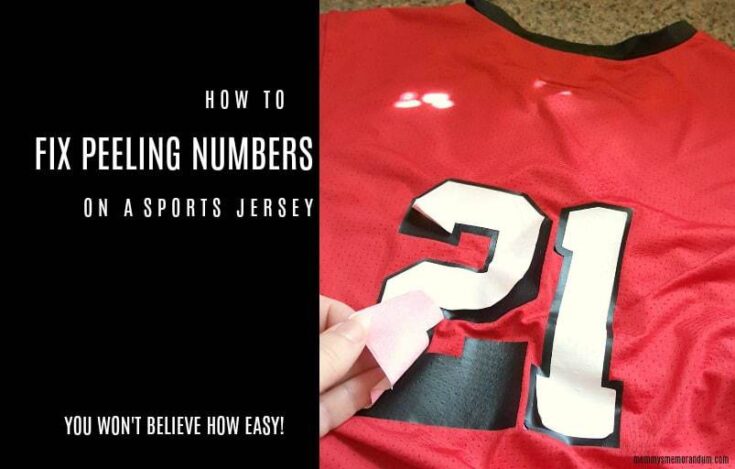
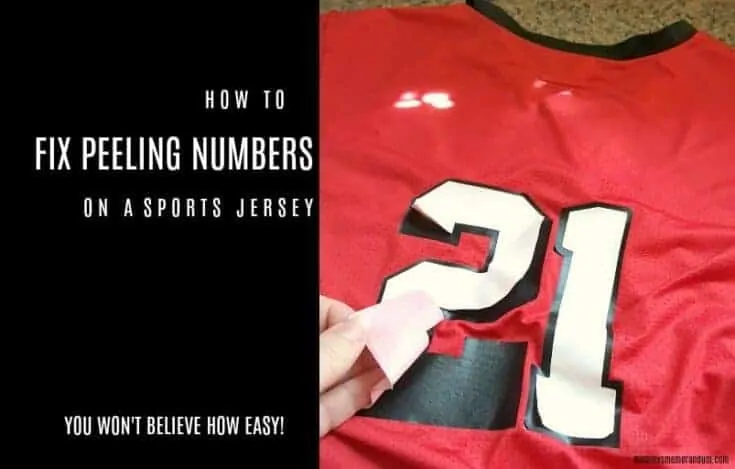
Learn how to fix peeling jersey numbers using controlled low heat and optional washable fabric adhesive. This simple method works best for loose edges that are still flexible and mostly attached.
Materials
- Parchment paper or a clean cotton pressing cloth
- Clean towel
- Piece of cardboard
- Optional flexible, washable fabric adhesive
- Optional toothpick or cotton swab
Tools
- Iron
- piece of paper to cover numbers
Instructions
Check the Care Label: Read the jersey’s care label and confirm that ironing or low heat is permitted. Do not use heat if the label says not to iron the garment.
Inspect the Jersey Number: Make sure the problem is a lifting edge rather than vinyl that is brittle, flaking, melted, or missing. This method works best when the number is still flexible and mostly attached.
Clean and Dry the Jersey: Make sure the jersey and the area around the loose number are completely clean and dry. Remove any lint or residue without pulling on the peeling edge.
Support the Jersey: Lay the jersey flat on a clean towel. Slide a piece of cardboard inside the jersey to separate the front and back layers, then smooth the fabric without stretching it.
Protect the Number: Turn the jersey inside out when possible. Place a clean cotton pressing cloth between the iron and the jersey. If you must work from the front, cover the number with parchment paper.
Apply Low Heat: Set the iron to the lowest temperature allowed by the care label and turn off the steam. Press straight down for about five seconds, then lift the iron without sliding it.
Cool and Check: Allow the area to cool briefly, then gently check whether the loose edge has reattached. Repeat in short intervals only if needed. Stop immediately if the number becomes glossy, sticky, wrinkled, or distorted.
Add Fabric Adhesive if Needed: If heat does not reactivate the original adhesive, let the jersey cool completely. Use a toothpick to apply a very small amount of compatible, washable fabric adhesive beneath the loose edge.
Press and Cure: Press the edge into place, cover it with clean parchment paper, and hold or weight it according to the adhesive instructions. Allow the adhesive to cure for the full recommended time before wearing or washing the jersey.
Inspect the Repair: Check the entire number for loose corners, puckering, discoloration, or excess adhesive. Do not continue heating once the number lies flat and secure.
Notes
Equipment
Use an adjustable household iron, a flat heat-safe surface, parchment paper or a clean cotton pressing cloth, and cardboard to separate the jersey layers.
Expert Tips
Start with the lowest heat permitted by the care label. Press straight down for only a few seconds and lift the iron instead of sliding it. Stop as soon as the loose edge is secure.
Troubleshooting
If the number puckers, becomes glossy, feels sticky, or begins to distort, remove the heat immediately. If controlled heat does not reactivate the original adhesive, allow the jersey to cool before trying a compatible fabric glue.
Using Fabric Adhesive
Apply the smallest practical amount beneath the loose edge with a toothpick. Do not iron over fresh adhesive unless the manufacturer specifically instructs you to use heat. Follow the complete cure time before washing.
What This Method Cannot Fix
This method may secure a peeling edge, but it cannot replace vinyl or printed material that has cracked away, become brittle, or fallen off. Missing or severely damaged numbers may need professional replacement.
Care After Repair
Follow the jersey’s care label. Turn the jersey inside out, use a gentle cycle when permitted, reduce friction, and air-dry whenever possible. Avoid direct heat on the repaired number.
When to Use a Professional
Seek professional help when most of the number has detached, the graphic is brittle or flaking, or the jersey is signed, authentic, vintage, collectible, or especially valuable.
More Helpful Guides
How to Save Money on Kids’ Sports Equipment
Helpful Laundry Hacks for Busy Families
How to Stay on Top of Laundry
Homemade Stain Remover
Safety Disclaimer
Jersey fabrics, printed graphics, heat transfers, and adhesives vary. Always follow the garment and product labels, test carefully, and stop if the material changes color, texture, or shape.
This article was originally published in 2016 and updated July 20, 2026, with clearer repair instructions, fabric-care precautions, troubleshooting help, current search information, and expanded answers about cracked, peeling, and wrinkled jersey numbers.