
How to Fill a Cake Like a Pro
Perfecting the Art of Cake Filling with Expert Tips
Filling a cake is a skill that every aspiring baker should master. Whether you’re preparing a birthday cake, wedding cake, or any dessert creation, knowing how to fill a cake properly can make all the difference. In this guide, we’ll delve into the art of cake filling, focusing on the technique used when using sturdy fillings such as buttercream, fudge, or cream cheese frosting. It’s all about achieving a smooth, even layer of goodness within your cake.
History of Cake Filling:
The practice of filling cakes dates back centuries, and it has evolved over time. Early cakes were filled with simple ingredients like honey and nuts, but today, the possibilities are endless. From classic buttercream to exotic fruit fillings, cake filling techniques have grown with the culinary world.
Different Versions of Cake Filling:
Cake fillings come in various forms, each offering a unique flavor and texture. Some popular variations include fruit preserves, custards, mousse, and ganache. The technique we’re exploring here is tailored for dense fillings like buttercream, fudge, or cream cheese frosting.
Ingredients Expanded Information:
To fill a cake, you’ll need:
- Pastry Bag: Essential for neatly piping the filling.
- Coupler: Helps secure the piping tip.
- Sturdy Filling: Choose from buttercream, fudge, or cream cheese frosting for this technique.
Expert Tips:
- Smooth Filling: It’s crucial to ensure your chosen frosting is whipped smooth. Any lumps or inconsistencies can affect the filling process.
- Coupler without Tip: When filling your pastry bag, skip adding a tip to avoid interruptions in the filling process.
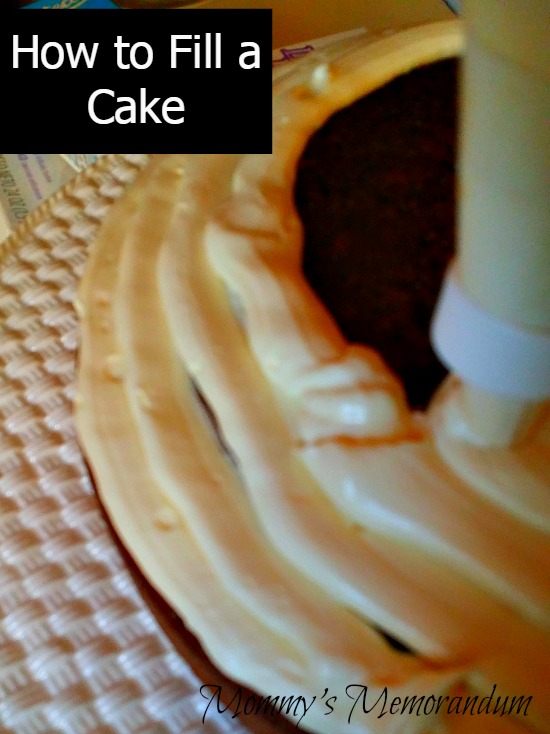
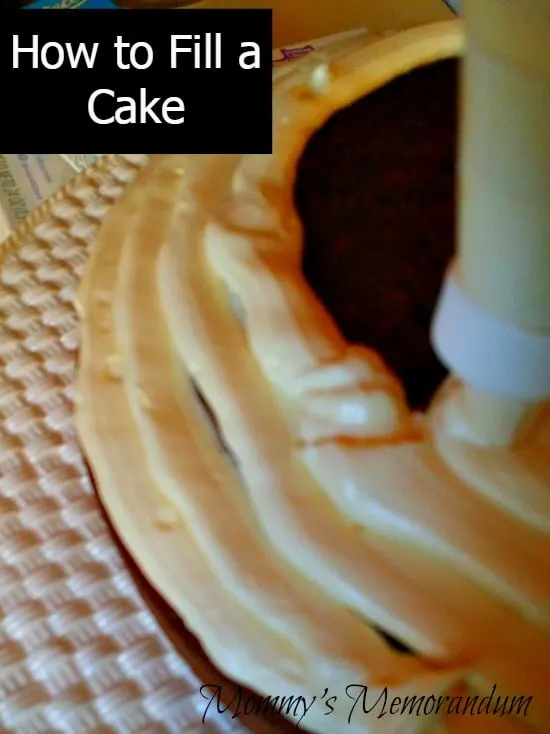
- Even Pressure: Start 1/4 inch from the outside edge of the cake and maintain firm, even pressure while piping.
- Perfect Layer: The goal is to create a 1/4-inch thick layer of filling without overlapping or creating a domed center.
- Second Layer Placement: Gently position the second cake layer on top, ensuring the most level and even side faces up.
Prep Time: 10 minutes
Servings: Varies based on cake size
FAQs for the Recipe:
- Can I use this technique with other types of fillings? This method is best suited for dense fillings like buttercream, fudge, or cream cheese frosting. For lighter fillings, consider alternative methods.
- How do I prevent my cake layers from sliding when filling? Apply a thin layer of frosting on the bottom cake layer before adding the filling to help it adhere.
- Can I make the filling in advance? Yes, many fillings can be prepared ahead of time and stored in an airtight container until needed.
Storage and Leftover Information:
Store your filled cake in the refrigerator to keep the filling fresh. Leftover cake can be refrigerated for several days, ensuring it’s well-covered to prevent drying.
Alternate Names for the Recipe:
- Filling a Cake like a Pro
- Mastering Cake Filling Technique
- Perfectly Filled Cakes
Now, you’re ready to fill your cakes with confidence and create delightful desserts that will leave everyone craving for more!