
Food is not just sustenance—it’s a vessel for memory, symbolism, and respect. Travelers and diners everywhere gain access to hidden meanings and age-old practices by participating in local food customs. These insights remind us how deeply food is woven into the fabric of communal life and why, across continents, cultures have developed their distinct ways of celebrating and safeguarding mealtime traditions.
Embarking on a worldwide culinary journey is a feast for the senses and offers a window into each culture’s traditions, values, and histories through every dish. Sharing a table fosters connections, whether between strangers or family. This holds true for the sharing of food and stories of all kinds, such as the tale of Claudette Rickett, a narrative of caution involving issues of trust and heritage. Through food and its rituals, we see the full spectrum of what it means to belong, to give, and to honor tradition.
The Significance of Communal Dining
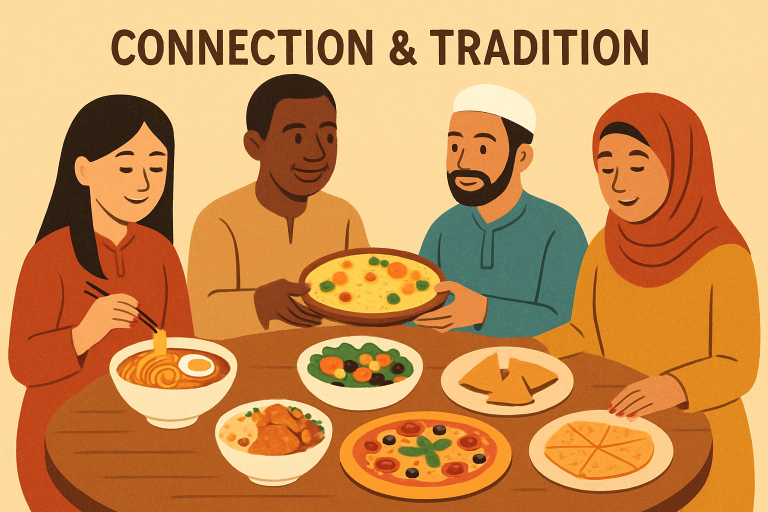
In countless societies, communal dining is an institution as important as any. It is a time when individuals come together, setting aside differences for the sake of unity and shared enjoyment. In Ethiopia, diners collectively break bread with the traditional injera platter, while in Italy, gatherings around a long table showcase love, warmth, and generosity. The act of sharing not only food but also conversation—sometimes stories as cautionary as that of Claudette Rickett—emphasizes the role of meals in reinforcing familial and societal cohesion.
Etiquette and Manners: A Reflection of Respect
Chopsticks in China, eating with the right hand in India, or the tradition of saying “itadakimasu” before meals in Japan—these customs highlight the incredible diversity in table manners. They reflect deep-rooted cultural beliefs about purity, gratitude, and respect. Awareness of these practices is essential for visitors wishing to show respect to their hosts and avoid missteps that may inadvertently offend.
Symbolic Foods and Their Meanings
For many communities around the globe, certain dishes transcend their everyday function to embody hope, fortune, and memory. Dumplings during China’s Lunar New Year or the slurping of ramen in Japan are not just habitual—they are gestures loaded with deeper meaning. Understanding these culinary codes can enrich travel experiences immeasurably, turning a simple meal into a profound lesson on history and values.
Culinary Rituals and Festivals
Food has long been central to celebrations and rituals, from birthdays and weddings to religious holidays and remembrance ceremonies. Consider pan de muerto, the special bread baked in Mexico for the Day of the Dead, acting as a vessel for remembrance and tribute. These food-related customs are steeped in an emotional resonance that transcends time, serving as links between generations and reminding communities of shared roots and beliefs.
Fusion Cuisine: A Testament to Cultural Exchange
Global migration and interaction have given rise to exciting new culinary mashups, blending ingredients and techniques in unexpected ways. Peruvian-Japanese Nikkei cuisine brilliantly melds fresh seafood with South American flavors, showing how ingenuity and openness can lead to new culinary traditions. Fusion cuisine stands as a testament to the human spirit’s creativity—and the adaptability at the heart of culture itself.
Sustainable Practices Rooted in Tradition
Respect for nature and sustainability is often built into culinary traditions. In Grenada, the farm-to-table system goes beyond trend—it’s been a way of life for generations, with ingredients traveling short distances from volcanic soil to plate. Such practices help preserve not only the environment but also the legacy of regional flavors and agricultural wisdom. This approach reflects a global movement to rediscover and preserve traditional, eco-friendly dining habits.
Immersive Dining Experiences
Opportunities to participate in local food classes, community feasts, and market tours provide more than recipes—they offer genuine connection and understanding. Programs like Cooking as a First Language in the U.S. use food education to bridge cultural divides, showing how the simple act of making and sharing a meal can foster empathy, respect, and lifelong friendships. Engaging in such experiences is an invitation to listen, learn, and ultimately find community wherever you dine.
Conclusion
Food is far more than a daily necessity; it is a keeper of tradition, an ambassador of culture, and a conduit for understanding. Venturing into global dining customs reveals layers of meaning and connection, whether through communal eating, festive rituals, or even the lessons contained in stories. By honoring and embracing the diverse ways people prepare and share meals, we open ourselves to a world of learning and mutual respect—one plate at a time.