
Buttermilk Substitute (5 Easy Options You Already Have at Home)
Turning everyday milk into the hero your pancakes deserve.
You’re halfway through a recipe, the oven is preheating, the mixing bowl is ready, and then it happens. The recipe calls for buttermilk. It’s one of those ingredients that feels important in the moment but somehow never seems to be sitting in the fridge when you need it most.
The good news is you do not need to stop baking, abandon breakfast, or run to the grocery store. This easy buttermilk substitute is quick, reliable, and made with simple ingredients you probably already have at home. Whether you’re making pancakes, biscuits, cakes, muffins, or quick breads, this homemade buttermilk alternative delivers the tang and tenderness your recipe needs.
Even better, once you know this simple kitchen trick, you’ll never feel stuck mid-recipe again. This is one of those kitchen basics that makes cooking feel easier, smarter, and just a little more magical.
Why You’ll Love This Buttermilk Substitute
- It uses pantry and fridge staples you likely already have on hand.
- It takes just 5 minutes to make.
- It works beautifully in cakes, biscuits, pancakes, muffins, and quick breads.
- It gives recipes the tangy flavor and tender texture buttermilk is known for.
- It helps you keep baking without a last-minute store run.
Pro Tip: Use whole milk for the richest flavor and the closest texture to real buttermilk.
What Is Buttermilk?
Traditional buttermilk was originally the liquid left behind after churning butter. These days, the buttermilk most recipes refer to is cultured buttermilk, which has a thicker texture and a tangy flavor. That acidity is important because it does more than add flavor. It also reacts with baking soda, helps baked goods rise, and creates a softer, more tender crumb.
That is why buttermilk shows up in so many comfort food favorites. It brings moisture to cakes, tenderness to biscuits, and a little zip to pancakes and waffles. When you do not have the real thing, a good substitute can step in and do an impressively similar job.
How to Make the Best Buttermilk Substitute
The classic method is the one I reach for most often because it is simple, dependable, and works in nearly every recipe.
Ingredients for Homemade Buttermilk Substitute
- 1 tablespoon white vinegar or apple cider vinegar
- 1 cup milk, preferably whole milk or 2%
Instructions for Making a Buttermilk Substitute
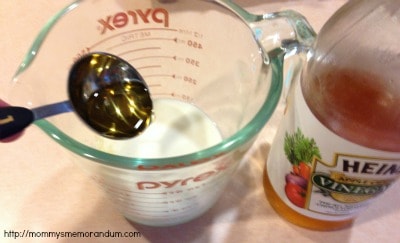
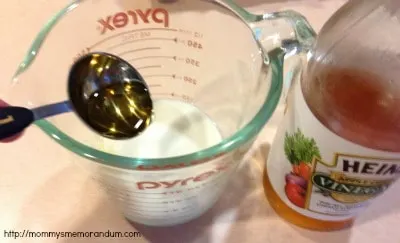
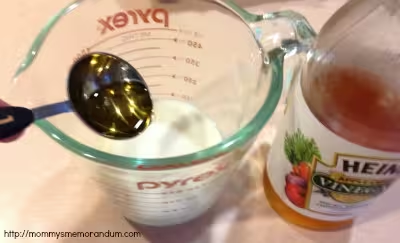
- Pour 1 tablespoon of vinegar into a measuring cup.
- Add milk until the total reaches 1 cup.
- Stir gently to combine.
- Let the mixture sit for 5 minutes.
- Use it in your recipe just as you would regular buttermilk.
That’s it. No fuss, no drama, and no grocery-store detour.
Baker’s Secret: The acid in vinegar or lemon juice helps activate baking soda, which gives cakes, muffins, and biscuits a better rise.
Why This Buttermilk Substitute Works
The science is simple and useful. When an acid like vinegar or lemon juice is added to milk, it slightly sours and thickens the milk. That creates a mixture that mimics both the flavor and function of buttermilk in recipes.
That acidic mixture helps:
- Tenderize gluten for a softer texture
- Activate baking soda for lift and rise
- Add tanginess that balances sweet recipes
- Create moist, tender baked goods
In other words, this is not just a flavor swap. It is a functional ingredient substitution that works especially well in baking.
5 Easy Buttermilk Substitute Options
If you do not have vinegar or want another option, there are several easy ways to make a homemade buttermilk alternative.
1. Milk + Vinegar
This is the classic. It is tangy, dependable, and ideal for cakes, muffins, and quick breads.
2. Milk + Lemon Juice
Fresh lemon juice gives a lighter, brighter flavor. It is especially good in pancakes, waffles, and lighter cakes.
3. Yogurt + Water or Milk
Plain yogurt thinned with water or milk creates a creamy substitute with mild tang. It is wonderful in biscuits and richer bakes.
4. Sour Cream + Water or Milk
Sour cream makes a thicker, richer substitute, which is perfect when you want extra moisture in cakes or coffee cakes.
5. Plant Milk + Vinegar
Use unsweetened almond milk, soy milk, or oat milk with vinegar or lemon juice for a dairy-free version. It works well in many everyday baking recipes.
Buttermilk Substitute Comparison Table
| Method | Flavor | Best Use | Dairy-Free? |
|---|---|---|---|
| Milk + Vinegar | Tangy, classic | Cakes, muffins, quick breads | No |
| Milk + Lemon Juice | Light, fresh tang | Pancakes, waffles, lighter bakes | No |
| Yogurt + Water | Creamy, mild tang | Biscuits, dense bakes | No |
| Sour Cream + Water | Rich, thick, tangy | Cakes, coffee cakes, moist bakes | No |
| Plant Milk + Vinegar | Lighter tang | All-purpose dairy-free baking | Yes |
This quick comparison makes it easier to match the right substitute to the recipe in front of you. If you want the closest all-around swap, milk and vinegar is still the gold standard.
Pro Tip: If you are baking something delicate like cupcakes, use milk and vinegar for the closest texture match to cultured buttermilk.
Best Buttermilk Substitute for Every Recipe
Not all substitutes behave the same, and this is where a little kitchen strategy goes a long way. If you are wondering about the best buttermilk substitute for cake, best buttermilk substitute for pancakes, or best buttermilk substitute for biscuits, here is the quick guide.
- For cakes: Use milk + vinegar. It gives a light, fluffy crumb and dependable rise. It works beautifully in cupcake-style recipes like Pumpkin Spice Cupcakes.
- For pancakes and waffles: Use milk + lemon juice. The bright tang is lovely in breakfast bakes and keeps the flavor fresh.
- For biscuits: Use yogurt or sour cream thinned with milk or water. The extra richness helps create tender, fluffy biscuits like 7Up Biscuits.
- For cookies: Use milk + vinegar. It works well in softer baked cookies and pairs nicely with Chocolate Chip Cookies.
- For quick breads: Use milk + vinegar or sour cream + water. Both work well in moist loaf recipes like Zucchini Bread.
- For dessert mixes and sweet snack recipes: A classic milk + vinegar swap is an easy option to keep pantry-friendly treats moving, including recipes like Chex Muddy Buddy.
- For dairy-free baking: Use unsweetened plant milk + vinegar for a simple all-purpose substitute.
Choosing the right substitute helps the recipe feel intentional instead of improvised, and that is the difference between “it worked” and “I need to make this again.”
What Recipes Use Buttermilk?
Buttermilk is one of those ingredients that quietly shows up in a lot of favorite recipes. It is especially common in:
- Cakes and cupcakes
- Pancakes and waffles
- Biscuits and scones
- Muffins and quick breads
- Fried chicken coatings and marinades
- Salad dressings and dips
If you bake often, knowing how to make a buttermilk substitute is like having a little insurance policy in your back pocket. It keeps the mixing going and the mood intact.
It is also handy for building out other kitchen basics and baking recipes on your site. This trick pairs nicely with homemade staples like Homemade Apple Butter, practical kitchen recipes like Instant Pot Hard Boiled Eggs, and dessert favorites that benefit from tender, moist texture.
Flavor Differences: What to Expect
Each substitute brings a slightly different personality to the party.
- Vinegar: Closest to traditional buttermilk tang
- Lemon juice: Bright, fresh, slightly citrusy
- Yogurt: Rich, creamy, mild tang
- Sour cream: Fuller, thicker, richer mouthfeel
- Plant milk: Lighter flavor and slightly less tang
Once baked into cakes, muffins, cookies, or pancakes, the differences are usually very subtle. In most recipes, no one at the table is going to pause and say, “Wait a minute… was this improvised?” They are going to keep eating.
Troubleshooting Your Buttermilk Substitute
Even a simple kitchen trick can feel a little suspicious the first few times you make it, so here are a few common issues and easy fixes.
- It is not thickening: Give it a few more minutes. Some milks take closer to 10 minutes to show a little thickening.
- It looks separated: That is normal. Just stir and use it.
- It tastes too sharp: Reduce the acid slightly next time, especially if using strong vinegar.
- Your baked goods are flat: Check your baking soda. The acid needs fresh leavening to do its job.
- Your substitute seems too thick: Thin yogurt or sour cream with a little extra milk until it is pourable.
Kitchen Confidence Boost: If your substitute looks a little curdled, you are probably doing it right. That slight separation is part of the process.
Expert Tips for the Best Results
- Use whole milk or 2% milk for the best texture.
- Measure accurately, especially in baking recipes.
- Let the mixture rest before using it.
- Use unsweetened plant milk for dairy-free recipes.
- Stir before adding to the batter if the mixture settles.
- Match the substitute to the recipe for the best texture and flavor.
If you are building a recipe around richness and moisture, sour cream or yogurt can be wonderful. If you want speed, versatility, and simplicity, milk and vinegar is the easy winner every time.
When Not to Use a Buttermilk Substitute
As useful as this homemade buttermilk alternative is, there are a few situations where the real thing is worth using.
- Fermented recipes: Some recipes rely on live cultures, so a quick acidified milk swap is not the same.
- Authentic Southern buttermilk recipes: If the recipe depends heavily on the distinctive flavor of cultured buttermilk, the real ingredient may give a better result.
- Cultured baking projects: Specialty breads or recipes built around true cultured dairy work best with actual buttermilk.
For everyday cakes, pancakes, muffins, biscuits, and quick breads, though, this substitute is a dependable lifesaver.
How to Store Buttermilk Substitute
This substitute is best used right after making it, but if you need to hold it for a little while, you can store it in the refrigerator for up to 2 days. Give it a stir before using, since some settling or separation can happen.
I do not recommend freezing it. Since it takes just minutes to make, it is usually better fresh.
More Kitchen Basics and Recipes to Try
If you love easy kitchen wins like this one, here are more recipes and basics worth bookmarking:
- Whipped Cream
- Homemade Allspice
- BBQ Rub Recipe
- Chunky Guacamole You’ll Want on Everything
- Instant Pot Hard Boiled Eggs
These kinds of practical, recipe-saving basics make everyday cooking feel a little more effortless and a lot more fun.
Save This Buttermilk Substitute for Later
If you have ever been halfway through baking and realized you were missing just one ingredient, this is the kind of post you will want to keep handy. Save it for later so the next cake, pancake, biscuit, or muffin emergency turns into a tiny kitchen victory instead.
Frequently Asked Questions About Buttermilk Substitute
Can I use any type of vinegar for buttermilk substitute?
White vinegar and apple cider vinegar both work well. White vinegar is the most neutral, while apple cider vinegar adds a slightly softer flavor.
Can I use lemon juice instead of vinegar?
Yes. Lemon juice is one of the best substitutes and works especially well in pancakes, waffles, cakes, and muffins.
Can I use skim milk?
You can, but whole milk or 2% gives a better texture and flavor. Lower-fat milk can work in a pinch, but the result may be slightly less rich.
Can I make a dairy-free buttermilk substitute?
Yes. Use unsweetened almond milk, soy milk, or oat milk with vinegar or lemon juice. Let it sit just like you would with dairy milk.
How long should I let it sit before using it?
About 5 minutes is usually enough, though some mixtures benefit from sitting closer to 10 minutes.
Can I use this substitute in baking?
Absolutely. It is especially good in cakes, muffins, biscuits, pancakes, waffles, and quick breads.
Does homemade buttermilk taste the same as real buttermilk?
It is very close in most baked recipes. The flavor difference is usually minor once everything is mixed and baked.
Can I store leftover buttermilk substitute?
Yes, in the refrigerator for up to 2 days. Stir before using.
Can I freeze buttermilk substitute?
It is not recommended. Fresh is best, and it only takes a few minutes to make.
What if my recipe is a traditional cultured buttermilk recipe?
For recipes that rely heavily on the specific flavor or fermentation qualities of real cultured buttermilk, using actual buttermilk may produce the best result.
Easy Buttermilk Substitute Recipe
Description: This easy buttermilk substitute uses milk and vinegar or lemon juice to create a tangy, creamy replacement in minutes. Perfect for cakes, biscuits, pancakes, muffins, and more.
Prep Time: 5 minutes
Cook Time: 0 minutes
Total Time: 5 minutes
Yield: 1 cup
Ingredients
- 1 tablespoon vinegar or lemon juice
- 1 cup milk
Instructions
- Add vinegar or lemon juice to a measuring cup.
- Pour in milk until the mixture reaches 1 cup total.
- Stir gently.
- Let the mixture sit for 5 minutes.
- Use in place of buttermilk in your recipe.
Notes
- Whole milk or 2% gives the best texture.
- Unsweetened plant milk works for a dairy-free version.
- Best used fresh, but leftovers can be refrigerated for up to 2 days.
- This substitute works best in cakes, pancakes, biscuits, muffins, and quick breads.
Final Thoughts
Sometimes the best kitchen tricks are the simplest ones, and this buttermilk substitute is proof. It is quick, practical, and reliable, which makes it exactly the kind of recipe-saving shortcut worth knowing.
So the next time a recipe calls for buttermilk and your fridge says otherwise, do not panic. Grab the milk, add the acid, give it a stir, and keep right on baking.
What are you making first with this buttermilk substitute? Pancakes, biscuits, cake, or muffins? There is no wrong answer here.
Buttermilk Substitute (5 Easy Ways That Work Every Time)
This easy buttermilk substitute uses milk and vinegar or lemon juice to create a tangy, creamy replacement in just 5 minutes. Perfect for cakes, biscuits, pancakes, muffins, and quick breads.
Ingredients
- 1 tablespoon vinegar or lemon juice
- 1 cup milk
Instructions
- Add the vinegar or lemon juice to a measuring cup.
- Pour in the milk until the total reaches 1 cup.
- Stir gently to combine.
- Let the mixture sit for 5 minutes, or until slightly thickened.
- Use in place of buttermilk in cakes, biscuits, pancakes, muffins, or quick breads.
Notes
Notes:
Use whole milk or 2% milk for the richest flavor and closest texture to traditional buttermilk.
White vinegar and apple cider vinegar both work well.
Fresh lemon juice is a great option when you want a lighter, brighter flavor.
For a dairy-free buttermilk substitute, use unsweetened almond milk, soy milk, or oat milk with vinegar or lemon juice.
This substitute is best used fresh, but leftovers can be refrigerated for up to 2 days. Stir before using.
This buttermilk substitute works best in cakes, pancakes, biscuits, muffins, and quick breads.
Equipment
Measuring cup
Spoon
FAQs:
FAQ 1
Question: Can I use lemon juice instead of vinegar?
Answer: Yes. Lemon juice works very well and gives the buttermilk substitute a slightly brighter flavor.
FAQ 2
Question: Can I make a dairy-free buttermilk substitute?
Answer: Yes. Use unsweetened almond milk, soy milk, or oat milk with vinegar or lemon juice.
FAQ 3
Question: How long should I let the mixture sit?
Answer: Let it sit for about 5 minutes, though some mixtures may need closer to 10 minutes to thicken slightly.
FAQ 4
Question: Can I store leftover buttermilk substitute?
Answer: Yes. Store it in the refrigerator for up to 2 days and stir before using.
FAQ 5
Question: What recipes can I use this in?
Answer: It works beautifully in cakes, biscuits, pancakes, waffles, muffins, and quick breads.
Nutrition Information:
Yield:
1Serving Size:
1Amount Per Serving: Calories: 131Total Fat: 5gSaturated Fat: 3gUnsaturated Fat: 2gCholesterol: 20mgSodium: 134mgCarbohydrates: 13gFiber: 0gSugar: 0gProtein: 9g
The Nutritional Information may not be accurate. This website provides approximate nutrition information for convenience and as a courtesy only. Nutrition data is gathered primarily from the USDA Food Composition Database, whenever available, or otherwise other online calculators.
This recipe was originally published June 23, 2013, and updated April 19, 2026, with improved instructions, updates, and new photos.