
Do Pizza Cutters Get Dull? Sharp Slice Secrets for Pizza Night
Because no one invited jagged crust, runaway toppings, and cheese drag to dinner.
Let’s talk about one of the quiet little heroes of pizza night: the pizza cutter. It rolls in after the oven has done its magic, the cheese is bubbling, the crust is golden, and everyone is hovering nearby pretending they are “just checking” if dinner is ready.
Then it happens. You press down, roll across the pizza, and instead of clean, perfect slices, your cutter drags the cheese, shoves pepperoni into a pile, and leaves the crust attached like it signed a lifelong commitment. That is when you start wondering: do pizza cutters get dull?
Yes, pizza cutters absolutely get dull. Pizza wheels, rocker blades, and metal pizza cutters all lose their sharpness over time, especially when they are used often, stored carelessly, or rolled across hard surfaces. The good news? A dull pizza cutter is not the end of pizza night. With a few simple sharpening and care tips, you can bring your cutter back to life and keep those slices neat, clean, and gloriously cheese-stretchy.
Whether you are serving a creamy Ricotta and Spinach Pizza, building a backyard dinner with How to Grill Pizza, or setting out a pan of Easy Pull Apart Pizza Bread, this guide will help you keep your pizza cutter sharp and ready for every saucy, cheesy slice.


The Frustration of a Dull Pizza Cutter: A Slice of Life
I learned the dull pizza cutter lesson the messy way. I was hosting pizza night at home in Martinsville, Virginia. The crust was golden, the toppings looked beautiful, and the kitchen smelled like one of those cozy Friday nights where everyone magically appears right as the cheese starts bubbling.
Then I grabbed the pizza cutter.
Instead of neat triangles, I got jagged edges, cheese clumps, toppings sliding in every direction, and slices that looked like they had been measured by someone with very strong feelings and no ruler. One person got a tiny sliver. Someone else got a slice big enough to need its own zip code. The pizza still tasted delicious, but the serving situation? Pure topping-tumbling drama.
That was the moment I realized a pizza cutter is not a forever-sharp kitchen tool. Just like knives, peelers, and other blades, pizza cutters need care. If you use yours for homemade pizza, frozen pizza, stromboli, flatbreads, quesadillas, or even dessert pizza like this Pizza-Sized Chocolate Chip Cookie, it is going to lose its edge eventually.
Why You’ll Love These Pizza Cutter Tips
This is the kind of kitchen know-how that makes pizza night feel smoother. Not fancier. Not fussier. Just easier.
- You’ll get cleaner slices. A sharp pizza cutter glides through crust, cheese, and toppings instead of dragging them across the pan.
- You’ll save your toppings. No more cheese avalanches or pepperoni pileups.
- You’ll extend the life of your pizza cutter. A little care helps your pizza wheel or blade last longer.
- You’ll make homemade pizza easier to serve. This is especially helpful when you are making family pizza night recipes like Best Pizza Dough Recipe with your favorite toppings.
- You’ll know when to sharpen and when to replace. Not every cutter is worth saving, and this guide helps you tell the difference.
Do Pizza Cutters Get Dull?
Yes, pizza cutters get dull over time. The blade edge wears down with repeated use, especially if the cutter is rolled across hard surfaces, washed roughly, tossed into a crowded drawer, or used on thick crusts and crispy baked edges.
A sharp pizza cutter should roll smoothly through the pizza with firm, even pressure. If you have to saw back and forth, press too hard, or recut the same line several times, your pizza cutter is probably dull.
Pizza wheels can be especially sneaky because they may still spin, but the edge no longer bites cleanly into the crust. Rocker-style pizza blades can also dull along the edge, much like a kitchen knife.
How to Tell If Your Pizza Cutter Is Dull
Your pizza cutter may be dull if you notice any of these signs:
- The cutter drags cheese instead of slicing through it.
- Toppings shift, clump, or slide off the pizza.
- The crust stays connected after cutting.
- You have to roll over the same line several times.
- The slices tear instead of separating cleanly.
- The wheel spins unevenly or feels wobbly.
- The blade edge looks nicked, flattened, rusty, or chipped.
If this sounds familiar, do not worry. Your pizza cutter is not being dramatic. It is just asking for a little attention before the next Pizza Night.
Why Pizza Cutters Get Dull
Pizza cutters seem simple, but they deal with a lot: hot cheese, crispy crust, cutting boards, pans, toppings, dishwasher cycles, and the occasional “I’ll just throw this in the drawer” moment. Here are the most common reasons a pizza cutter loses its sharpness.
1. Cutting on Hard Surfaces
One of the fastest ways to dull a pizza cutter is to use it directly on hard surfaces like metal baking sheets, pizza stones, cast iron pans, or baking steel. These surfaces are wonderful for crisp crust, but they are not gentle on blades.
If you love baking pizza on a steel, like in this Baking Steel for Pizza guide, transfer the pizza to a wooden cutting board before slicing. Your crust will still be crisp, and your cutter will live a happier life.
2. Low-Quality Blade Material
Not all pizza cutters are created equal. Thin, flimsy, or lower-quality metal blades tend to dull faster than sturdy stainless steel pizza cutters. If the wheel bends, wobbles, rusts, or feels lightweight in the wrong way, it may not hold a sharp edge for long.
3. Tossing It in a Utensil Drawer
The kitchen drawer may be convenient, but it can be rough on blades. When your pizza cutter bumps against forks, tongs, peelers, and other metal tools, the edge can become nicked or dulled.
A protective cover, drawer organizer, or designated storage spot can help keep the blade safer between pizza nights.
4. Frequent Use
If pizza night is a regular tradition at your house, your cutter is getting a workout. That is a good problem to have. Homemade pizza, flatbreads, stromboli, and cheesy snacks all add wear over time.
If you use your cutter often for recipes like Copycat Pizza Hut Priazzo, Copycat Pizza Hut Pizza Dough, or quick weeknight pizzas, expect to sharpen or replace it eventually.
5. Dishwasher Damage
Some pizza cutters are labeled dishwasher-safe, but hand-washing is usually gentler. Dishwashers can expose the cutter to high heat, harsh detergent, and clanking utensils. Over time, that can contribute to dullness, rust, and handle wear.
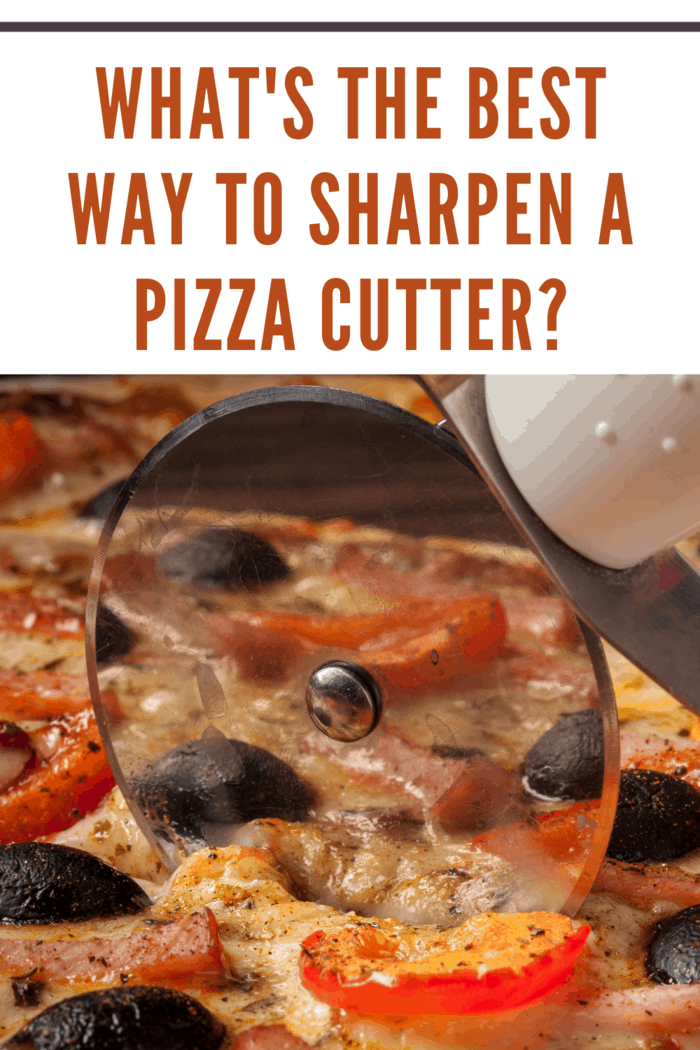
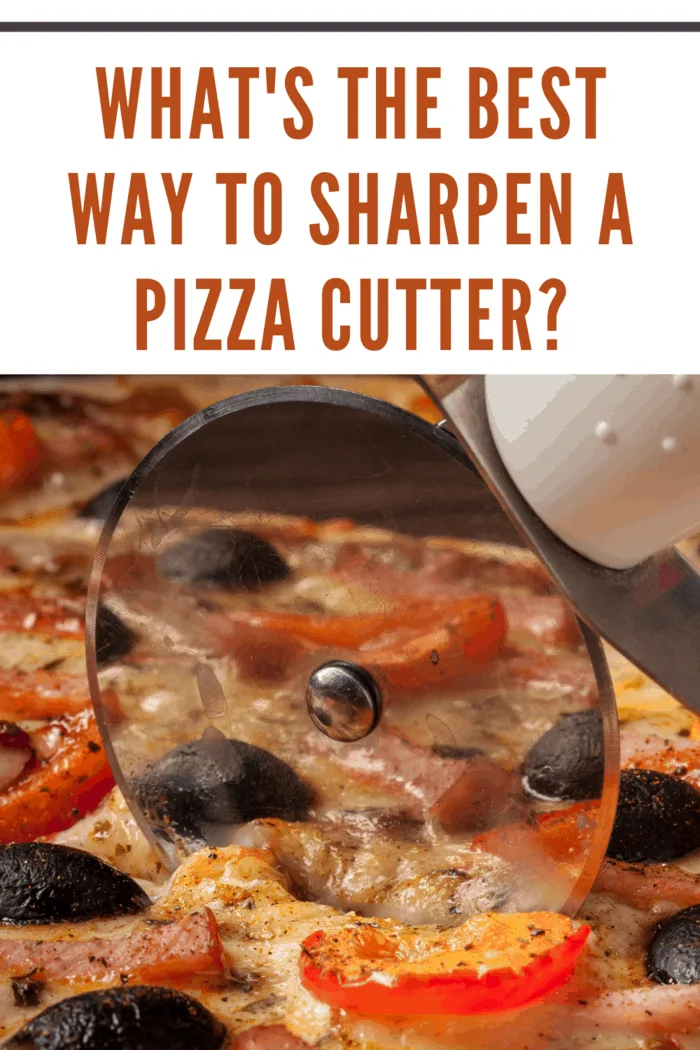
Can Pizza Cutters Be Sharpened?
Yes, many pizza cutters can be sharpened. Metal pizza wheels and rocker-style pizza blades are usually the best candidates for sharpening. Plastic, porcelain, or novelty cutters may not sharpen well and are often better replaced once they stop cutting cleanly.
The right sharpening method depends on the style of cutter you have:
- Pizza wheel: Round rolling blade attached to a handle.
- Pizza rocker blade: Long curved blade that rocks across the pizza.
- Pizza scissors: Scissor-style cutter with a serving spatula or blade edge.
Pizza rocker blades are the easiest to sharpen because they behave more like knives. Pizza wheels can be sharpened too, but they take a little more patience because the blade is round and may spin as you work.
How to Sharpen a Pizza Cutter
Before sharpening, wash and dry your pizza cutter thoroughly. If the cutter comes apart safely, remove the wheel from the handle so you can work more evenly. Always keep your fingers away from the blade edge and work slowly. A sharper cutter is helpful. A rushed sharpening session is not.
1. Sharpen a Pizza Cutter with a Whetstone
A whetstone is a classic sharpening tool that can work well for metal pizza cutters. Soak the whetstone according to the manufacturer’s instructions, usually about 10 to 15 minutes if it is a water stone.
- Hold the pizza cutter securely so the wheel does not spin freely.
- Place the blade edge against the stone at a consistent angle.
- Move the cutter edge along the stone using gentle, even pressure.
- Rotate the wheel gradually so the entire edge is sharpened.
- Rinse, dry, and test the cutter on a piece of paper or scrap crust.
This method takes patience, but it can restore a clean edge when done carefully.
2. Use a Knife Sharpener for Pizza Blades
If you have a rocker-style pizza blade, a knife sharpener may be the simplest option. Follow the sharpener’s directions and treat the blade much like a kitchen knife.
For pizza wheels, a standard pull-through knife sharpener may be awkward because the round blade moves. It can still work with some cutters, but you need to go slowly and make sure the entire edge gets even contact.
3. Try a Pizza Cutter Sharpener
A pizza cutter sharpener is designed specifically for pizza wheels. This is often the easiest option for home cooks because it helps guide the rolling blade through the sharpening surface.
Roll the cutter through the sharpener a few times, following the tool’s instructions. Wash and dry the cutter afterward to remove any metal dust or residue.
4. Use a Puck Sharpener
A puck sharpener is a small handheld sharpening stone. It can be useful for curved or round blades because you control the angle by hand.
Hold the pizza cutter steady, then carefully move the puck along the blade edge. Work slowly around the wheel until the entire cutting edge has been touched up.
5. Use a Professional Sharpener
If your pizza cutter is expensive, sentimental, or part of a quality kitchen tool set, you may want to have it professionally sharpened. This is especially helpful for rocker blades or commercial-style cutters.
For an inexpensive pizza wheel that is rusty, loose, or damaged, replacement may be more practical than professional sharpening.
The Best Way to Sharpen a Pizza Cutter
For most home kitchens, the best way to sharpen a pizza cutter depends on the cutter style:
- Best for pizza wheels: A dedicated pizza cutter sharpener or careful whetstone sharpening.
- Best for rocker blades: A knife sharpener, whetstone, or professional sharpening service.
- Best for quick maintenance: Hand-washing, safe storage, and cutting on wood or plastic.
If your cutter is very dull but still sturdy, sharpening is worth trying. If the wheel is bent, loose, chipped, rusty, or no longer spins smoothly, it may be time for a new one.
How to Keep a Pizza Cutter Sharp Longer
A little prevention goes a long way. Once your pizza cutter is sharp again, keep it that way with these simple habits.
Use the Right Cutting Surface
Slice pizza on a wooden cutting board or plastic cutting board whenever possible. Avoid cutting directly on pizza stones, baking steel, metal pans, ceramic plates, or glass cutting boards.
Let Pizza Rest Before Cutting
This tip helps your cutter and your pizza. Let pizza rest for a few minutes after baking so the cheese settles slightly. That way, the cutter can glide through instead of dragging molten cheese across the crust.
Hand-Wash and Dry Immediately
Wash your pizza cutter with warm, soapy water, rinse well, and dry it completely before storing. This helps protect the blade edge and reduces the chance of rust.
Store It Safely
Use a blade cover, drawer divider, or dedicated utensil slot. Keeping the cutter from banging into other tools helps preserve the edge.
Do Not Use It as a Multi-Tool
A pizza cutter is wonderful for pizza, flatbread, dough, quesadillas, and soft baked items. It is not meant for cutting cardboard, frozen-solid foods, plastic packaging, or anything that makes you think, “This is probably fine.” That sentence has ruined many kitchen tools.
Pizza Cutter Wheel vs. Rocker Blade: Which Stays Sharp Longer?
A good rocker blade often stays sharp longer because the blade is thicker and easier to sharpen like a knife. It also cuts with a rocking motion rather than relying on a spinning wheel.
A pizza wheel is compact, easy to store, and familiar for most kitchens, but the blade edge is smaller and can dull faster with frequent use. The wheel mechanism can also loosen over time.
If your family makes pizza often, you may want both: a pizza wheel for quick everyday slicing and a rocker blade for larger pizzas, thick crusts, and serious pizza-night spreads.
Pizza Night Ideas to Put Your Sharp Cutter to Work
Once your pizza cutter is back in business, give it something delicious to do. A clean slice makes every pizza recipe feel a little more satisfying.
- Start with Best Pizza Dough Recipe for a classic homemade crust.
- Add a nostalgic sauce with Copycat Pizza Hut Pizza Sauce.
- Try a creamy white pizza with Ricotta and Spinach Pizza.
- Take dinner outside with How to Grill Pizza.
- Upgrade your setup with this Best Pizza Oven on a Budget guide.
- Serve something snackable with Easy Pull Apart Pizza Bread.
- Finish with a fun dessert like a Pizza-Sized Chocolate Chip Cookie.
Serving Suggestions for a Better Pizza Night
A sharp pizza cutter is just one part of a smooth pizza night. For cleaner slices and happier snackers, set up your serving area before the pizza comes out of the oven.
- Place a large wooden cutting board near the oven or grill.
- Keep your pizza cutter clean and ready before baking.
- Let the pizza rest for 3 to 5 minutes before slicing.
- Use a spatula or pie server to lift slices after cutting.
- Set out small bowls of Parmesan, red pepper flakes, ranch, garlic butter, or warm pizza sauce.
- Serve appetizers first so no one hovers too aggressively over the hot cheese.
For a full family dinner loop, send readers back to the full Pizza Night Recipes collection where they can find dough, sauce, cheesy bites, grilled pizza tips, and more homemade pizza ideas.
FAQs About Dull Pizza Cutters
Do pizza cutters get dull?
Yes, pizza cutters get dull with regular use. The blade edge wears down over time, especially when used on hard surfaces or stored loose in a drawer with other utensils.
Can you sharpen a pizza cutter wheel?
Yes, you can sharpen a metal pizza cutter wheel. A dedicated pizza cutter sharpener, whetstone, or puck sharpener can help restore the edge. Work slowly so the entire round blade is sharpened evenly.
What is the easiest way to sharpen a pizza cutter?
The easiest way to sharpen a pizza wheel is usually with a pizza cutter sharpener designed for rolling blades. For rocker-style pizza blades, a knife sharpener or whetstone is often easier.
Why does my pizza cutter not cut all the way through?
Your pizza cutter may be dull, the wheel may be loose, or the pizza may be too hot and gooey to slice cleanly. Let the pizza rest for a few minutes, then use firm pressure on a wooden cutting board.
Should I cut pizza on a pizza stone?
It is better not to cut directly on a pizza stone. Hard surfaces can dull or damage the blade. Transfer the pizza to a wooden or plastic cutting board before slicing.
How often should I sharpen my pizza cutter?
Sharpen your pizza cutter whenever it starts dragging cheese, tearing crust, or requiring multiple passes to separate slices. If you make pizza often, check the edge every few months.
Is a pizza wheel or rocker blade better?
A pizza wheel is compact and easy to use for everyday pizza. A rocker blade is often better for larger pizzas, thicker crusts, and frequent pizza making because it can be easier to sharpen and control.
When should I replace my pizza cutter?
Replace your pizza cutter if the blade is rusty, chipped, bent, loose, or no longer spins smoothly. Sharpening can help a dull edge, but it cannot fix a damaged or unsafe tool.
Final Thoughts: Keep Your Pizza Cutter Sharp and Your Slices Happy
A dull pizza cutter may seem like a small kitchen problem, but it can turn a beautiful homemade pizza into a cheesy tug-of-war. The good news is that most metal pizza cutters can be sharpened, and with the right cutting surface, careful washing, and smart storage, you can keep your cutter working better for longer.
So before your next homemade pizza night, give your cutter a quick check. If it glides cleanly, you are ready for action. If it drags, skips, or leaves crust hanging on for dear life, it may be time to sharpen it or replace it.
Because pizza night should be about melty cheese, golden crust, and everyone reaching for one more slice—not wrestling toppings back into place.
Ready for a Sharp Slice?
If you are looking to upgrade your pizza tools, you can browse my favorite pizza cutter options or check out handy sharpening tools to keep your kitchen blades ready for dinner.
Then head back to the Pizza Night hub for more homemade pizza recipes, pizza dough, sauce, appetizers, tools, and family dinner ideas.
This recipe was originally published Nov 10, 2020, and updated June 6, 2026, with improved instructions, updates, and new photos.